Golpark-Gariahat,Kolkata 700029
  pushpanjalieyecare@gmail.com


 9051155660
  All cashless facilities and West Bengal health scheme available.

How Sleep Affects Your Eye Health
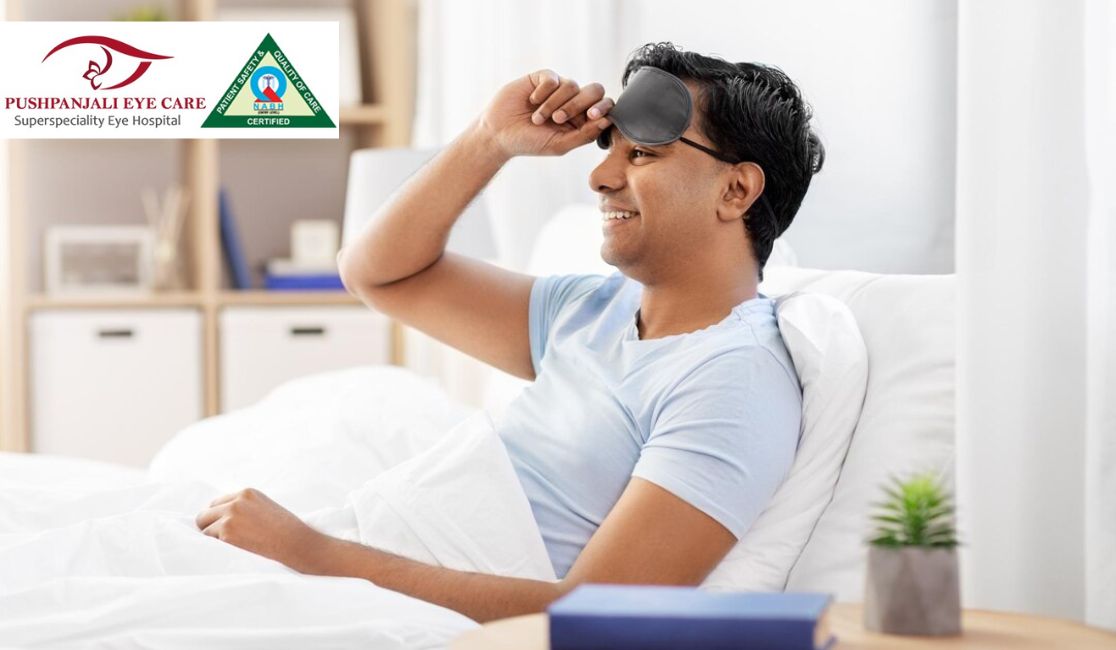
Did you know the risk of optic nerve damage was three times greater for individuals who slept less than three hours or more than ten hours a night compared to individuals who slept seven hours or more?(Source) This indicates individuals should take priority in their sleep regime. Sleep is essential for mental acuity, body repair, and healthy vision. Most people appreciate the value of rest for health, but not all are aware of how crucial sleep is for the eyes. While sleeping, the eyes are refilled with moisture and tissue is regenerated. These activities are vital in helping one maintain healthy vision and lowering the possibility of dryness or irritation. Sleep is not only important, but also essential for the best possible eye health. If you have any eye problem, then you can approach the best eye hospital Kolkata.
Quality sleep is essential for maintaining good eye health. Lack of sleep can cause a number of eye problems, from twitching and dryness to glaucoma and optic nerve damage. Repeated sleep deprivation affects vision and raises the risk of long-term eye illness. Understanding the connection between sleep and eye health encourages enhanced sleep, culminating in long-term ocular well-being. Below, we give you an in-depth explanation of the different ways that sleep affects your eye health.
Top Ways Sleep Affects Your Eye Health
Sleep is most important for your overall well-being, including eye health. Just as with the rest of your body, your eyes need sleep to work properly. Insufficient sleep or sleep deprived sleep will result in temporary discomfort and eventually contribute to long-term vision problems. The ways that sleep impacts your eyes:
Eye strain and dryness
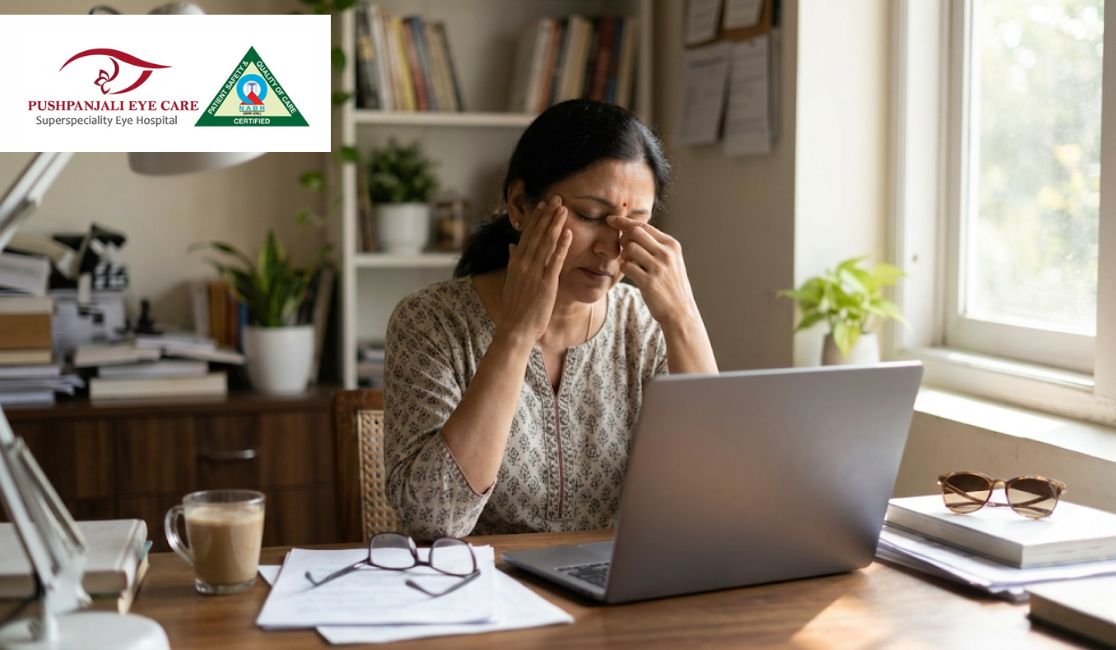
If you do not obtain sufficient restorative sleep, your eyes are denied the all-important time to rejuvenate their moisture stores. You can become dry, itching, or red eyes, and these can be especially worsened by extended viewing periods on screens.
Sufficient sleep not only mitigates eye strain but also contributes importantly to good vision. Without it, you might have trouble viewing even simple things clearly and are more sensitive to light, both of which can reduce your comfort and concentration even more during the day. In order to get over the problem, you must go to the best Eye Doctor Kolkata and talk about it.
Obstructive sleep apnea and eye health
People who have sleep apnea—a sleep disorder that involves repeated nighttime interruptions of breathing—become much more likely to develop a variety of eye problems, such as floppy eyelid syndrome, glaucoma, and papilledema, which is inflammation of the optic nerve. These conditions can have a significant effect on vision and overall comfort of the eyes over time, causing pain and serious complications in affected individuals.
Dark circles and puffiness
One of the most evident signs of poor sleep is the appearance of dark circles and puffy eyes. Such unwanted features occur due to sleep deprivation, which leads to the widening of the thin blood vessels underneath the eyes. This widening not only leads to a characteristic discoloration of the skin but also causes fluid buildup, leading to puffiness and swelling. Together, these effects can create a fatigued and aged look, emphasizing the impact that sleepless nights can have on one’s overall complexion. With assistance from the best eye hospital near Kolkata, you can successfully remove dark circles.
Twitching and spasms
Poor sleep can result in involuntary twitching or spasms of the eyes, referred to as myokymia. Though usually harmless, such spasms can be very irritating and are often accompanied by stress, tiredness, and too much caffeine—problems that usually stem from poor sleep.
Good sleep isn’t merely about waking up feeling rested—it’s absolutely crucial to keeping your eye health in check. Placing a value on quality sleep can prevent a whole host of vision issues, alleviate discomfort, and maintain your eyes’ peak functionality.