Prime Eyesight Hospital Near Me Golpark-Gariahat,Kolkata 700029

|

Prime Eyesight Hospital Near Me Baguihati, Vip Road, Kolkata 700059

Best Eye Care Kolkata West Bengal All cashless facilities and West Bengal health scheme available. Top Eye Hospital In Kolkata
Best Eye Care Kolkata

Cost of LASIK Surgery: What You Need to Know

Dear Reader!

Let Know LASIK eye surgery from this blog. Welcome to the blog page of Pushpanjali Eye Care, the Best Eye Hospital in Kolkata, where we prioritize your vision and eye health. If you are considering LASIK surgery in Kolkata, you might have many questions about the procedure, especially its cost. In this blog, we’ll provide a comprehensive guide on the cost of LASIK treatment in Kolkata, what factors influence the pricing, and how to make an informed decision. So, stay with us as we explore everything you need to know.
LASIK Eye Surgery
LASIK Eye Surgery

Understanding LASIK Surgery in Kolkata

LASIK surgery, or Laser-Assisted In Situ Keratomileusis, is a popular refractive eye surgery that corrects vision problems such as myopia, hyperopia, and astigmatism. It’s a quick, safe, and effective procedure that has helped millions around the world achieve better vision without the need for glasses or contact lenses. When considering laser eye surgery in Kolkata, it’s crucial to understand the various factors that contribute to the overall cost.

Why is it Called LASIK?

LASIK is an acronym for Laser Assisted In Situ Keratomileusis. The term “in situ” is Latin for “in its original place,” reflecting how the surgery reshapes the cornea without moving it from its natural position. “Keratomileusis” refers to the process of carving or sculpting the cornea to correct refractive errors. This precise terminology underscores the surgical technique’s ability to correct vision by reshaping the cornea directly, providing clarity to those who suffer from myopia (nearsightedness), hyperopia (farsightedness), and astigmatism.

The Evolution of LASIK Eye Surgery Techniques

The journey of  laser vision correction began decades ago and has evolved significantly over the years. The concept of corneal reshaping was first introduced in the mid20th century, with Dr. José Ignacio Barraquer from Colombia being one of the pioneers. He developed the technique of keratomileusis, where a section of the cornea was removed, frozen, reshaped, and then reattached to the eye. This technique laid the foundation for modern eye surgery.

In the 1980s, the advent of the excimer laser revolutionized refractive surgery. The excimer laser could precisely remove corneal tissue without causing thermal damage to surrounding areas. This led to the development of photorefractive keratectomy (PRK), the precursor to laser eye treatment. PRK involved reshaping the cornea by removing tissue from its surface.
photorefractive keratectomy surgery, as we know it today, was developed in the 1990s. It combined the precision of the excimer laser with the concept of creating a corneal flap, which allowed for faster recovery and less discomfort compared to PRK. The first LASIK procedure was performed in 1991, and since then, millions of people worldwide have benefited from this lifechanging surgery.

Best Eye Hospital In Kolkata , Best ophthalmologist in Kolkata , Best Eye specialists in Kolkata , Top eye hospital in Kolkata , risk factors of Cataract , best cataract treatment in Kolkata , what are the risks of cataracts , diagnosis of Cataracts , slit lamp examination , cataract treatment

Factors Affecting the Cost of LASIK Surgery in Kolkata

Types of LASIK Surgery

When considering LASIK surgery in Kolkata, it’s important to understand the different types of laser eye surgery  procedures available. The cost of LASIK surgery can vary depending on the specific technique chosen. Here’s a detailed exploration of each type:

Standard LASIK

Overview: Standard LASIK, also known as conventional laser vision correction, is the most commonly performed laser eye surgery. In this procedure, a microkeratome (a specialized surgical blade) is used to create a thin flap in the cornea. The excimer laser is then applied to reshape the corneal tissue underneath the flap, correcting vision by altering the way light is focused on the retina. After the laser reshaping, the flap is repositioned to heal naturally.

Pros: Standard LASIK is effective for most patients with common refractive errors like myopia, hyperopia, and astigmatism. It is relatively quick, with a short recovery time.

Cons: While effective, standard laser eye treatment may not be suitable for patients with irregular corneas or more complex vision issues. Additionally, the microkeratome blade can sometimes result in minor complications.

Custom LASIK

Overview: Custom LASIK, also known as Wavefrontguided LASIK, takes the standard procedure a step further by using advanced wavefront technology to create a detailed map of the patient’s eye. This map allows the surgeon to perform a more personalized correction by addressing not just the basic refractive errors but also higher order aberrations (subtle imperfections in the eye’s optical system).

Pros: Custom laser eye surgery  offers a higher level of precision, potentially leading to better visual outcomes, especially in lowlight conditions. It’s particularly beneficial for patients with unique or complex vision issues.

Cons: The procedure tends to be more expensive than standard LASIK due to the advanced technology involved. However, the enhanced precision and tailored approach often justify the additional cost.

Bladeless LASIK (Femto LASIK)

Overview: Bladeless LASIK, also known as Femto LASIK or AllLaser LASIK, eliminates the need for a microkeratome blade. Instead, a femtosecond laser is used to create the corneal flap. The excimer laser then reshapes the cornea in the same way as in standard LASIK.

Pros: The use of a femto second laser increases the precision and safety of the flap creation process, reducing the risk of complications. The procedure is typically more comfortable for patients, and the recovery time may be faster.

Cons: Bladeless LASIK generally comes with a higher price tag compared to standard LASIK due to the use of advanced laser technology. However, many patients find the increased safety and precision worth the cost.

Contoura Vision LASIK

Overview: Contoura Vision is the most advanced form of refractive eye surgery, also known as Topography-guided LASIK. This procedure uses detailed topographic mapping of the cornea to provide an even more precise correction than custom LASIK. Contoura Vision can correct both refractive errors and irregularities on the corneal surface that standard LASIK might not address.

Pros: Contoura Vision is designed to provide the sharpest vision possible by not only correcting vision but also improving the quality of vision by addressing corneal irregularities. It’s ideal for patients who have previously undergone LASIK and are looking for an enhancement or those with particularly irregular corneal surfaces.

Cons: As the most advanced LASIK option, Contoura Vision is typically the most expensive. However, the superior visual outcomes and enhanced quality of life often make it a preferred choice for those who want the best results.

Choosing the right type of Laser eye surgery is crucial for achieving the best possible results. Whether you opt for Standard LASIK, Custom LASIK, Bladeless LASIK, or Contoura Vision, each procedure offers unique benefits tailored to different vision needs. At Pushpanjali Eye Care, we offer all these advanced Laser eye treatment options to ensure you receive the best care possible. To learn more or to discuss which laser vision correction option is right for you, book an online appointment with our best LASIK surgeon in Kolkata today.

Surgeon’s Expertise

The expertise of the surgeon is a critical factor in the success of LASIK surgery. Surgeons with years of experience and specialized training in refractive surgery are better equipped to deliver precise results and minimize risks. Their reputation, often reflected in high success rates and positive patient reviews, underscores their ability to achieve optimal visual outcomes. While these top surgeons may charge more for their services, the investment is justified by the enhanced safety, precision, and personalized care they offer.

Choosing a skilled and experienced LASIK surgeon ensures that the procedure is tailored to your specific needs, leading to better results and a smoother recovery. At Pushpanjali Eye Care, we have some of the best LASIK surgeons in Kolkata, committed to providing the highest standard of care. Book an online appointment today to explore your LASIK options and take the first step toward a clearer vision.

Pre and Post Operative Care

The overall cost of LASIK surgery in Kolkata includes preoperative consultations, diagnostic tests, and postoperative follow-ups. Comprehensive care before and after surgery ensures the best possible outcome and can affect the total price.

Average Cost of LASIK Surgery in Kolkata

The cost of eye refractive surgery  in Kolkata typically ranges from ₹25,000 to ₹1,00,000 per eye. The variation in pricing depends on the type of LASIK procedure, the surgeon’s expertise, and the hospital’s facilities. While standard Laser eye surgery might be on the lower end of the spectrum, advanced procedures like Contoura Vision could be on the higher side.

Best Eye Hospital In Kolkata , Best ophthalmologist in Kolkata , Best Eye specialists in Kolkata , Top eye hospital in Kolkata , best Glaucoma treatment in Kolkata , Best Lasik surgery in Kolkata , Best Cataract Treatment in Kolkata , best cataract surgery in Kolkata , Lasik Surgery Cost in Kolkata , Cataract surgery in Kolkata , Cataract surgery cost in Kolkata , Glaucoma specialist in Kolkata , Refractive surgery in Kolkata , Lasik surgery in Kolkata

Is LASIK Surgery in Kolkata Worth the Cost?

Many patients wonder if photorefractive keratectomy in Kolkata is worth the investment. The answer depends on your individual vision needs and lifestyle. Photorefractive keratectomy offers long-term savings by reducing or eliminating the need for glasses or contact lenses. Additionally, the convenience and improved quality of life that come with a clear vision make the procedure a worthwhile investment for many.

Payment Options and Insurance Coverage

Some hospitals offer flexible payment options, including EMI plans, to make ophthalmic surgery in Kolkata more affordable. It’s also advisable to check with your insurance provider to see if they cover any part of the eye surgery cost, although most insurance companies do not cover elective surgeries like LASIK.

Conclusion

In conclusion, the cost of LASIK eye surgery in Kolkata varies depending on several factors, but the investment is often justified by the long-term benefits of improved vision and a glassesfree lifestyle. If you’re considering Laser eye surgery, it’s essential to choose an experienced surgeon and a reputable hospital like Pushpanjali Eye Care. We encourage you to book an online appointment with the best LASIK surgeon in Kolkata at Pushpanjali Eye Care to discuss your options and take the first step towards better vision.
Best Eye Hospital In Kolkata , Best ophthalmologist in Kolkata , Best Eye specialists in Kolkata , Top eye hospital in Kolkata , best Glaucoma treatment in Kolkata , Best Lasik surgery in Kolkata , Best Cataract Treatment in Kolkata , best cataract surgery in Kolkata , Lasik Surgery Cost in Kolkata , Cataract surgery in Kolkata , Cataract surgery cost in Kolkata , Glaucoma specialist in Kolkata , Refractive surgery in Kolkata , Lasik surgery in Kolkata

FAQs For Cost of LASIK Surgery in Kolkata

What is the average cost of LASIK surgery in Kolkata?

The average cost of LASIK surgery in Kolkata ranges from ₹25,000 to ₹1,00,000 per eye, depending on the type of procedure and the hospital.

Is LASIK surgery in Kolkata covered by insurance?

Most insurance companies do not cover LASIK surgery as it is considered an elective procedure, but it’s best to check with your provider.

What factors affect the cost of LASIK surgery in Kolkata?

Factors such as the type of LASIK procedure, the surgeon’s expertise, hospital facilities, and pre and post-operative care influence the cost.

Are there any affordable options for LASIK surgery in Kolkata?

Yes, some hospitals offer payment plans or EMI options to make LASIK surgery more affordable.

How can I choose the best LASIK surgeon in Kolkata?

Look for a surgeon with a strong reputation, extensive experience, and high success rates. Reading patient reviews and consulting with the surgeon can also help.

What are the long-term benefits of LASIK surgery in Kolkata?

LASIK surgery can significantly improve your vision, reduce or eliminate the need for glasses or contact lenses, and enhance your quality of life.

What is Blue Light and How Does It Affect Our Eyes?

Hello Reader!

Welcome to the blog page of Pushpanjali Eye Care, the best eye hospital in Kolkata.

In today’s digital age, our exposure to screens has increased exponentially, leading to growing concerns about the impact of blue light on our eyes. At Pushpanjali Eye Care, the best eye hospital in Kolkata, we frequently address questions about the effects of blue light on eyes and whether glasses can offer protection. This blog aims to provide a comprehensive understanding of blue light, its effects on eye health, and how you can safeguard your vision.

What is Blue Light?

best eye hospital in Kolkata, effects of blue light on eyes

Blue light is a type of high-energy visible (HEV) light that falls within the wavelength range of 400 to 500 nanometers. It is an integral part of the visible light spectrum and is naturally emitted by the sun, playing a vital role in regulating our circadian rhythms and boosting alertness and cognitive function during daylight hours. Blue light is essential for maintaining a healthy sleep-wake cycle and can have positive effects on mood and overall mental health. However, in today’s technology-driven world, our exposure to blue light has significantly increased due to the prevalence of digital screens, LED lights, and fluorescent lighting, all of which emit artificial blue light.

While natural blue light during the day can be beneficial, excessive exposure to artificial blue light, particularly during evening hours, can have adverse effects on our eye health and general well-being. Prolonged exposure to blue light from screens can lead to digital eye strain, characterized by symptoms like dry eyes, headaches, and blurred vision.

Moreover, blue light exposure at night can interfere with the production of melatonin, the hormone responsible for sleep, leading to disrupted sleep patterns and poorer sleep quality. Over time, this disruption can contribute to various health issues, including an increased risk of macular degeneration, a condition that affects the retina and can lead to vision loss. Thus, while blue light plays a crucial role in our daily lives, managing our exposure, especially to artificial sources, is essential for maintaining optimal eye health and overall well-being.


The Effects of Blue Light on Eyes

best eye hospital in Kolkata, effects of blue light on eyes

  1. Digital Eye Strain:
    • Prolonged exposure to blue light from screens can cause digital eye strain, also known as Computer Vision Syndrome (CVS). Symptoms include headaches, dry eyes, blurred vision, and neck and shoulder pain. The best eye hospital in Kolkata, Pushpanjali Eye Care, often sees patients with these symptoms, particularly those who spend long hours in front of screens.
  2. Disruption of Sleep Patterns:
    • Blue light plays a crucial role in regulating our sleep-wake cycle by influencing the production of melatonin, the sleep hormone. Excessive exposure to blue light, especially before bedtime, can suppress melatonin production, leading to difficulty falling asleep and poor sleep quality. This disruption can have long-term effects on overall health.
  3. Increased Risk of Macular Degeneration:
    • Some studies suggest that long-term exposure to blue light may increase the risk of macular degeneration, a condition that affects the retina and can lead to vision loss. While more research is needed to establish a direct link, it’s essential to be aware of the potential risks, especially for individuals with high screen time.
  4. Eye Fatigue and Discomfort:
    • Blue light can cause your eyes to work harder to focus, leading to eye fatigue and discomfort. This is particularly true when using screens for extended periods without adequate breaks. Patients at Pushpanjali Eye Care often report tired eyes after a long day of screen use, which can be attributed to the effects of blue light on eyes.

Can Glasses Help with Blue Light?

best eye hospital in Kolkata, effects of blue light on eyes

Given the potentially harmful effects of blue light on the eyes, many people wonder whether glasses designed to filter blue light can provide relief. Here’s what you need to know to get rid of the Effects of Blue Light on Eyes:

  1. Blue Light Filtering Glasses:
    • Blue light filtering glasses are designed with special lenses that block or absorb a portion of blue light emitted by screens. These glasses can reduce eye strain and discomfort associated with prolonged screen use. For individuals who spend significant time in front of screens, these glasses can be a useful tool to alleviate the symptoms of digital eye strain.
  2. Improved Comfort and Focus:
    • Wearing blue light-filtering glasses can help reduce the glare from screens, making it easier to focus on tasks and reducing the likelihood of eye fatigue. This can be particularly beneficial for students, office workers, and anyone who uses digital devices extensively.
  3. Protection During Evening Screen Use:
    • If you find yourself using screens late into the night, blue light filtering glasses can help minimize the disruption to your sleep patterns by reducing the amount of blue light that reaches your eyes. This can support better sleep hygiene and overall health.
  4. Are They Necessary?
    • While blue light filtering glasses can provide relief, they are not a cure-all. It’s important to practice good screen habits, such as following the 20-20-20 rule (every 20 minutes, look at something 20 feet away for 20 seconds), adjusting screen brightness, and ensuring proper lighting in your workspace. At Pushpanjali Eye Care, the best eye hospital in Kolkata, we recommend a combination of these practices along with blue light-filtering glasses for optimal eye health.

Also Read: How Can One Prevent Digital Eye Strain While Working from Home?

FAQ

  1. What are the effects of blue light on the eyes?

Blue light, especially from digital screens, can cause digital eye strain, leading to symptoms like dry eyes, headaches, and blurred vision. Prolonged exposure may also disrupt sleep patterns by interfering with melatonin production, which can result in poor sleep quality and fatigue.

  1. Can blue light exposure lead to long-term eye damage?

While more research is needed, some studies suggest that long-term exposure to blue light may increase the risk of macular degeneration, a serious eye condition that can lead to vision loss. Managing screen time and using protective measures can help reduce this risk.

  1. How do blue light filtering glasses work?

Blue light filtering glasses are designed with special lenses that block or absorb a portion of blue light emitted by digital screens. These glasses can reduce eye strain and discomfort, making it easier to focus on tasks and decreasing the risk of digital eye strain.

  1. Are blue light glasses effective for improving sleep?

Wearing blue light glasses in the evening can help minimize blue light exposure, reducing its impact on melatonin production and improving sleep quality. By filtering out blue light, these glasses can support a healthier sleep-wake cycle, especially for those who use screens late at night.

  1. Should everyone use blue light glasses?

Blue light glasses can be beneficial for anyone who spends significant time in front of screens, especially if they experience eye strain or have trouble sleeping. However, they are most effective when used in combination with other healthy screen habits, such as taking regular breaks and adjusting screen brightness.

Conclusion

The effects of blue light on eyes are a growing concern in our digitally driven world. While blue light filtering glasses can offer relief from digital eye strain and improve comfort, they should be used as part of a broader strategy to protect your vision. At Pushpanjali Eye Care, the best eye hospital in Kolkata, we are dedicated to helping you maintain healthy eyes and clear vision in the face of modern challenges.

If you’re experiencing symptoms of digital eye strain or have concerns about the effects of blue light on your eyes, we invite you to visit Pushpanjali Eye Care. Our team of expert ophthalmologists is here to provide comprehensive eye care and personalized advice on how to protect your eyes in today’s digital age. Your vision is our priority, and we’re committed to ensuring it remains sharp and healthy for years to come.

How Important It Is to Take Breaks Between Work for Your Eyes?

Hello Reader!

Welcome to the blog page of Pushpanjali Eye Care, the best eye hospital in Kolkata.

In our fast-paced digital world, where most of our work revolves around screens, taking care of our eyes has become more crucial than ever. The eyes are constantly strained due to prolonged exposure to screens, whether working on a computer, browsing your smartphone, or watching television. At Pushpanjali Eye Care, the best eye hospital in Kolkata, we emphasize the importance of taking breaks to maintain optimal eye health.

The Impact of Continuous Screen Exposure on Your Eyes

best eye hospital in Kolkata, eye hospital in Kolkata

Development of Computer Vision Syndrome (CVS) or Digital Eye Strain:

  • Prolonged Screen Time: Spending extended hours in front of screens can lead to the development of Computer Vision Syndrome (CVS), commonly referred to as Digital Eye Strain.
  • Symptoms of CVS: The primary symptoms include dry eyes, blurred vision, headaches, and discomfort in the neck and shoulders. These symptoms arise due to the prolonged and intense focus required while working on digital devices.

Reduction in Blinking Rate:

  • Decreased Blinking: While working on screens, the natural blinking rate significantly decreases. Blinking is essential for keeping the eyes moist and lubricated.
  • Dry Eyes: Reduced blinking decreases tear production, causing the eyes to become dry and irritated. This dryness can be uncomfortable and can worsen if not addressed.

Increased Eye Fatigue:

  • Intense Focus: Continuous focus on screens requires the eye muscles to work harder, leading to fatigue. Over time, this fatigue can result in discomfort and a decrease in visual clarity.
  • Muscle Strain: The eye muscles, especially those responsible for near vision, are under constant strain during prolonged screen use, which can lead to tiredness and a sensation of heaviness in the eyes.

Potential for Long-Term Vision Problems:

  • Nearsightedness (Myopia): Extended periods of screen time, especially without breaks, can contribute to the development or worsening of nearsightedness. This is because the eyes are constantly focusing on close objects, which can lead to a permanent change in vision.
  • Worsening of Existing Eye Conditions: Individuals with pre-existing eye conditions may experience a deterioration in their vision due to the added strain from continuous screen exposure.

Additional Physical Discomfort:

best eye hospital in Kolkata, eye hospital in Kolkata

  • Headaches: The strain on the eyes can also lead to frequent headaches, which are often related to the muscles around the eyes becoming overworked.
  • Neck and Shoulder Pain: Poor posture and prolonged screen use can contribute to physical discomfort beyond the eyes, including pain in the neck and shoulders, often associated with the tension caused by eye strain.

Importance of Taking Breaks: Guide by The Best Eye Hospital in Kolkata

Taking regular breaks is essential to reduce eye strain and prevent long-term damage. The importance of taking breaks cannot be overstated, as it allows your eyes to rest and recover from the constant focus and exposure to blue light emitted by screens. This simple practice can significantly reduce the risk of developing eye problems and improve overall productivity.

At Pushpanjali Eye Care, the best eye hospital in Kolkata, we recommend following the 20-20-20 rule. This rule is straightforward: every 20 minutes, take a 20-second break and look at something 20 feet away. This practice helps relax the eye muscles and reduces the strain caused by prolonged screen use. In addition to this, incorporating short walks, stretching exercises, or simply closing your eyes for a few minutes can further alleviate eye fatigue.

How Often Should You Take a Break?

best eye hospital in Kolkata, eye hospital in Kolkata

It’s essential to incorporate regular breaks into your daily routine. Ideally, you should aim to take a short break every 20 minutes when working on screens. If you’re engaged in tasks that require intense focus, such as reading or detailed work, consider taking a 5-10 minute break every hour. During these breaks, it’s beneficial to blink more frequently, use artificial tears if necessary, and adjust your workspace to minimize glare and optimize lighting.

Taking breaks isn’t just about eye care; it’s also about enhancing your overall well-being and productivity. When you take the time to rest your eyes, you’re likely to experience less fatigue, better concentration, and improved work performance.

Also Read: How Natural Light is Good for Eye Health?

FAQ

  1. Why is it important to take breaks for your eyes during work?

Taking breaks is essential for reducing eye strain, preventing discomfort, and maintaining overall eye health. Prolonged screen exposure can lead to digital eye strain, characterized by symptoms like dry eyes, headaches, and blurred vision. Regular breaks allow your eyes to rest, helping to alleviate these symptoms and prevent long-term damage.

  1. What happens to your eyes if you don’t take breaks while working?

If you don’t take breaks, your eyes can become fatigued and strained, leading to conditions such as Computer Vision Syndrome (CVS). This can result in dry eyes, headaches, and even more serious issues like nearsightedness. Continuous focus on screens without breaks also reduces your blinking rate, causing dryness and irritation.

  1. How often should you take breaks to protect your eyes?

To protect your eyes, it’s recommended to follow the 20-20-20 rule: every 20 minutes, take a 20-second break and look at something 20 feet away. This practice helps to relax your eye muscles and reduce the strain caused by prolonged screen use. Additionally, taking a 5-10 minute break every hour can further alleviate eye fatigue.

  1. Can taking breaks improve work productivity?

Yes, taking breaks can significantly improve work productivity. When your eyes are well-rested, you’re less likely to experience discomfort and more able to focus on your tasks. Regular breaks help prevent fatigue that can reduce concentration and slow down your work, ultimately leading to better performance and efficiency.

  1. What are some effective ways to take breaks for your eyes?

Effective ways to take breaks include following the 20-20-20 rule, incorporating short walks, stretching exercises, and simply closing your eyes for a few minutes. These practices help relax your eye muscles, reduce strain, and improve circulation, contributing to overall eye health and comfort during work.

Conclusion

At Pushpanjali Eye Care, the best eye hospital in Kolkata, we advocate the importance of taking breaks to protect your eyes from the harmful effects of continuous screen exposure. Incorporating regular breaks into your work routine is a simple yet effective way to maintain eye health, prevent digital eye strain, and ensure long-term vision care. Remember, your eyes are precious, and taking care of them should be a priority.

If you experience persistent eye discomfort or symptoms of digital eye strain, don’t hesitate to consult with our experts at Pushpanjali Eye Care. We’re here to help you maintain optimal eye health and provide the best care possible.

The Best Yoga Asanas Eye Exercises To Improve Eyesight

Hello Reader!

Welcome to the blog page of Pushpanjali Eye Care, one of the best eye hospitals in Kolkata. Here we will share with you some of the best Yoga asanas for your eyes.

In today’s digital age, where screens dominate our daily lives, taking care of our eyes has never been more crucial. One effective way to maintain and improve eye health is through yoga. Yoga offers a holistic approach to wellness, and there are specific asanas (poses) that can significantly benefit your eyes. At Pushpanjalii Eye Care, an eye hospital in Kolkata, we advocate for a blend of traditional medical treatments and holistic practices like yoga to ensure optimal eye health. Here’s a comprehensive look at the best yoga asanas for the eyes and how they help keep your eyesight good for a long.

The Connection Between Yoga and Eye Health

best eye hospitals in Kolkata, eye hospital in Kolkata, best eye hospital in Kolkata, best yoga asanas for Eyes

Yoga is not just about physical flexibility and strength; it also promotes relaxation and reduces stress, which can be beneficial for eye health. Eye yoga exercises help to improve blood circulation, reduce eye strain, and enhance focus and concentration. Practicing these asanas regularly can alleviate common issues such as dryness, fatigue, and even vision problems.

The Best Yoga Asanas for Eyes

  1. Palming:
    • How to Perform: Rub your palms together briskly to generate heat, then gently place them over your closed eyes without applying pressure. Hold this position for a few minutes, breathing deeply.
    • Benefits: Palming soothes the optic nerve, reduces eye strain, and relaxes the muscles around the eyes. It’s one of the best yoga asanas for the eyes, particularly after long periods of screen time.
best eye hospitals in Kolkata, eye hospital in Kolkata, best eye hospital in Kolkata, best yoga asanas for Eyes

  1. Blinking:
    • How to Perform: Sit comfortably and start blinking rapidly for 10-15 seconds. Close your eyes and relax for 20 seconds. Repeat this cycle 5-10 times.
    • Benefits: Blinking lubricates the eyes, keeping them moist and preventing dryness and irritation. It’s a simple yet effective exercise to keep your eyesight good for long.
  2. Focus Shifting:
    • How to Perform: Sit in a comfortable position and hold your thumb about 10 inches away from your face. Focus on your thumb, then shift your focus to an object 10-20 feet away. Alternate between the two focal points for a few minutes.
    • Benefits: This exercise strengthens the eye muscles, improves focus, and enhances flexibility in the eye lens, making it one of the best yoga for eyes practices.
  3. Figure Eight:
    • How to Perform: Imagine a large figure eight (or infinity symbol) about 10 feet in front of you. Trace the shape with your eyes slowly and smoothly without moving your head. Repeat for a few minutes in both directions.
    • Benefits: Figure Eight helps improve coordination and control of the eye muscles, enhancing overall eye movement and flexibility.
  4. Trataka (Steady Gazing):
    • How to Perform: Sit comfortably in a dark room and place a candle at eye level about 3-4 feet away. Stare at the flame without blinking for as long as possible. Close your eyes and focus on the afterimage of the flame. Repeat this process for a few minutes.
    • Benefits: Trataka strengthens the eye muscles, improves concentration, and enhances vision. It’s considered one of the best yoga asanas for eyes for those seeking to improve focus and clarity.

How best Yoga Asanas for eyes can Keep Your Eyesight Good for Long

  1. Improved Blood Circulation:
    • Yoga exercises increase blood flow to the eyes, providing essential nutrients and oxygen that help maintain healthy eye tissues and prevent degenerative conditions.
  2. Reduced Eye Strain:
    • Regular practice of eye yoga can alleviate the strain caused by prolonged use of digital devices, reading, or any activity that requires intense visual focus. Reduced eye strain prevents headaches and other discomforts associated with eye fatigue.
  3. Enhanced Eye Muscle Strength:
    • Just like any other muscle in the body, the muscles around the eyes need regular exercise to stay strong and flexible. Yoga asanas for the eyes help in strengthening these muscles, improving their endurance and performance.
  4. Prevention of Vision Problems:
    • By promoting relaxation and reducing stress, yoga helps prevent common vision problems like myopia and hyperopia. It also aids in the management of conditions like dry eye syndrome and computer vision syndrome.
  5. Holistic Health Benefits:
    • Yoga not only benefits the eyes but also enhances overall physical and mental health. Better overall health translates to better eye health, as the eyes are closely connected to the body’s overall well-being.

Also Read: How Can One Prevent Digital Eye Strain While Working from Home?

FAQ

1. What are the best yoga asanas for eyes to improve vision?

The best yoga asanas for the eyes include Palming, Blinking, Focus Shifting, Figure Eight, and Trataka (Steady Gazing). These exercises help improve blood circulation, reduce eye strain, and strengthen the eye muscles, which can enhance overall vision and eye health.

2. How does Palming benefit eye health?

Palming involves rubbing your palms together to generate heat and placing them over your closed eyes. This practice soothes the optic nerve, reduces eye strain, and relaxes the muscles around the eyes. It’s one of the simplest and most effective yoga exercises to keep your eyesight good for long.

3. Can Trataka (Steady Gazing) help with focus and concentration?

Yes, Trataka is a powerful yoga exercise that involves staring at a fixed point, such as a candle flame, without blinking. This practice strengthens the eye muscles, enhances focus, and improves concentration. It is highly recommended for those looking to improve their visual clarity and mental focus.

4. How does Focus Shifting improve eye muscle strength?

Focus Shifting involves alternating your focus between a nearby object (like your thumb) and a distant object. This exercise strengthens the eye muscles, enhances their flexibility, and improves the ability to shift focus between different distances. It is an excellent practice to keep your eyesight good for long.

5. What are the overall benefits of practicing yoga for eyes regularly?

Regular practice of yoga for the eyes helps improve blood circulation to the eyes, reduces strain and fatigue, enhances eye muscle strength, and prevents common vision problems. Incorporating these exercises into your daily routine can significantly contribute to maintaining healthy vision and overall eye health.


Conclusion

Incorporating the best yoga asanas for the eyes into your daily routine can have a profound impact on your eye health. These simple yet effective exercises help maintain good vision, reduce eye strain, and improve overall eye muscle strength. At Pushpanjalii Eye Care, the best eye hospital in Kolkata, we recommend combining these yoga practices with regular eye check-ups to ensure optimal eye health.

By understanding and practicing these best yoga for eyes exercises, you can take a proactive approach to preserve and enhance your eyesight. For personalized eye care and expert advice, visit Pushpanjalii Eye Care, your trusted partner in maintaining a healthy vision for life.

Are There Any Dietary Changes That Can Help with Digital Eye Strains?

Hello Reader!

Welcome to the blog page of Pushpanjali Eye Hospital, the best eye hospital in Kolkata. 

In today’s digital age, many of us spend prolonged hours staring at screens, be it for work or leisure. This has led to a significant increase in cases of digital eye strain, also known as computer vision syndrome. As a leading institution in eye care, Pushpanjali Eye Care, recognized as the best eye hospital in Kolkata, understands the importance of addressing this modern-day concern. While ergonomic adjustments and regular breaks are essential, dietary changes can also play a pivotal role in alleviating digital eye strain.


Understanding Digital Eye Strains by the best eye hospital in Kolkata

 Digital Eye Strains

Digital eye strain encompasses a range of symptoms such as dry eyes, blurred vision, headaches, and neck and shoulder pain. These symptoms arise due to prolonged and intense focus on digital screens, leading to reduced blinking and increased eye muscle fatigue.

Dietary Changes to Combat Digital Eye Strains

Incorporating certain nutrients into your diet can enhance eye health and reduce the symptoms of digital eye strain. Here are some dietary changes recommended by experts at our eye hospital in Kolkata:

  1. Omega-3 Fatty Acids Omega-3 fatty acids, found in fish like salmon, mackerel, and sardines, as well as flaxseeds and chia seeds, are known for their anti-inflammatory properties. They help in maintaining the health of the tear film, reducing the risk of dry eyes, a common symptom of digital eye strain.
  2. Vitamin A Vitamin A is crucial for maintaining good vision and eye health. It is found in abundance in carrots, sweet potatoes, spinach, and kale. This vitamin helps in producing rhodopsin, a pigment essential for seeing in low-light conditions.
  3. Lutein and Zeaxanthin These are carotenoids found in the retina that help protect eyes from harmful blue light emitted by screens. Green leafy vegetables like spinach, kale, and broccoli, as well as eggs and corn, are excellent sources of lutein and zeaxanthin.
  4. Vitamin C Vitamin C is an antioxidant that helps in the regeneration of other antioxidants in the body, including those that protect the eyes. Citrus fruits like oranges, lemons, and grapefruits, as well as strawberries and bell peppers, are rich in vitamin C.
  5. Vitamin E Vitamin E helps in protecting the eyes from free radical damage. Nuts, seeds, and green leafy vegetables are good sources of this vitamin. Incorporating almonds, sunflower seeds, and spinach into your diet can be beneficial.
  6. Zinc plays a vital role in maintaining the health of the retina and can help reduce the risk of developing macular degeneration. Foods rich in zinc include oysters, beef, pumpkin seeds, and legumes.
  7. Hydration Staying hydrated is essential for overall health, including eye health. Dehydration can exacerbate dry eye symptoms. Ensure you drink plenty of water throughout the day.

Additional Tips for Reducing Digital Eye Strains

best eye hospital in Kolkata, eye hospital in Kolkata

While dietary changes can greatly improve your eye health and alleviate some symptoms of digital eye strain, there are several other strategies you can incorporate into your daily routine to further reduce the discomfort associated with prolonged screen time. Here are some effective tips:

Follow the 20-20-20 Rule: Guide by the best eye hospital in Kolkata

Prolonged screen time can cause significant strain on your eyes. To mitigate this, adopt the 20-20-20 rule. This simple yet effective method involves taking a break every 20 minutes to look at something 20 feet away for at least 20 seconds. This practice helps relax the eye muscles, reduces fatigue, and promotes better overall eye health.

Adjust Screen Settings

The settings on your digital devices can greatly impact your eye comfort. Make the following adjustments to reduce eye strain:

  • Brightness: Lower the brightness of your screen to match the level of light in your surroundings. Avoid excessively bright screens, which can cause glare and strain.
  • Text Size and Contrast: Increase the text size and adjust the contrast settings to make reading more comfortable. High contrast between text and background can reduce eye strain.
  • Blue Light Filter: Use blue light filters or “night mode” settings available on most devices. Blue light from screens can contribute to eye strain and disrupt sleep patterns.

Use Artificial Tears

best eye hospital in Kolkata, eye hospital in Kolkata

Digital eye strain often leads to dry eyes due to reduced blinking. Artificial tears or lubricating eye drops can provide much-needed moisture and relief from dryness. Choose preservative-free options and use them as directed to keep your eyes hydrated and comfortable.

Ensure Proper Lighting

Proper lighting is essential to minimize glare and reduce eye strain. Consider the following tips to optimize your workspace lighting:

  • Position of Screen: Ensure your screen is not placed directly in front of a light source, such as a window or overhead light, as this can create glare. Adjust the screen angle to minimize reflections.
  • Ambient Lighting: Use blinds, curtains, or shades to control natural light and reduce glare from windows. If possible, position your workstation perpendicular to the windows.
  • Desk Lamp: Use a desk lamp with adjustable brightness to provide adequate lighting for your workspace without creating glare on your screen.

By incorporating these additional strategies alongside dietary changes, you can significantly reduce digital eye strain and maintain optimal eye health. At Pushpanjali Eye Care, the best eye hospital in Kolkata, we are dedicated to providing comprehensive eye care solutions. If you continue to experience discomfort, our team of experienced ophthalmologists is here to assist you with personalized treatment plans.

For more information or to book an appointment, visit our website or contact us today. Your eyes deserve the best care, and at Pushpanjali Eye Care, we are committed to ensuring just that.

Also Read: How to Maintain Proper Lighting to Prevent Digital Eye Strain While Working?

FAQ

1. Can omega-3 fatty acids help with digital eye strain?

Yes, omega-3 fatty acids found in fish like salmon and flaxseeds can help reduce inflammation and improve tear production, alleviating dry eyes, a common symptom of digital eye strain.

2. Which vitamins are beneficial for reducing digital eye strain?

Vitamins A, C, and E are crucial. Vitamin A helps maintain good vision, Vitamin C acts as an antioxidant, and Vitamin E protects the eyes from free radical damage.

3. How do lutein and zeaxanthin help with eye strain?

Lutein and zeaxanthin are antioxidants that protect the eyes from harmful blue light emitted by screens. They are found in green leafy vegetables like spinach and kale.

4. Can hydration impact digital eye strain?

Yes, staying well-hydrated helps prevent dry eyes. As per the best eye hospital in Kolkata Drinking plenty of water throughout the day can help maintain proper eye moisture and reduce strain.

5. Are there any foods that can naturally improve eye health?

Yes, foods rich in omega-3 fatty acids, vitamins A, C, and E, as well as lutein and zeaxanthin, like fish, carrots, citrus fruits, nuts, seeds, and leafy greens, can improve eye health and alleviate symptoms of digital eye strain.

Conclusion

Dietary changes can significantly impact the health of your eyes and help alleviate the symptoms of digital eye strain. By incorporating foods rich in omega-3 fatty acids, vitamins A, C, and E, lutein, zeaxanthin, and zinc, you can promote better eye health and reduce the discomfort caused by prolonged screen time.

At Pushpanjali Eye Care, the best eye hospital in Kolkata, we are committed to providing comprehensive eye care solutions. If you experience persistent symptoms of digital eye strain, it is advisable to seek professional help. Our team of experienced ophthalmologists is here to assist you with personalized eye care plans.

For more information or to book an appointment, visit our website or contact us today. Your eyes deserve the best care, and at Pushpanjali Eye Care, we are dedicated to ensuring just that.

What are Seasonal Eye Care Tips for any season?

Hello Reader!

Welcome to the blog page of Pushpanjali Eye Care, one of the best eye hospitals in Kolkata. 

Maintaining good eye health is crucial throughout the year, as each season presents unique challenges for our eyes. At Pushpanjali Eye Care, one of the best eye hospital in Kolkata, we understand the importance of adapting your eye care routine to suit the changing weather conditions. Here are some essential seasonal eye care tips to help you protect your vision all year round.

Spring: Combat Allergies and Pollen

best eye hospital in Kolkata, eye hospital in Kolkata, Pushpanjali eye care in Kolkata, eye hospital, eye care

Spring is a season of renewal and beauty, marked by blooming flowers and vibrant landscapes. However, it also ushers in a high concentration of pollen, which can lead to allergic reactions. Allergies during this time often manifest as itchy, watery, and red eyes, making it crucial to take effective measures to protect your eye health. Here are some comprehensive tips to help you combat allergies and pollen this spring:

  1. Avoid Outdoor Activities During Peak Pollen Hours:
    • Pollen counts are typically highest during the early morning and late afternoon. To minimize exposure, try to stay indoors during these times. If you must go outside, consider planning activities for the middle of the day or after a rain shower when pollen levels are lower.
  2. Use Protective Eyewear:
  3. best eye hospital in Kolkata, eye hospital in Kolkata, Pushpanjali eye care in Kolkata, eye hospital, eye care
    • Wearing sunglasses is not just a fashion statement; it’s a practical way to shield your eyes from airborne pollen and other allergens. Opt for wraparound styles that provide more coverage and protection.
  4. Keep Windows Closed:
    • While it might be tempting to let in the fresh spring air, keeping your windows closed can significantly reduce the amount of pollen entering your home. Use air conditioning to maintain a comfortable indoor temperature and consider using air purifiers to filter out allergens.
  5. Use Artificial Tears:
    • Artificial tears can be a lifesaver during allergy season. They help rinse away allergens from the surface of your eyes and provide soothing relief from irritation. Use them regularly to keep your eyes comfortable and clear.
  6. Consult an Eye Specialist:
    • If you experience persistent symptoms such as severe itching, redness, or watering, it’s essential to seek professional advice. At Pushpanjali Eye Care, one of the best eye hospital in Kolkata, our specialists can provide targeted treatments and recommend appropriate medications to alleviate your discomfort.

Summer: Protect Against UV Rays and Heat

best eye hospital in Kolkata, eye hospital in Kolkata, Pushpanjali eye care in Kolkata, eye hospital, eye care

The summer sun can be harsh on your eyes, making UV protection a priority:

  1. Wear Sunglasses with UV Protection: Choose sunglasses that block 100% of UVA and UVB rays to protect your eyes from harmful radiation.
  2. Stay Hydrated: Drinking plenty of water helps maintain adequate tear production, preventing dry eyes.
  3. Use Hats and Caps: Wide-brimmed hats can provide additional protection against direct sunlight.
  4. Avoid Direct Sunlight Exposure: Try to stay indoors during peak sun hours (10 AM to 4 PM) to reduce exposure to UV rays.
  5. Apply Lubricating Eye Drops: These can help alleviate dryness caused by heat and air conditioning.

Monsoon: Prevent Infections and Maintain Hygiene

The monsoon season in Kolkata brings humidity and increased risk of eye infections:

  1. Maintain Good Hygiene: Wash your hands frequently and avoid touching your eyes to prevent infections.
  2. Keep Eyes Dry: Use a clean cloth to gently wipe away moisture around your eyes.
  3. Avoid Contact Lens Overuse: Prolonged use of contact lenses can increase the risk of infections. Consider switching to glasses during this season.
  4. Stay Away from Contaminated Water: Avoid swimming in unclean water sources, as they can harbor harmful bacteria.
  5. Visit Eye Hospital in Kolkata: If you experience redness, swelling, or discharge, consult an eye specialist at Pushpanjali Eye Care for prompt treatment.

Autumn: Address Dryness and Eye Fatigue

best eye hospital in Kolkata, eye hospital in Kolkata, Pushpanjali eye care in Kolkata, eye hospital, eye care

Autumn’s dry air can lead to increased dryness and eye fatigue:

  1. Use a Humidifier: Adding moisture to the air in your home can help prevent dry eyes.
  2. Take Regular Breaks: If you spend long hours in front of a screen, follow the 20-20-20 rule: every 20 minutes, look at something 20 feet away for at least 20 seconds.
  3. Blink Frequently: This helps keep your eyes moist and reduces strain.
  4. Wear Computer Glasses: These can reduce eye strain and protect against blue light emitted by screens.
  5. Consult Eye Hospital in Kolkata: If dry eyes persist, seek advice from experts at Pushpanjali Eye Care.

Winter: Guard Against Cold and Dry Winds as per the best eye hospital in Kolkata

Winter brings cold, dry winds that can exacerbate eye dryness and discomfort:

  1. Protect Your Eyes from Cold Winds: Wear glasses or goggles to shield your eyes when outside.
  2. Use Artificial Tears Regularly: This helps maintain eye moisture and comfort.
  3. Keep Warm and Hydrated: Staying warm and drinking plenty of fluids can prevent dry eyes.
  4. Avoid Direct Heat Sources: Heaters can dry out the air and your eyes. Use a humidifier to maintain moisture levels.
  5. Visit Pushpanjali Eye Care: For persistent dryness or any other eye issues, consult the specialists at one of the best eye hospital in Kolkata.

Also Read: Managing Digital Eye Strain :Essential Eye Care Tips for Remote Workers

FAQ

1. What are the best eye care practices for spring to combat allergies and pollen?

Spring often brings a surge in pollen levels, which can trigger eye allergies. To combat this, avoid outdoor activities during peak pollen hours, typically in the early morning and late afternoon. Wearing protective eyewear such as sunglasses can shield your eyes from allergens. Keep windows closed to prevent pollen from entering your home, and use artificial tears to rinse away allergens and soothe irritated eyes. If symptoms persist, consult an eye specialist for professional advice and treatment.

2. How can I protect my eyes from harmful UV rays during the summer?

During summer, the sun’s UV rays can be particularly harsh on your eyes. Wear sunglasses that block 100% of UVA and UVB rays to protect your vision. Stay hydrated by drinking plenty of water, which helps maintain adequate tear production. Using hats or caps with wide brims can provide additional protection from direct sunlight. Additionally, avoid direct sun exposure during peak hours (10 AM to 4 PM) and use lubricating eye drops to alleviate dryness caused by heat and air conditioning.

3. What precautions should I take for my eyes during the monsoon season?

The monsoon season brings humidity and an increased risk of eye infections. Maintain good hygiene by washing your hands frequently and avoiding touching your eyes. Keep your eyes dry by gently wiping away moisture with a clean cloth. Avoid overuse of contact lenses to reduce the risk of infections and stay away from contaminated water sources. If you experience redness, swelling, or discharge, seek medical attention from an eye specialist promptly.

4. What steps can I take to prevent dry eyes and eye fatigue during autumn?

Autumn’s dry air can lead to increased dryness and eye fatigue. Using a humidifier at home can add moisture to the air, helping to prevent dry eyes. Follow the 20-20-20 rule: every 20 minutes, look at something 20 feet away for at least 20 seconds to reduce eye strain from prolonged screen time. Blinking frequently and using computer glasses can also help alleviate strain. If dry eyes persist, consult an eye specialist for appropriate treatment.

5. How can I protect my eyes from the cold and dry winds of winter?

Winter brings cold, dry winds that can exacerbate eye dryness and discomfort. Protect your eyes by wearing glasses or goggles when outdoors. Use artificial tears regularly to maintain eye moisture and comfort. Staying warm and hydrated helps prevent dry eyes while avoiding direct exposure to heaters can reduce dryness. Consult an eye specialist for personalized advice and treatment if you experience persistent dryness or other eye issues.

Conclusion

Following these seasonal eye care tips ensures that your eyes remain healthy and protected throughout the year. At Pushpanjali Eye Care, we are committed to providing top-notch eye care services and are recognized as one of the best eye hospitals in Kolkata. Whether you need routine check-ups or specialized treatment, our experienced team is here to help you maintain optimal eye health in every season.

What are the Screen Settings that Can Help Reduce Digital Eye Strain?

Hello Reader!

Welcome to the blog page of Pushpanjali Eye Care one of the best eye hospitals in Kolkata.

In today’s digital age, we spend a significant portion of our day staring at screens—be it computers, smartphones, tablets, or televisions. This prolonged screen time often leads to a common condition known as digital eye strain or computer vision syndrome. At Pushpanjali Eye Care, one of the best eye hospitals in Kolkata, we frequently encounter patients experiencing symptoms of digital eye strain, such as dry eyes, headaches, blurred vision, and neck and shoulder pain. Fortunately, adjusting your screen settings can play a crucial role in mitigating these symptoms. Here are some tips and settings that can help reduce digital eye strain.

1. Brightness and Contrast

View of computer monitor display

Adjusting the brightness of your screen is one of the most fundamental yet crucial steps in reducing digital eye strain. Your screen’s brightness should harmonize with the ambient light of your surroundings to ensure that your eyes are not strained by glaring contrasts. When your screen is excessively bright, it can cause your eyes to overexert themselves, leading to discomfort and fatigue. Conversely, a screen that is too dim forces your eyes to work harder to distinguish details, also resulting in strain. To strike the right balance, assess your environment and adjust your screen’s brightness accordingly.

During daylight hours, especially in well-lit environments, it is advisable to reduce the brightness of your screen. This minimizes the glare that can bounce off your screen, thereby reducing the strain on your eyes. As the day turns into night, and the ambient light decreases, slightly increasing your screen’s brightness can help in maintaining a comfortable viewing experience. By ensuring your screen’s brightness is always aligned with your surrounding light conditions, you can significantly reduce the risk of digital eye strain and maintain better eye health.


  • Tip: Set your screen brightness to a comfortable level that matches the ambient light. During the day, reduce brightness to minimize glare, and at night, increase it slightly to reduce strain in low light.

2. Text Size and Color Contrast

Reading small text on a screen can make your eyes work harder, leading to fatigue.

  • Tip: Increase the text size to reduce eye strain. Ensure there is a good contrast between the text and background. Black text on a white background is generally the easiest to read.

3. Color Temperature

Flat design ph scale infographic

The color temperature of your screen plays a significant role in how your eyes perceive and react to the light emitted. Screens typically emit blue light, which, while beneficial during daylight hours, can be detrimental to your eye health when viewed for prolonged periods, especially in the evening. Blue light exposure can lead to digital eye strain, characterized by symptoms like dryness, irritation, and fatigue. Moreover, blue light can interfere with your circadian rhythm, the body’s natural sleep-wake cycle, making it harder to fall asleep and achieve restful sleep.

To mitigate these effects, it is recommended to adjust your screen to warmer color settings as the day progresses. Most modern devices are equipped with features such as ‘night mode’ or ‘blue light filter,’ which automatically reduce the amount of blue light emitted by the screen. Activating these settings in the evening can help create a more eye-friendly viewing experience, reducing strain and promoting better sleep. By making these simple adjustments, you can protect your eyes from the adverse effects of blue light, ensuring both comfort and overall well-being.


  • Tip: Use warmer color settings during the evening. Most devices have a ‘night mode’ or ‘blue light filter’ that reduces blue light emission.

4. Refresh Rate

A low refresh rate can cause flickering on your screen, which can be tiring for your eyes.

  • Tip: Ensure your screen refresh rate is set to at least 60 Hz. Higher refresh rates are better and can reduce eye strain.

5. Anti-Glare Screen

Rectangle frame on colorful background

Reflections on your screen can cause your eyes to strain as they adjust to different lighting conditions.

  • Tip: Use an anti-glare screen or adjust your screen’s position to avoid reflections from lights or windows.

6. Font and Background Color

Certain font types and background colors can make reading on a screen more comfortable.

  • Tip: Use easy-to-read fonts like Arial or Verdana. Adjust the background color to a soft, warm tone to reduce glare.

7. Screen Position and Distance

The position of your screen can affect how your eyes focus.

  • Tip: Place your screen about an arm’s length away and ensure the top of the screen is at or slightly below eye level. This position helps maintain a natural posture and reduces strain on your eyes.

8. Frequent Breaks

Even with optimal screen settings, prolonged screen time can cause eye strain.

  • Tip: Follow the 20-20-20 rule: every 20 minutes, take a 20-second break and look at something 20 feet away. This simple practice can significantly reduce eye fatigue.

Staring at screens reduces the frequency of blinking, which can lead to dry eyes.

  • Tip: Make a conscious effort to blink more often. Blinking moistens your eyes and prevents dryness and irritation.

FAQ

1. What brightness level should I set my screen to?

Adjust your screen brightness to match the lighting in your environment. Ideally, the screen should not be the brightest source of light in the room. If your screen appears too bright compared to your surroundings, it can lead to eye strain. A good rule of thumb is to set the brightness so that white backgrounds look white and not overly bright or dull.

2. How can I adjust text size for better readability?

Increasing the text size on your screen can significantly reduce eye strain. Most operating systems allow you to change the text size in the display settings. You can also use keyboard shortcuts (like Ctrl + Plus on Windows or Command + Plus on Mac) to zoom in on text and images for easier reading.

3. Is there a specific color temperature I should use?

Yes, reducing the color temperature of your screen can help decrease the amount of blue light emitted, which is known to contribute to eye strain. Many devices come with a “night mode” or “blue light filter” option that can be activated to warm up the screen’s color temperature, making it easier on the eyes, especially in low-light conditions.

4. How can I minimize glare on my screen?

To reduce glare, position your screen to avoid reflections from windows or overhead lights. You can also use an anti-glare screen protector or adjust the angle of your monitor. Additionally, using soft, indirect lighting in your workspace can help minimize glare and improve visibility.

5. What ergonomic adjustments can I make to my screen setup?

Position your screen at an arm’s length away and slightly below eye level. This setup encourages a more natural head and neck position, reducing strain. Ensure that the screen is directly in front of you to avoid twisting your neck, which can lead to discomfort and exacerbate eye strain

Conclusion

At Pushpanjali Eye Care, an eye hospital in Kolkata dedicated to providing comprehensive eye care, we understand the importance of maintaining good eye health in our digital world. Our team of experienced ophthalmologists is here to help you manage and prevent digital eye strain. If you are experiencing persistent symptoms, don’t hesitate to visit one of the best eye hospitals in Kolkata for a thorough eye examination and personalized advice.

By implementing these screen setting adjustments, you can significantly reduce the impact of digital eye strain and protect your vision for the long term. Remember, your eyes are precious, and taking simple steps to care for them can make a big difference.

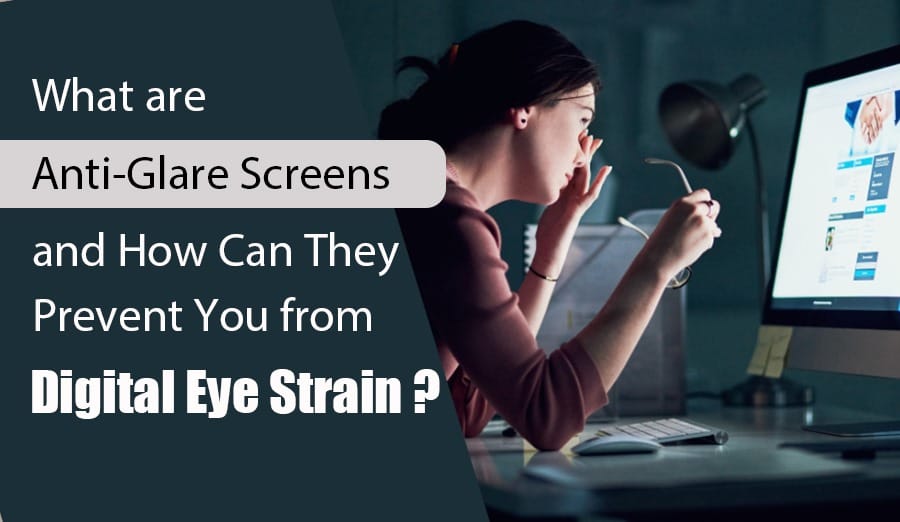
How to Protect Your Eyes by Anti Glare Screens?

Hello Reader!

Welcome to the blog page of Pushpanjali Eye Care, one of the best eye hospitals in Kolkata. 

In today’s digital age, our reliance on screens has increased exponentially, whether for work, education, or leisure. However, prolonged screen time can lead to a condition known as Digital Eye Strain (DES), characterized by symptoms like dry eyes, headaches, blurred vision, and neck or shoulder pain. At Pushpanjali Eye Care, one of the best eye hospitals in Kolkata, we understand the importance of preventing DES and promoting eye health through innovative solutions like anti-glare screens.

Understanding Anti-Glare Screens

best eye hospital in Kolkata, eye hospital in Kolkata


Anti-glare screens, also known as anti-reflective (AR) or glare-reducing screens, represent a technological innovation tailored for modern electronic devices such as computer monitors, laptops, tablets, and smartphones. These specialized overlays or coatings are meticulously engineered to minimize reflections and glare emanating from device screens. By effectively reducing the amount of light that reflects off the screen, anti-glare screens enhance visibility and reduce discomfort during prolonged use. This improvement in visual clarity is particularly beneficial in environments where ambient light sources or direct sunlight can create distracting reflections on the screen surface.

The design and application of anti-glare screens aim to optimize user experience by mitigating the visual strain caused by glare. By diminishing reflections, these screens help maintain screen clarity and improve readability, allowing users to engage with their devices for extended periods without experiencing significant eye fatigue. This technological advancement enhances comfort and supports long-term eye health by minimizing the need for excessive squinting or adjusting viewing angles, thereby promoting a more relaxed and productive digital experience.


How Anti-Glare Screens Help Prevent Digital Eye Strain

  1. Anti-glare screens are essential in combating Digital Eye Strain (DES) by addressing multiple factors contributing to eye discomfort during prolonged screen use. Firstly, these screens work by minimizing reflections and glare from device screens, significantly enhancing screen clarity and readability. This reduction in glare helps alleviate the strain on the eyes, reducing the need for them to exert excessive effort to focus on the screen.
best eye hospital in Kolkata, eye hospital in Kolkata


  1. Moreover, anti-glare screens enhance the contrast of the display, making text and images appear sharper and more distinct. By improving contrast, these screens reduce the necessity for users to squint or adjust their head positions to view content clearly, thereby minimizing potential strain on the neck and shoulder muscles.
  2. Additionally, many anti-glare screens are equipped with blue light filters. Blue light emitted from screens has been linked to disruptions in sleep patterns and increased eye fatigue. The incorporation of these filters helps diminish exposure to harmful blue light wavelengths, thus enhancing overall eye comfort and reducing the risk of long-term eye health issues.
  3. Furthermore, prolonged screen exposure often leads to dry eyes due to increased tear evaporation caused by intense screen light. Anti-glare screens aid in maintaining natural moisture levels in the eyes by moderating the intensity of light exposure, thereby mitigating the occurrence of dryness and associated discomfort.
  4. Together, these features make anti-glare screens indispensable in the prevention and management of Digital Eye Strain, ensuring a more comfortable and healthier digital viewing experience for users across various electronic devices.


Why Choose Pushpanjali Eye Care?

When you choose Pushpanjali Eye Care, recognized as a premier eye hospital in Kolkata, you opt for a commitment to proactive eye health. We prioritize preventive strategies such as advocating for the use of anti-glare screens to effectively alleviate the symptoms associated with Digital Eye Strain. Our team of expert ophthalmologists champions these screens as integral components of a holistic approach to maintaining optimal eye health. This approach includes regular eye examinations and ergonomic optimizations tailored to enhance workplace setups, ensuring comprehensive care that prioritizes your long-term visual well-being.

To know more visit here.

FAQ

  • What are anti-glare screens? 

Anti-glare screens, also known as anti-reflective or glare-reducing screens, are specialized overlays or coatings applied to electronic devices like computers, laptops, tablets, and smartphones. They work by minimizing reflections and glare from the screen surface.


  • How do anti-glare screens prevent Digital Eye Strain (DES)? 

Anti-glare screens enhance screen clarity and readability by reducing reflections and glare. This reduces the strain on your eyes, as you don’t have to exert as much effort to focus on the screen. It also helps in maintaining comfortable viewing conditions during extended screen use.


  • Do anti-glare screens improve contrast? 

Yes, anti-glare screens improve the contrast of the display, making text and images sharper and easier to view. This enhancement in contrast reduces the need for squinting and adjusting head positions, which can strain neck and shoulder muscles.


  • Do anti-glare screens protect against blue light? 

Some anti-glare screens come with blue light filters. Blue light emitted from screens can disrupt sleep patterns and cause eye fatigue. These filters help reduce exposure to harmful blue light, thereby improving overall eye comfort and reducing the risk of eye strain.


  • Can anti-glare screens help with dry eyes? 

Staring at screens for prolonged periods can lead to dry eyes due to increased tear evaporation. Anti-glare screens can contribute to maintaining natural moisture levels in the eyes by reducing the intensity of light that causes evaporation of tears, thus minimizing dry eye symptoms.


  • Are anti-glare screens suitable for all electronic devices? 

Yes, anti-glare screens are available for a wide range of electronic devices, including computers, laptops, tablets, and smartphones. They are designed to fit specific screen sizes and can be easily applied or installed as overlays or coatings.


Conclusion

Integrating anti-glare screens into your digital routine offers substantial benefits in mitigating Digital Eye Strain and fostering comprehensive eye health. At Pushpanjali Eye Care, we remain dedicated to enlightening our patients on the critical role of preventive measures and delivering tailored solutions for optimal eye care. We invite you to explore our trusted services as Kolkata’s foremost eye hospital, where our commitment to safeguarding your vision in the digital age is unwavering.

To delve deeper into safeguarding your eye health or to arrange a consultation, reach out to Pushpanjali Eye Care today. Let us partner with you in preserving your visual wellness for years to come.

The Importance of Ergonomic Screen Positioning of your eyes

Hello reader!

Welcome to the blog page of Pushpanjali Eye Hospital one of the best eye hospitals in Kolkata.

In today’s digital age, screens are ubiquitous, both at work and at home. However, prolonged exposure to screens can have detrimental effects on our eyes. Ensuring the right positioning of screens is a critical step to safeguarding your eye health. At Pushpanjali Eye Hospital, one of the best eye hospitals in Kolkata, we emphasize the importance of proper screen placement to prevent eye strain and other related issues.

The Importance of Screen Positioning

1. Reducing Eye Strain

Tired young office worker massaging his eyes

One of the most prevalent issues for individuals who spend long hours in front of screens is eye strain. When your screen is improperly positioned, your eyes have to exert extra effort to focus, leading to discomfort and fatigue. To alleviate eye strain, it is crucial to position your screen approximately 20-30 inches away from your eyes and at eye level. This setup ensures that your eyes maintain a natural and comfortable position, significantly reducing strain and enhancing overall visual comfort.

2. Preventing Dry Eyes

Extended periods of screen time can lead to a decrease in blink rate, which in turn causes dry eyes. Proper screen positioning can play a pivotal role in mitigating this issue. Ensure that your screen is slightly below eye level; this encourages a natural downward gaze, helping to keep your eyes partially closed and moist. At Pushpanjali Eye Hospital, we frequently encounter patients suffering from dry eye syndrome due to poor screen habits. We emphasize the importance of correct screen positioning to help maintain eye moisture and prevent dryness.

3. Minimizing Glare and Reflections

Glare from screens can cause significant discomfort and visual disturbances, making it harder to focus and increasing eye strain. To minimize glare, position your screen at a right angle to light sources, such as windows or overhead lights. Additionally, consider using anti-glare screen protectors to further reduce glare and enhance visual comfort. As one of the best eye hospitals in Kolkata, Pushpanjali Eye Hospital advocates for these simple adjustments to reduce glare, improve screen visibility, and protect your eyes from unnecessary strain.


Tips for Optimal Screen Positioning

1. Adjust Your Screen Height

Shocked woman at work looking at computer with copy space

Your screen should be positioned so that the top of the monitor is at or slightly below eye level. This encourages a slight downward gaze, reducing the risk of neck strain and promoting a natural head position.

2. Maintain Proper Distance

Keep your screen at an arm’s length away (about 20-30 inches). This distance helps reduce the effort your eyes need to focus on the screen. If you find yourself leaning forward to read text, consider increasing the font size rather than moving closer to the screen.

3. Position Your Screen to Avoid Reflections

Ensure your screen is placed to avoid reflections from windows and lights. Adjusting the angle of your screen or using shades and blinds can help control natural light and reduce glare. This setup can significantly enhance visual comfort and productivity.

4. Use Proper Lighting

Medium shot woman working late at night

The lighting in your workspace plays a crucial role in reducing eye strain. Avoid placing your screen directly in front of or behind a window, as the contrast between the screen and natural light can strain your eyes. Instead, use adjustable task lighting and dim overhead lights to create a balanced environment.

5. Take Regular Breaks

No matter how well your screen is positioned, taking regular breaks is essential. Follow the 20-20-20 rule: every 20 minutes, take a 20-second break and look at something 20 feet away. This practice helps relax your eye muscles and reduce fatigue.

The Role of Pushpanjali Eye Hospital in Eye Health

At Pushpanjali Eye Hospital, a leading eye hospital in Kolkata, we understand the significant impact screen time can have on eye health. Our experienced ophthalmologists provide comprehensive eye care, including guidance on proper screen usage and positioning. Regular eye check-ups are essential for early detection and management of any eye-related issues caused by prolonged screen exposure.

FAQ

1. Why is the correct screen positioning important for my eyes?

Correct screen positioning is essential to reduce eye strain and discomfort. When your screen is at the right height and distance, your eyes don’t have to work as hard to focus, preventing fatigue and potential long-term vision issues. This helps maintain optimal eye health and enhances overall productivity.

2. What is the ideal distance for my screen to reduce eye strain?

The ideal distance for your screen is about 20-30 inches from your eyes, roughly an arm’s length away. This distance helps your eyes focus more comfortably and reduces the risk of strain. If you find yourself leaning forward, consider adjusting the font size rather than moving closer to the screen.

3. How should my screen be positioned to prevent dry eyes?

To prevent dry eyes, position your screen slightly below eye level. This encourages a natural downward gaze, which helps keep your eyes partially closed and reduces the evaporation of tears. Proper screen height and angle can significantly alleviate dryness and discomfort.

4. What role does screen angle play in reducing glare and reflections?

Screen angle is crucial in minimizing glare and reflections, which can strain your eyes. Position your screen at a right angle to light sources like windows and overhead lights. Using anti-glare screen protectors and adjusting the screen tilt can further enhance visual comfort and reduce eye strain.

5. How can regular breaks complement proper screen positioning for eye health?

Regular breaks are vital, even with optimal screen positioning. Following the 20-20-20 rule—every 20 minutes, look at something 20 feet away for 20 seconds—helps relax your eye muscles and reduces fatigue. Combining proper screen positioning with regular breaks ensures comprehensive protection for your eyes.

Conclusion

Proper screen positioning is a simple yet effective way to protect your eyes from the adverse effects of prolonged screen time. By following these guidelines, you can create a more comfortable and eye-friendly workspace. At Pushpanjali Eye Hospital, one of the best eye hospitals in Kolkata, we are committed to helping you maintain optimal eye health through expert advice and quality eye care services. Visit us to learn more about how to protect your eyes in today’s digital world.

How Natural Light is Good for Eye Health?

Hello Reader!

Welcome to the blog page of Pushpanjali Eye Hospital one of the best eye hospitals in Kolkata. 

In our modern world, where artificial lighting and digital screens dominate our daily lives, the significance of natural light for maintaining eye health is often overlooked. At Pushpanjali Eye Hospital, one of the best eye hospitals in Kolkata, we emphasize the importance of natural light for optimal eye health and overall well-being. Let’s explore why and how natural light benefits our eyes and what steps you can take to ensure you’re getting enough of it.

 1. The Benefits of Natural Light for Eye Health

Reduces Eye Strain

best eye hospital in Kolkata, eye hospital in Kolkata

Exposure to natural light significantly alleviates eye strain, which is a common issue in today’s digital age. Artificial lighting, particularly from screens, can lead to eye fatigue, discomfort, and headaches due to its unbalanced and intense nature. In contrast, natural light provides a more balanced spectrum that is gentler on the eyes. This reduces the symptoms associated with prolonged exposure to artificial light sources. At Pushpanjali Eye Hospital, an eye hospital in Kolkata, we advocate for regular breaks from screen time and encourage spending more time outdoors. This simple practice helps mitigate the adverse effects of continuous screen exposure, promoting overall eye comfort and health.

  2. Improves Mood and Sleep Patterns

Portrait of young woman smiling in bed

Natural light is a vital component in regulating our circadian rhythms—the internal clock that governs our sleep-wake cycles. Exposure to natural light during the day not only boosts mood and energy levels but also ensures better sleep quality at night. A well-regulated sleep pattern is crucial for maintaining healthy eyes, as restful sleep allows for proper eye restoration and function. By incorporating more natural light into your daily routine, you can enhance both your mental well-being and your eye health. As an eye hospital in Kolkata, Pushpanjali Eye Hospital highlights the importance of natural light in fostering a holistic approach to eye care.

   3. Prevents Myopia in Children

Research indicates that children who spend ample time outdoors in natural light have a lower risk of developing myopia (nearsightedness). The bright light found outdoors helps the eyes maintain proper focus and prevents the elongation of the eyeball—a primary cause of myopia. Encouraging children to engage in outdoor activities not only promotes their overall physical health but also supports their visual development. This proactive measure is a simple yet effective strategy to foster a healthy vision in the younger generation.


    4. Enhances Visual Performance

Flat-hand drawn microblading illustration with women

Natural light delivers a full spectrum of colors, enhancing the eyes’ ability to distinguish between different shades with greater accuracy. This improved color perception and clarity are crucial for performing tasks that require fine detail and precise color differentiation. Ensuring that your workspaces and living areas are well-lit with natural light can significantly enhance visual comfort and efficiency. By optimizing these environments, you can reduce eye strain and boost productivity, leading to better overall eye health.


How to Incorporate More Natural Light into Your Daily Routine

  1. Spend Time Outdoors
    The easiest way to benefit from natural light is to spend more time outside. Aim for at least 30 minutes to an hour of outdoor activity each day. Whether it’s a walk in the park, a morning jog, or simply relaxing in your garden, these activities can provide your eyes with the natural light they need.
  2. Optimize Your Living and Working Spaces
    Ensure that your home and office have plenty of natural light. Arrange your furniture to maximize exposure to windows and use light-colored paint and reflective surfaces to enhance the effect of natural light. Skylights and larger windows can also be great additions to any space to allow more sunlight in.
  3. Take Regular Breaks from Screens
    The 20-20-20 rule is a simple yet effective way to reduce eye strain from screens. Every 20 minutes, take a 20-second break and look at something 20 feet away. If possible, do this near a window to get a dose of natural light during your break.
  4. Use Natural Light in Your Work Routine
    Whenever possible, try to work near a source of natural light. Position your desk by a window and use natural daylight for reading and other detailed tasks. This reduces dependence on artificial lighting and provides a more comfortable visual environment.
  5. Install Blinds or Curtains to Control Glare
    While natural light is beneficial, direct sunlight can sometimes cause glare. Use blinds or curtains to diffuse the light and prevent harsh reflections on screens and other surfaces. This ensures a balanced and comfortable level of natural light in your spaces.

FAQs

1. How does natural light reduce eye strain compared to artificial light?

Answer: Natural light is more balanced and easier on the eyes compared to artificial light, especially from screens. Artificial lighting often causes eye fatigue, discomfort, and headaches due to its intensity and imbalance. Natural light, on the other hand, provides a full spectrum of colors that are gentle on the eyes, reducing the symptoms of eye strain and improving overall comfort.

2. In what ways does natural light improve mood and sleep patterns?

Answer: Natural light plays a crucial role in regulating our circadian rhythms, which control our sleep-wake cycles. Exposure to natural light during the day enhances mood and energy levels, leading to better sleep at night. Improved sleep quality is essential for maintaining healthy eyes, as it allows for proper rest and recovery, reducing the risk of eye fatigue and discomfort.

3. Can natural light help prevent myopia in children?

Answer: Yes, studies have shown that children who spend more time outdoors in natural light are less likely to develop myopia (nearsightedness). The bright outdoor light helps maintain proper focus and reduces the elongation of the eyeball, a primary cause of myopia. Encouraging outdoor activities for children is an effective way to promote healthy vision and prevent myopia.

4. How does natural light enhance visual performance?

Answer: Natural light provides a full spectrum of colors, helping the eyes distinguish between different shades more accurately. This enhances visual performance, making it easier to perform tasks that require fine detail and color differentiation. Ensuring that workspaces and living areas have ample natural light can significantly improve visual comfort, reducing eye strain and enhancing productivity.

5. What are some practical ways to increase exposure to natural light for better eye health?

Answer: To increase exposure to natural light, spend more time outdoors, especially during daylight hours. Optimize your living and working spaces by arranging furniture to maximize exposure to windows, using light-colored paint and reflective surfaces, and installing skylights or larger windows. Additionally, taking regular breaks from screens and following the 20-20-20 rule—every 20 minutes, look at something 20 feet away for 20 seconds—can help mitigate the effects of prolonged artificial light exposure.

Conclusion

Incorporating natural light into your daily routine is a simple yet effective way to enhance your eye health. At Pushpanjali Eye Hospital, one of the best eye hospitals in Kolkata, we understand the critical role that natural light plays in maintaining healthy vision. By spending more time outdoors, optimizing your living and working spaces, and taking regular breaks from screens, you can significantly reduce eye strain and promote overall eye health. Trust Pushpanjali Eye Hospital, the leading eye hospital in Kolkata, to provide expert advice and comprehensive eye care to keep your vision sharp and healthy.