Prime Eyesight Hospital Near Me Golpark-Gariahat,Kolkata 700029

|

Prime Eyesight Hospital Near Me Baguihati, Vip Road, Kolkata 700059

Best Eye Care Kolkata West Bengal All cashless facilities and West Bengal health scheme available. Top Eye Hospital In Kolkata
Best Eye Care Kolkata

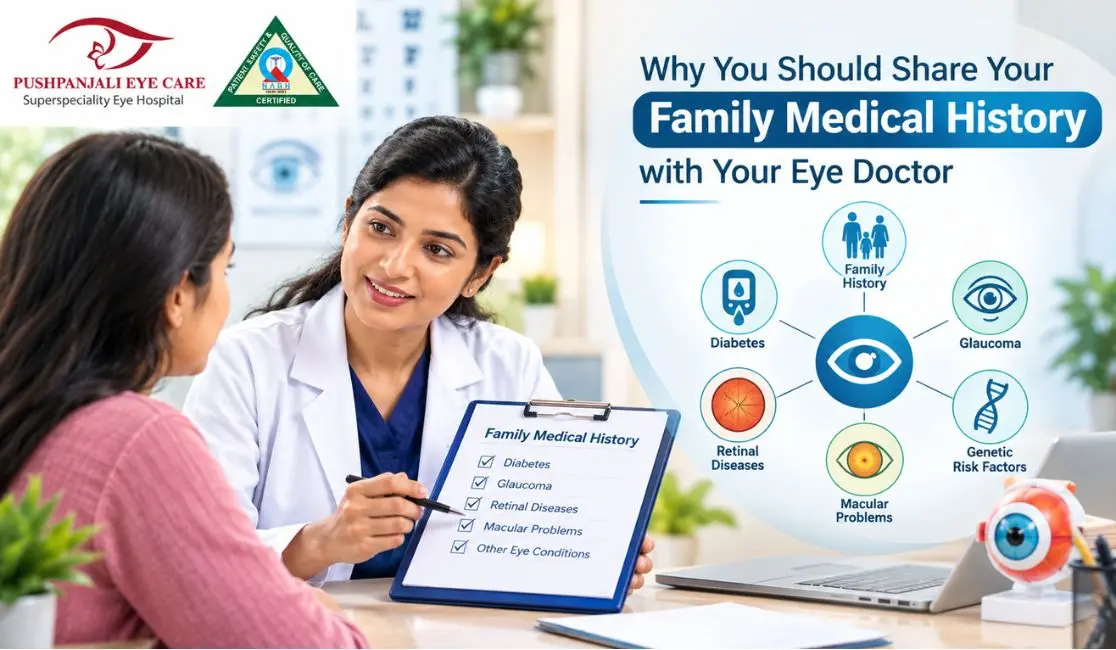
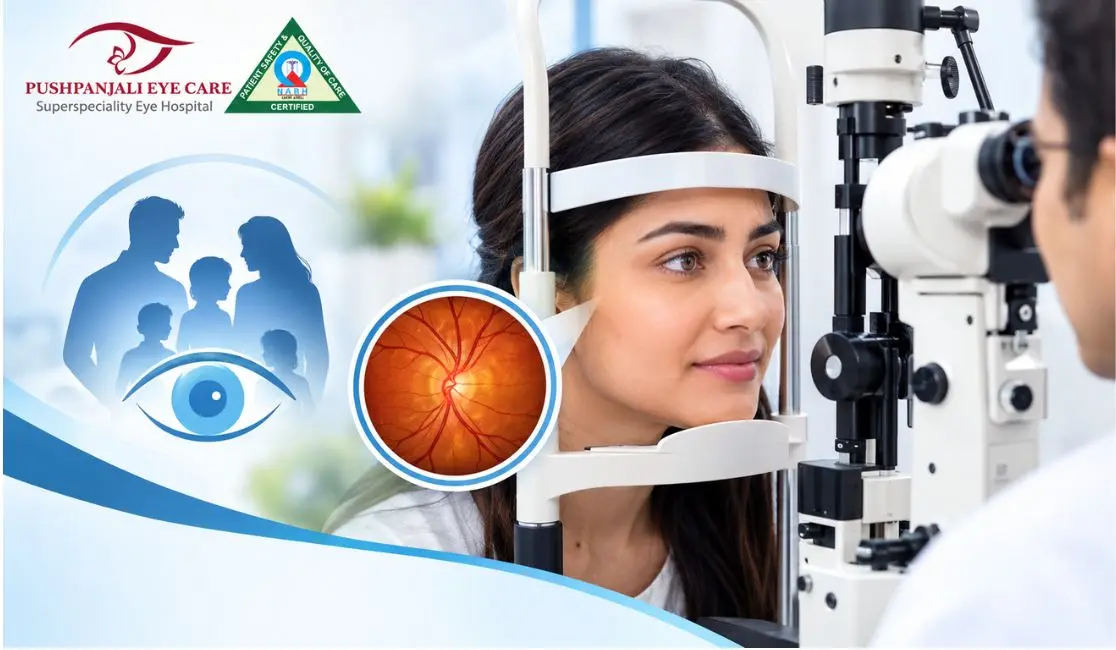
Why You Should Share Your Family Medical History with Your Eye Doctor

Your family’s medical history might be able to speak volumes about you even before your eyes do. Diabetes, glaucoma, and retinal diseases can sometimes have hereditary roots. By telling this history to a retina specialist in Kolkata, you will allow your eye doctor to learn about you better and treat your eye ailments accordingly.

While your eyes might feel completely healthy, some eye problems can come on very gradually without you even realizing there is a problem. Learning about the state of your own health as well as the eye conditions of any of your close family members can assist your physician in determining potential risk factors as well as what areas of an eye exam need to be focused on.

Various Reasons You Should Share Your Family Medical History with Your Eye Doctor

The medical background of your family can also provide helpful information about the status of your eyes. This is because some eye diseases and other health issues can be hereditary in nature; thus, it will be helpful to disclose this information to your eye specialist.

• Family history can reveal eye health risks.

Information related to your family’s medical history can be very helpful for your ophthalmologist. Various medical conditions like glaucoma, cataracts, retina-related problems, and certain forms of visual impairment might run in your family. Your physician needs to be aware of this information when performing eye examinations.

• Tell your doctor about retinal conditions.

Some retinal conditions could be hereditary at times. If you have any such retinal problems in your family, it is important to inform your ophthalmologist about it. At an eye hospital in Kolkata, such information will be helpful in understanding the retinal health status of your family.

• Share details about diabetes.

It is possible for diabetes to damage the tiny blood vessels of the retina, which could result in diabetic retinopathy. If you have a history of diabetes in the family, it is important that you mention this to the doctor during your visit to the eye clinic.

• Update your medical history regularly.

Your family’s medical history may vary due to the emergence of new diseases among your relatives. You should try to keep your data updated for visits to the eye doctor. In case you visit an ophthalmologist in Kolkata, it will be useful for you.

• Discuss any history of macular problems.

The macula is a tiny area of the retina involved in the visual acuity of our eyes. Macular disorders can sometimes be genetically predisposed. Mention your family history of macular issues related to aging or genetics when you undergo your eye check-up.

• Keep track of your parents’ eye health.

Your parents can give relevant information regarding any illnesses that may be genetic in nature. They can reveal if they have had any surgeries done to their eyes or any other problems like glaucoma, cataracts, or retinal diseases.

• Do not ignore early family health patterns.

You might be unsure of the name of the eye disease your relative had. This is all right. Give any information that you have, like how old your relative was at the onset and whether any medical attention was sought. The doctor will determine which information is important.

Conclusion

The sharing of the medical history of your family provides your eye doctor with a better perspective regarding the risks involved. Even the smallest bit of information concerning any eye ailments that run in your family is helpful.
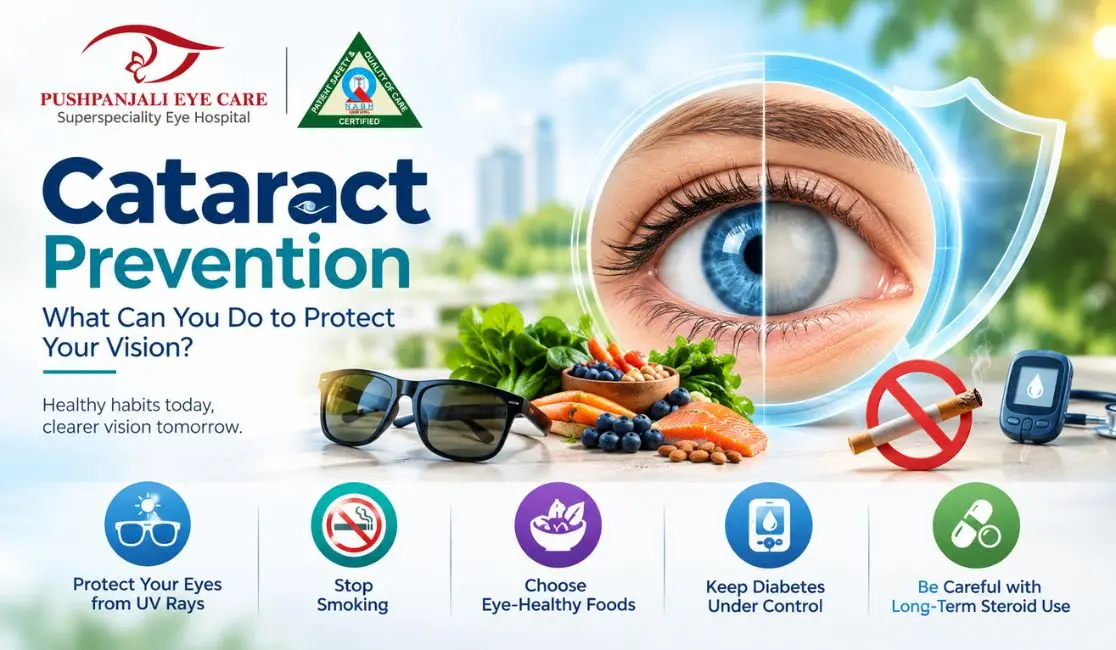
Cataract Prevention: What Can You Do to Protect Your Vision?

Clear vision is a dream for everyone and a sign of a healthy lifestyle. However, sudden eye problems can significantly affect your lifestyle. If you have trouble driving at night or notice faded colors, it may indicate a significant eye-related problem. Sometimes these are the early signs of cataract development. A cataract mainly occurs when the eye’s natural lens gradually becomes cloudy and affects the way light reaches the retina.

Among the variety of factors, aging is one of the most common causes of cataracts. Apart from aging, prolonged sun exposure, smoking, diabetes, previous eye injury, and certain medications also increase the risk of cataracts. Indeed, you cannot completely prevent cataracts; however, with the most efficient cataract surgery in Kolkata, you can safeguard your eye health and improve vision.

Now let’s explore this blog to ascertain how to prevent cataracts and what you can do to protect your vision.

Why Does the Eye’s Lens Become Cloudy?

Your natural eye lens acts as a clear window. Its job is to help focus light onto the retina so that you can see clearly. With age, proteins within the lens can gradually break down and clump together. This can make the lens cloudy and lead to cataracts. When cataracts progress, you may notice some visible changes in your eye health, such as-

• Blunt vision

• Difficulty seeing at night

• Eye sensitivity to bright light

• Glare or halos around headlights

• Color appearing faded

• Double vision in many cases

• Changes in glasses prescription

These symptoms do not mean your eye contains cataracts. Other eye conditions can also affect cataracts, so an eye examination is important.

Can Cataracts Really Be Prevented?

There is no guaranteed way to prevent age-related cataracts. Some risk factors, such as aging and genetics, are out of your control in cases of cataract treatment. Effective LASIK eye surgery in Kolkata can protect your eyes from cataracts, but healthy habits and proper eye protection can also help protect your eye health. Let’s discuss some healthy habits which can safeguard your eyes from cataracts.

1. Protect your eyes from UV rays

Your eyes need adequate protection from scorching heat. Long-term exposure to ultraviolet radiation can increase the risk of cataracts. However, sunglasses can block 99-100% of UV rays, protecting your eyes from harmful UV exposure. For daily protection, choose sunglasses with reliable UV protection, and try to wear them when you are outdoors.

2. Stop smoking

Smoking not only affects your lungs and heart but also affects your eyes. If you smoke, it can drastically increase the risk of cataracts. Quitting smoking is a reliable option to safeguard your eye health from cataracts. Try to change your smoking habit to enhance a healthy lifestyle.

3. Give your plate some eye-friendly variety

No single food can prevent cataracts. However, a balanced, nutrient-rich diet can support your eye health and safeguard your vision. Dark leafy green vegetables and omega-3 fatty acids can be eye-friendly additions to your diet. Adding more colorful vegetables to your diet can benefit your eyes.

4. Keep diabetes under control

Your overall eye health is closely connected with diabetes. Diabetes is a critical risk factor for cataracts. If you have diabetes, try to work closely with healthcare professionals to manage glucose levels, which can affect cataracts.

5. Be careful with long-term steroid use

Certain steroid medications are closely associated with cataract risk. This does not mean you should stop consuming prescribed medicine on your own. If you use steroid medication for a long period, speak with your eye specialist at the best eye hospital in Kolkata about your cataract-related eye risk.

Conclusion

Cataract surgery mainly involves removing the cloudy natural lens and replacing it with an artificial lens. However, it is not the only way to prevent cataracts. You can reduce your risk of cataracts by maintaining a healthy lifestyle. At Pushpanjali Eye Care, you can experience the most advanced diagnostics and trusted cataract surgery. Contact us through our website to book an appointment.

Glaucoma and Family History: Should You Get Your Eyes Checked?

When talking about eye health, family history matters a lot. If a parent, sibling, or close family member has been diagnosed with glaucoma, it may be a valid reason to pay serious attention to your own eye health. Glaucoma is often called a ‘silent’ eye disease because it can gradually develop without showing any visible symptoms at the early stage.

Over time, a person may notice major changes in peripheral vision, and significant damage may have already occurred.

However, early detection by the top Glaucoma Specialist in Kolkata and a proper eye test can safeguard your vision. Based on your eye health, past medical history, and the condition of the optic nerve, a doctor can recommend the best treatment for glaucoma and protect your eye health from further damage.

Now let’s explore this blog to ascertain the connection between glaucoma and family history and when you should opt for an eye check-up.

What Is Glaucoma?

Glaucoma mainly refers to a group of eye conditions that can damage the optic nerve, which carries visual information from the eye to the brain. In many cases, glaucoma is associated with intraocular pressure, which occurs when fluid inside the eye does not drain properly.

However, if eye pressure stays within a normal range, glaucoma can still develop. Because glaucoma progresses slowly, it may not show any specific symptoms at first. However, regular eye examinations are vital to detect glaucoma at an early stage.

Why Family History Matters So Much for Glaucoma

Several factors, such as eye pressure, genetics, aging, or certain health conditions, mainly influence glaucoma. Family history plays a vital role in an individual’s risk for glaucoma. If the ophthalmologist knows that you have a certain glaucoma history in your family, they may recommend closer and more frequent monitoring of your eye health.

Based on your age, risk factors, and overall eye health, ophthalmologists recommend a comprehensive eye exam for glaucoma detection. That’s why, rather than waiting for blurry vision or other noticeable changes, if you have a family history of glaucoma, consider an early eye checkup.

Is High Eye Pressure the Same as Glaucoma

Not necessarily; high eye pressure is not the same as glaucoma. High intraocular pressure can increase the risk of glaucoma, but some people with elevated eye pressure may not have glaucoma. However, some people experience glaucoma when their eye pressure is in the normal range. That’s why regular eye checkups are necessary to understand whether you are at risk for glaucoma.

A top ophthalmologist in Kolkata needs to consider optic nerve condition, visual field, eye structure, and family history before recommending glaucoma-related eye treatment.

When Should You Get Your Eyes Checked?

A single eye examination may not be suitable for glaucoma detection in all age groups. For adults without any glaucoma risk factors, a general eye examination is appropriate. People with risk factors such as a family history of glaucoma may need frequent eye examinations to ascertain the glaucoma condition.

According to the National Eye Institute, people with a family history of glaucoma are at high risk and should receive comprehensive eye evaluations. If glaucoma runs in your family history, do not wait until symptoms appear to visit an eye specialist.

Glaucoma Risk Factors to Know

Apart from family history, there are plenty of risk factors that can cause glaucoma. Depending on the type of glaucoma, risk can be associated with-

• Age

• Elevated intraocular pressure

• Diabetes

• High myopia

• Previous eye injury

• Other individual medical history.

Having more than one risk factor can automatically increase the glaucoma risk. Thus, frequent eye checkups with the support of the best eye hospital in Kolkata are essential for early detection and top-notch glaucoma treatment.

Conclusion

Hearing that glaucoma runs in your family can sometimes be a worry. However, with proper and regular eye checkups, you can protect your vision from eye damage. At Pushpanjali Eye Hospital, you can consult experienced eye specialists for glaucoma treatment and receive expert advice.

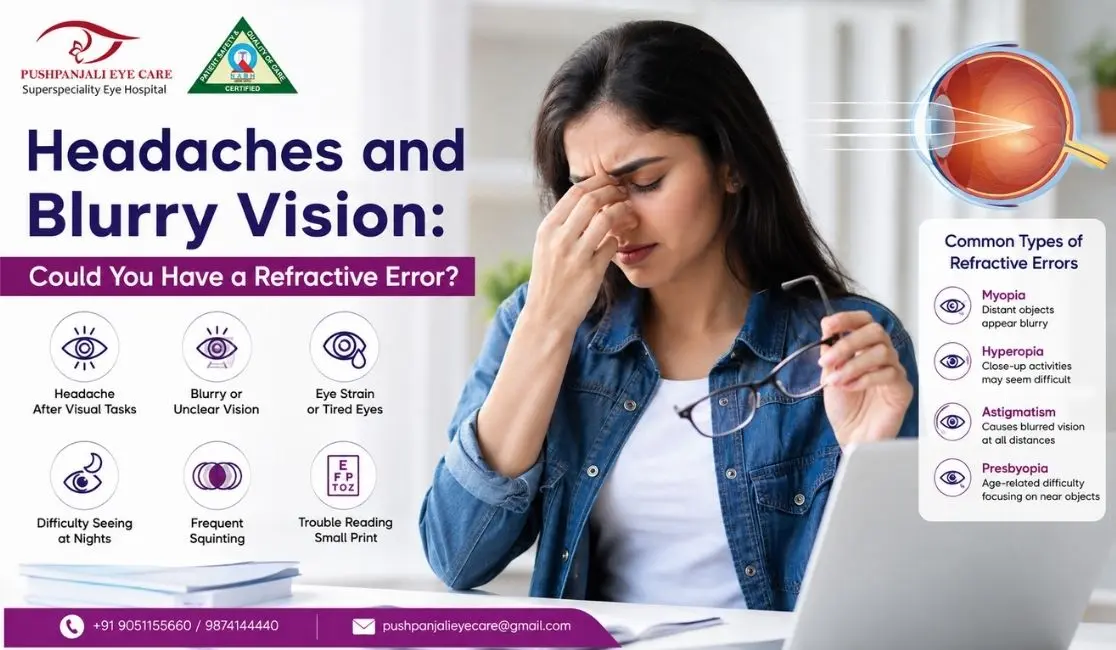
Headaches and Blurry Vision: Could You Have a Refractive Error?

Have you ever experienced frequent headaches after reading or spending long periods on screens? You may also notice that words sometimes look blurry; you may not see objects clearly, or you may find yourself squinting for clear vision. You may think all of these symptoms happen due to stress, lack of sleep, or too much screen time. However, frequent headaches and blurry vision sometimes appear together, and your eyes may be trying to tell you something.

Among all possible reasons, refractive error can be a possible factor for vision-related discomfort. Refractive errors are among the most common vision problems that affect children, young adults, and other people. However, the good news is that refractive error can be identified through a detailed eye check-up with the support of the best eye hospital in Kolkata, which can support you with the right vision correction.

In this blog, we will discuss how refractive error affects you and how headaches and blurry vision indicate a severe eye problem.

What Is a Refractive Error?

A refractive error occurs when the eye does not focus light properly on the retina. It can happen because of differences in the shape or length of the eye. When the light does not focus correctly, it results in blurred or distorted vision. Let’s discuss common types of refractive errors in detail-

1. Myopia– Distant objects can appear blurry, while nearby objects are easily visible.

2. Hyperopia– Close-up activities such as reading a book may seem difficult.

3. Astigmatism– Irregular curvature of the cornea can cause blurred vision at different distances.

4. Presbyopia– This age-related change makes it difficult to focus on nearby objects; basically, it happens during reading

Vision changes may seem minor at first, but giving extra effort to see simple things can sometimes contribute to eye strain and headaches.

Signs You Should Pay Attention to for Refractive Error

Not every headache resembles refractive errors. However, there are certain patterns that you should notice. At such moments, a thorough eye examination can help you identify the problem associated with refractive error.

1. Blurry vision

Objects may look unclear, hazy, or out of focus at a distance or close up.

2. Headache after visual tasks

If headaches tend to appear after reading, studying, or using screens, visual strain can become a critical problem. Sometimes frequent headaches resemble cataracts, and you must have a clear idea about cataract surgery cost in Kolkata to get the best treatment.

3. Frequent squinting

Do you find yourself narrowing your eyes to read a sign, recognize a face, or see something clearly? Squinting can sometimes be a sign that your vision needs correction.

4. Eye strain or tired eyes

Your eyes may feel tired and uncomfortable after prolonged visual screen time.

5. Difficulty seeing at nights

Some people with refractive errors may find nighttime vision more challenging, particularly while dealing with light or bright headlights.

6. Having trouble reading small print

If you have trouble reading small print, it may indicate presbyopia or other vision-related issues.

What Can You Do If You Have a Refractive Error?

Suppose you are experiencing vision-related discomfort and searching Google for a good eye specialist near you. In that case, you can expect a professional, expert solution based on your refractive error and overall eye health.

1. Prescription eyeglasses

Properly prescribed glasses are effective in improving clarity and reducing visual effects.

2. Contact lenses

Some people prefer contact lenses for lifestyle or cosmetic purposes. An experienced and highly skilled eye specialist can determine whether you are suitable for contact lenses.

3. Refractive surgery

Eligible people who want to reduce their dependence on glasses or contact lenses can consider refractive procedures such as LASIK. An experienced ophthalmologist can evaluate your eyes and discuss the potential benefits and limitations before recommending any surgical procedure.

Conclusion

Taking care of your eyes in case of any discomfort must be a serious task. If headache and blurry vision have become a regular part of your day, try to visit an experienced eye specialist to get expert advice. At Pushpanjali Eye Care Hospital, you can access dedicated eye care services, including refractive error management. Our experienced ophthalmology professionals focus on personalized care and appropriate diagnostic treatment based on your vision health.

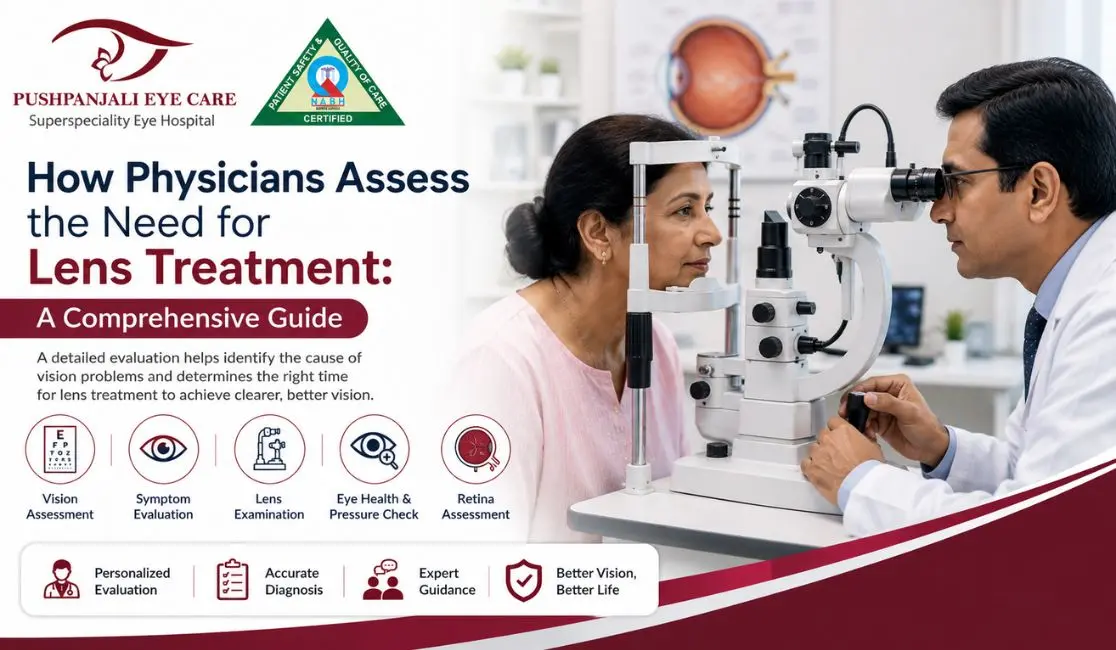
How Physicians Assess the Need for Lens Treatment: A Comprehensive Guide

The clarity of vision can gradually deteriorate, just as a window pane gets blurry over time. However, when a patient begins experiencing problems such as blurred vision, excessive glare, difficulty in reading, or night vision issues, the doctor tries to find out what is really going on in the eye of that particular patient. Of course, there could be considerations regarding cataract surgery cost in Kolkata, but that comes later. First, the doctor makes sure whether the cataract is really the cause of such vision problems.

The evaluation is important for the physician to understand more about the lens and general health of the eye, as well as the advantages of treatment. The examination includes visual acuity tests, symptom analysis, medical history, special evaluation of the lens, eye pressure measurement, and sometimes examination of the retina. Treatment is considered when problems with vision become serious enough to interfere with everyday activities, and surgery will improve your vision.

Various Ways Physicians Assess the Need for Lens Treatment

In case of any eye problems, such as blurred or irritated vision, the treatment process is not solely based on eye chart readings. Physicians take into consideration your symptoms, eyes, personal life, and the effect of vision changes on everyday tasks.

• Starts with your vision problems

The first thing to do is to have a discussion about your experiences. Blurry vision, too much glare, washed-out colors, difficulties in reading or seeing at night, etc., can be some clues. A small change may not need any attention; however, difficulties in vision that interfere with routine activities need to be noticed.

• Reviews treatment options with you

Lens treatment is not always associated with instant surgical intervention. According to your condition and the effect that it can have, the eye doctor can prescribe either observation or new glasses, treatment for other diseases, or surgery. The best eye specialist in Kolkata will tell you why this particular approach suits you better than others.

• Measures visual acuity

While you are testing your vision through the eye chart during the eye examination, your doctor will assess your visual acuity at various distances. But the number that appears in the eye chart does not necessarily tell all there is to know about your visual ability. There are instances when you are able to read all the letters perfectly on the eye chart, yet your vision suffers at night and when there is glaring light from headlights.

• Make the decision based on the whole picture.

In essence, it boils down to taking into account all the above, together with your symptoms, examination results, eye health, lifestyle, and possible outcomes from the treatment. If you are considering undergoing an eye examination at an eye care hospital in Kolkata, make sure the evaluation process is comprehensive, and the discussion is personalized to your needs.

• Checks for cataract development

Cataracts generally develop gradually, and the affected person may be unaware that their vision has become impaired over time. In the development of cataracts, the patient may fail to be aware of the extent of the deterioration in their vision. Cataracts are detected by healthcare providers through the location and extent of clouding in the lens of the eye. They also use the information provided by the patient about their symptoms to make an assessment.

Conclusion

Deciding on lens treatment begins with knowing what is affecting your vision and to what extent. A comprehensive eye exam enables physicians to know the underlying cause, determine the state of your eyes, and recommend treatment if there are sufficient benefits for you.

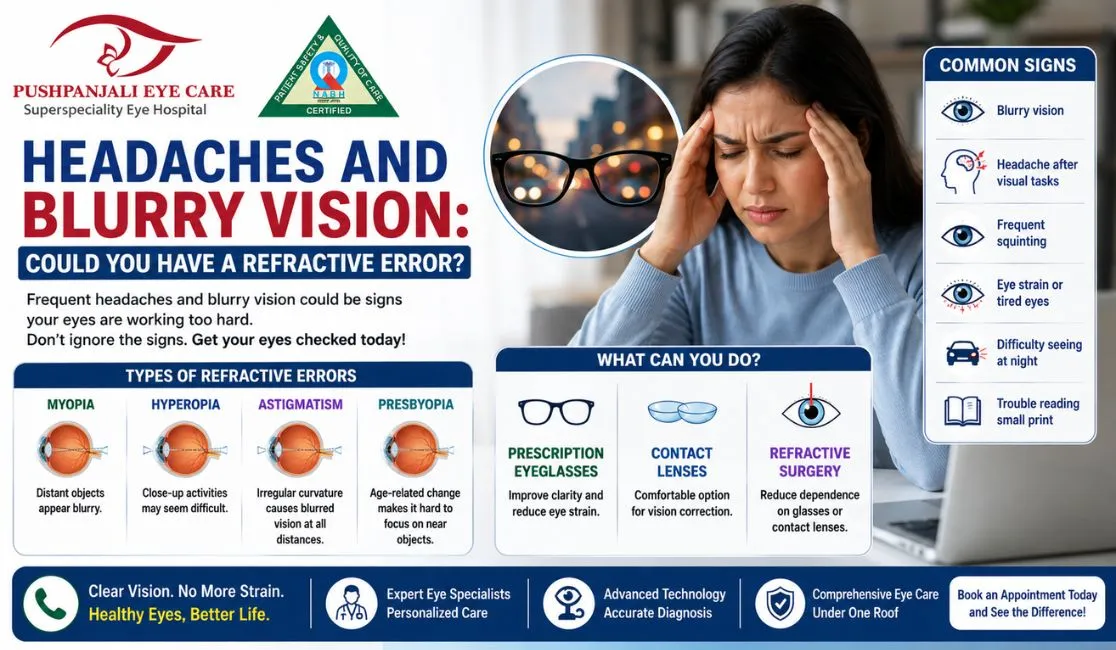
Headaches and Blurry Vision: Could You Have a Refractive Error?

Have you ever experienced frequent headaches after reading or spending long periods on screens? You may also notice that words sometimes look blurry; you may not see objects clearly, or you may find yourself squinting for clear vision. You may think all of these symptoms happen due to stress, lack of sleep, or too much screen time. However, frequent headaches and blurry vision sometimes appear together, and your eyes may be trying to tell you something.

Among all possible reasons, refractive error can be a possible factor for vision-related discomfort. Refractive errors are among the most common vision problems that affect children, young adults, and other people. However, the good news is that refractive error can be identified through a detailed eye check-up with the support of the best eye hospital in Kolkata, which can support you with the right vision correction.

In this blog, we will discuss how refractive error affects you and how headaches and blurry vision indicate a severe eye problem.

What Is a Refractive Error?

A refractive error occurs when the eye does not focus light properly on the retina. It can happen because of differences in the shape or length of the eye. When the light does not focus correctly, it results in blurred or distorted vision. Let’s discuss common types of refractive errors in detail-

  1. Myopia- Distant objects can appear blurry, while nearby objects are easily visible.
  2. Hyperopia– Close-up activities such as reading a book may seem difficult.
  3. Astigmatism- Irregular curvature of the cornea can cause blurred vision at different distances.
  4. Presbyopia– This age-related change makes it difficult to focus on nearby objects; basically, it happens during reading

Vision changes may seem minor at first, but giving extra effort to see simple things can sometimes contribute to eye strain and headaches.

Signs You Should Pay Attention to for Refractive Error

Not every headache resembles refractive errors. However, there are certain patterns that you should notice. At such moments, a thorough eye examination can help you identify the problem associated with refractive error.

Blurry vision

Objects may look unclear, hazy, or out of focus at a distance or close up.

Headache after visual tasks

If headaches tend to appear after reading, studying, or using screens, visual strain can become a critical problem. Sometimes frequent headaches resemble cataracts, and you must have a clear idea about cataract surgery cost in Kolkata to get the best treatment.

Frequent squinting

Do you find yourself narrowing your eyes to read a sign, recognize a face, or see something clearly? Squinting can sometimes be a sign that your vision needs correction.

Eye strain or tired eyes

Your eyes may feel tired and uncomfortable after prolonged visual screen time.

Difficulty seeing at nights

Some people with refractive errors may find nighttime vision more challenging, particularly while dealing with light or bright headlights.

Having trouble reading small print

If you have trouble reading small print, it may indicate presbyopia or other vision-related issues.

What Can You Do If You Have a Refractive Error?

Suppose you are experiencing vision-related discomfort and searching Google for a good eye specialist near you. In that case, you can expect a professional, expert solution based on your refractive error and overall eye health.

Prescription eyeglasses

Properly prescribed glasses are effective in improving clarity and reducing visual effects.

Contact lenses

Some people prefer contact lenses for lifestyle or cosmetic purposes. An experienced and highly skilled eye specialist can determine whether you are suitable for contact lenses.

Refractive surgery

Eligible people who want to reduce their dependence on glasses or contact lenses can consider refractive procedures such as LASIK. An experienced ophthalmologist can evaluate your eyes and discuss the potential benefits and limitations before recommending any surgical procedure.

Conclusion

Taking care of your eyes in case of any discomfort must be a serious task. If headache and blurry vision have become a regular part of your day, try to visit an experienced eye specialist to get expert advice. At Pushpanjali Eye Care Hospital, you can access dedicated eye care services, including refractive error management. Our experienced ophthalmology professionals focus on personalized care and appropriate diagnostic treatment based on your vision health.

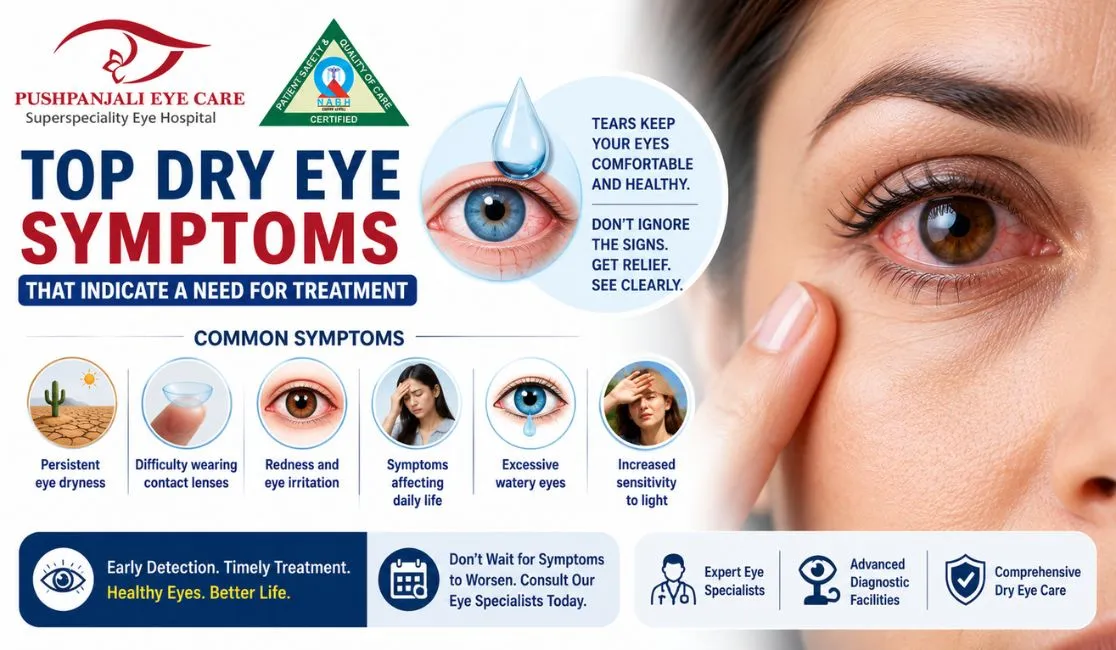
Top Dry Eye Symptoms That Indicate a Need for Treatment

Your eyes tend to give out subtle indications whenever there is something not right. This may be a slight burning sensation, a gritty feeling, or even blurriness in your vision that can be smoothly brushed aside but is a sure sign that you could be suffering from dry eyes. When it comes to conditions like cataracts, which require treatment via cataract surgery in Kolkata, vision correction takes priority.

Dry eye is a condition where there isn’t sufficient production of tears by the eyes, or there is an evaporation of tears at a quick pace. With insufficient moisture in the eyes, the surface becomes irritated, making it difficult to do activities such as reading and driving. It is important to know the symptoms of dry eye syndrome.

Various Top Dry Eye Symptoms That Indicate a Need for Treatment

The signs of dry eye syndrome may affect you long before it turns into something serious. Irritation, redness, tearing, and blurry vision may be indications that your eyes require attention. Early detection ensures your eye safety.

Persistent eye dryness

Have you ever experienced uneasiness due to your tired eyes despite having had some rest? This uneasiness can arise out of dryness. It indicates that your eyes may not be producing an adequate number of tears, or the tears produced are evaporating very fast. If you have been experiencing dryness and tiredness frequently, it is a clear indication for you to take heed.

Difficulty wearing contact lenses

For the proper wearing of contacts, the tear film must be in a healthy condition. If you feel that your lenses are irritating, dry, and difficult to wear for prolonged periods of time, you may suffer from dry eye syndrome. This ailment causes pain and irritation, which makes wearing contacts uncomfortable. It is suggested to consult an eye doctor in Kolkata to detect the problem and find a solution.

Redness and eye irritation

If you suffer from dryness in your eyes, you will experience irritation and inflammation of your eyes’ surface. Your eyes will become red at some point in time; this might be intermittent. When you keep feeling irritated, it is clear that your eyes are finding it difficult to remain lubricated. The irritation is quite obvious evidence that your eyes need more care and moisturization.

Symptoms affecting daily life

If your condition starts affecting your daily life in the form of not being able to work, drive, read, or do any other activity because of your dryness, it is essential that you take this matter into account. You should visit the best eye hospital in Kolkata and discover how to handle your problems.

Excessive watery eyes

Tears in the eyes can be a symptom of dry eye syndrome. As a result of irritation caused by dryness or other elements in the environment, the body can produce more tears in the eyes. These tears, however, do not help to keep the eyes moisturized. They lack essential ingredients that will help keep your eyes hydrated. The result is the irritation of the eyes regardless of the presence of tears.

Increased sensitivity to light

Bright lights tend to be difficult to manage, particularly when one is suffering from dry and irritated eyes. Such conditions occur on numerous occasions, for example, while stepping out into the bright light of day, traveling by car during the night, and when exposed to strong artificial lights in an office environment. At such times, both the light and dryness cause difficulty in blinking.

Conclusion

Early identification of dry eyes could prove to be very crucial in keeping your vision healthy and comfortable. Early intervention, diagnosis, and appropriate management could assist in avoiding the discomfort that the disease may cause during normal activities.

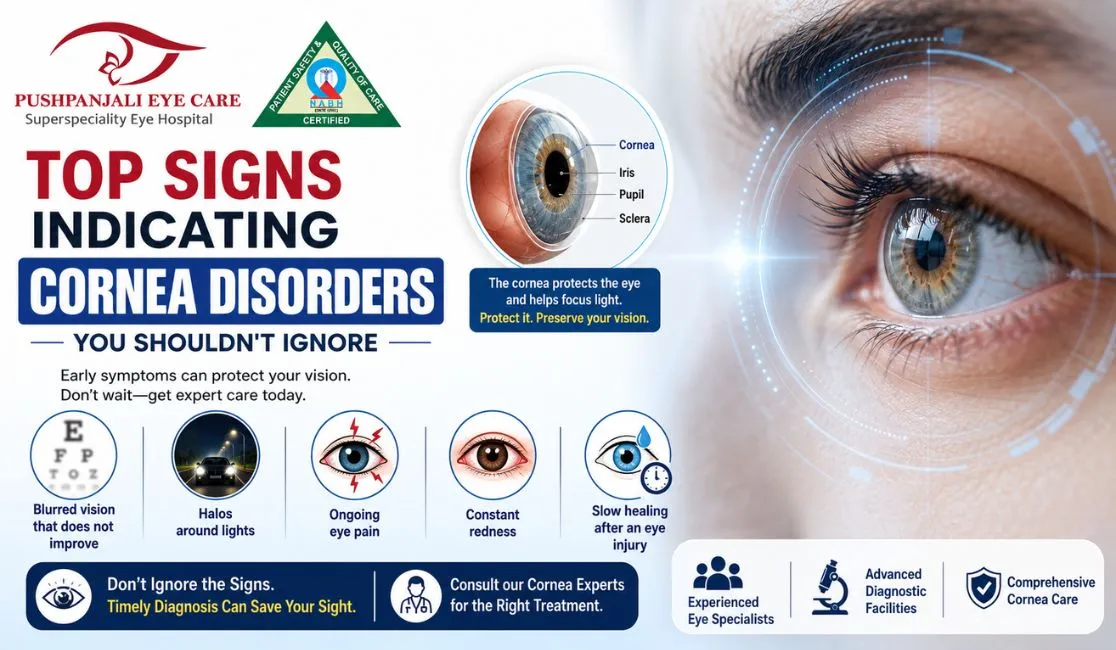
Top Signs Indicating Cornea Disorders You Shouldn’t Ignore

The eyes generally give out warning signals much before any major visual problems arise. Slight blurring of vision, increased sensitivity to light, and eye pain may seem like small problems that one can easily overlook; however, such problems may indicate some corneal disorders, which require immediate medical attention. Getting an appointment with the best retina specialist in Kolkata is one way to make sure you get a comprehensive eye examination.

The cornea is responsible for focusing light and protects the eye from foreign elements. In case of any problem related to the cornea, simple activities such as reading or driving may become difficult. It is highly important to pay attention to any symptoms and get medical assistance on time. This will be very useful for preserving good eyesight.

Various Signs Indicating Cornea Disorders You Shouldn’t Ignore

Your eyes can indicate the presence of various eye disorders. It is important to have an awareness of symptoms like blurry vision, eye pain, sensitivity to light, and persistent redness. Symptoms must be recognized so as to maintain eye health.

Blurred vision that does not improve

It is common for people to experience occasional blur, especially when they have been looking at a computer screen all day. However, if the blurring persists despite resting or switching glasses, there may be a problem with the cornea. Because the cornea focuses light into the retina, any abnormalities in it will cause blur.

Halos around lights

If you find yourself noticing a glow surrounding the lights of cars or street lamps at night, it could very well indicate some changes in your cornea. It means that your vision has become cloudy and not sharp and clear, similar to looking through fogged-up glass. To get more information about your vision problems and know if the problem is with your cornea, you should meet the best eye specialist in Kolkata.

Ongoing eye pain

A lot of people experience discomfort in their eyes after spending many hours in front of a computer screen or performing close-up tasks. However, when such discomfort becomes a pain that is severe or persistent, it may point to something much more dangerous. The pain in this case may be due to the cornea being injured or inflamed, which leads to a constant sensation of pain each time the eyes are blinking. It is crucial not to wait until the situation gets better by itself.

Constant redness

Red eyes may be caused by simple causes such as lack of sufficient sleep or allergies; hence, one may appear upset momentarily. Nevertheless, red eyes that last for several days, coupled with some form of pain or difficulty in vision, may show that there is something serious going on with the cornea. The symptom should not be overlooked, since it may imply a certain health problem. It is therefore paramount to seek the attention of a medical practitioner.

Slow healing after an eye injury

Even a minor scratch in the eye is bound to heal itself. However, when a wound does not heal or when its healing period becomes more than what is expected, it means that there is some kind of damage to the cornea. Visiting an eye hospital in Kolkata would help you determine what the problem is.

Conclusion

Corneal disease typically begins with simple symptoms which may be easily ignored, but early detection can go a long way in preserving your eyesight. Being alert to possible symptoms and getting proper treatment is essential in maintaining healthy eyesight in the future.

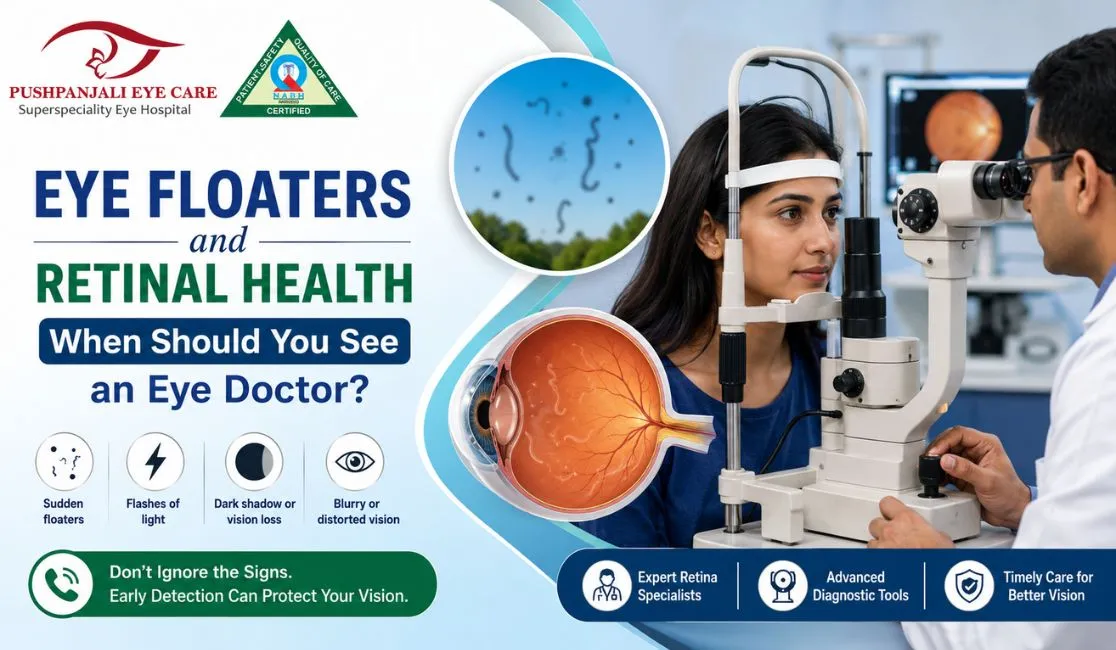
Eye Floaters and Retinal Health: When Should You See an Eye Doctor?

Have you ever noticed tiny black dots, rings, or fine thread-like shapes across your vision? You may also notice that these tiny black dots may disappear suddenly when you try to look directly at them. These visual shapes are commonly known as eye floaters, and they become more common as people get older. However, when the floaters suddenly appear and cause a shadow in your vision, it might become a serious issue.

Have you ever wondered what the reason behind this critical eye problem is? Some changes in floaters are associated with retinal conditions of your eye. If you want to protect your vision from eye floaters and safeguard your retinal health, you must consult an expert and trusted retina specialist in Kolkata. By understanding the difference between ordinary floaters and their symptoms, you can take better care of your vision.

Now let’s explore this blog to understand eye floaters and retinal health, and when you should visit an eye specialist.

What Are Eye Floaters?

Eye floaters are small shadows that appear to drift through your vision, and you notice them as tiny dark spots, threads, cobweb-like patterns, rings and circles, squiggly lines, and small clouds. Floaters often become easier to notice when looking at a clear sky, white wall, or a computer screen.

Floaters do not harm everyone. However, a drastic change in floaters can be related to a retinal problem. In such a critical scenario, you need medical support to protect your retinal health and your vision from further damage.

When Should You See an Eye Doctor for Floaters?

When you have a clear idea about when to see an eye doctor for floaters, you can genuinely safeguard your retinal health and protect your vision from damage. Let’s discuss the warning signs when you should consult with an eye specialist at the top eye hospital in Kolkata for eye floaters.

Suddenly notice new floaters

If you suddenly notice new black spots, threads, or cobweb-like shapes, you must consult an eye specialist. A sudden change can seem normal to you, but an experienced eye specialist can examine the retina and determine whether the problem needs any treatment.

Your floaters suddenly increase

One or two floaters are familiar with your regular vision, but if you suddenly notice a major increase in the number of floaters, don’t ignore this change. A noticeable increase can occur when vitreous changes have already occurred on the retina.

You see flashes along with floaters

Seeing flashes of light mainly happens with new floaters, and at this stage you need to seek professional advice regarding your vision health. Flashes can occur when the vitreous pulls on the retina. At this stage, an expert eye examination can help you identify the retinal problem and recommend surgery if necessary.

A dark shadow appears suddenly

A dark shadow or veil moving across part of your vision is a serious warning sign of eye floaters. Sometimes it can be associated with retinal detachment, which needs immediate guidance from an eye specialist.

Facing blurry vision or distorted

New floaters sometimes accompanied by sudden vision changes, which you should take seriously. Rather than waiting for sudden symptoms to disappear, visiting an experienced ophthalmologist in Kolkata can safeguard your internal eye health and protect the retina from further damage.

Conclusion

If you experience any sudden changes in your vision or identify dark spots, try to pay attention and seek expert support to ensure your eye health. At Pushpanjali Eye Care Hospital, you can get advanced treatment facilities and expert doctor advice regarding eye floaters, and protect your vision from further deterioration. Our professional and detailed eye examination can help you understand what is actually happening in your retina and protect your eye health.

LASIK After Cataract Surgery: Is It Safe, Effective, and Right for You

Cataract surgery has transformed the lives of millions of people with the bliss of advanced surgical efficiency. With advanced lens technology and modern surgical processes, many patients have already regained their clear vision. However, many people face serious vision problems after cataract surgery, such as minor refractive errors, difficulty achieving sharp focus, or dependence on glasses. At this point, a common question may arise in your mind: Can LASIK be conducted after cataract surgery?

In most cases, advanced LASIK surgery in Kolkata after cataract surgery can be a safe and effective solution. However, it mainly depends on your eye condition, vision problem, and your doctor’s advice.

Let’s go through this blog to ascertain whether LASIK after cataract surgery is safe, effective, or right for you.

Why Do You Consider LASIK After Cataract Surgery?

Cataract surgery can replace the cloudy natural lens of the eye with an artificial intraocular lens. While many patients can experience excellent vision after the surgery, some of them face a few challenges, such as-

  • Blurred vision due to remaining refractive errors
  • Difficulty seeing clearly without glasses
  • Facing a problem with near vision
  • Mild nearsightedness or farsightedness
  • Astigmatism affects visual sharpness.

In such a critical condition, LASIK surgery can be a reliable solution for patients, enhancing vision and reducing dependence on glasses.

Is LASIK After Cataract Surgery Safe?

Safety is one of the biggest concerns for patients considering LASIK after cataract surgery. When an experienced eye doctor in Kolkata thoroughly evaluates your eye health, LASIK can be a safe procedure for select patients. LASIK treatment mainly uses advanced laser technology to reshape the cornea and improve how light enters the eye.

LASIK is not suitable for everyone after cataract surgery. When you go through a complete assessment under an expert’s observation, it can determine various factors such as:

  • Cornea thickness and its shape
  • Vision stability
  • Cognitive health of the eye surface
  • Condition of the artificial lens
  • Overall eye health

An advanced diagnostic evaluation, supported by an expert team of eye specialists, helps you understand your eye health before any vision correction procedure is recommended.

How Effective Is LASIK After Cataract Surgery?

Patients who are eligible for LASIK after cataract surgery can experience noticeable improvement in their visual clarity.

The purpose of LASIK is not just about clearer eyesight. It helps patients enjoy their daily activities with greater confidence, such as-

  • Read comfortably
  • Enjoy driving with better visual focus.
  • Using digital gadgets easily
  • Reduction of dependency on corrective glasses

Advanced LASIK procedures are highly customized to the patient’s health and eye condition, including vision structure.

Who Can Go for LASIK After Cataract Surgery?

LASIK after cataract surgery may not be suitable for all patients. However, some patients can undergo LASIK after cataract surgery, as recommended by their doctor.

  1. Patients should have suitable vision for LASIK after cataract surgery.
  2. Patients must have healthy corneas.
  3. Patients must experience residual vision errors.
  4. Patients who want to reduce dependency on glasses

Before undergoing LASIK after cataract surgery, patients need to undergo a detailed consultation with the support of the best eye hospital in Kolkata before making any decision.

Conclusion

If you have already had cataract surgery but still want sharper, more confident vision, LASIK may be a suitable option. A professional eye consultation from Pushpanjali Eye Care can help you understand whether you are the right person for LASIK after cataract surgery. Book a vision consultation with us and discover the possibilities for clear vision after cataract surgery.