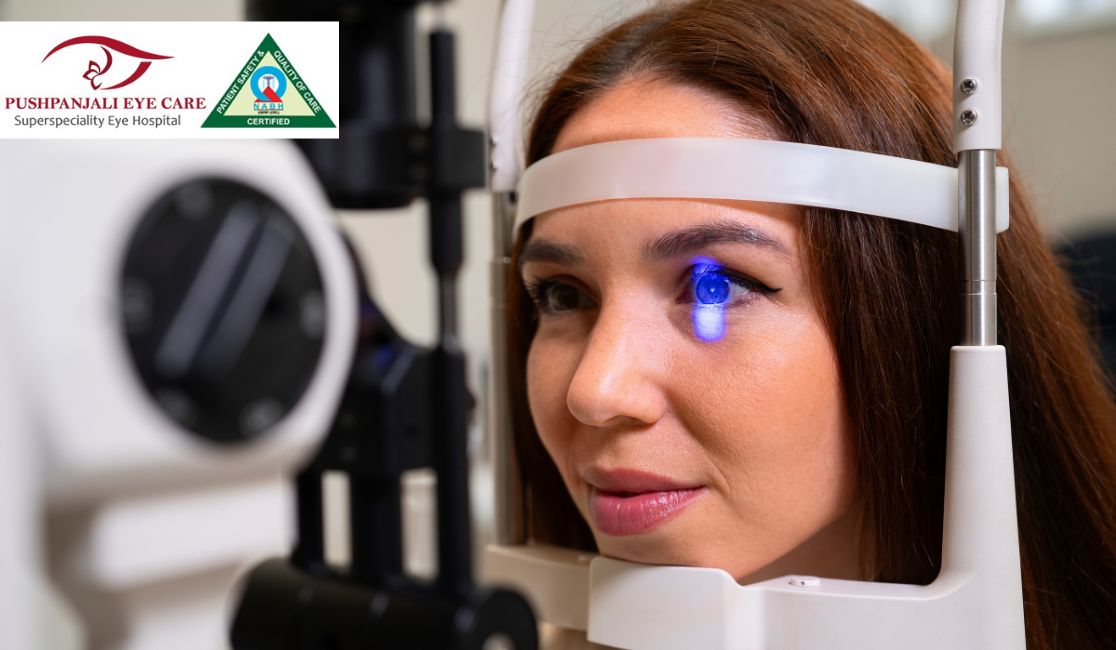
The eye is the lamp of the whole body. With healthy eyes, you can have a healthy and lively body. But unfortunately, like the other parts of the body, the eyes also age over time. But people are not cautious about it, and so they ignore regular check-ups at the best eye clinic near me. With age, eyes can develop various issues, such as cataracts, dry eye syndrome, and Presbyopia, among others. If people are not cautious with time, things can get out of hand.
According to 2021 research, over 23% of Indians have poor vision. While some of these changes in eyesight are a regular part of aging, others can be signs of more serious health issues (Source). It is crucial to identify and treat common eye issues in older people as soon as possible to preserve their independence, overall quality of life, and ability to see well. In this article, we will provide a list of eye issues that older people may face. So, let’s start the topic without wasting time.
Top Eye Issues Faced By Older People
Here’s a comprehensive guide to the most common eye issues seniors encounter. This resource includes detailed descriptions of each condition:
Cataract
Cloudy patches that cover all or a portion of your eye’s lens are called cataracts. The lens of the best eye is transparent, like the lens of a camera, allowing light to travel through it and strike the tissue at the rear of the eye. The retina is where the images are processed. The lens is blocked by a cataract, and it is hard to see. They develop slowly, painlessly, and without tearing or redness. Some are small and have no effect on your vision. With the help of the best laser eye surgery in Kolkata, the doctor can destroy it.
Glaucoma
Over time, the anterior chamber in the eye may become shallower in specific individuals, particularly those with small eyes and farsightedness. This narrowing can block the drainage of aqueous humor near the iris, leading to increased eye pressure and damage to the optic nerve, a condition known as closed-angle glaucoma. If untreated, it can cause blindness.
Open-angle glaucoma, on the other hand, occurs when there is a gradual build-up of pressure due to slower outflow of aqueous humor through the trabecular meshwork, also risking damage to the optic nerve and blindness if left untreated.
Presbyopia
Presbyopia is a condition that makes it challenging to see relatively close objects, such as the tiny type in a newspaper. Reading materials are held at arm’s length by those with Presbyopia, who also complain of headaches when they have things too near. This is a standard eyesight issue that often starts between people who are between the ages of 35 and 40 and progresses throughout a person’s lifetime. Wearing multifocal lenses or reading glasses can help. But if you are confused about what to do, then visit the best eye clinic near me.
Diabetic eye issue
Diabetic eye disease, or diabetic retinopathy, is caused by diabetic damage to the blood vessels in the retina. The vessels will thus leak fluid or bleed. If left untreated, this can result in permanent vision loss. There can also be nerve damage affecting the muscles used in moving the eyes. Involuntary eye movements and double vision are possible symptoms. You will be urged to manage your blood sugar and cholesterol levels if you have diabetic eye disease in its early stages. Advanced stages necessitate vitrectomy surgery and laser treatment.
Retinal disorders
This thin lining on the back of the eye is affected by retinal diseases. It is composed of cells that gather visual information and transmit it to your brain. Retinal issues impact this picture transmission. These include retinal vascular occlusions, diabetic retinopathy, age-related macular degeneration, and detached retina. Your vision will be preserved with early diagnosis and treatment.
These are some of the eye issues that older people commonly face, and they should be treated soon, or else things might go wrong.
Our eyes must be the most vital body part through which we can experience the world around us. However, many people ignore the early signs of their vision problems and the necessity of visiting an eye specialist. Understanding when to visit eye hospital Kolkata can help you to prevent serious eye problem and protect your eye health. Through this blog, we will discuss the key signs that you should observe and understand your need to visit an eye specialist.
Common Sign You Need to Visit an Eye Specialist
In this segment, we will discuss the common signs when you need to visit an eye specialist.
Blurred vision
If you experience sudden changes in your vision, such as blurriness, it can indicate serious eye conditions. Retinal detachment, cataracts, or macular degeneration may happen from blurred vision. If you experience specific symptoms, visit an eye specialist immediately.
Massive headaches
If you face frequent headaches, it might be the underlying vision problem. Due to uncorrected refractive errors, eye fatigue may occur that leads to serious headaches. A professional eye specialist can suggest the use of the correct lenses or specific treatment as per your eye health condition.
Discomfort in eye
Constant eye pain, irritation, and redness might be signs of serious eye problems. These symptoms often indicate serious eye problems such as glaucoma. If you have ever experienced this kind of problem, you must visit the best eye specialist for glaucoma treatment in Kolkata. Through proper treatment, you can easily solve your glaucoma problem.
Vision problem at night
If you face problems seeing any object in low light conditions, it might be a serious eye problem. Cataracts or retinitis pigmentosa are severe eye problems that may damage your vision in low light. If you have any vision difficulties, you must visit the best eye specialist to solve your problem.
Light sensitivity
If you feel uncomfortable in bright light, it might be a key sign of migraines. You must consult with an eye specialist if you face this type of issue.
The problem with color perception
If you face color blindness or fail to distinguish between colors, it indicates damage to the optic nerve. Do not waste your time visiting an eye specialist in such a case.
Problem with double vision
Double vision problems indicate stroke or neurological issues. Visit the best eye specialist if you face this kind of problem.
Who Needs Regular Eye Check-Ups?
If you think that you can visit an eye specialist in case of any discomfort in the eyes, then you must be wrong. A particular individual should maintain a regular eye check-up routine without any condition. Let’s discuss-
People at the age of 40 must need regular eye checks because there is a high risk of glaucoma after the age of 40.
People who have diabetics must visit eye specialists regularly. Diabetic patients have a high risk of retinal problems.
People who use contact lenses must visit eye specialists frequently to avoid the risk of eye infection.
Children also need to visit eye specialists for their routine check-ups.
Conclusion
Your eyes can give you an early warning before serious conditions develop. If you ignore this problem, it may lead to permanent blindness. Consult with Pushpanjali Eye Care for any of your eye problems. We have highly experienced and highly skilled eye specialists who have enough expertise to treat your eye problem with immense care and support.
Good vision is vital to perform your daily tasks independently without any struggle. However, many people struggle with serious eye problems such as nearsightedness, astigmatism, cataracts, glaucoma, and farsightedness. Vision problems mainly refer to the condition that damages a person’s clear visibility along with normal vision. Fortunately, with the help of advanced eye care treatment, you can restore and enhance your vision. Among different eye care treatment, cataract treatment in Kolkata is highly beneficial for those who are suffering from cataract. Through this blog, we will discuss various types of eye care treatments that are vital to solving your vision problem.
Types of Vision Problem
In this segment, we will discuss different types of vision problems that many people face during these days-
Farsightedness– It is an eye problem where patient face problem to see nearby objects.
Nearsightedness– In this eye problem, patients face difficulties in seeing distant objects clearly.
Cataracts– This vision problem occurs when the lens in the eye becomes cloudy and slowly causes blurred vision.
Glaucoma– It is serious eye problem that mainly damage the optic nerves and increase the pressure within the eye. This problem leads to peripheral vision loss; if you do not treat it on time, it may lead to permanent blindness.
Dry eye symptoms– In case of insufficient tear production, dry eye problems occur.
Presbyopia-It is an age-related vision problem that people face, and they find difficulties reading books or seeing objects closely.
Best Eye Treatment to Solve Vision Problem
If you want to experience painless eye treatment to solve any of your vision problems, you must visit the best eye hospital in Kolkata. Let’s discuss the different types of eye treatments to solve your vision problems.
Lasik surgery
Lasik surgery reshapes your cornea by using a laser and correcting the vision permanently. Due to its painless eye surgery process, this treatment is in high demand.
Cataract surgery
Cataract surgery mainly removes the cloudy lens and replaces it with an artificially implanted lens. An advanced form of robotic method is available for cataract surgery. The latest technological advancements ensure successful operations without any pain.
Glaucoma treatments
Eye surgeons first use eye drops to reduce intraocular pressure inside the eye before starting a glaucoma operation. Laser therapy or traditional surgical operation methods are available for glaucoma treatment. But before conducting the operation, the eye specialist will examine you and assess your condition.
Use of contact lenses and glass
If you have serious vision problem and cannot see any object from a distances then you must need modern lenses such as anti glare and blue light filters. These options are effective in solving serious ete problems such as hyperopia, astigmatism, and myopia.
How to Choose the Best Eye Treatment Institute
If you are searching online for the best eye treatment institute, you must consider a few factors; let’s discuss-
Eye care institutes must have highly skilled eye surgeons who are famous for their expertise.
The institute must use the latest technology to treat the patients without any hassle.
A personalized treatment plan is also vital for patients because each patient has a unique health condition. Thus, eye surgeons must give special care to each patient to enhance the surgical experience.
The eye care institute must have a good reputation in the market regarding the quality of treatment and cost of the treatment.
Conclusion
Vision problems can be a great problem, but if you choose the best eye care treatment and best eye care institute, you can easily solve any eye-related problem. At Pushpanjali Eye Care Clinic, you will get the best eye treatment with a personalized treatment facility. Our highly skilled and experienced eye surgeons perform their tasks with great intensity.
Squint eye, also known as strabismus, is a condition where the eyes do not align properly and look in different directions. This eye disorder can affect people of all ages and may lead to vision impairment if left untreated. However, there are numerous myths surrounding squint eye that often create unnecessary fear and misconceptions. At Pushpanjali Eye Care, the best eye hospital in Kolkata, we aim to clear up these misconceptions and provide the right information.
Table of Contents
Myth 1: Squint Eye is Just a Cosmetic Issue
Fact: Squint Eye is a Medical Condition That Needs Treatment
Many believe that squint eye is only a cosmetic concern and does not impact vision. However, this is far from the truth. Squint eye can lead to double vision, lazy eye (amblyopia), and even loss of depth perception. Early diagnosis and proper treatment at a reputed facility like Pushpanjali Eye Care, the best eye hospital in Kolkata, can help in managing and correcting this condition effectively.
Myth 2: Squint Eye Will Resolve on Its Own with Age
Fact: Squint Eye Often Requires Medical Intervention
One common misconception is that children with squint eye will eventually outgrow the condition. While some mild cases may improve naturally, most require early intervention, corrective lenses, vision therapy, or surgery to prevent long-term complications. If your child has squint eye, visiting the best eye hospital in Kolkata for early assessment is crucial.
Myth 3: Squint Eye is Always Present from Birth
Fact: Squint Eye Can Develop at Any Age
While many cases of squint eye are congenital, this condition can also develop in adults due to nerve disorders, trauma, diabetes, or other underlying health issues. Sudden onset of squint in adults should not be ignored, as it may indicate an underlying neurological condition. Pushpanjali Eye Care provides expert diagnosis and personalized treatment plans for patients of all ages.
Myth 4: Squint Eye Can Be Cured with Home Remedies
Fact: Squint Eye Requires Professional Medical Treatment
Some people believe that eye exercises, herbal remedies, or wearing black beads can correct squint eye. Unfortunately, these methods are not scientifically proven. Squint eye should be evaluated and treated by an ophthalmologist at a reputed facility like Pushpanjali Eye Care, the best eye hospital in Kolkata, to ensure effective and safe treatment options.
Myth 5: Squint Surgery is Risky and Ineffective
Fact: Squint Surgery is Safe and Highly Effective
There is a misconception that surgery for squint eye is dangerous or ineffective. In reality, squint eye surgery is a well-established and safe procedure performed under expert care. At Pushpanjali Eye Care, our team of specialists ensures the highest success rates, helping patients regain proper eye alignment and improved vision.
Myth 6: Squint Eye Cannot Be Treated After Childhood
Fact: Adults with Squint Eye Can Also Benefit from Treatment
Although early intervention is ideal, adults with squint eye can still undergo treatment to improve eye alignment and vision. Advanced treatments, including prism glasses, Botox injections, and corrective surgery, can significantly enhance the quality of life for adult patients.
Myth 7: Wearing Glasses for Squint Eye is Useless
Fact: Glasses Can Help in Many Cases
Some types of squint eye, especially those caused by refractive errors, can be corrected with prescription glasses. Pushpanjali Eye Care offers a comprehensive eye examination to determine the best corrective solution for each patient.
Can squint eyes affect a child’s self-confidence?
Yes, squint eyes can significantly affect a child’s self-confidence. Children with squint eyes often face emotional challenges due to their appearance, which can lead to feelings of embarrassment and self-consciousness. This can have a lasting impact on their self-esteem and confidence, particularly as they grow older and become more aware of their condition.
The effects of squint eyes on a child’s self-confidence can manifest in several ways:
Social interactions: Children with squint eyes may find it difficult to engage in typical social interactions, avoiding eye contact or feeling uncomfortable in group settings. This can hinder their ability to form and maintain friendships, potentially leading to social isolation.
Bullying: Unfortunately, children with visible squint eyes may face teasing or bullying from peers, which can exacerbate their self-esteem issues.
Academic performance: The constant struggle with their visual condition can affect a child’s academic performance and participation in activities, further impacting their overall emotional well-being.
Appearance concerns: As children grow older, they may become increasingly self-conscious about their appearance, which can affect their self-confidence and social interactions.
It’s important to note that early intervention and treatment can help mitigate these effects. Parents and caregivers play a crucial role in supporting children with squint eyes by providing a supportive environment, encouraging a positive self-image, and seeking timely medical treatment or therapy.
Are there any non-surgical treatments for squint eyes?
Yes, there are several effective non-surgical treatments for squint eyes (strabismus) that can help improve eye alignment and coordination. Here are the primary options:
1. Prescription Glasses
Many squint cases are associated with refractive errors such as nearsightedness, farsightedness, or astigmatism. Corrective lenses can help alleviate these issues, improving overall eye alignment and function.
2. Vision Therapy
Vision therapy consists of a series of customized exercises designed to strengthen eye muscles and improve coordination. This therapy is particularly effective for children and adults with mild to moderate squints. Exercises may include:
Eye Tracking: Following moving objects to enhance coordination.
Pencil Push-ups: Focusing on a pencil as it is moved closer to the nose, helping improve convergence.
3. Eye Patching
This method involves covering the stronger eye with a patch to encourage the weaker eye to work harder, promoting better coordination and strengthening of the visual pathways. Patching is especially beneficial for children.
4. Prism Lenses
Prism lenses can be incorporated into regular eyeglasses to help redirect light entering the eye, which aids in aligning the visual input from both eyes. This non-invasive option is useful for correcting double vision associated with squints.
5. Botox Injections
In some cases, botulinum toxin (Botox) injections can be used to temporarily weaken overactive eye muscles, allowing for better alignment of the eyes. This method is less invasive than surgery and can provide significant improvement in certain types of squints.
Are there any specific exercises recommended for adults with squint eyes?
Yes, there are several specific exercises recommended for adults with squint eyes (strabismus) that can help improve eye alignment and coordination. Here are some effective exercises:
1. Pencil Push-Ups
This exercise helps both eyes focus on a single object, which is essential for improving coordination.
Hold a pencil at arm’s length, pointing it away from you.
Focus on a letter or number on the pencil.
Slowly bring the pencil closer to your nose while maintaining focus.
Stop when your vision becomes blurry, then repeat the process.
2. Brock String
This exercise enhances eye coordination and is particularly useful for crossed eyes.
Take a string about five feet long and attach one end to a fixed point.
Thread three different colored beads onto the string, spaced apart.
Hold the other end of the string against your nose.
Focus on each bead in turn; you should see an “X” where the strings cross at each bead. If not, your eyes may not be properly aligned.
3. Focus Shifting
This exercise improves depth perception and eye muscle flexibility.
Choose two objects: one close (like a book) and one far away (like a picture on the wall).
Shift your gaze from the close object to the far one and back again.
Repeat this process slowly to enhance overall eye alignment.
4. Eye Tracking
This exercise helps increase muscle control and coordination.
Hold a pen or your finger in front of your face.
Move it horizontally (left to right) and vertically (up and down).
Follow the movement with your eyes without moving your head.
5. Cover-Uncover Exercise
This exercise trains each eye individually, which can help improve strength and alignment.
Cover one eye with your hand and focus on an object with the uncovered eye for a few seconds.
Switch and repeat with the other eye.
6. Near-Far Focus
This technique helps strengthen eye muscles by alternating focus between near and far objects.
Hold an object close to your eyes, focusing on it.
Then shift your gaze to a distant object.
Alternate between near and far objects several times.
How does vision therapy help in correcting squint?
Vision therapy is a non-surgical treatment option for correcting squint eyes (strabismus) that aims to improve eye coordination and strengthen the eye muscles. Here’s how vision therapy helps in addressing squint eyes:
1. Customized Exercise Programs
Vision therapy involves a series of tailored exercises designed to meet the specific needs of the patient. These exercises focus on enhancing eye alignment, improving binocular vision, and helping both eyes work together more effectively. Regular sessions with a trained optometrist or ophthalmologist allow patients to engage in activities that promote muscle strength and coordination.
2. Strengthening Eye Muscles
Through targeted exercises, vision therapy strengthens the muscles that control eye movement. This is crucial for individuals with squint eyes, as weak or uncoordinated muscles can lead to misalignment. By practicing these exercises consistently, patients can improve their muscle control and reduce the degree of squint.
3. Enhancing Coordination
Vision therapy helps train the brain to better control eye movements, improving coordination between the two eyes. This is particularly important for individuals with squint eyes, as proper coordination is essential for achieving clear and single vision. Exercises may include tracking moving objects, focusing on near and far targets, and using tools like prisms to enhance visual perception.
4. Improving Binocular Vision
One of the primary goals of vision therapy is to enhance binocular vision—the ability to use both eyes together effectively. This is vital for depth perception and overall visual function. By engaging in activities that promote teamwork between the eyes, patients can work towards achieving better alignment and visual harmony.
5. Addressing Underlying Issues
In some cases, squint eyes may be associated with underlying refractive errors or other visual issues. Vision therapy can help address these problems by incorporating corrective lenses or other interventions into the treatment plan, ensuring a comprehensive approach to improving vision.
6. Monitoring Progress
Regular follow-ups with an eye care specialist during vision therapy allow for ongoing assessment of progress. Adjustments can be made to the exercise regimen based on individual improvement, ensuring that each patient receives personalized care tailored to their specific condition.
FAQ
1. Can squint eye be treated without surgery?
Yes, in many cases, squint eye can be managed with glasses, vision therapy, or Botox injections. Surgery is recommended only for severe cases.
2. Is squint eye hereditary?
Squint eye can have a genetic component, meaning it may run in families. However, environmental and neurological factors also play a role.
3. At what age should squint eye be treated?
Early intervention is best. Treatment should ideally begin in childhood, but adults can also benefit from corrective procedures.
4. Does squint eye cause blindness?
While squint eye itself does not cause blindness, untreated cases can lead to amblyopia (lazy eye), which can significantly reduce vision in one eye.
5. Can an adult develop squint eye suddenly?
Yes, sudden squint eye in adults can be due to nerve damage, stroke, or other medical conditions and should be evaluated by an eye specialist immediately.
Conclusion
Squint eye is a condition that requires medical attention, and believing in myths can delay effective treatment. If you or your child has squint eye, seeking professional care at Pushpanjali Eye Care, the best eye hospital in Kolkata, is the right step toward better vision and quality of life. Our expert ophthalmologists are here to guide you through the best treatment options and ensure optimal eye health.
Book an appointment with Pushpanjali Eye Care today to get the right diagnosis and treatment for squint eye!
A routine Eye Exam is crucial for detecting hidden vision issues. With professional eye care, you can identify early warning signs before they become serious problems. Learn the top 10 overlooked signs that indicate it’s time for an eye check-up and stay ahead of vision concerns!
Table of Contents
10 Silent Signs You Need an Eye Exam – Don’t Ignore Them!
Our eyes are one of the most vital organs, yet they are often neglected when it comes to regular health check-ups. Most people assume that unless they have blurry vision, they don’t need an eye exam. However, many subtle signs indicate underlying issues that, if left untreated, can lead to severe vision problems.
Whether it’s frequent headaches, difficulty reading, or dry eyes, these symptoms may suggest something more serious. This guide will walk you through 10 commonly ignored signs that indicate it’s time for an eye check-up—helping you take charge of your vision before it’s too late.
1. Frequent Headaches
If you find yourself reaching for painkillers due to recurring headaches, it might not just be stress or dehydration—your eyes could be the culprit. Uncorrected vision issues, eye strain, or even astigmatism can put undue pressure on the eyes, leading to persistent headaches. If this is a regular occurrence, scheduling an eye exam is the best way to determine the root cause.
2. Struggling to See at Night
Do you find it hard to drive at night because of glare from headlights or poor visibility? Difficulty seeing in low-light conditions is an early sign of night blindness (nyctalopia). This could be caused by a vitamin A deficiency, cataracts, or even early-stage glaucoma. A comprehensive eye check-up can help diagnose the problem early.
3. Frequent Eye Strain and Fatigue
In today’s digital world, spending hours on screens is common, leading to digital eye strain. Symptoms like burning, itching, or heavy eyelids after prolonged screen use could mean your eyes are overworked. While some rest may help, persistent strain indicates a need for a professional evaluation.
How to Prevent Digital Eye Strain?
Follow the 20-20-20 rule: Every 20 minutes, look at something 20 feet away for 20 seconds.
Adjust screen brightness to match your surroundings.
Blink frequently to prevent dryness.
4. Blurry or Double Vision
Sudden or progressive blurry vision should never be ignored. It could signal refractive errors, cataracts, or even neurological issues. Double vision (diplopia), on the other hand, may indicate misalignment of the eyes or muscle problems that need urgent attention.
5. Seeing Floaters or Flashing Lights
Tiny floating specks in your vision (floaters) are usually harmless, but if you notice a sudden increase in floaters, flashes of light, or a shadowy curtain over your vision, it could be a sign of retinal detachment—a condition that requires immediate medical care to prevent vision loss.
6. Difficulty Reading or Focusing on Close Objects
Do you struggle to read books, menus, or messages on your phone? If holding things farther away helps you focus, you may have presbyopia, a common condition as we age. It usually starts in the early 40s and requires corrective lenses to improve near vision.
7. Sensitivity to Light (Photophobia)
Unusual light sensitivity can be a symptom of various eye conditions like corneal abrasions, infections, or even migraines. If bright lights make you squint or cause discomfort, consult an eye specialist for a thorough evaluation.
8. Dry, Itchy, or Watery Eyes
Chronic dry eyes can be more than just an irritation—it could indicate dry eye syndrome, which occurs when your eyes fail to produce enough tears. Conversely, excessively watery eyes might be a response to dryness or an underlying allergy. An eye test can help determine the cause and suggest appropriate treatment.
9. Trouble Adapting to Light Changes
If your eyes take too long to adjust when moving from a bright environment to a dark one (or vice versa), it could signal aging-related vision problems, cataracts, or retinal disorders. A professional eye check-up can detect these conditions early.
10. Frequent Eye Infections or Redness
Persistent redness, swelling, or irritation could indicate conditions like conjunctivitis, blepharitis, or even an allergic reaction. If eye infections keep coming back, it might be a sign of an underlying problem that requires professional diagnosis.
Why Regular Eye Exams Are Essential
Even if you don’t experience any of these symptoms, scheduling regular eye exams is crucial to maintain long-term eye health. Early detection of conditions like glaucoma, diabetic retinopathy, and macular degeneration can prevent permanent vision loss.
How Often Should You Get an Eye Exam?
Children: Once every 1-2 years
Adults (18-40): Every 2 years
Adults (40+): Annually, or as recommended by an eye doctor
If you have diabetes, hypertension, or a family history of eye diseases, more frequent eye exams may be necessary.
FAQs
1. What age should I start getting regular eye exams?
Eye check-ups should start from childhood, but adults over 40 should have more frequent exams to monitor age-related vision changes.
2. Can an eye exam detect other health conditions?
Yes! Diabetes, high blood pressure, and even brain tumors can sometimes be detected through an eye exam before other symptoms appear.
3. How long does an eye exam take?
A standard eye check-up typically takes 30-60 minutes, depending on the tests required.
4. Is blurry vision always a sign of poor eyesight?
Not necessarily. Blurry vision can be caused by dry eyes, fatigue, or underlying conditions like cataracts. Only an eye doctor can provide a definite diagnosis.
5. Can prolonged screen use permanently damage eyesight?
While digital screens don’t cause permanent damage, excessive screen time can lead to eye strain, dry eyes, and discomfort. Proper screen habits help minimize these effects.
Don’t Overlook the Signs – Prioritize Your Eye Health Today!
Ignoring early signs of vision problems can lead to complications that may affect your daily life. Whether it’s frequent headaches, blurry vision, or difficulty seeing at night, an eye exam can diagnose issues early and prevent future complications.
For those seeking expert eye care, comprehensive eye check-ups with state-of-the-art facilities and experienced professionals can make a significant difference. Prioritize your vision today—because clear sight means a brighter future!
Screen time and kids’ eye health are major concerns in today’s digital world. Learn how excessive screen use affects children’s vision and discover effective ways to protect their eyesight. you can consult best eye hospital in Kolkata regarding this.
Table of Contents
Understanding Screen Time and Its Impact on Kids’ Eye Health
Children today are surrounded by screens—smartphones, tablets, laptops, and televisions. While these devices offer convenience and entertainment, they also pose potential risks to kids’ eye health. The increasing reliance on digital screens for education and leisure has led to a rise in vision-related problems among children.
As a parent, you may wonder: How much screen time is too much? Can screen exposure harm my child’s eyesight? What can I do to minimize the risks? This article explores the connection between screen time and kids’ eye health, along with practical steps to protect your child’s vision.
How Screen Time Affects Kids’ Eye Health
Spending long hours in front of digital devices can lead to various eye-related issues in children. Some of the most common problems include:
1. Digital Eye Strain (Computer Vision Syndrome)
Prolonged screen use can cause digital eye strain, leading to symptoms such as:
Blurry vision
Dry or irritated eyes
Frequent headaches
Difficulty focusing on distant objects
2. Increased Risk of Myopia (Nearsightedness)
Research suggests that excessive screen exposure, especially at a young age, increases the risk of myopia (nearsightedness). Children who spend more time indoors using screens instead of playing outside are more prone to developing myopia early in life.
3. Disrupted Sleep Patterns
The blue light emitted from screens affects the production of melatonin, a hormone responsible for sleep regulation. Kids who use screens before bedtime often struggle with sleep disturbances, leading to fatigue, irritability, and concentration issues.
4. Reduced Blinking and Dry Eyes
When focusing on screens, kids tend to blink less frequently, which leads to reduced tear production and dry eye syndrome. This can cause discomfort, redness, and itchiness in the eyes.
How Much Screen Time is Too Much?
While digital devices are an inevitable part of modern life, setting healthy screen time limits is essential. According to the American Academy of Pediatrics (AAP), the recommended screen time guidelines for children are:
Under 18 months – Avoid screen time except for video calls.
18 months to 2 years – Introduce only high-quality educational content with parental guidance.
2 to 5 years – Limit screen time to one hour per day with educational programs.
6 years and above – Maintain consistent screen-free times and encourage outdoor activities.
Signs That Your Child May Be Experiencing Eye Strain
If your child frequently experiences any of the following symptoms, it may indicate that screen exposure is affecting their eye health:
Complaints of blurry vision or double vision
Frequent rubbing of the eyes
Increased sensitivity to light
Difficulty concentrating while reading or studying
Excessive blinking or watery eyes
If you notice these symptoms, consider reducing screen exposure and consulting an eye specialist for further evaluation.
Tips to Protect Kids’ Eye Health from Excessive Screen Time
To minimize the impact of screen time on kids’ eye health, follow these practical tips:
1. Follow the 20-20-20 Rule
Encourage your child to take a 20-second break every 20 minutes of screen time and look at something 20 feet away. This simple habit helps reduce eye strain.
2. Adjust Screen Brightness and Contrast
Ensure that screen brightness matches room lighting to avoid excessive glare.
Use night mode or blue light filters to reduce strain on the eyes, especially in the evening.
3. Maintain a Safe Distance
Tablets and smartphones should be held at least 18 inches away from the eyes.
The computer screen should be positioned slightly below eye level to prevent strain.
4. Increase Outdoor Activities
Encourage kids to spend more time playing outdoors, as exposure to natural light helps slow down the progression of myopia.
5. Limit Screen Use Before Bedtime
Avoid digital screens at least one hour before bedtime to ensure better sleep.
Introduce bedtime activities like reading books or storytelling instead.
6. Schedule Regular Eye Checkups
Early detection of vision problems can prevent long-term complications. Scheduling routine eye exams at a trusted eye care center ensures your child’s eyesight remains healthy.
When to Visit an Eye Specialist?
If your child frequently experiences headaches, blurry vision, or difficulty focusing, it’s essential to seek professional help. A comprehensive eye checkup can help detect issues early and provide necessary treatment.
Experienced ophthalmologists specialize in pediatric eye health, providing advanced diagnostic and treatment solutions tailored for children. Regular eye checkups are essential in detecting vision issues early and preventing long-term problems.
Frequently Asked Questions (FAQs)
1. How can I tell if my child’s vision is affected by screen time?
Look out for signs like frequent eye rubbing, complaints of blurry vision, headaches, or difficulty focusing. If symptoms persist, consult an eye specialist for a detailed eye examination.
2. Can blue light glasses help protect my child’s eyes?
Yes, blue light-blocking glasses help reduce eye strain and minimize the impact of blue light exposure, especially during prolonged screen use. However, it’s best to combine them with healthy screen habits.
3. Is screen time worse for younger children?
Yes, excessive screen time at a young age can impact eye development and increase the risk of myopia and eye strain. Controlled and limited screen exposure is essential for younger kids.
4. How often should my child have an eye checkup?
Experts recommend annual eye exams for children, especially if they use screens frequently or show symptoms of vision problems.
5. Does reading on a screen affect eyesight more than reading books?
Yes, reading on a screen for extended periods can cause digital eye strain due to blue light exposure and reduced blinking. Taking breaks and adjusting screen settings can help.
Nurturing Healthy Vision: Small Changes, Big Impact on Eye Health
Screen time and kids’ eye health are closely connected, and excessive exposure to digital devices can lead to various vision-related issues. However, by implementing healthy screen habits, encouraging outdoor activities, and scheduling regular eye checkups, parents can effectively safeguard their child’s eyesight.
Early eye health management is essential for children to prevent long-term vision issues. Regular eye checkups, combined with healthy screen habits and outdoor activities, play a crucial role in maintaining good eyesight. If you’re concerned about your child’s vision, consulting a renowned eye specialist can help detect and address potential problems early.
In today’s digital age, our reliance on screens has significantly increased. Whether it’s for work, entertainment, or social interaction, we spend hours staring at computers, smartphones, and tablets. However, too much screen time often leads to vision blur, eye strain, and discomfort. If you frequently experience blurred vision after prolonged screen use, it’s essential to understand the causes and solutions to maintain optimal eye health. As the best eye hospital in Kolkata, Pushpanjali Eye Care is here to guide you on why this happens and how to fix it.
Table of Contents
Why Does Too Much Screen Time Cause Vision Blur?
1. Digital Eye Strain (Computer Vision Syndrome)
Spending long hours in front of screens can cause Digital Eye Strain, also known as Computer Vision Syndrome (CVS). The constant focus on the screen without breaks leads to fatigue in the eye muscles, resulting in vision blur.
2. Reduced Blinking
Normally, we blink about 15-20 times per minute. However, while staring at screens, the blink rate reduces significantly. This leads to dry eyes, irritation, and temporary vision blur.
3. Blue Light Exposure
Digital screens emit blue light, which can disrupt our natural sleep-wake cycle and strain the eyes. Prolonged exposure to blue light can contribute to vision blur and discomfort.
4. Poor Screen Positioning
Incorrect screen placement, such as holding your phone too close or positioning your computer too high, forces your eyes to overwork, causing strain and vision blur.
5. Underlying Vision Problems
Too much screen time can exacerbate existing eye conditions like myopia (nearsightedness) or hyperopia (farsightedness), making vision blur more noticeable.
How does blue light from screens affect our sleep patterns?
Exposure to blue light from screens has a significant impact on sleep patterns, primarily due to its effect on the hormone melatonin, which regulates our sleep-wake cycles. Here’s how blue light affects sleep and some strategies to mitigate its effects.
How Blue Light Affects Sleep Patterns
Disruption of Melatonin Production: Blue light exposure, especially in the evening, suppresses the secretion of melatonin more than any other type of light. Melatonin is crucial for signaling to the body that it is time to wind down and prepare for sleep. When blue light enters our eyes, it signals the brain that it is still daytime, inhibiting melatonin production and making it harder to fall asleep.
Circadian Rhythm Interference: Our circadian rhythm, or internal body clock, is influenced by light exposure. Blue light from screens can confuse this clock, leading to misalignment with our natural sleep cycles. This misalignment can result in difficulties falling asleep at night and waking up in the morning.
Increased Alertness: Blue light enhances alertness and cognitive function during the day, which is beneficial. However, when exposed at night, it can lead to increased wakefulness when the body should be preparing for sleep. This can result in longer times taken to fall asleep and reduced overall sleep quality.
Negative Health Implications: Chronic exposure to blue light at night can lead to long-term health issues, including increased risk of metabolic disorders and mental health conditions like anxiety and depression, due to disrupted sleep patterns.
Strategies to Mitigate Blue Light Effects
Limit Screen Time Before Bed: It’s advisable to avoid screens for at least one hour before bedtime. Engaging in non-screen activities such as reading a physical book or practicing relaxation techniques can help your body prepare for sleep.
Use Blue Light Filters: Many devices now come with built-in blue light filters or “night mode” settings that reduce blue light emission during evening hours. Consider using these features to minimize exposure.
Wear Blue Light Blocking Glasses: These glasses are designed to filter out blue light and can be particularly useful for individuals who must use screens in the evening.
Adjust Lighting: Use dim, warm lighting in your home during the evening hours instead of bright white or blue-toned lights. This helps signal your body that it is time to wind down.
Establish a Sleep Routine: Creating a consistent bedtime routine can help signal your body that it’s time for sleep. This includes going to bed and waking up at the same time every day, even on weekends.
How to Fix Vision Blur Due to Too Much Screen Time?
1. Follow the 20-20-20 Rule
Every 20 minutes, take a 20-second break and look at something 20 feet away. This simple practice helps relax your eye muscles and reduce vision blur.
2. Adjust Screen Brightness and Contrast
Ensure your screen brightness matches the ambient lighting to reduce strain. Increasing text size and contrast can also minimize eye fatigue.
3. Blink More Often
Make a conscious effort to blink frequently to keep your eyes moist. Using artificial tears can also help prevent dryness and vision blur.
4. Use Blue Light Filters
Consider using blue light filter glasses or enabling night mode on your devices to reduce blue light exposure and ease strain on your eyes.
5. Maintain Proper Screen Distance
Keep your screen at least an arm’s length away and position it slightly below eye level to reduce unnecessary strain on your eyes.
6. Stay Hydrated & Maintain Eye Health
Drink plenty of water and consume eye-friendly foods rich in Vitamin A, C, and Omega-3 fatty acids to support overall eye health.
7. Get Regular Eye Check-ups
If vision blur persists despite following these tips, it’s essential to consult an eye specialist. At Pushpanjali Eye Care, the best eye hospital in Kolkata, our expert ophthalmologists provide comprehensive eye exams to diagnose and treat eye-related vision problems effectively.
What are the most effective ways to alleviate digital eye strain?
Digital eye strain, also known as computer vision syndrome, has become increasingly common due to the extensive use of screens in our daily lives. Fortunately, there are several effective strategies to alleviate this condition. Here are the most effective ways to reduce digital eye strain:
1. Follow the 20-20-20 Rule
One of the simplest and most effective methods for reducing eye strain is the 20-20-20 rule. Every 20 minutes, take a break from your screen and look at something 20 feet away for at least 20 seconds. This practice helps relax the eye muscles and reduces fatigue caused by prolonged focus on digital devices.
2. Adjust Your Screen Settings
Optimizing your screen settings can significantly reduce eye strain. Ensure that your screen brightness matches the ambient lighting in your environment. Increasing contrast can also help make text easier to read. Additionally, consider using a larger font size and adjusting the color temperature to warmer tones, which can be easier on the eyes.
3. Maintain Proper Ergonomics
Position your computer screen at eye level and about an arm’s length away to minimize strain on your eyes and neck. Ensure that you are seated comfortably with good posture, using a chair that supports your back.
4. Use Proper Lighting
Lighting plays a crucial role in reducing glare and eye strain. Aim for ambient lighting that is about half as bright as typical office lighting. Avoid working under harsh fluorescent lights; instead, opt for soft white LED lamps or natural light when possible. Position your screen so that windows are to the side rather than directly in front or behind it.
5. Minimize Glare
Glare from screens can exacerbate eye strain. Use anti-glare screens or filters, and consider adjusting your workspace to reduce reflections from windows or overhead lights. If you wear glasses, lenses with an anti-reflective coating can also help minimize glare.
6. Blink More Often
When using digital devices, people tend to blink less frequently, leading to dry eyes. Make a conscious effort to blink more often to keep your eyes moist. If necessary, use artificial tears or lubricating eye drops to relieve dryness.
In addition to the 20-20-20 rule, take regular breaks throughout your workday. Stand up, stretch, and move around every hour to reduce muscle fatigue and improve circulation.
8. Exercise Your Eyes
Incorporate simple eye exercises into your routine to help alleviate strain. For example, after focusing on a screen for a while, look at a distant object for several seconds before returning your gaze to close-up tasks.
9. Stay Hydrated
Dehydration can contribute to dry eyes and discomfort. Drink plenty of water throughout the day to maintain moisture levels in your body and eyes.
10. Schedule Regular Eye Exams
Regular visits to an eye care professional are essential for maintaining eye health and addressing any issues related to digital eye strain. Comprehensive eye exams can help identify underlying problems and allow for tailored recommendations based on individual needs.
Are there specific eye exercises that can help reduce screen time-related eye strain?
To alleviate digital eye strain, several effective eye exercises can be implemented. These exercises help relax the eye muscles, improve focus, and reduce discomfort associated with prolonged screen time. Here are some specific eye exercises that can help:
1. Palming
How to Do It: Rub your hands together to generate warmth, then gently place your palms over your closed eyes. Ensure no light enters, and take deep breaths for 3-5 minutes.
Benefits: This technique helps relax the eye muscles and reduces strain and fatigue.
2. Blinking Exercise
How to Do It: Blink your eyes rapidly for about 30 seconds, then close them and relax for a few seconds. Repeat this several times.
Benefits: This exercise helps keep the eyes lubricated and reduces dryness caused by prolonged screen use.
3. Eye Rolling
How to Do It: Sit comfortably and slowly roll your eyes in a circular motion, first clockwise and then counterclockwise. Repeat this several times.
Benefits: Eye rolling helps relieve tension and soreness in the eye area.
4. Focus Shifting
How to Do It: Hold a pen or your finger about 6 inches away from your face and focus on it. Then, shift your focus to a distant object (approximately 20 feet away) for a few seconds before returning to the pen.
Benefits: This exercise improves the ability of the eyes to adjust focus between near and far distances, reducing strain.
5. The 20-20-20 Rule
How to Do It: For every 20 minutes spent looking at a screen, take a break for at least 20 seconds and look at something 20 feet away.
Benefits: This practice helps relax the eye muscles and reduces fatigue associated with extended screen time.
6. Near and Far Focusing
How to Do It: Hold an object close to your face, then gradually move it away while maintaining focus on it. Repeat this several times.
Benefits: This exercise enhances the flexibility of the eye muscles and helps improve focusing ability.
7. Zooming Exercise
How to Do It: Hold your thumb in front of your face and focus on it. Slowly move your thumb away from you while keeping it in focus, then bring it back closer.
Benefits: This exercise strengthens the eye’s focusing power.
8. Distance Gazing
How to Do It: Look out of a window or at a distant object for several seconds.
Benefits: This simple exercise helps relax the eye muscles after long periods of close-up work.
FAQ
1. Why does too much screen time cause vision blur?
Excessive screen use leads to digital eye strain, reduced blinking, and blue light exposure, all of which can result in temporary vision blur.
2. How can I prevent vision blur from screen time?
Follow the 20-20-20 rule, blink frequently, adjust screen brightness, and maintain a proper screen distance to reduce eye strain.
3. Does blue light from screens affect vision?
Yes, prolonged exposure to blue light can contribute to eye fatigue, disrupt sleep patterns, and cause temporary vision blur.
4. Can dehydration cause vision blur while using screens?
Yes, dehydration can lead to dry eyes, which worsens strain and increases the risk of vision blur. Drinking plenty of water helps maintain eye moisture.
5. When should I see an eye doctor for vision blur?
If vision blur persists despite lifestyle changes, consult an eye specialist at Pushpanjali Eye Care, the best eye hospital in Kolkata, for a thorough check-up and treatment.
Final Thoughts
Excessive screen time is an unavoidable part of modern life, but it shouldn’t come at the cost of your eye health. By making small adjustments and prioritizing regular eye check-ups, you can prevent vision blur and maintain healthy eyesight. If you’re experiencing persistent eye strain or blurred vision, visit Pushpanjali Eye Care, the best eye hospital in Kolkata, for expert guidance and treatment.
Uveal Melanoma is a rare but serious eye cancer. Learn about its risk factors and prevention strategies to safeguard your vision.
When we think of melanoma, our minds often jump to skin cancer. However, melanoma can develop in the eyes as well, specifically in the uvea, the pigmented layer of the eye. Uveal melanoma is a rare yet potentially life-threatening condition that requires early detection and expert care. Understanding its risk factors and possible prevention strategies can significantly improve outcomes for individuals at risk.
Table of Contents
While it may not always be possible to prevent this condition entirely, being aware of its causes and taking proactive steps can go a long way in protecting your vision.
What Is Uveal Melanoma?
Uveal melanoma / Intraocular Melanoma is a type of cancer that originates in the uvea, which consists of three parts:
Iris (colored part of the eye)
Ciliary body (controls the lens of the eye)
Choroid (layer with blood vessels that supplies oxygen to the retina)
This form of melanoma develops when pigment-producing cells in the uvea grow uncontrollably, forming a tumor. If left untreated, the tumor can spread to other parts of the body, most commonly the liver.
Risk Factors for Intraocular Melanoma
While Intraocular Melanoma can develop without any clear cause, researchers have identified several risk factors that may increase the likelihood of its occurrence.
1. Genetic and Hereditary Factors
Individuals with mutations in specific genes, such as BAP1, may have a higher risk.
A family history of melanoma, particularly eye melanoma, can increase susceptibility.
2. Skin and Eye Color
People with lighter-colored eyes (blue or green) are more prone to uveal melanoma compared to those with brown eyes.
Fair-skinned individuals with a tendency to freckle or burn easily in the sun also have an elevated risk.
3. Age and Gender
The risk of developing uveal melanoma increases with age, with most cases diagnosed in people over 50.
Men are slightly more likely to develop this condition compared to women.
4. Sunlight and UV Exposure
Although not as directly linked as with skin melanoma, prolonged UV exposure may play a role in increasing the risk of uveal melanoma.
Regular exposure to artificial UV sources, such as tanning beds, may also contribute.
5. Certain Eye Conditions and Syndromes
Individuals with dysplastic nevus syndrome (a condition causing abnormal moles) may be more prone to developing eye melanoma.
People with congenital ocular melanocytosis (excess pigment in the uvea) are at a higher risk.
6. Occupational and Environmental Factors
Exposure to industrial chemicals, particularly those found in petroleum, welding fumes, and other hazardous environments, has been linked to increased risks.
Living in higher latitudes (closer to the poles) has also been associated with a slightly higher prevalence.
Can Uveal Melanoma Be Prevented?
While uveal melanoma cannot be entirely prevented, there are certain lifestyle modifications and protective measures that can reduce the risk.
1. Regular Eye Exams
Routine eye check-ups can help detect early signs of uveal melanoma before symptoms appear.
A dilated eye exam can help identify unusual pigmentation or tumors at an early stage.
2. Protecting Your Eyes from UV Exposure
Wearing UV-blocking sunglasses can help protect the eyes from harmful radiation.
Avoid prolonged exposure to direct sunlight, especially during peak hours.
3. Genetic Testing and Family History Review
If you have a family history of melanoma, consider genetic testing to assess your risk.
Discussing your concerns with an ophthalmologist can help determine if additional screening is needed.
4. Healthy Lifestyle Choices
Eating a nutrient-rich diet with antioxidants (found in leafy greens, fish, and nuts) may help support eye health.
Avoid smoking and excessive alcohol consumption, as these habits can negatively impact overall health and potentially increase cancer risks.
5. Workplace Safety Measures
If you work in environments with chemical exposure, wear protective eyewear and follow safety guidelines.
Ensure proper ventilation in industrial settings to reduce prolonged exposure to harmful substances.
How to Identify Symptoms of Uveal Melanoma?
Early detection plays a crucial role in managing uveal melanoma. Some warning signs include:
Blurry or distorted vision
Flashes of light or floating spots in vision (floaters)
A dark spot on the iris that grows over time
Loss of peripheral vision
Pain or pressure in the eye (in rare cases)
Since these symptoms can also be associated with other eye conditions, seeking professional medical advice is essential if you notice any changes in your vision.
The Importance of Expert Care
When it comes to conditions as serious as Intraocular Melanoma, early diagnosis, and specialized treatment can make all the difference. Seeking expert care at a well-equipped eye hospital ensures that you receive accurate diagnosis, advanced treatment options, and long-term monitoring for any eye-related concerns.
Experienced ophthalmologists use advanced technology to detect and manage complex eye conditions. Their commitment to early detection and personalized treatment plans helps patients safeguard their vision effectively.
Frequently Asked Questions (FAQs)
1. Can uveal melanoma be cured?
Treatment success depends on the stage at which the tumor is detected. Early-stage uveal melanoma can often be treated with radiation therapy, laser therapy, or surgery.
2. Is uveal melanoma hereditary?
In some cases, genetic mutations can increase the risk, but most cases occur sporadically without a direct family history.
3. How is uveal melanoma diagnosed?
A dilated eye exam, ultrasound, optical coherence tomography (OCT), and biopsy may be used for diagnosis.
4. What are the treatment options for uveal melanoma?
Enucleation (removal of the eye in advanced cases)
5. Can wearing sunglasses reduce the risk of uveal melanoma?
Yes, UV-protective sunglasses can help minimize exposure to harmful ultraviolet rays, reducing potential risks.
Protect Your Vision: Stay Informed and Take Preventive Measures
Although uveal melanoma is a rare and serious condition, understanding its risk factors and taking proactive preventive measures can make a significant difference. Regular eye check-ups, UV protection, and a healthy lifestyle can help lower the risk of developing this condition.
If you experience any unusual vision changes or have concerns about your eye health, seeking expert guidance is the best course of action. A reputed eye hospital offers comprehensive diagnostic and treatment services, ensuring that your eye health is in safe hands.
Your eyes are irreplaceable—prioritize their care today!
Uveal melanoma is a rare but serious form of eye cancer that affects the uveal tract, which includes the iris, ciliary body, and choroid. Although it is not as common as other types of cancer, it can lead to severe complications if not diagnosed and treated promptly. Delays in treating uveal melanoma can result in serious eye conditions, vision loss, and even life-threatening complications. At Pushpanjali Eye Care, recognized as one of the best eye hospitals in Kolkata, we emphasize early detection and timely treatment to prevent complications associated with uveal melanoma.
Table of Contents
Understanding Uveal Melanoma
Uveal melanoma develops in the melanocytes, the pigment-producing cells of the eye. It is often asymptomatic in its early stages, making regular eye check-ups essential for early detection. As the tumor grows, it may cause:
Blurred or distorted vision
Floaters or flashes of light
Dark spots on the iris
A change in pupil shape
Eye pain (in advanced cases)
What are the early symptoms of uveal melanoma?
Uveal melanoma, a rare type of eye cancer that arises from the pigment-producing cells in the uveal tract, often presents few to no symptoms in its early stages. However, as the tumor grows, various signs may emerge that can indicate the presence of this condition. Here are some early symptoms to be aware of:
Dark Spot on the Iris: One of the most common early indicators is the appearance of a dark spot on the colored part of the eye (iris). This spot may gradually increase in size.
Changes in Vision: Patients may experience blurred vision or distorted vision. Some might notice a blind spot in their peripheral vision.
Floaters: The presence of floaters—small specks or lines that drift through your field of vision—can also be an early symptom.
Pupil Changes: A change in the size or shape of the pupil may occur, which can be noticeable during routine eye examinations.
Bulging Eye: In some cases, there may be a noticeable change in the position of the eye within its socket, leading to a bulging appearance.
Flashes of Light: Some individuals report seeing flashes of light or experiencing visual disturbances as the tumor affects the retina.
Eye Pain: Although less common in the early stages, some patients may experience discomfort or pain in or around the eye as the condition progresses.
It is important to note that many of these symptoms can also be associated with other eye conditions. Therefore, regular eye examinations are crucial for early detection and diagnosis. If any changes in vision or appearance of the eye are noticed, it is essential to consult with an ophthalmologist promptly.
What are the risk factors for developing uveal melanoma?
Uveal melanoma is a rare but serious form of eye cancer that arises from the uveal tract of the eye. Understanding the risk factors associated with developing uveal melanoma is crucial for early detection and prevention. Here are some key risk factors identified through research:
1. Skin and Eye Color
Individuals with fair skin, light-colored eyes (blue or green), and those who burn easily in the sun are at a higher risk of developing uveal melanoma. The lack of melanin in lighter skin and eyes may contribute to increased susceptibility to UV radiation, which is thought to play a role in the development of this cancer.
2. Age
Uveal melanoma is more commonly diagnosed in older adults, with the average age of diagnosis being around 60 years. The risk increases with age, making regular eye examinations essential for older individuals.
3. Race and Ethnicity
Caucasians are significantly more likely to develop uveal melanoma compared to individuals of other racial or ethnic backgrounds, such as African Americans or Asians. This disparity highlights the importance of awareness and screening in populations at higher risk.
4. Genetic Factors
Certain genetic predispositions can increase the risk of uveal melanoma. For instance, mutations in the BAP1 gene are associated with a hereditary cancer syndrome that heightens the risk for various cancers, including uveal melanoma. Additionally, individuals with a family history of melanoma or other skin cancers may also be at increased risk.
5. Oculodermal Melanocytosis
This congenital condition, characterized by slate-grey pigmentation around the eye, significantly raises the likelihood of developing uveal melanoma. Individuals with oculodermal melanocytosis have a lifetime risk estimated at 1 in 400 for developing this type of cancer.
6. Exposure to Ultraviolet (UV) Radiation
While the link between UV exposure and uveal melanoma is less clear than for skin melanoma, some studies suggest that chronic exposure to UV light may be a contributing factor. Occupational exposure, such as that experienced by welders, has been associated with an increased risk due to high levels of UV radiation.
7. Presence of Nevi
The presence of atypical moles or nevi on the skin can also indicate a higher risk for developing uveal melanoma. Those with numerous dysplastic nevi are particularly at risk for both cutaneous and ocular melanomas.
Consequences of Delaying Treatment for Uveal Melanoma
Timely medical intervention is crucial when dealing with treating uveal melanoma. Delays can lead to severe complications, including:
1. Tumor Growth and Vision Loss
If left untreated, the tumor continues to grow, exerting pressure on the retina and optic nerve. This can result in progressive vision loss, eventually leading to blindness in the affected eye.
2. Increased Risk of Metastasis
One of the most serious risks of delaying treatment is the spread of cancer beyond the eye. Uveal melanoma can metastasize, primarily to the liver, significantly reducing life expectancy and making treatment more complex.
3. Secondary Eye Conditions
Delays in treating uveal melanoma can trigger secondary conditions such as:
Glaucoma: Increased intraocular pressure due to tumor growth
Retinal Detachment: The tumor may pull the retina away from its normal position
Cataracts: Radiation therapy used for late-stage melanoma may cause clouding of the lens
4. Limited Treatment Options
Early detection offers multiple treatment options, including radiation therapy, laser therapy, and in some cases, surgery. Delayed diagnosis may require more aggressive treatment, such as enucleation (removal of the eye), to prevent further health risks.
How does uveal melanoma progress over time?
Uveal melanoma progresses through several stages, and understanding this progression is crucial for early detection and effective treatment. Here’s how uveal melanoma typically advances over time:
Initial Development
Uveal melanoma often begins as a small tumor in the uveal tract, which includes the iris, ciliary body, and choroid. Many times, these tumors are asymptomatic in their early stages, making regular eye examinations critical for detection.
Tumor Growth
As the tumor grows, it can increase in size and may become more noticeable through changes in vision or the appearance of a dark spot on the iris. The tumor’s growth can be classified based on its size:
Small Tumors (Stage 1): These tumors are typically less than 2 mm in thickness and have a low risk of metastasis.
Medium Tumors (Stage 2): These tumors range from 2 mm to 5 mm in thickness and have an increased risk of spreading.
Large Tumors (Stage 3): Tumors greater than 5 mm are associated with a higher likelihood of metastasis, particularly to the liver.
Metastasis
One of the most concerning aspects of uveal melanoma is its potential to metastasize. Research indicates that approximately 40% of patients may develop liver metastases within ten years of diagnosis. The progression to metastatic disease often occurs as follows:
Micrometastases Formation: Micrometastases can form years before the primary tumor is detected. This means that by the time symptoms appear or a diagnosis is made, cancer cells may already be present in other parts of the body.
Detection of Metastases: Clinically detectable metastases typically appear within five years after primary tumor treatment. The liver is the most common site for metastasis, with studies showing that up to 93% of metastatic cases involve hepatic spread.
Prognosis and Survival
The prognosis for patients with uveal melanoma largely depends on the tumor size at diagnosis and its genetic characteristics. For instance:
Small Tumors: Generally have a better prognosis with lower rates of metastasis.
Large Tumors: Associated with higher rates of metastasis and poorer survival outcomes.
Studies have shown that each millimeter increase in tumor thickness correlates with an approximately 5% increased risk for spread at ten years.
What are the most common treatments for uveal melanoma?
The treatment of uveal melanoma, a rare but serious form of eye cancer, involves several approaches depending on the tumor’s size, location, and whether it has metastasized. Here are the most common treatments used for uveal melanoma:
1. Plaque Brachytherapy
Plaque brachytherapy is the most widely used treatment for uveal melanoma. In this procedure, a small radioactive plaque is surgically placed on the eye over the tumor. This localized radiation treatment allows for high doses of radiation to target the tumor while minimizing exposure to surrounding healthy tissues. The plaque is typically left in place for several days before being removed in a follow-up procedure. This method is preferred in many cases due to its effectiveness and the ability to preserve the eye.
2. Surgery
Surgical options vary based on the tumor’s characteristics:
Local Resection: This involves removing the tumor along with a small margin of healthy tissue. It is suitable for smaller tumors that have not spread significantly.
Enucleation: In cases where the tumor is large or has spread extensively, enucleation (removal of the entire eye) may be necessary. This procedure is often considered when vision cannot be preserved.
Exenteration: For tumors that have invaded surrounding structures beyond the eye, exenteration may be performed, which involves removing the eye and surrounding orbital tissues.
3. Radiation Therapy
In addition to plaque brachytherapy, other forms of radiation therapy may be employed:
Particle Beam Radiation: This technique uses charged particles (like protons) to target tumors with precision, reducing damage to surrounding tissues.
Gamma Knife Therapy: This non-invasive option uses focused gamma rays to treat small tumors effectively.
4. Thermotherapy
Thermotherapy involves applying heat to the tumor using laser technology. This technique can help destroy cancer cells and is often used in conjunction with other treatments like brachytherapy.
5. Photodynamic Therapy (PDT)
PDT combines a photosensitizing agent with light exposure to target and kill cancer cells. This approach is generally reserved for smaller tumors or those that are difficult to treat with traditional methods.
6. Watchful Waiting
For small tumors that are indeterminate and not cause symptoms, a strategy known as watchful waiting may be employed. This involves regular monitoring without immediate intervention until there are changes in size or symptoms.
7. Systemic Treatments
For patients with metastatic uveal melanoma, systemic therapies such as targeted therapy or immunotherapy may be considered. These treatments aim to activate the immune system against cancer cells or inhibit specific pathways that allow cancer growth.
The Importance of Early Diagnosis at the Best Eye Hospital in Kolkata
At Pushpanjali Eye Care, our team of specialists focuses on early detection and personalized treatment plans to ensure the best outcomes. As one of the best eye hospitals in Kolkata, we offer:
Advanced diagnostic techniques, including ultrasound biomicroscopy and optical coherence tomography.
State-of-the-art treatment methods, including plaque radiotherapy and laser photocoagulation.
Comprehensive post-treatment care to monitor and manage potential complications.
FAQ
What happens if uveal melanoma is not treated on time? Delayed treatment can lead to tumor growth, vision loss, secondary eye conditions, and even the spread of cancer to other organs.
Can uveal melanoma cause blindness? Yes, if left untreated, uveal melanoma can grow and damage the retina or optic nerve, leading to permanent vision loss.
Does uveal melanoma spread to other parts of the body? Yes, in advanced stages, it can metastasize, primarily to the liver, making treatment more complicated and reducing life expectancy.
What are the common complications of untreated uveal melanoma? Complications include glaucoma, retinal detachment, increased intraocular pressure, and, in some cases, the need for eye removal (enucleation).
Why is early detection crucial for uveal melanoma? Early diagnosis allows for less invasive treatment options, improves survival rates, and helps preserve vision, reducing severe complications.
Final Thoughts
Delays in treating uveal melanoma can lead to devastating consequences, including vision loss and metastasis. Seeking early medical intervention at a trusted facility like Pushpanjali Eye Care, the best eye hospital in Kolkata, ensures accurate diagnosis and timely treatment, improving patient outcomes. If you experience any unusual eye symptoms, schedule an appointment with our specialists today for a thorough examination and expert guidance.
Glaucoma Awareness is essential to prevent vision loss. Learn about common myths, facts, and early detection strategies to protect your eyesight.
Glaucoma is one of the leading causes of irreversible blindness worldwide. However, there are many misconceptions about the condition that prevent people from seeking timely medical care. Due to its slow progression and lack of early symptoms, glaucoma is often called the “silent thief of sight.” Without proper awareness and regular eye check-ups, individuals may not realize they have glaucoma until significant vision loss has occurred.
Table of Contents
Understanding the realities of glaucoma is crucial for early detection and effective treatment. In this article, we will address common myths, provide factual insights, and highlight why regular eye exams are essential for maintaining eye health.
What is Glaucoma?
Glaucoma is a group of eye diseases that damage the optic nerve, often due to increased intraocular pressure (IOP). This damage can lead to gradual vision loss and, if untreated, complete blindness.
There are different types of glaucoma, including:
Primary Open-Angle Glaucoma (POAG): The most common form, where drainage channels in the eye become gradually clogged, leading to increased eye pressure.
Angle-Closure Glaucoma: A sudden blockage of drainage canals that results in a rapid increase in eye pressure, requiring immediate medical attention.
Congenital Glaucoma: Present at birth due to improper eye development.
Despite the variations in glaucoma types, the key to prevention and management remains the same—regular eye check-ups and Glaucoma Awareness.
Common Myths and the Facts Behind Them
Myth 1: Glaucoma Only Affects Older Adults
Fact: While aging increases the risk of glaucoma, the condition can develop at any age. Even infants and young adults can be affected. Individuals with a family history of glaucoma should start eye check-ups earlier.
Myth 2: Clear Vision Means Healthy Eyes
Fact: Many people believe that as long as they can see clearly, their eyes are healthy. However, glaucoma progresses silently without noticeable symptoms in the early stages. A person can have perfect vision while glaucoma is damaging their optic nerve.
Myth 3: High Eye Pressure Always Means Glaucoma
Fact: While increased intraocular pressure is a major risk factor, not all individuals with high eye pressure develop glaucoma. Conversely, some people develop normal-tension glaucoma, where damage occurs despite normal pressure levels.
Myth 4: Glaucoma is Completely Curable
Fact: There is currently no cure for glaucoma. However, with early detection and treatment, its progression can be controlled, and vision loss can be minimized. Treatment options include eye drops, laser therapy, and surgery.
Myth 5: Glaucoma Only Affects One Eye
Fact: In most cases, glaucoma affects both eyes, although one eye may be affected more severely than the other. Regular monitoring ensures that both eyes are properly cared for.
Myth 6: If It Doesn’t Hurt, It’s Not Glaucoma
Fact: Most types of glaucoma, including open-angle glaucoma, do not cause pain or discomfort. Symptoms only appear once significant damage has occurred. Regular eye exams are essential for early detection.
Why Regular Eye Exams Are Essential
Since glaucoma can develop silently, routine eye exams are the best defense against vision loss. A comprehensive eye check-up typically includes:
Tonometry: Measures intraocular pressure to detect abnormalities.
Optic Nerve Examination: Assesses the health of the optic nerve for early signs of glaucoma.
Visual Field Test: Determines if there are blind spots or loss of peripheral vision.
Gonioscopy: Examines the drainage angle of the eye to classify the type of glaucoma.
The Role of Early Detection in Glaucoma Awareness
Early detection is critical in managing glaucoma and preventing permanent vision loss. Regular screenings help identify risk factors and initiate treatment before significant damage occurs.
Individuals at higher risk include:
People over the age of 40
Those with a family history of glaucoma
Individuals with diabetes or high blood pressure
People who have experienced eye injuries
Long-term users of steroid medications
Raising Glaucoma Awareness ensures that more individuals recognize these risks and take proactive steps toward maintaining their vision.
How to Reduce the Risk of Glaucoma
Although glaucoma cannot always be prevented, adopting a healthy lifestyle can lower the risk and slow its progression.
Schedule Regular Eye Exams: Early detection is key to preventing severe vision loss.
Maintain a Balanced Diet: Foods rich in vitamins A, C, and E, as well as omega-3 fatty acids, help support eye health.
Exercise Regularly: Moderate exercise improves blood circulation, including to the optic nerve.
Limit Caffeine and Avoid Smoking: Caffeine can cause temporary eye pressure spikes, while smoking increases the risk of optic nerve damage.
Protect Your Eyes: Wearing sunglasses and reducing screen exposure can help maintain overall eye health.
FAQs on Glaucoma Awareness
Q1: Can glaucoma be prevented?
While it cannot be fully prevented, early detection and proper management can significantly slow its progression.
Q2: How often should I get my eyes checked for glaucoma?
If you are over 40 or have risk factors, an eye exam every 1-2 years is recommended. Those at higher risk may need more frequent check-ups.
Q3: Does glaucoma always lead to blindness?
No, but if left untreated, it can cause permanent vision loss. Early treatment helps preserve sight.
Q4: Can glaucoma be treated with eye drops alone?
In early stages, prescription eye drops may help control eye pressure. However, advanced cases may require laser therapy or surgery.
Q5: Is glaucoma hereditary?
Yes, having a family history of glaucoma increases the risk. Regular screenings are essential for early detection.
Don’t Let Glaucoma Steal Your Sight – Act Early!
Glaucoma is a serious eye condition that can lead to irreversible blindness if left untreated. The myths surrounding glaucoma often prevent individuals from seeking timely medical attention, making Glaucoma Awareness more important than ever.
By understanding the facts and recognizing the importance of regular eye check-ups, individuals can take proactive steps to protect their vision. Early detection and proper management can slow the progression of the disease and preserve eyesight for years to come.
If you or someone you know is at risk, scheduling an eye exam with a trusted eye specialist is the best course of action. Regular monitoring and early intervention remain the most effective strategies for preventing glaucoma-related vision loss.