Hypertension and Vision Loss: Understanding the Hidden Risks
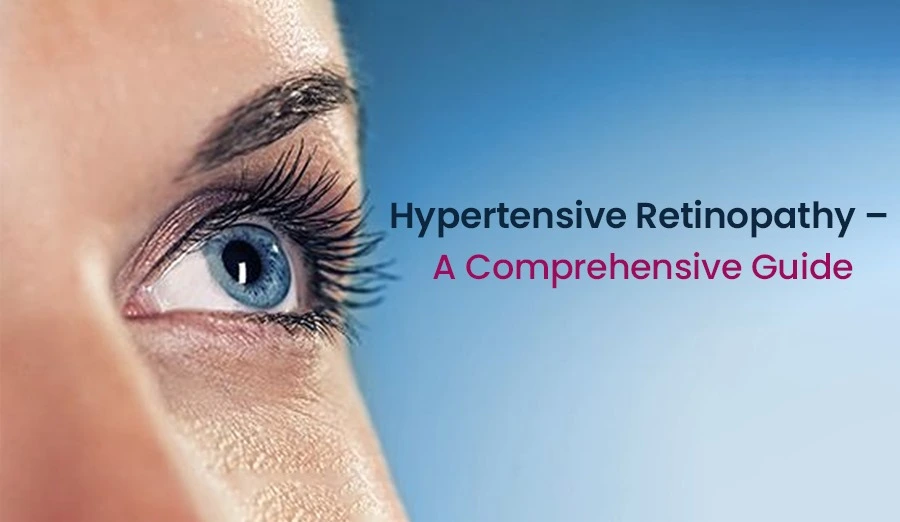
Hypertension, commonly known as high blood pressure, is a widespread health concern that affects millions globally. While most people associate it with heart disease and stroke, its impact on eye health is often overlooked. Hypertension and vision loss are closely connected because prolonged high blood pressure can damage the delicate blood vessels in the eyes, leading to serious complications like hypertensive retinopathy, optic nerve damage, and even blindness.
In this comprehensive guide, we will explore: ✅ The link between hypertension and vision loss ✅ Eye conditions caused by high blood pressure ✅ Early warning signs and symptoms ✅ Prevention strategies to safeguard your eyesight ✅ The best ways to manage hypertension for long-term eye health
By understanding these crucial aspects, you can take proactive steps to maintain both your cardiovascular and visual health.
How Does Hypertension Affect Your Vision?
Hypertension exerts excessive force on blood vessels, affecting blood flow throughout the body. The eyes contain a dense network of tiny blood vessels that supply oxygen and nutrients to crucial structures like the retina and optic nerve. When blood pressure remains high for an extended period, it can weaken or damage these vessels, leading to vision problems.
Here are the key ways high blood pressure affects eye health:
1. Hypertensive Retinopathy
Hypertensive retinopathy occurs when the retina, the light-sensitive tissue at the back of the eye, is damaged due to high blood pressure. The retina plays a vital role in capturing visual images and transmitting them to the brain. Any damage to its blood vessels can result in:
Blurred or distorted vision
Reduced color perception
Eye strain or discomfort
Small hemorrhages (bleeding) in the retina
Severe vision loss in advanced cases
2. Choroidopathy
The choroid is a layer of blood vessels behind the retina that provides oxygen and nutrients. High blood pressure can cause fluid buildup beneath the retina, leading to:
Visual disturbances
Light sensitivity
A feeling of pressure behind the eyes
Potential vision impairment if left untreated
3. Optic Neuropathy
When blood supply to the optic nerve is disrupted due to high blood pressure, it can lead to optic neuropathy. This serious condition can cause:
Partial or complete vision loss
Eye pain
Difficulty distinguishing colors
Blind spots in vision
4. Increased Risk of Glaucoma
Glaucoma is a leading cause of blindness worldwide. Hypertension and vision loss are interconnected because high blood pressure can increase intraocular pressure (pressure inside the eye), making glaucoma more likely. If untreated, glaucoma leads to permanent damage to the optic nerve and irreversible blindness.
Early Signs and Symptoms of Hypertension-Related Eye Problems
One of the biggest challenges with hypertension-related eye conditions is that they often progress silently. Many people do not experience symptoms until significant damage has occurred. However, early warning signs to watch for include:
✔️ Sudden blurry or distorted vision ✔️ Seeing dark spots or floaters ✔️ Eye pain or discomfort ✔️ Persistent headaches accompanied by vision issues ✔️ Difficulty seeing in low light conditions ✔️ Frequent changes in vision prescription
If you notice any of these symptoms, it’s crucial to seek medical attention immediately. Regular eye checkups can detect hypertensive damage early and prevent further complications.
Who Is at Risk?
Certain individuals are more susceptible to hypertension and vision loss than others. Risk factors include:
✔️ Uncontrolled High Blood Pressure – The longer hypertension remains unmanaged, the higher the risk of vision complications. ✔️ Diabetes – Hypertension and diabetes often coexist, increasing the chances of retinal damage. ✔️ Smoking – Smoking damages blood vessels, further increasing the likelihood of hypertensive retinopathy. ✔️ Obesity – Being overweight raises blood pressure levels, contributing to eye problems. ✔️ Family History – Genetics play a role in both hypertension and eye conditions. ✔️ Aging – Older adults are more prone to high blood pressure and its associated risks.
Can Hypertension-Related Vision Loss Be Reversed?
The reversibility of hypertension and vision loss depends on the severity of the damage.
Mild cases: If detected early, vision may improve by controlling blood pressure and making lifestyle changes.
Moderate cases: Some damage can be managed with medication and regular monitoring.
Severe cases: Once the retina or optic nerve is significantly damaged, vision loss is often permanent.
Early diagnosis and treatment offer the best chance of preserving eyesight.
How to Protect Your Vision If You Have Hypertension
Managing hypertension and vision loss starts with adopting a healthy lifestyle and seeking medical care. Here’s how you can protect your eyesight:
1. Monitor and Control Your Blood Pressure
✔️ Regularly check your blood pressure at home ✔️ Take prescribed medications as directed ✔️ Reduce sodium intake to maintain healthy blood pressure
2. Eat a Nutrient-Rich Diet
Include foods rich in vitamins and antioxidants that support eye health:
🥦 Leafy greens (spinach, kale) – rich in lutein and zeaxanthin 🥕 Carrots and sweet potatoes – high in vitamin A 🐟 Fatty fish (salmon, tuna) – loaded with omega-3 fatty acids 🍓 Berries and citrus fruits – packed with vitamin C
3. Stay Physically Active
Regular exercise helps regulate blood pressure and improve circulation. Try: 🏃♂️ Brisk walking or jogging 🧘♀️ Yoga and meditation 🚴♂️ Cycling
4. Avoid Smoking and Limit Alcohol
Both smoking and excessive alcohol can raise blood pressure and damage eye health.
5. Schedule Regular Eye Exams
Routine eye checkups are essential for early detection of hypertensive eye damage. Get an exam at least once a year.
FAQs on Hypertension and Vision Loss
1. Can high blood pressure cause sudden vision loss?
Yes, severe hypertension can lead to sudden vision loss due to retinal hemorrhages or optic nerve damage.
2. What is the best way to prevent hypertension-related eye problems?
Controlling blood pressure through medication, diet, and lifestyle changes is key to preventing vision complications.
3. Can an eye doctor detect high blood pressure?
Yes, an ophthalmologist can identify signs of hypertensive retinopathy during a routine eye exam.
4. Is vision loss from hypertension permanent?
In some cases, vision may improve with treatment, but severe damage can be irreversible.
5. How often should hypertensive patients get eye checkups?
At least once a year, or more frequently if vision issues arise.
Protect Your Vision: Manage Hypertension Before It’s Too Late
The link between hypertension and vision loss is a serious concern that cannot be ignored. High blood pressure can silently damage the eyes over time, leading to irreversible complications. However, with proper lifestyle changes, routine eye exams, and effective medical intervention, you can protect your eyesight. Consulting experts at the Best Eye Hospital in Kolkata can help detect early signs of hypertensive eye damage and provide the necessary care to safeguard your vision.
If you’re experiencing any vision problems related to hypertension, don’t delay seeking professional help. An experienced eye specialist can provide personalized care to safeguard your vision for years to come.
Aging and eye floaters are common as we grow older. Learn more about the causes, symptoms, and when to seek professional care for floaters in your vision. Visiting a eminent eye hospital for regular eye exams is crucial for maintaining optimal eye health.
As we age, our bodies undergo several changes, and our vision is no exception. One of the more common concerns people experience as they grow older is the appearance of eye floaters. But what exactly are they, and why do they seem to be more prevalent as we age? Let’s dive into understanding aging and eye floaters, how they develop, and when you should seek professional help.
Table of Contents
What Are Eye Floaters?
Eye floaters are small, shadowy shapes that appear in your field of vision. They may look like dots, lines, cobwebs, or squiggly shapes that move as your eyes do. While they can be bothersome, they are generally harmless and are a natural part of the aging process.
The main cause of muscae volitantes is the vitreous gel inside the eye. This gel, which fills the space between the lens and retina, can become more liquid as you age. Tiny fibers within the gel can clump together, casting shadows on the retina, which is what you perceive as floaters.
Why Do Eye Floaters Increase with Age?
As you grow older, the vitreous gel becomes less firm and more liquid, a process known as vitreous degeneration. This is the leading cause of myodesopsias. It is entirely natural for the vitreous to shrink and liquefy over time. However, it can cause those tiny clumps to move and cast shadows, resulting in visible floaters in your vision.
Other factors contributing to floaters include:
Changes in the vitreous humor: As the vitreous shrinks, it can pull away from the retina, causing floaters to appear.
Retinal conditions: In some cases, conditions like retinal tears or diabetic retinopathy may lead to floaters. However, these are less common and are often accompanied by more severe symptoms, such as flashes of light.
Eye injuries: Any trauma or injury to the eye can result in floaters.
Eye surgeries: Cataract surgery and other eye procedures may contribute to the development of floaters as well.
What to Expect as You Age and Eye Floaters Appear
As you grow older, it’s common for floaters to appear more frequently. Typically, they become noticeable in your 50s and may increase in number and size over time. For most people, floaters are not a serious issue and do not affect their vision to a significant degree.
However, if you start noticing a sudden increase in floaters, or if they are accompanied by flashes of light or a loss of peripheral vision, it’s essential to seek medical attention immediately. These could be signs of a more serious eye condition, such as a retinal tear or detachment, which requires prompt treatment.
How to Manage Eye Floaters
Although eye floaters can be frustrating, they generally don’t require treatment unless they significantly affect your quality of life. Here are a few tips to help you manage them:
Ignore them: Over time, many floaters become less noticeable as your brain learns to ignore them.
Use proper lighting: Poor lighting can make floaters more noticeable. Ensuring that your environment is well-lit may help reduce their visibility.
Regular eye check-ups: It’s important to get your eyes checked regularly by an eye care professional to monitor any changes in your vision and overall eye health.
Maintain a healthy lifestyle: Eating a diet rich in antioxidants, staying hydrated, and protecting your eyes from UV light can help maintain overall eye health.
When Should You Seek Help from an Eye Specialist?
While floaters are often benign, there are instances when they might signal something more serious. It’s crucial to be aware of certain warning signs and consult an expert promptly. These include:
Sudden increase in floaters: If you notice a sudden onset of floaters, it could be a sign of a retinal issue.
Flashes of light: A sudden burst of flashes in your vision may indicate retinal tears or detachment.
Loss of peripheral vision: If you experience a loss of vision in one or both eyes, it is essential to seek immediate care.
Aging and Eye Floaters: The Role of Regular Eye Exams
Regular eye exams become even more important as you age, especially if you begin to notice floaters. While floaters themselves might not require immediate medical intervention, they can sometimes be an early warning sign of more severe eye conditions. Scheduling routine eye exams allows your eye specialist to track your eye health and detect potential issues before they worsen.
If you want to know more about the black spot in the eye and an in-depth look at eye floaters then you can visit here
Common Myths About Eye Floaters and Aging
When it comes to Diabetic retinopathy, there are many myths and misconceptions that can cause unnecessary concern. Let’s debunk a few:
Myth 1: Floaters are always a sign of a serious problem While floaters can sometimes indicate retinal problems, most of the time they are harmless. They are simply a part of the aging process.
Myth 2: Eye floaters can be removed completely There is no quick fix for floaters. While laser treatment and vitrectomy (a surgery to remove the vitreous gel) are options for some people, they are not always necessary or recommended.
Myth 3: Floaters will go away on their own Some floaters may fade with time, but others might persist. It’s important to manage expectations and understand that floaters may always be part of your visual experience.
Frequently Asked Questions About Aging and Eye Floaters
Q1: Are eye floaters a normal part of aging? Yes, as you age, the vitreous gel in the eye becomes more liquid, which can cause floaters to form. This is a natural process, and most floaters don’t require medical treatment.
Q2: Can eye floaters go away on their own? In some cases, floaters may fade or become less noticeable over time. However, they might not disappear completely.
Q3: When should I see a doctor about my eye floaters? If you experience a sudden increase in floaters, flashes of light, or loss of peripheral vision, you should seek immediate medical attention. These could be signs of a retinal issue that requires prompt treatment.
Q4: Can eye floaters affect my vision long-term? For most people, floaters don’t interfere with daily activities, although they can be bothersome. If they start to impact your vision significantly, consult an eye specialist.
How to Protect Your Eyes as You Age
Taking proactive steps to care for your eyes as you age can help maintain your vision and reduce the likelihood of developing further complications. Here’s what you can do:
Wear sunglasses to protect your eyes from harmful UV rays.
Maintain a healthy diet rich in vitamins like A, C, and E to support eye health.
Quit smoking, as smoking can increase the risk of cataracts and other eye problems.
Exercise regularly to improve blood circulation, including to the eyes.
Get regular eye exams to monitor your eye health and catch any potential issues early.
Aging and Eye Floaters: Prioritizing Eye Health as You Age
As you grow older, it’s entirely natural to notice changes in your vision, such as the appearance of eye floaters. Aging and eye floaters often go hand in hand, with tiny specks, lines, or shadows moving across your vision as a common part of the aging process. However, if you experience sudden changes, an increase in floaters, or other symptoms like flashes of light or loss of vision, it’s important to consult a reputed eye hospital promptly.
Taking care of your eye health and scheduling regular eye exams can help you maintain clear vision as you age and ensure that any potential issues are addressed early. So, remember to protect your eyes, stay aware of changes in your vision, and seek professional care when needed.
Discover the latest treatments for hypertensive retinopathy in 2025. Learn how advancements in medical technology, guided by eye care specialists, can help protect your vision and prevent complications.
Table of Contents
Hypertensive Retinopathy in 2025: Latest Treatments and Advances
Hypertensive retinopathy is a serious eye condition caused by prolonged high blood pressure, leading to damage in the blood vessels of the retina. If left untreated, it can result in vision impairment or even blindness. With the rapid advancement in medical science, new and improved treatments for hypertensive retinopathy are emerging in 2025, offering better outcomes for patients.
In this article, we will explore the latest treatment options, their effectiveness, and how timely medical intervention can help protect your eyesight.
Understanding Hypertensive Retinopathy
Before diving into the latest treatments, it’s crucial to understand how hypertensive retinopathy/ Hypertensive Eye Disease develops and why early diagnosis is essential.
What Causes Hypertensive Eye Disease?
Hypertensive Eye Disease occurs when high blood pressure (hypertension) puts excessive strain on the small blood vessels in the retina, leading to:
Narrowing of retinal arteries
Swelling in the optic nerve
Bleeding or fluid leakage in the retina
Formation of microaneurysms (small, weakened blood vessels)
Over time, if hypertension is uncontrolled, these changes can worsen, leading to vision problems or even permanent blindness.
Symptoms to Watch Out For
Hypertensive Eye Disease often progresses silently, but some key symptoms include:
✔ Blurred or distorted vision ✔ Double vision ✔ Headaches and eye strain ✔ Dark spots or floaters in vision ✔ Reduced color perception
Since symptoms may not appear in the early stages, regular eye check-ups are essential for early detection and management.
The Latest Treatments for Hypertensive Retinopathy in 2025
With medical innovations advancing each year, 2025 has brought new hope for individuals suffering from hypertensive retinopathy. Here are some of the most promising treatments available today:
1. AI-Powered Diagnosis & Early Intervention
Artificial intelligence (AI) has revolutionized the way hypertensive retinopathy is diagnosed. AI-powered retinal imaging scans can detect early signs of retinal damage with high precision, allowing for faster and more accurate treatment plans.
Key Benefits:
Faster diagnosis with machine learning algorithms
Early intervention to prevent severe damage
Personalized treatment plans based on AI analysis
2. Anti-VEGF Injections for Retinal Swelling
Anti-vascular endothelial growth factor (Anti-VEGF) injections have been widely used to treat retinal diseases, and in 2025, they are proving to be highly effective in reducing retinal swelling caused by hypertensive retinopathy.
How It Works:
These injections block abnormal blood vessel growth and prevent fluid leakage in the retina.
Regular injections help stabilize vision and reduce inflammation.
Latest Innovations:
Newer, long-acting Anti-VEGF drugs have been introduced, requiring fewer injections.
AI-assisted imaging helps determine the right dosage for each patient.
3. Advanced Laser Therapy (Photocoagulation)
Laser photocoagulation has been a standard treatment for retinal disorders, but in 2025, advancements have made it more precise and effective.
How It Helps:
Targets and seals leaking blood vessels in the retina.
Prevents further damage and vision loss.
New-generation laser therapy is more comfortable and less invasive.
4. Gene Therapy for Retinal Repair
One of the most groundbreaking advancements in 2025 is the use of gene therapy to treat hypertensive retinopathy. This cutting-edge treatment involves:
Introducing healthy genes into damaged retinal cells to restore their function.
Using CRISPR gene-editing technology to repair defective genes and prevent further damage.
Encouraging natural regeneration of damaged blood vessels in the retina.
Though still in its early stages, gene therapy is showing promising results in clinical trials.
5. Retinal Implants & Smart Contact Lenses
Scientists have developed smart retinal implants and contact lenses that can monitor blood pressure levels in real time and alert patients to any dangerous spikes.
Benefits:
Helps individuals manage hypertension before it affects their vision.
Smart contact lenses continuously analyze eye health without invasive procedures.
Some advanced implants can even deliver medication directly to affected retinal tissues.
6. Personalized Medication & AI-Guided Treatments
With the rise of precision medicine, treatments are now being tailored to individual patient needs. AI-driven retinal scanning and genetic testing help doctors create personalized medication plans that:
Target specific retinal damage caused by high blood pressure.
Minimize side effects by selecting the safest and most effective drugs.
Ensure long-term eye health with customized monitoring plans.
Preventive Measures & Lifestyle Changes
While medical treatments are advancing rapidly, prevention remains key in managing hypertensive retinopathy.
✔ Monitor Blood Pressure Regularly – Keep your BP within a healthy range to prevent retinal damage. ✔ Eat a Healthy Diet – Include foods rich in antioxidants, vitamins A and C, and omega-3 fatty acids. ✔ Stay Hydrated – Proper hydration supports healthy blood flow and eye function. ✔ Exercise Regularly – Physical activity helps maintain healthy blood pressure levels. ✔ Quit Smoking & Reduce Alcohol – Smoking and excessive alcohol can worsen retinal damage. ✔ Schedule Regular Eye Exams – Early detection allows for timely intervention.
FAQs on Hypertensive Eye Disease Treatments
Q1: Can Hypertensive Eye Disease be reversed?
While early-stage Hypertensive Eye Disease can be managed with proper treatment and blood pressure control, severe cases may cause permanent damage. Timely intervention is crucial.
Q2: How often should I get my eyes checked if I have high blood pressure?
It is recommended to have an eye exam at least once a year, or more frequently if you have existing retinal issues.
Q3: Are Anti-VEGF injections painful?
No, these injections are administered under local anesthesia, making the procedure comfortable for patients.
Q4: How effective is laser therapy for Hypertensive Eye Disease?
Laser therapy is highly effective in sealing leaking blood vessels and preventing further damage. However, it works best when combined with blood pressure management.
Q5: Can lifestyle changes alone treat Hypertensive Eye Disease?
Lifestyle changes play a crucial role in preventing further progression, but medical treatment may still be necessary in moderate to severe cases.
Protect Your Vision with the Latest Treatments for Hypertensive Retinopathy
The field of ophthalmology is evolving rapidly, and the latest treatments for hypertensive retinopathy in 2025 offer new hope for patients. From AI-powered diagnosis to gene therapy and advanced retinal implants, medical science is paving the way for better vision care.
While treatment options continue to improve, early detection remains the most effective way to protect your eyesight. If you or someone you know has high blood pressure, regular eye check-ups are essential.
For those seeking expert eye care, the Best Eye Hospital in Kolkata offers advanced treatments and personalized care to ensure the best outcomes for every patient.
Protect your vision—stay informed, get regular check-ups, and embrace the latest advancements in eye health!
Hypertension, commonly known as high blood pressure, is a widespread health condition affecting millions worldwide. While its impact on the heart and kidneys is well-known, many people are unaware of the damage it can cause to the eyes. Hypertensive Retinopathy is a serious eye condition that arises due to prolonged high blood pressure, leading to vision problems and, in severe cases, blindness. As the best eye hospital in Kolkata, Pushpanjali Eye Care aims to spread awareness about this condition, its causes, symptoms, and available treatments.
Table of Contents
What is Hypertensive Retinopathy?
Hypertensive Retinopathy is a condition where high blood pressure causes damage to the blood vessels in the retina—the light-sensitive tissue at the back of the eye. Over time, this can lead to vision impairment, bleeding in the retina, and other complications. Detecting this condition early is crucial for preventing permanent vision loss.
What are the early signs of hypertensive retinopathy?
Early signs of hypertensive retinopathy can be subtle and may not always present noticeable symptoms. However, as the condition progresses, several indicators can emerge. Here are the key early signs to watch for:
1. Narrowing of Retinal Arteries
In the initial stages, an ophthalmologist may observe the narrowing of the retinal arteries during a dilated eye examination. This change is often asymptomatic but is a critical sign of increased blood pressure affecting the eye’s vascular system.
2. Cotton Wool Spots
These fluffy white patches on the retina are indicative of localized retinal ischemia and are often one of the first visible signs of hypertensive retinopathy. They result from small areas of retinal nerve fiber layer infarction.
3. Flame-Shaped Hemorrhages
Small, flame-shaped hemorrhages may appear in the retina as blood vessels begin to rupture due to high blood pressure. These can be detected during an eye exam and signal potential damage to the retinal structure.
4. Blurred Vision
As the condition develops, patients may experience blurred or distorted vision. This symptom can arise from changes in the retina and indicates that the high blood pressure is starting to affect visual clarity.
5. Headaches
While headaches are not exclusive to hypertensive retinopathy, they can accompany elevated blood pressure levels and serve as a warning sign that should prompt further investigation into eye health.
6. Reduced Visual Clarity
Individuals may notice a gradual decline in their ability to see fine details, which can be attributed to changes in the retina caused by hypertension.
Importance of Regular Eye Exams
Because early signs of hypertensive retinopathy can be subtle or non-existent, regular eye examinations are essential for early detection. An eye care professional can identify these changes before significant vision loss occurs, making it crucial for individuals, especially those with known hypertension, to have routine checks.
Causes of Hypertensive Retinopathy
The primary cause of Hypertensive Retinopathy is uncontrolled or prolonged high blood pressure. When blood pressure remains elevated for an extended period, it exerts excessive force on the delicate blood vessels in the retina, leading to damage. Risk factors include:
Chronic hypertension
Diabetes
High cholesterol levels
Smoking
Obesity
A sedentary lifestyle
Family history of hypertension
Symptoms of Hypertensive Retinopathy
In the early stages, Hypertensive Retinopathy may not present noticeable symptoms. However, as the condition progresses, patients may experience:
Blurred or dim vision
Headaches
Double vision
Eye strain or discomfort
Sudden loss of vision (in severe cases)
At Pushpanjali Eye Care, the best eye hospital in Kolkata, we recommend routine eye check-ups for individuals with hypertension to detect and manage this condition at an early stage.
Are there specific eye conditions more common in people with hypertension?
Individuals with hypertension are at an increased risk of developing several specific eye conditions due to the effects of elevated blood pressure on the vascular system of the eyes. Here are the key eye conditions more commonly associated with hypertension:
1. Hypertensive Retinopathy
Hypertensive retinopathy is the most direct consequence of high blood pressure affecting the eyes. It involves damage to the retinal blood vessels, leading to changes such as:
Narrowing of retinal arteries
Retinal hemorrhages
Cotton wool spots (indicating nerve fiber damage)
Exudates (fatty deposits) in the retina
These changes can lead to vision problems and, if untreated, may progress to more severe complications like vision loss.
2. Optic Neuropathy
Hypertensive optic neuropathy occurs when high blood pressure leads to swelling of the optic nerve (papilledema). Symptoms may include:
Blurred or reduced vision
Visual field defects This condition can result in permanent vision loss if not managed appropriately.
3. Retinal Vascular Occlusions
Hypertension increases the risk of both central and branch retinal artery and vein occlusions. These conditions occur when blood flow is blocked in the retinal vessels, potentially leading to:
Sudden vision loss
Distorted vision These occlusions can cause ischemia (lack of blood flow) to the retina, resulting in further complications.
4. Choroidopathy
Choroidopathy involves fluid buildup under the retina due to damage from high blood pressure, which can lead to distorted vision or scarring. This condition may also contribute to vision impairment.
5. Age-Related Macular Degeneration (AMD)
While not directly caused by hypertension, high blood pressure is a risk factor for developing AMD, a condition that affects central vision and can lead to significant visual impairment as one age.
6. Glaucoma
Hypertension may increase the risk of developing glaucoma, a group of eye conditions that damage the optic nerve and can lead to vision loss. Elevated intraocular pressure is a common factor in glaucoma development.
What lifestyle changes can help manage hypertensive retinopathy?
Managing hypertensive retinopathy primarily involves controlling high blood pressure through various lifestyle changes. Here are some effective strategies to help manage this condition:
1. Dietary Adjustments
Reduce Sodium Intake: Lowering salt consumption can significantly help in managing blood pressure. Aim for a diet that includes fresh fruits, vegetables, whole grains, and lean proteins.
Adopt a Heart-Healthy Diet: Consider following dietary approaches such as the DASH (Dietary Approaches to Stop Hypertension) diet or a Mediterranean diet, which emphasizes whole foods and limits processed items.
Increase Potassium-Rich Foods: Foods high in potassium, like bananas, oranges, spinach, and sweet potatoes, can help balance sodium levels and lower blood pressure.
2. Regular Physical Activity
Engaging in regular exercise is crucial for maintaining healthy blood pressure levels. Aim for at least 30 minutes of moderate-intensity exercise most days of the week. Activities can include:
Walking
Cycling
Swimming
Yoga
3. Weight Management
If overweight or obese, losing even a small percentage of body weight can help reduce blood pressure significantly. A combination of a healthy diet and regular exercise is essential for effective weight management.
4. Quit Smoking
Smoking can exacerbate hypertension and lead to further vascular damage. Quitting smoking is one of the most beneficial changes you can make for your overall health and eye health.
5. Limit Alcohol Consumption
Excessive alcohol intake can raise blood pressure. It’s advisable to limit alcohol consumption to moderate levels—up to one drink per day for women and two drinks per day for men.
6. Stress Management
Chronic stress can contribute to high blood pressure. Implement stress-reducing techniques such as:
Mindfulness meditation
Deep breathing exercises
Engaging in hobbies
Spending time with loved ones
7. Regular Monitoring and Medical Check-Ups
Regularly monitoring your blood pressure at home and attending routine check-ups with healthcare providers is crucial for managing hypertension effectively. This allows for timely adjustments in treatment if necessary.
8. Medication Adherence
If prescribed antihypertensive medications, it’s vital to take them as directed by your healthcare provider. These medications can help control blood pressure and prevent further damage to the retina.
How can I protect my eyes if I have hypertension?
To protect your eyes if you have hypertension, it’s essential to adopt a comprehensive approach that includes lifestyle modifications, regular monitoring, and proactive eye care. Here are several strategies to help safeguard your vision:
1. Maintain Healthy Blood Pressure
Regular Monitoring: Keep track of your blood pressure readings at home and during medical visits. This helps ensure that your levels remain within a healthy range.
Medication Adherence: If prescribed antihypertensive medications, take them as directed by your healthcare provider to manage your blood pressure effectively.
2. Healthy Diet
Low-Sodium Diet: Reduce sodium intake by choosing low-sodium options and limiting processed foods. High salt consumption can elevate blood pressure, increasing the risk of hypertensive retinopathy.
Balanced Nutrition: Incorporate plenty of fruits, vegetables, whole grains, and lean proteins into your diet. Foods rich in antioxidants and omega-3 fatty acids support overall eye health.
3. Regular Exercise
Engage in regular physical activity, aiming for at least 30 minutes of moderate exercise most days of the week. Activities like walking, cycling, or swimming can help lower blood pressure and improve circulation to the eyes.
4. Weight Management
If overweight, losing even a small percentage of body weight can significantly help in controlling blood pressure. Focus on a combination of healthy eating and regular physical activity to achieve and maintain a healthy weight.
5. Limit Alcohol and Caffeine
Alcohol: Reduce alcohol consumption as excessive drinking can raise blood pressure.
Caffeine: Limit caffeine intake since it may cause temporary spikes in blood pressure.
6. Quit Smoking
If you smoke, seek support to quit. Smoking can worsen hypertension and increase the risk of eye diseases, including hypertensive retinopathy.
7. Stress Management
Practice stress-reducing techniques such as mindfulness meditation, yoga, or deep breathing exercises. Managing stress effectively can help keep blood pressure in check.
8. Regular Eye Exams
Schedule regular comprehensive eye examinations with an eye care professional to monitor for any signs of hypertensive retinopathy or other related conditions. Early detection is crucial for effective management.
9. Protective Eyewear
Wear sunglasses that block UV rays when outdoors to protect your eyes from sun damage. Additionally, use protective eyewear during activities that could pose a risk to your eyes.
How often should someone with hypertension get their eyes checked?
Individuals with hypertension should have their eyes checked regularly to monitor for potential complications such as hypertensive retinopathy. The frequency of eye examinations can vary based on individual circumstances, but general guidelines suggest the following:
Recommended Eye Exam Frequency for Individuals with Hypertension
Annual Eye Exams:
For individuals with hypertension, it is generally recommended to have a comprehensive eye exam at least once a year. This allows for timely detection of any changes in the retina or other eye structures that may result from high blood pressure.
Increased Frequency for Specific Conditions:
If you have additional risk factors, such as diabetes or a family history of eye disease, more frequent exams may be necessary. In such cases, your eye care provider might recommend examinations every six months to ensure close monitoring and early intervention if needed.
Consultation with Eye Care Professionals:
It’s crucial to follow the specific recommendations of your eye care professional, who can tailor the exam schedule based on your overall health, severity of hypertension, and any existing eye conditions.
Importance of Regular Eye Exams
Regular eye exams are vital for individuals with hypertension because they help identify early signs of hypertensive retinopathy and other related conditions before significant damage occurs. Early detection can lead to timely treatment, potentially preserving vision and improving overall health outcomes.
FAQ
What is Hypertensive Retinopathy?
Hypertensive Retinopathy is a condition where high blood pressure damages the blood vessels in the retina, potentially leading to vision problems.
What are the symptoms of Hypertensive Retinopathy?
Symptoms include blurred vision, headaches, double vision, eye discomfort, and, in severe cases, sudden vision loss.
How is Hypertensive Retinopathy diagnosed?
It is diagnosed through an eye exam using fundoscopy, fluorescein angiography, or optical coherence tomography (OCT).
Can Hypertensive Retinopathy be treated?
Treatment focuses on controlling blood pressure, along with possible laser therapy or anti-VEGF injections for severe cases.
How can I prevent Hypertensive Retinopathy?
Maintaining normal blood pressure, a healthy diet, regular exercise, and routine eye check-ups can help prevent this condition.
Why Choose Pushpanjali Eye Care for Hypertensive Retinopathy Treatment?
At Pushpanjali Eye Care, we are committed to providing the highest quality eye care services. Our expert ophthalmologists, advanced diagnostic equipment, and patient-centric approach make us the best eye hospital in Kolkata for managing Hypertensive Retinopathy. We offer personalized treatment plans to ensure the best outcomes for our patients.
Conclusion
Hypertensive Retinopathy is a serious eye condition that can lead to irreversible vision loss if left untreated. Regular eye check-ups and proper blood pressure management are key to preventing complications. If you or a loved one have hypertension, schedule an eye examination at Pushpanjali Eye Care, the best eye hospital in Kolkata, to safeguard your vision.
Post-laser iridotomy vision problems can include blurry vision. Experts at a reputed eye hospital, experts explain why this happens, how long it lasts, and what to do if it persists.
Laser iridotomy is a common and effective procedure used to treat or prevent angle-closure glaucoma. By creating a tiny hole in the iris, it helps fluid drain properly, reducing intraocular pressure (IOP) and preventing optic nerve damage.
However, many patients experience temporary vision problems after the procedure, including blurry vision, glare, halos, and sensitivity to light. While these symptoms are usually not a cause for concern, they can be distressing if you don’t know what to expect.
This article will cover:
Why blurry vision happens after laser iridotomy
How long it typically lasts
What you can do to manage and improve your vision
When you should seek medical attention
By understanding post-laser iridotomy vision problems, you can navigate your recovery with confidence and ensure the best possible eye health.
Table of Contents
What Is Laser Iridotomy and Why Is It Performed?
What Is Laser Iridotomy?
Laser iridotomy is a minimally invasive laser procedure used to treat or prevent angle-closure glaucoma, a serious condition where the eye’s drainage system becomes blocked, causing a dangerous rise in eye pressure.
During the procedure:
A laser is used to create a tiny hole in the iris (the colored part of the eye).
This hole allows fluid (aqueous humor) to flow more freely, reducing eye pressure.
It prevents glaucoma attacks and long-term vision damage.
Who Needs Laser Iridotomy?
Your eye specialist may recommend a laser iridotomy if you: ✅ Have narrow-angle glaucoma or are at high risk of developing it ✅ Experience sudden eye pain, blurred vision, or headaches due to high IOP ✅ Have been diagnosed with chronic angle-closure glaucoma ✅ Want to prevent a glaucoma emergency before it happens
The procedure is generally quick and safe, but temporary side effects, such as post-laser iridotomy vision problems, can occur.
Why Does Blurry Vision Happen After Laser Iridotomy?
1. Inflammation and Swelling
The laser disrupts the iris tissue, triggering a mild inflammatory response.
This inflammation can cause temporary swelling and clouding of vision.
Eye drops (steroids or anti-inflammatory drops) help speed up healing.
2. Light Scatter and Halos
The small hole created in the iris can cause light to scatter abnormally, leading to:
Halos around lights
Increased glare
Mild light sensitivity
This effect is usually temporary as the brain adjusts to the new light flow.
3. Temporary Increase in Eye Pressure
Some patients experience a temporary rise in intraocular pressure (IOP) after the procedure.
Increased pressure can cause:
Blurred vision
Headaches
Eye discomfort
Your doctor may prescribe IOP-lowering eye drops to prevent this.
4. Corneal Edema (Swelling of the Cornea)
The laser’s heat can cause temporary swelling in the cornea, leading to a foggy or blurred appearance.
Corneal swelling usually resolves within a few days.
5. Tear Film Disruption and Dryness
Laser treatment can cause temporary tear film instability, leading to:
Dry eyes
Mild irritation
Blurry vision
Using artificial tears helps restore eye moisture and clarity.
How Long Does Blurry Vision Last?
The period of blurry imaginative and prescience varies from character to man or woman. beneath is a standard timeline of what to expect:
Time After Procedure
Expected Vision Changes
First 24-48 hours
Mild blurriness, light sensitivity, and glare
Within 1 week
Inflammation reduces, vision starts improving
2-4 weeks
Light scatter and halos decrease, vision stabilizes
Beyond 1 month
Most symptoms subside, normal vision returns
For most patients, vision returns to normal within a few weeks. However, in rare cases, some symptoms may persist for a longer period.
When Should You Be Concerned About Post-Laser Iridotomy Vision Problems?
While mild blurry vision is normal, certain symptoms may indicate complications. You should get in touch your eye doctor if you enjoy:
🚨 Blurry vision lasting beyond 4-6 weeks 🚨 Severe eye pain or discomfort 🚨 A sudden increase in floaters or flashes of light 🚨 Severe glare or halos interfering with daily life 🚨 Persistent redness or swelling
These signs could indicate pressure spikes, infection, or retinal issues, which require immediate medical attention.
If you want to know more about What specific risks are associated with laser iridotomy then you can visit here
How to Manage Blurry Vision After Laser Iridotomy
1. Use Your Prescribed Eye Drops
Anti-inflammatory drops reduce swelling and speed up healing.
Pressure-lowering drops help stabilize IOP and prevent complications.
2. Avoid Eye Strain
Limit screen time for the first few days.
Avoid reading small text or staring at bright screens for long periods.
3. Keep Your Eyes Hydrated
Use preservative-free artificial tears to prevent dryness.
Drink plenty of water to support healing.
4. Protect Your Eyes from Bright Light
Wear sunglasses when going outside to reduce glare.
Avoid harsh indoor lighting that can worsen light sensitivity.
5. Follow Up with Your Eye Doctor
Attend scheduled check-ups to monitor healing.
Report any persistent or unusual symptoms.
FAQs on Blurry Vision After Laser Iridotomy
1. Is blurry vision after laser iridotomy permanent?
No, blurry vision is usually temporary and improves within a few weeks. If it lasts longer, consult your doctor.
2. Can laser iridotomy cause long-term glare or halos?
Some patients may experience mild glare or halos, but they often diminish over time as the brain adapts.
3. How can I speed up my vision recovery?
Use prescribed eye drops regularly
Protect your eyes from bright light
Avoid rubbing your eyes
4. When should I be worried about vision changes?
Seek medical help if you experience sudden vision loss, severe pain, or persistent blurry vision beyond a month.
5. Can I wear contact lenses after laser iridotomy?
Doctors usually recommend waiting at least a few weeks before wearing contact lenses again. Follow your doctor’s guidance.
Post-Laser Iridotomy Vision Problems: Recovery Tips & When to Act
Blurry vision after laser iridotomy is a common and temporary side effect. Causes include inflammation, light scatter, temporary pressure fluctuations, and corneal swelling.
For most patients, vision gradually improves within a few weeks. However, if symptoms persist beyond a month or worsen, it’s crucial to seek help from the Best Eye Hospital In Kolkata.
Expert ophthalmologists offer comprehensive post-procedure care to support optimal recovery and long-term eye health. If you’re experiencing post-laser iridotomy vision problems, seeking professional guidance can help ensure proper recovery and address any concerns.
Protecting your eyes from UV damage is crucial for long-term eye health. Learn how to safeguard your vision with tips and best practices from experts at a reputed eye hospital in eye health and UV protection.
Table of Contents
Essential Tips for Eye Health and UV Protection
When it comes to protecting your health, most people think about safeguarding their heart, lungs, or skin, but one vital part of the body often gets overlooked—our eyes. Eye health and UV protection are crucial aspects of overall well-being, yet many people underestimate the long-term impact of UV radiation on their vision. Without proper protection, prolonged exposure to UV rays can lead to eye diseases, including cataracts, macular degeneration, and even skin cancer around the eyelids.
In this article, we’ll explore why eye health and UV protection are essential and provide practical tips and best practices to shield your eyes from the harmful effects of UV rays. By the end of this post, you’ll have a deeper understanding of how to safeguard your eyes from UV damage, along with expert recommendations for long-lasting eye health.
Understanding UV Damage and Its Impact on Eye Health
What is UV Radiation?
UV radiation is a form of light energy emitted by the sun. it’s miles divided into 3 types: UVA, UVB, and UVC. While UVC rays are absorbed by the Earth’s atmosphere and don’t reach our eyes, UVA and UVB rays can cause damage. UVA rays are the longest wavelength and penetrate deep into the skin, causing premature aging, and they also affect the eyes. UVB rays are more intense and can cause sunburns and more immediate damage to the eyes.
How UV Rays Affect Your Eyes
UV radiation can harm diverse elements of the attention:
Cornea: Excessive exposure to UV rays can lead to corneal damage, which can result in photokeratitis or “sunburn” of the eye.
Lens: Long-term UV exposure can increase the risk of developing cataracts, a condition that clouds the eye’s natural lens, impairing vision.
Retina: UVA rays can penetrate the eye and contribute to macular degeneration, a leading cause of vision loss in older adults.
Skin around the Eyes: The delicate skin surrounding the eyes is prone to UV-induced damage, including wrinkles, sunspots, and even skin cancer.
The Role of Eye Health and UV Protection
When it comes to eye health and UV protection, taking preventive measures is key. Even if you can’t see the damage happening, over time, it can accumulate and lead to significant problems. So, taking action to protect your eyes from UV exposure is not only a matter of comfort but also one of long-term health.
Top Tips for Protecting Your Eyes from UV Damage
Here are some practical tips and best practices to safeguard your eyes from harmful UV rays:
1. Wear Sunglasses with 100% UV Protection
Sunglasses are not just a fashion statement—they are one of the most effective ways to protect your eyes from harmful UV rays. Search for shades that block a hundred% of both UVA and UVB rays. Polarized lenses are also a great choice as they reduce glare and improve comfort, especially when driving or near water.
2. Opt for Wide-Brimmed Hats
A wide-brimmed hat provides extra protection for your eyes by blocking direct sunlight and reducing UV exposure. It’s especially helpful during the summer months when the sun’s rays are at their strongest. A hat combined with sunglasses offers a great shield against UV damage.
3. Avoid Direct Sun Exposure
The solar’s UV rays are strongest between 10 a.m. and 4 p.m., so try to limit your time outdoors during these hours. If you must be outside, take frequent breaks in the shade, and ensure you wear protective eyewear. The more you can reduce direct sun exposure, the better for your eyes.
4. Choose UV-Protective Contact Lenses
Some contact lenses offer UV protection built-in. While they are not a substitute for sunglasses, UV-blocking contact lenses can provide an extra layer of defense. However, they only protect the cornea and not the entire eye, so it’s still crucial to wear sunglasses in addition to contacts.
5. Keep Your Eyes Moisturized
UV radiation can cause dry eyes and irritation. To avoid discomfort, use lubricating eye drops to keep your eyes moisturized. This is especially important if you wear contact lenses or are outdoors for extended periods.
6. Use Sunscreen Around Your Eyes
The skin around your eyes is thin and delicate, making it highly susceptible to UV damage. Apply a sunscreen or sunscreen-specific cream around the eyes to protect against sunburn and prevent wrinkles. Look for products that are designed for the eye area, as they are less likely to cause irritation.
7. Regular Eye Exams
Regular eye exams are essential for early detection of potential issues caused by UV exposure. If you have concerns about your eye health or notice any changes in your vision, consult with an eye care specialist who can help assess and guide you on the best protective measures.
If you want to know about how UV rays impact your cornea health then you can visit here
The Importance of Professional Eye Care in UV Protection
Even if you follow all the right steps to protect your eyes, professional care is vital. Experts in eye health and UV protection can provide personalized guidance on how to best care for your eyes. A qualified ophthalmologist can also detect UV-induced damage in its early stages, preventing more serious issues down the road.
When looking for the best eye care, it’s essential to choose a reputable eye hospital. Whether you’re dealing with cataracts, macular degeneration, or simply need routine care, make sure to seek help from a trusted institution.
FAQs About Protecting Eyes from UV Damage
Q1: Can UV rays affect your eyes even on cloudy days?
Yes, UV rays can still reach your eyes on cloudy days or in winter. Up to 80% of UV rays can pass through clouds, so it’s crucial to protect your eyes year-round, even when the weather seems mild.
Q2: Is there any age group more vulnerable to UV damage?
Children and older adults are particularly vulnerable to UV damage. Children’s eyes are more sensitive to UV rays, and their eye protection system is still developing. On the other hand, older adults are at higher risk for age-related eye conditions like cataracts and macular degeneration, which can be exacerbated by UV exposure.
Q3: Are there any foods that can help protect my eyes from UV damage?
Yes! Certain foods can help support your eye health. Foods rich in antioxidants, such as leafy greens, carrots, and berries, are great for protecting your eyes. These foods can help combat oxidative stress caused by UV exposure.
Q4: How often should I have my eyes checked?
For healthy individuals, an eye exam every two years is recommended. However, if you experience any changes in vision or discomfort, you should seek care sooner. Regular check-ups will help ensure your eyes are healthy and free from UV damage.
Q5: Can wearing contact lenses alone protect my eyes from UV damage?
While some contact lenses provide UV protection, they do not protect the entire eye, such as the area around the eyes. Sunglasses should always be worn in addition to contact lenses to ensure full UV protection.
Protecting Your Vision for a Lifetime
Taking care of your eyes is essential, and protecting them from UV damage is one of the best investments you can make for your long-term vision health. By following these simple yet effective tips for eye health and UV protection, you can ensure that your eyes remain healthy and your vision stays clear for years to come. Always remember, that regular eye check-ups and professional guidance from the Best Eye Hospital in Kolkata play a crucial role in safeguarding your eyes against UV damage.
Whether you’re spending time outdoors or simply enjoying everyday activities, don’t forget to protect your eyes from the sun’s harmful rays. Your eyes are precious—take proactive steps today to preserve your vision for tomorrow.
Eye floaters are specks, cobwebs, or shadowy shapes that drift across your field of vision. These floaters are small clusters of cells or protein inside the vitreous, the gel-like substance filling the eye. While usually harmless, they can sometimes indicate underlying eye conditions requiring medical attention. At Pushpanjali Eye Care, the best eye hospital in Kolkata, we specialize in diagnosing and offering advanced treatments for eye floaters to ensure optimal eye health.
Causes of Eye Floaters
Eye floaters commonly occur due to age-related changes in the vitreous. However, other factors can contribute, including:
Ageing: The most common cause; as we grow older, the vitreous shrinks and becomes more liquid, leading to clumps that cast shadows on the retina.
Eye Infections and Inflammation: Conditions like uveitis can lead to the development of floaters.
Retinal Tears or Detachment: Sudden onset of multiple floaters, especially with flashes of light, may indicate retinal detachment, a serious condition requiring immediate medical attention.
Diabetic Retinopathy: Diabetes-related damage to blood vessels in the retina can result in bleeding into the vitreous, causing floaters.
Eye Injuries or Trauma: A blow to the eye can sometimes lead to floaters due to internal damage.
Post-Surgical Changes: Some individuals experience floaters after cataract or eye surgery.
Preventions for Eye Floaters
While not all cases of eye floaters can be prevented, some proactive measures can help minimize the risk:
Regular Eye Checkups: Visiting the best eye hospital in Kolkata, like Pushpanjali Eye Care, ensures early detection of potential eye conditions.
Maintain a Healthy Diet: Consuming foods rich in vitamins A, C, and E, along with omega-3 fatty acids, helps keep your eyes healthy.
Stay Hydrated: Proper hydration prevents excessive shrinkage of the vitreous gel.
Manage Chronic Conditions: Controlling diabetes and hypertension can reduce the risk of floaters caused by retinal complications.
Protect Your Eyes: Wear sunglasses to shield your eyes from harmful UV rays and safety goggles if engaged in high-risk activities.
Avoid Eye Strain: Reduce prolonged screen exposure and practice the 20-20-20 rule to rest your eyes.
Quit Smoking and Reduce Alcohol Consumption: Both can contribute to oxidative stress, accelerating eye deterioration.
Treatments for Eye Floaters
For mild cases, treatment may not be necessary as the brain gradually adapts, making floaters less noticeable. However, when they interfere significantly with vision, several medical interventions are available:
1. Observation and Monitoring
Most cases of eye floaters do not require treatment. A doctor at Pushpanjali Eye Care, the best eye hospital in Kolkata, will assess whether your floaters are harmless or indicate a serious condition.
2. Laser Vitreolysis
A non-invasive laser procedure breaks up large floaters into smaller, less noticeable fragments. This procedure is effective for specific cases but may not suit all patients.
3. Vitrectomy
A vitrectomy may be recommended in severe cases where floaters significantly impair vision. This surgical procedure removes the vitreous gel and replaces it with a clear solution. While effective, it carries risks such as retinal detachment and infections.
4. Medications for Underlying Causes
If eye floaters result from inflammation or infections, anti-inflammatory medications, corticosteroids, or antibiotics may help resolve the issue.
5. Lifestyle Modifications and Home Remedies
Moving your eyes around can help shift floaters out of your central vision.
Ensuring proper hydration and a nutrient-rich diet supports overall eye health.
What are the most effective natural remedies for eye floaters?
While surgery is considered the main treatment for severe eye floaters, several natural remedies may help improve overall eye health and reduce the annoyance caused by floaters.
Here are some approaches:
Dietary Adjustments: A balanced diet with specific nutrients may improve eye health.
Vitamin A-rich foods: Carrots, sweet potatoes, leafy greens, fish, liver, and dairy products (milk, cheese, and eggs) can improve blood circulation and prevent dry eyes.
Antioxidants: Amla (Indian gooseberry) is rich in vitamin C and antioxidants, which may help improve eye health and reduce inflammation.
Pineapple: Eating a certain amount of pineapple daily may help reduce or eliminate eye floaters.
Ginger and Turmeric: Adding ginger or turmeric to your diet may improve blood circulation.
Vitamins and Supplements: Certain supplements can support overall eye health, though they may not specifically target floaters.
Ginkgo Biloba: May improve blood flow and promote better vision.
Omega-3 Fatty Acids: Recommended for improving blood flow and promoting better vision.
Zinc: Can support eye health.
Vitamins A, C, and E: These vitamins may support overall eye health.
Eye Exercises: Eye exercises may improve blood circulation in the eyes, potentially reducing the number of floaters you notice.
Eye Rotations: Slowly move your eyes in a circular motion, clockwise and anticlockwise.
Near and Far Focusing: Focus on a small object at arm’s length, then focus on a distant object.
Palming: Rub your hands together to generate heat, then gently place them over your closed eyes.
Blinking: Blink rapidly for a few seconds, then close your eyes and relax.
Hyaluronic Acid Eye Drops: Some claim hyaluronic acid eye drops may help dissolve eye floaters, but there isn’t much scientific evidence to support this.
Hydration: Proper hydration is crucial, as it provides key nutrients for your vision.
Rest and Relaxation: Getting enough sleep can prevent stress on the eyes, making floaters seem less apparent.
Quit Smoking: Smoking affects blood circulation, potentially contributing to floaters.
Ayurvedic Treatments:
Herbal eye drops: Ayurvedic medicine uses herbal eye drops to treat eye floaters.
Triphala: Known for its anti-inflammatory and antioxidant properties, Triphala is often used to help reduce eye inflammation and improve vision.
Ashwagandha: This adaptogenic herb helps reduce stress and anxiety and has antioxidant properties that can help protect the eyes from oxidative damage.
Bilberry: A rich source of anthocyanins, Bilberry provides antioxidants to the body that can help improve blood flow to the eyes and reduce inflammation.
Panchakarma detoxification therapy: A therapy used in Ayurvedic medicine.
Nasya therapy: Another Ayurvedic treatment.
Shiro abhyanga, Netra tharpanam, and Sirodhara: Therapies employed for harmless cases of eye floaters.
It’s important to note that while these remedies may help manage floaters and support eye health, they may not eliminate floaters. If floaters significantly impair vision or are accompanied by other symptoms, consult an eye doctor.
Are there any specific exercises that can help reduce eye floaters?
Yes, certain eye exercises are believed to improve blood circulation in the eyes and reduce the prominence of eye floaters. However, some sources state there is no scientific evidence to support that eye exercises reduce eye floaters. Here are some exercises you can try:
Moving Your Eyes: Rapidly moving your eyes up and down or from left to right can help shift floaters away from the center of your vision. This “flicking” motion can temporarily move the floaters.
Eye Rotations: Sit comfortably and slowly move your eyes in a circular motion, both clockwise and anticlockwise. Repeat this exercise several times.
Near and Far Focusing: Hold a small object at arm’s length and focus on it for a few seconds, then focus on an object in the distance for a few seconds. Repeat this exercise several times.
The 20-20-20 Rule: To ease digital eye strain, every 20 minutes, look at something 20 feet away for 20 seconds.
Figure 8: Focus on an area on the floor around 8 feet away and move your eyes in the shape of a figure 8 for 30 seconds, then switch direction.
Palming: Rub your hands together to generate heat, then gently place them over your closed eyes. Repeat after taking a few deep breaths and relax for a few minutes.
Blinking: Blink rapidly for a few seconds, then close your eyes and relax for a few seconds. Repeat this process several times.
It’s also important to manage eye strain by taking regular breaks from screens. The 20-20-20 rule can help with this. If floaters get worse or appear with flashes, consult your doctor.
How does smoking affect the appearance of eye floaters?
Smoking can affect the appearance of eye floaters by impacting overall eye health and blood circulation. Here’s how:
Increased Risk of Floaters: Cigarettes contain harmful chemicals that can damage your eyes and potentially lead to the development of floaters.
Worsening Existing Floaters: If you already have eye floaters, smoking can worsen them.
Impact on Blood Circulation: Smoking affects blood circulation, which may contribute to the appearance of floaters. Nicotine, found in tobacco, acts as a stimulant, leading to increased heart rate and narrowing of blood vessels.
Inflammation: Smoking may cause inflammation, potentially leading to the development of eye floaters.
Other Eye Issues: Smoking can lead to other eye conditions, such as cataracts and age-related macular degeneration (AMD). Smokers are two to three times more likely to develop cataracts. Smoking is also a major contributor to the early development of AMD. These conditions, while distinct from floaters, can also affect vision.
Dry Eyes and Irritation: Cigarette smoke can irritate the eyes, leading to a breakdown in the tear film and causing dryness and discomfort.
When to See a Doctor?
While occasional floaters are normal, seek immediate medical attention if you experience:
A sudden increase in the number of floaters
Flashes of light
Loss of peripheral vision
Blurry vision or dark shadows across the vision
At Pushpanjali Eye Care, the best eye hospital in Kolkata, our experienced ophthalmologists specialize in comprehensive treatments for eye floaters, ensuring you receive the best care.
FAQ
1. Can eye floaters be permanently removed?
Yes, severe cases can be treated with vitrectomy or laser vitreolysis, but most floaters fade over time without medical intervention.
2. Are eye floaters a sign of a serious condition?
Occasional floaters are harmless, but sudden increases with flashes of light or vision loss may indicate a serious problem like retinal detachment.
3. Can lifestyle changes reduce eye floaters?
Yes, staying hydrated, maintaining a healthy diet, and avoiding excessive screen time can help improve overall eye health.
4. How long do eye floaters last?
Some floaters fade over weeks or months, but others may persist permanently without affecting vision significantly.
5. When should I see a doctor for eye floaters?
If floaters suddenly increase, are accompanied by flashes, or cause vision impairment, you should visit an eye specialist immediately.
Conclusion
While eye floaters are usually harmless, persistent or worsening symptoms should never be ignored. Preventative care, regular eye checkups, and timely treatments can help maintain clear vision. If you’re experiencing bothersome floaters, visit Pushpanjali Eye Care, the best eye hospital in Kolkata, for expert diagnosis and advanced treatments for eye floaters. Your vision is precious—let us help you protect it!
Have you ever noticed tiny black spots or shadowy shapes drifting across your vision? These are commonly known as eye floaters. While they can be concerning, in most cases, they are harmless. However, a sudden increase in floaters, flashes of light, or vision loss could indicate a more serious eye condition. If you are experiencing such symptoms, visiting one of the best eye hospitals in Kolkata, Pushpanjali Eye Care, is essential for early diagnosis and treatment.
Table of Contents
What Are Eye Floaters?
Eye floaters are specks, threads, or cobweb-like shapes that appear to drift in front of your vision. They are most noticeable when looking at a bright background, such as the sky or a white wall. These floaters are small clusters of protein or cellular debris inside the vitreous humor—the gel-like substance that fills the inside of the eye.
Causes of Eye Floaters
Eye floaters typically occur due to:
Age-Related Changes: As we age, the vitreous humor becomes more liquid, causing microscopic fibers to clump together and cast shadows on the retina.
Eye Infections or Inflammation: Conditions like uveitis (inflammation of the eye) can lead to the presence of black spots in the eye.
Retinal Detachment or Tear: A sudden appearance of multiple floaters, accompanied by flashes of light, may indicate a retinal tear or detachment, a serious condition requiring immediate medical attention.
Diabetic Retinopathy: In diabetic patients, bleeding inside the eye can cause the appearance of floaters.
Eye Injuries: Trauma to the eye can lead to floaters due to bleeding or inflammation.
How can eye floaters affect daily activities?
Eye floaters can affect daily activities, though many people adjust to them over time. Here’s how:
Visual Disturbances: Floaters are tiny clumps of debris that cause disturbances such as specks or threads that float across your vision. They may appear as dark or light areas and can make your vision look slightly blurry.
Interference with Vision: In some instances, floaters can persist and obscure central vision, leading to difficulties in activities like reading or driving.
Adaptation: The brain can adapt to changes in vision and often learns to ignore floaters. The brain may become accustomed to the floaters and may decide not to ‘inform’ you of their presence.
Fluctuation: Eye floaters can vary in different light conditions and may appear more prominent against light backgrounds. Some people notice floaters more when they are tired or at the end of the day.
Psychological Impact: Having floaters may cause you to feel more anxiety, depression, or stress.
Eye Strain: Eye floaters can feel worse or more noticeable when your eyes are tired. You can manage or prevent eye strain by reducing how often and long you look at computer screens. Taking regular breaks and avoiding working in bright white backgrounds where eye floaters can be more noticeable could also be helpful.
Impact of Focus: The more you focus on your eye floaters the more you notice them. If you ignore them, your brain usually learns to make them ‘disappear’.
When to See an Eye Specialist?
While most floaters are benign, it is crucial to seek medical attention if you experience:
A sudden increase in floaters
Flashes of light in your peripheral vision
A dark shadow or curtain covering part of your vision
Eye pain or discomfort These symptoms may indicate serious conditions like a retinal tear or detachment, which require immediate treatment at one of the best eye hospitals in Kolkata, Pushpanjali Eye Care.
How can I tell if my eye floaters are getting worse?
You can tell if your eye floaters are getting worse by monitoring any changes in their frequency, intensity, size, or shape. A sudden increase in the number of floaters, flashes of light, or a loss of side vision are also signs that the condition is worsening and requires immediate medical attention. Eye pain and blurry vision also warrant prompt consultation with an ophthalmologist.
Here’s what to watch out for:
Increased frequency:Are you noticing floaters more often than before?
Changes in appearance:Are the floaters changing in intensity, size, or shape?
Sudden increase:A sudden surge in the number of floaters is a serious sign.
Flashes of light: The appearance of flashes of light, especially in the side of your vision, can indicate a problem.
Vision loss:Any loss of peripheral (side) vision should be evaluated immediately.
Eye pain:The development of eye pain requires prompt medical attention.
Blurry vision:New or worsening blurry vision should be checked by a doctor.
If you experience any of these symptoms, especially a sudden increase in floaters, it is essential to see an ophthalmologist or eye care provider immediately. These symptoms could indicate a retinal tear or detachment, which can lead to vision loss if left untreated. A thorough eye exam, including dilation, is necessary to assess the condition of your retina.
Diagnosis and Treatment
At Pushpanjali Eye Care, we use advanced diagnostic tools to assess the cause of black spots in the eye. The diagnostic process includes:
Dilated Eye Exam: A thorough examination of the retina to check for any tears or detachments.
Optical Coherence Tomography (OCT): A non-invasive imaging technique to get a detailed view of the retina and vitreous.
Ultrasound Imaging: If the retina cannot be viewed clearly, an ultrasound may help detect abnormalities.
Treatment Options
Observation: In most cases, floaters are harmless and do not require treatment.
Laser Vitreolysis: A laser procedure to break up floaters, making them less noticeable.
Vitrectomy: A surgical procedure to remove the vitreous humor along with the floaters, typically performed in severe cases.
Treatment for Underlying Conditions: If floaters are due to inflammation, infections, or retinal issues, appropriate medications or surgical interventions may be required.
Preventing Eye Floaters
While it may not be possible to prevent all cases of eye floaters, you can maintain good eye health by:
Having regular eye check-ups, especially if you are over 40
Managing conditions like diabetes and high blood pressure
Wearing protective eyewear to prevent eye injuries
Following a healthy diet rich in antioxidants and Omega-3 fatty acids
Can diet or lifestyle changes help manage eye floaters?
Yes, certain dietary and lifestyle changes may help manage eye floaters.
Dietary Modifications:
Micronutrients: Research suggests that diets rich in specific micronutrients like zinc, l-lysine, and vitamin C may help improve vision by reducing eye floaters.
Vitamin A: Foods rich in vitamin A, such as carrots and sweet potatoes, may improve overall eye health.
Vitamins C and E:Consuming foods rich in vitamins A, C, and E, as well as minerals like zinc and omega-3 fatty acids, can help maintain eye health. Fruits and vegetables like carrots, spinach, and oranges can provide these essential nutrients. Fish like salmon and tuna are excellent sources of omega-3 fatty acids.
Balanced Diet: A balanced diet can improve blood circulation and prevent your eyes from drying out. A diet low in fat and rich in fruits, vegetables, and whole grains can help your eyes. Leafy vegetables, citrus fruits, and fatty fish have essential nutrients to improve eye health and reduce floaters.
Hydration:The vitreous humor in your eyes is comprised mostly of water. Drinking enough water, at least eight glasses a day, is essential to keep this substance in shape, detoxify the body, and flush out toxins.
Lifestyle Adjustments:
Limit Alcohol and Stop Smoking: Smoking can worsen eye floaters due to the harmful chemicals in cigarettes. Excessive alcohol consumption can cause premature aging of the vitreous humor, triggering floaters.
Rest Your Eyes:Eye fatigue from prolonged screen time can cause eye floaters. Relax your eyes by getting enough sleep, closing your eyes, gently massaging them, and applying a hot or cold cloth.
Relieve Stress: Research indicates that stress and anxiety can trigger the formation of floaters. Stress management techniques include yoga, meditation, exercise, and spending time in nature.
Eye Exercises:Some suggest eye exercises to improve blood circulation, potentially reducing floaters. These exercises involve slowly spinning your eyes in circles or focusing on a distant object. Frequent rest and breaks from electronic devices are also recommended.
Maintain Healthy Weight: Maintaining a healthy weight and managing blood pressure is crucial. Obesity can increase the risk of diabetes and other health conditions that can lead to eye problems. Regular exercise, combined with a balanced diet, can help you achieve and maintain a healthy weight.
What specific foods should I eat to reduce eye floaters?
To potentially manage or reduce eye floaters, consider incorporating these foods into your diet:
Leafy Greens: Spinach, kale, broccoli, collard greens, romaine lettuce, and turnip greens are rich in antioxidants like lutein and zeaxanthin, which may reduce the risk of developing eye disorders.
Citrus Fruits and Berries: Oranges, grapefruits, and berries have a high content of vitamin C, which helps maintain healthy blood vessels in the eye and may lower the risk of macular degeneration and cataracts.
Fatty Fish: Salmon, tuna, trout, and mackerel are high in omega-3 fatty acids, which help the retina develop and function. Omega-3s may also protect against macular degeneration and dry eyes.
Orange Fruits and Vegetables: Carrots, sweet potatoes, cantaloupe, mangos, and apricots are high in beta-carotene, a form of vitamin A that helps with night vision.
Eggs: Egg yolks contain vitamin A, lutein, zeaxanthin, and zinc. Lutein and zeaxanthin may lower the risk of macular degeneration and cataracts. Zinc is needed for the health of the retina.
Nuts and Seeds: Almonds, walnuts, pistachios, peanuts, chia seeds, flax seeds, and hemp seeds contain omega-3 fatty acids and vitamin E, which enhance and protect eye health.
Lean Meat and Poultry:These contain high levels of zinc, which brings vitamin A from your liver to your retina, where it’s used to make melanin for protection.
Dairy Products: Milk and yogurt contain vitamin A and zinc. Vitamin A protects the cornea, while zinc enhances night vision and prevents cataracts.
Bell Peppers: Provide vitamin C, which is good for blood vessels in the eyes and may lower the risk of cataracts. They also pack eye-friendly vitamins A and E.
Chickpeas, Black-Eyed Peas, Kidney Beans, and Lentils: Vegetarian sources of zinc.
How can I differentiate between normal floaters and those that indicate a serious issue?
You can differentiate between normal, harmless eye floaters and those that may indicate a serious issue by considering the following:
Typical Floaters: Eye floaters are common, especially as you age. They appear as specks, dots, circles, lines, or cobwebs that drift across your vision. These floaters are often due to the natural changes in the vitreous, the gel-like substance in your eye. Many people get used to them and eventually ignore them.
Serious Symptoms: Certain symptoms alongside floaters may signal more dangerous conditions, particularly retinal tears and retinal detachments. Seek immediate medical evaluation from a retina specialist if you experience:
A sudden onset of many new floaters
Flashes of light in the same eye as the floaters
A dark shadow (like a curtain) or blurry area obstructing vision
Darkness on one or both sides of your vision
Eye pain
Blurry vision or a loss of vision
Underlying Conditions: Eye floaters are also more concerning if you have certain chronic conditions, such as diabetic retinopathy. If you have diabetic retinopathy and are experiencing floaters suddenly, it could indicate damaged or abnormal blood vessels in the eye leaking fluid and bleeding.
One Eye vs. Both: Eye floaters usually only affect one eye at a time. It’s uncommon for both eyes to be affected because one eye’s vitreous may shrink a little faster than the other.
FAQ
1. What causes black spots in the eye?
Black spots or eye floaters are usually caused by age-related changes in the vitreous humor, but they can also result from eye infections, retinal issues, or injuries.
2. Are eye floaters dangerous?
Most eye floaters are harmless, but a sudden increase in floaters, flashes of light, or vision loss could indicate a serious eye condition requiring immediate medical attention.
3. Can eye floaters go away on their own?
In many cases, floaters become less noticeable over time. However, persistent or bothersome floaters can be treated with laser therapy or surgery if necessary.
4. How can I prevent eye floaters?
Maintaining good eye health through regular check-ups, managing diabetes or high blood pressure, and protecting your eyes from injury can help reduce the risk of floaters.
5. When should I see an eye doctor for floaters?
You should see an eye specialist if you experience a sudden increase in floaters, flashes of light, vision loss, or eye pain, as these may indicate a more serious underlying condition.
Conclusion
Black spots in the eye or eye floaters are often harmless, but they can sometimes indicate a more serious condition. If you are experiencing persistent or sudden floaters, consult with experts at Pushpanjali Eye Care, one of the best eye hospitals in Kolkata. Our team of experienced ophthalmologists provides comprehensive eye care, ensuring the best possible treatment for all your vision-related concerns.
For expert consultation, visit Pushpanjali Eye Care today and keep your vision healthy!
Wondering if Laser Iridotomy Surgery is painful? Learn what to expect, possible discomfort, and recovery tips from a reputed eye hospital.
Eye health is essential, and when conditions like narrow-angle glaucoma arise, medical intervention becomes necessary. Laser Iridotomy Surgery is a common procedure used to prevent vision loss caused by increased intraocular pressure. However, many patients worry about whether the surgery is painful or uncomfortable.
Understanding what to expect during and after the procedure can ease concerns and help patients prepare for the experience with confidence. This guide provides insights into Laser Iridotomy Surgery, explaining the level of discomfort involved, the steps of the procedure, and tips for a smooth recovery.
Table of Contents
What Is Laser Iridotomy Surgery?
Laser Iridotomy Surgery is a minimally invasive laser treatment designed to treat or prevent narrow-angle glaucoma. The procedure involves using a laser to create a small hole in the iris, allowing better fluid drainage and reducing eye pressure.
Why Is Laser Iridotomy Performed?
This surgery is recommended for individuals at risk of acute angle-closure glaucoma, a condition where the eye’s drainage system becomes blocked, leading to a sudden increase in intraocular pressure. If it has been untreated, it can cause permanent vision loss.
Key Benefits of Laser Iridotomy Surgery:
✅ Prevents Glaucoma Progression: Reduces the risk of optic nerve damage. ✅ Minimally Invasive: No surgical incisions are required. ✅ Quick Procedure: Typically completed within 10-15 minutes. ✅ Fast Recovery: Patients can resume normal activities within a day or two.
Does Laser Iridotomy Surgery Hurt?
One of the most common concerns among patients is whether Laser Iridotomy Surgery is painful. The good news is that while mild discomfort may be felt, the procedure itself is not considered painful due to the use of numbing eye drops.
What to Expect During the Procedure
Numbing Eye Drops: Before the surgery begins, the doctor applies anesthetic drops to numb the eye, minimizing discomfort.
Eye Pressure Control: A special medication may be given to lower eye pressure.
Laser Application: The doctor directs the laser at the iris to create a tiny hole. Some patients feel a slight pinching sensation or warmth, but no sharp pain.
Flashes of Light: You may see bright flashes of light as the laser is applied, but this is completely normal.
Post-Procedure Observation: The doctor will monitor your eye pressure for a short period before you are allowed to go home.
What Do Patients Say? Real Experiences
Patients who have undergone Laser Iridotomy Surgery describe the sensation as:
🔹 A momentary sting or mild irritation, similar to an eye exam light flash. 🔹 A quick pinching feeling, which disappears in seconds. 🔹 Mild discomfort afterward, but manageable with eye drops.
Most patients report that the fear of pain before the procedure was worse than the actual experience. The procedure is over before you realize it!
Possible Side Effects & How to Manage Them
While the surgery is generally well-tolerated, some patients may experience temporary side effects.
Common Side Effects (Usually Last a Few Hours to Days)
🔹 Mild Eye Redness – This occurs due to laser exposure but resolves quickly. 🔹 Slight Blurry Vision – Some patients experience blurriness immediately after the procedure, which clears within a few hours. 🔹 Light Sensitivity – Temporary, lasting only for a short period.
Less Common Side Effects
🔹 Mild Headache – Caused by slight changes in eye pressure but can be managed with over-the-counter pain relief. 🔹 Halos or Glare – Some patients see rings around lights, but this effect fades over time.
How to Reduce Discomfort Post-Surgery
✔️ Use Prescribed Eye Drops – These help in healing and reducing inflammation. ✔️ Rest Your Eyes – Avoid screens and bright lights for the first few hours. ✔️ Wear Sunglasses – Helps with light sensitivity. ✔️ Follow Up with Your Doctor – Attend check-ups to ensure proper healing.
How Long Does It Take to Recover from Laser Iridotomy Surgery?
The recovery process is relatively quick and smooth for most patients.
🔹 First Few Hours: Vision may be slightly blurry. Avoid driving immediately after the procedure. 🔹 Within 24 Hours: Most patients can resume normal activities. 🔹 First Few Days: Any mild discomfort or light sensitivity should subside. 🔹 First Week: A follow-up appointment is usually scheduled to ensure the eye pressure is stable.
Tips to Ensure a Smooth Recovery
✔️ Avoid Strenuous Activities – No heavy lifting or intense exercise for the first 24-48 hours. ✔️ Follow Medication Instructions – Use prescribed eye drops as directed. ✔️ Limit Screen Time – Reduce strain on your eyes by avoiding prolonged use of screens. ✔️ Stay Hydrated & Eat Well – A balanced diet helps with healing.
When to Seek Medical Attention
While complications are rare, contact your doctor if you experience:
🚨 Severe or worsening eye pain 🚨 Sudden loss of vision 🚨 Persistent redness or swelling 🚨 Increased light sensitivity that does not improve
At the Best Eye Hospital, experienced specialists ensure safe and effective Laser Iridotomy Surgery, offering expert post-operative care to help patients recover smoothly.
FAQs About Laser Iridotomy Surgery
1. How long does Laser Iridotomy Surgery take?
The procedure typically takes 10-15 minutes per eye.
2. Can I drive home after the procedure?
No, it is recommended to arrange for someone to drive you home as your vision may be blurry for a few hours.
3. Is Laser Iridotomy a permanent solution?
In most cases, the procedure is a long-term solution, but some patients may require additional treatments if the drainage hole becomes blocked.
4. Will I need to continue using eye drops after the surgery?
Your doctor may prescribe anti-inflammatory eye drops for a few days, but the need for long-term medication depends on your specific condition.
5. Does Laser Iridotomy Surgery completely cure glaucoma?
No, the surgery helps prevent further damage but does not cure glaucoma. Regular eye check-ups are essential.
Laser Iridotomy Surgery: Safe, Effective, and Vision-Saving
Laser Iridotomy Surgery is a quick, effective, and mostly painless procedure designed to prevent serious glaucoma complications. While mild discomfort is possible, the benefits far outweigh the risks, and proper post-care ensures a smooth recovery.
If you are experiencing symptoms of narrow-angle glaucoma, consulting a specialist at the Best Eye Hospital in Kolkata, can help you determine whether Laser Iridotomy Surgery is the right solution for you.
By staying informed and following your doctor’s advice, you can take proactive steps to protect your vision and maintain lifelong eye health.
Laser iridotomy is a procedure used to treat and prevent angle-closure glaucoma by creating a small hole in the iris to improve fluid drainage. While it is generally considered safe and effective, like any medical procedure, it comes with certain risks. If you are considering laser iridotomy at the best eye hospital in Kolkata, understanding these risks will help you make an informed decision.
Table of Contents
Understanding Laser Iridotomy
Laser iridotomy is a minimally invasive treatment performed to relieve intraocular pressure caused by a blocked drainage angle in the eye. The procedure uses a highly focused laser to create a tiny opening in the iris, allowing the aqueous humor (fluid inside the eye) to flow freely, reducing the risk of optic nerve damage and vision loss.
While the procedure is generally effective, there are risks associated with laser iridotomy that patients should be aware of before undergoing treatment.
Risks Associated with Laser Iridotomy
1. Increased Intraocular Pressure (IOP) Spike
Some patients may experience a temporary spike in intraocular pressure immediately after the procedure. This occurs due to inflammation or a sudden change in fluid dynamics within the eye. In most cases, this can be managed with medicated eye drops or oral medications.
2. Light Sensitivity and Glare
One of the most commonly reported risks associated with laser iridotomy is increased light sensitivity and glare. Patients may notice halos around lights, particularly at night. This happens because the newly created hole in the iris can allow extra light to enter the eye, leading to visual disturbances.
3. Corneal or Lens Damage
Although rare, accidental damage to the cornea or lens can occur if the laser energy is not precisely controlled. This may lead to vision disturbances, requiring further medical intervention.
4. Inflammation and Eye Redness
Inflammation, also known as iritis, is a common short-term side effect of laser iridotomy. Patients may experience eye redness, discomfort, or mild pain for a few days following the procedure. Anti-inflammatory eye drops are typically prescribed to manage these symptoms.
5. Bleeding from the Iris
Since the laser creates an opening in the iris, mild bleeding may occur at the treatment site. This is usually self-limiting and resolves on its own, but in rare cases, significant bleeding may lead to complications requiring medical attention.
6. Unequal Pupil Size (Anisocoria)
Some patients may experience a slight difference in pupil size after undergoing laser iridotomy. This is usually mild and does not significantly impact vision, but in some cases, it can be a cosmetic concern.
7. Failure to Control Glaucoma Progression
While laser iridotomy is an effective treatment for many patients, it may not always completely prevent the progression of angle-closure glaucoma. In such cases, additional treatments, including medications or surgery, may be necessary.
Minimizing Risks and Choosing the Best Eye Hospital in Kolkata
To reduce the risks associated with laser iridotomy, it is essential to undergo the procedure at a reputable and well-equipped facility. At Pushpanjali Eye Care, recognized as the best eye hospital in Kolkata, we ensure that every patient receives personalized care, advanced diagnostic evaluations, and treatment with state-of-the-art technology.
What are the long-term effects of laser iridotomy?
The main risks associated with laser iridotomy include both short-term and long-term complications.
Short-Term Risks:
Transient Increase in IOP: The most common issue is a temporary elevation of intraocular pressure, usually within the first 4 hours after treatment. An increase of at least 8 mmHg from the baseline has been reported in 6% to 10% of patients, and an IOP greater than 21 mmHg in 2% to 72%. This is thought to be caused by obstruction of the trabecular meshwork.
Anterior Chamber Bleeding (Hyphema): Bleeding from the iridotomy site is another common complication. It is usually minor and can be stopped by applying light pressure to the eye.
Mild Discomfort, Light Sensitivity, and Blurred Vision: Temporary blurred vision is common but usually clears within a few hours. Some patients may feel slight discomfort or eye pain after the procedure. Some may experience sensitivity to light for a short time.
Inflammation: Mild redness or inflammation may occur, but eye drops can help.
Other risks: Headache or brow pain, eye redness, swelling or pain, foggy vision or seeing streaks of light.
Long-Term Risks:
Cataract Progression: There is an increased risk of traumatic cataract development in the years following laser peripheral iridotomy (LPI).
Iridotomy Closure: In some cases, the iridotomy can close over time due to the accumulation of debris and pigment granules. Repeat LPI can be performed if necessary. The hole in your iris will close in less than one-third of cases.
Aqueous Misdirection Syndrome: In rare cases, aqueous misdirection can complicate the management of primary angle closure.
Vision Problems: Some patients may experience visual dysphotopsias (glares, halos, lines, spots).
Other complications: Rare complications include sterile hypopyon, macular hole formation, cystoid macular edema, and retinal hemorrhages.
Are there any lifestyle changes recommended post-laser iridotomy?
Yes, there are several lifestyle changes typically recommended after undergoing a laser iridotomy. These adjustments aim to support healing, stabilize eye pressure, and minimize potential complications.
Post-Procedure Guidelines:
Activity Level: For the first few days, avoid strenuous activities and heavy lifting to prevent complications. Most surgeons recommend taking it easy during the first one to two weeks. Normal activities can usually be resumed within a day or two after the procedure.
Eye Protection: Wear sunglasses for at least two weeks after the procedure to protect your eyes from the sun. Suitable eye protection should be worn when playing contact or ball sports, or during activities where something could poke your eye, such as gardening.
Eye Cosmetics: Avoid eye makeup until the eye heals, and when you do restart, use new makeup and never share it.
Contact Lenses: Contact lenses should not be used due to the risk of infection.
Swimming: When swimming, wear loose-fitting goggles that do not press on the eye and ideally have no separation between the left and right eye compartments. Some surgeons may recommend only swimming in chlorinated pools and avoiding lakes or rivers to reduce infection risk.
Follow-up: Attend follow-up appointments to monitor eye pressure and healing.
Medications: Use prescribed eye drops to decrease inflammation and prevent infections.
Avoid Rubbing Eyes: Please avoid rubbing your eyes for at least 2 days.
Avoid Prolonged Eye Use: Avoid driving and using your eyes for a long time.
Post-Treatment Care and Precautions
Patients who undergo laser iridotomy should follow these guidelines to minimize risks:
Use prescribed anti-inflammatory and pressure-lowering eye drops as directed.
Avoid rubbing the eyes or engaging in strenuous activities for a few days.
Wear UV-protected sunglasses to reduce glare and light sensitivity.
Attend all follow-up visits to monitor intraocular pressure and healing progress.
FAQ
1. Is laser iridotomy a safe procedure?
Yes, laser iridotomy is generally safe, but it may have temporary side effects like light sensitivity, glare, or mild inflammation.
2. Can laser iridotomy cause vision problems?
Some patients may experience glare, halos, or light sensitivity, but these symptoms usually improve over time.
3. Does laser iridotomy increase eye pressure?
A temporary spike in intraocular pressure (IOP) can occur but is usually managed with medication.
4. Is bleeding a common side effect of laser iridotomy?
Mild bleeding from the iris may occur but typically resolves on its own without complications.
5. What should I do to reduce risks after laser iridotomy?
Follow post-procedure care, use prescribed eye drops, avoid rubbing your eyes, and attend follow-up checkups.
Conclusion
While laser iridotomy is a safe and effective procedure for treating angle-closure glaucoma, patients should be aware of the potential risks associated with laser iridotomy. Choosing the best eye hospital in Kolkata, such as Pushpanjali Eye Care, ensures that you receive expert care, advanced treatment options, and thorough post-procedure monitoring. If you are experiencing symptoms of angle-closure glaucoma or have been advised to undergo laser iridotomy, consult with our experienced ophthalmologists today for a comprehensive evaluation and treatment plan.