Prime Eyesight Hospital Near Me Golpark-Gariahat,Kolkata 700029

|

Prime Eyesight Hospital Near Me Baguihati, Vip Road, Kolkata 700059

Best Eye Care Kolkata West Bengal All cashless facilities and West Bengal health scheme available. Top Eye Hospital In Kolkata
Best Eye Care Kolkata

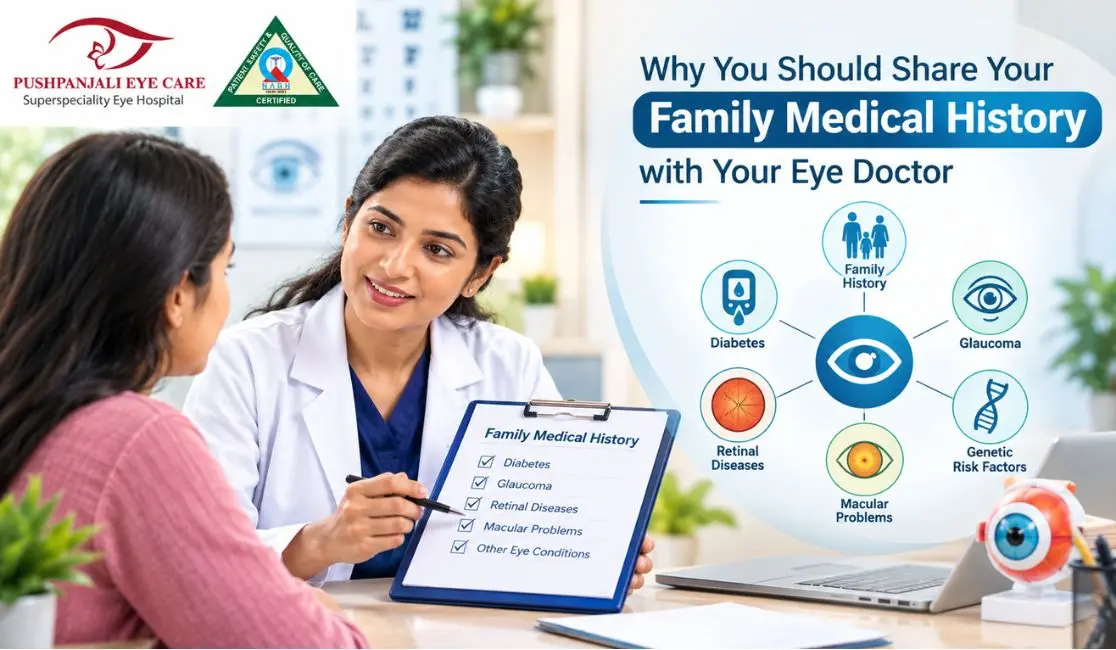
Why You Should Share Your Family Medical History with Your Eye Doctor

Your family’s medical history might be able to speak volumes about you even before your eyes do. Diabetes, glaucoma, and retinal diseases can sometimes have hereditary roots. By telling this history to a retina specialist in Kolkata, you will allow your eye doctor to learn about you better and treat your eye ailments accordingly.

While your eyes might feel completely healthy, some eye problems can come on very gradually without you even realizing there is a problem. Learning about the state of your own health as well as the eye conditions of any of your close family members can assist your physician in determining potential risk factors as well as what areas of an eye exam need to be focused on.

Various Reasons You Should Share Your Family Medical History with Your Eye Doctor

The medical background of your family can also provide helpful information about the status of your eyes. This is because some eye diseases and other health issues can be hereditary in nature; thus, it will be helpful to disclose this information to your eye specialist.

• Family history can reveal eye health risks.

Information related to your family’s medical history can be very helpful for your ophthalmologist. Various medical conditions like glaucoma, cataracts, retina-related problems, and certain forms of visual impairment might run in your family. Your physician needs to be aware of this information when performing eye examinations.

• Tell your doctor about retinal conditions.

Some retinal conditions could be hereditary at times. If you have any such retinal problems in your family, it is important to inform your ophthalmologist about it. At an eye hospital in Kolkata, such information will be helpful in understanding the retinal health status of your family.

• Share details about diabetes.

It is possible for diabetes to damage the tiny blood vessels of the retina, which could result in diabetic retinopathy. If you have a history of diabetes in the family, it is important that you mention this to the doctor during your visit to the eye clinic.

• Update your medical history regularly.

Your family’s medical history may vary due to the emergence of new diseases among your relatives. You should try to keep your data updated for visits to the eye doctor. In case you visit an ophthalmologist in Kolkata, it will be useful for you.

• Discuss any history of macular problems.

The macula is a tiny area of the retina involved in the visual acuity of our eyes. Macular disorders can sometimes be genetically predisposed. Mention your family history of macular issues related to aging or genetics when you undergo your eye check-up.

• Keep track of your parents’ eye health.

Your parents can give relevant information regarding any illnesses that may be genetic in nature. They can reveal if they have had any surgeries done to their eyes or any other problems like glaucoma, cataracts, or retinal diseases.

• Do not ignore early family health patterns.

You might be unsure of the name of the eye disease your relative had. This is all right. Give any information that you have, like how old your relative was at the onset and whether any medical attention was sought. The doctor will determine which information is important.

Conclusion

The sharing of the medical history of your family provides your eye doctor with a better perspective regarding the risks involved. Even the smallest bit of information concerning any eye ailments that run in your family is helpful.
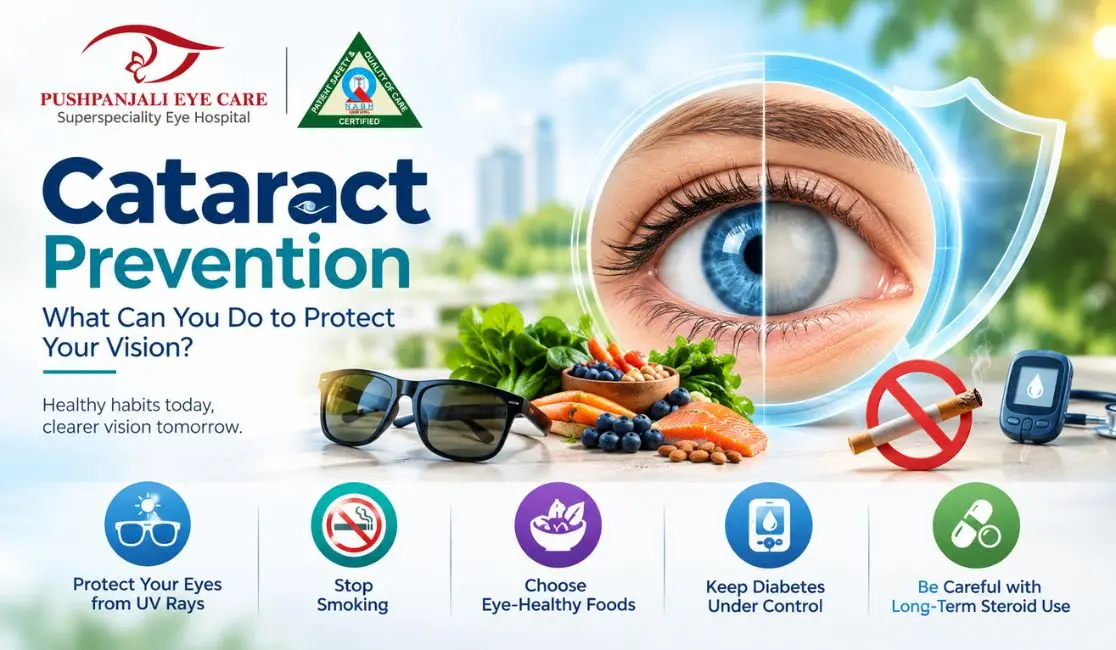
Cataract Prevention: What Can You Do to Protect Your Vision?

Clear vision is a dream for everyone and a sign of a healthy lifestyle. However, sudden eye problems can significantly affect your lifestyle. If you have trouble driving at night or notice faded colors, it may indicate a significant eye-related problem. Sometimes these are the early signs of cataract development. A cataract mainly occurs when the eye’s natural lens gradually becomes cloudy and affects the way light reaches the retina.

Among the variety of factors, aging is one of the most common causes of cataracts. Apart from aging, prolonged sun exposure, smoking, diabetes, previous eye injury, and certain medications also increase the risk of cataracts. Indeed, you cannot completely prevent cataracts; however, with the most efficient cataract surgery in Kolkata, you can safeguard your eye health and improve vision.

Now let’s explore this blog to ascertain how to prevent cataracts and what you can do to protect your vision.

Why Does the Eye’s Lens Become Cloudy?

Your natural eye lens acts as a clear window. Its job is to help focus light onto the retina so that you can see clearly. With age, proteins within the lens can gradually break down and clump together. This can make the lens cloudy and lead to cataracts. When cataracts progress, you may notice some visible changes in your eye health, such as-

• Blunt vision

• Difficulty seeing at night

• Eye sensitivity to bright light

• Glare or halos around headlights

• Color appearing faded

• Double vision in many cases

• Changes in glasses prescription

These symptoms do not mean your eye contains cataracts. Other eye conditions can also affect cataracts, so an eye examination is important.

Can Cataracts Really Be Prevented?

There is no guaranteed way to prevent age-related cataracts. Some risk factors, such as aging and genetics, are out of your control in cases of cataract treatment. Effective LASIK eye surgery in Kolkata can protect your eyes from cataracts, but healthy habits and proper eye protection can also help protect your eye health. Let’s discuss some healthy habits which can safeguard your eyes from cataracts.

1. Protect your eyes from UV rays

Your eyes need adequate protection from scorching heat. Long-term exposure to ultraviolet radiation can increase the risk of cataracts. However, sunglasses can block 99-100% of UV rays, protecting your eyes from harmful UV exposure. For daily protection, choose sunglasses with reliable UV protection, and try to wear them when you are outdoors.

2. Stop smoking

Smoking not only affects your lungs and heart but also affects your eyes. If you smoke, it can drastically increase the risk of cataracts. Quitting smoking is a reliable option to safeguard your eye health from cataracts. Try to change your smoking habit to enhance a healthy lifestyle.

3. Give your plate some eye-friendly variety

No single food can prevent cataracts. However, a balanced, nutrient-rich diet can support your eye health and safeguard your vision. Dark leafy green vegetables and omega-3 fatty acids can be eye-friendly additions to your diet. Adding more colorful vegetables to your diet can benefit your eyes.

4. Keep diabetes under control

Your overall eye health is closely connected with diabetes. Diabetes is a critical risk factor for cataracts. If you have diabetes, try to work closely with healthcare professionals to manage glucose levels, which can affect cataracts.

5. Be careful with long-term steroid use

Certain steroid medications are closely associated with cataract risk. This does not mean you should stop consuming prescribed medicine on your own. If you use steroid medication for a long period, speak with your eye specialist at the best eye hospital in Kolkata about your cataract-related eye risk.

Conclusion

Cataract surgery mainly involves removing the cloudy natural lens and replacing it with an artificial lens. However, it is not the only way to prevent cataracts. You can reduce your risk of cataracts by maintaining a healthy lifestyle. At Pushpanjali Eye Care, you can experience the most advanced diagnostics and trusted cataract surgery. Contact us through our website to book an appointment.