Prime Eyesight Hospital Near Me Golpark-Gariahat,Kolkata 700029

|

Prime Eyesight Hospital Near Me Baguihati, Vip Road, Kolkata 700059

Best Eye Care Kolkata West Bengal All cashless facilities and West Bengal health scheme available. Top Eye Hospital In Kolkata
Best Eye Care Kolkata

What are the potential side effects of ICL Surgery?

Hello Reader!

Welcome to the blog page of Pushpanjali Eye Care, one of the best eye hospital in Kolkata. 

Implantable Collamer Lens (ICL) surgery is a popular alternative to LASIK for correcting vision problems such as myopia, hyperopia, and astigmatism. This procedure involves implanting a special lens between the eye’s natural lens and the iris to enhance vision. While ICL surgery is generally considered safe and effective, like any medical procedure, it comes with potential side effects. At Pushpanjali Eye Care in Kolkata, we believe in educating our patients about all aspects of the procedures we offer. Here, we will explore the potential side effects of ICL surgery in detail.

ICL surgery

Common Side Effects of ICL Surgery

  1. Mild Discomfort After ICL surgery, it is common for patients to experience mild discomfort or a sensation of something being in the eye. This usually subsides within a few days as the eye heals.
  2. Halos and Glare One of the more frequent effects of ICL surgery is the appearance of halos or glare, especially in low-light conditions. This side effect is more common during the initial recovery phase and tends to diminish over time.
  3. Dry Eyes Dry eye symptoms can occur after ICL surgery, though less commonly than after LASIK. This condition can cause irritation, burning, and a gritty feeling in the eyes. Use of lubricating eye drops can alleviate these symptoms.

Less Common Side Effects of ICL Surgery

  1. Increased Intraocular Pressure (IOP) A potential but rare side effect of ICL surgery is a temporary increase in intraocular pressure. This can occur if the lens is not correctly positioned or if there is a buildup of fluid in the eye. Regular follow-ups are essential to monitor and manage IOP.
  2. Cataract Formation While rare, cataract formation is a potential long-term effect of ICL surgery. The presence of the implantable lens can sometimes accelerate the natural aging of the eye’s lens, leading to cataract development.
  3. Infection or Inflammation As with any surgical procedure, there is a risk of infection or inflammation. Proper preoperative and postoperative care, including the use of prescribed antibiotics and anti-inflammatory drops, significantly reduces this risk.
  4. Lens Displacement In some cases, the implanted lens can shift from its intended position, causing vision disturbances or discomfort. If this occurs, additional surgery may be required to reposition the lens.
Best Eye Hospital In Kolkata , Best ophthalmologist in Kolkata , Best Eye specialists in Kolkata , Top eye hospital in Kolkata , best Glaucoma treatment in Kolkata , Best Lasik surgery in Kolkata , Best Cataract Treatment in Kolkata , best cataract surgery in Kolkata , Lasik Surgery Cost in Kolkata , Cataract surgery in Kolkata , Cataract surgery cost in Kolkata , Glaucoma specialist in Kolkata , Refractive surgery in Kolkata , Lasik surgery in Kolkata, side effects of ICL surgery

Rare Side Effects of ICL Surgery

  1. Retinal Detachment Retinal detachment is an extremely rare but serious side effect of ICL surgery. It occurs when the retina separates from the back of the eye, potentially leading to vision loss if not treated promptly.
  2. Night Vision Issues Some patients report long-term night vision issues, such as difficulty seeing in low-light environments or experiencing starbursts around lights.
  3. Endothelial Cell Loss The cornea’s endothelial cells help maintain its clarity by preventing fluid buildup. A significant loss of these cells over time can lead to corneal swelling and vision impairment. Regular check-ups are crucial to monitor corneal health.

How common are visual disturbances like halos and glare after ICL surgery?

Visual disturbances such as halos and glare are relatively common after ICL (Implantable Collamer Lens) surgery. Studies indicate that a significant percentage of patients experience these symptoms to varying degrees.

Prevalence of Halos and Glare

  • Halos: Research shows that approximately 68.8% of patients report experiencing halos after ICL implantation. The incidence of halos tends to decrease over time, with 39% of eyes affected at one month, dropping to 15% after twelve months.
  • Glare: The occurrence of glare is also notable, with studies indicating rates around 39% at one month post-surgery, reducing to 24% at six months, and further decreasing to around 15% by the end of the first year.

Factors Influencing Visual Disturbances

Several factors can contribute to the likelihood and severity of halos and glare after ICL surgery:

  • Pupil Size: Patients with larger pupils may experience more pronounced halos and glare, especially in low-light conditions when the pupils dilate.
  • Lens Design: Newer ICL models have been designed to minimize these effects, but some risk remains due to the nature of how light interacts with the lens.
  • Adaptation Period: The brain’s ability to adapt to new visual inputs plays a crucial role. Many patients find that their perception of halos and glare diminishes over time as they adjust to the changes in their vision.

Also Read: Is ICL Surgery Safe? Understanding the Risks and Benefits

Best Eye Hospital In Kolkata , Best ophthalmologist in Kolkata , Best Eye specialists in Kolkata , Top eye hospital in Kolkata , best Glaucoma treatment in Kolkata , Best Lasik surgery in Kolkata , Best Cataract Treatment in Kolkata , best cataract surgery in Kolkata , Lasik Surgery Cost in Kolkata , Cataract surgery in Kolkata , Cataract surgery cost in Kolkata , Glaucoma specialist in Kolkata , Refractive surgery in Kolkata , Lasik surgery in Kolkata, side effects of ICL surgery

How long do the side effects of ICL surgery typically last?

After undergoing ICL (Implantable Collamer Lens) surgery, patients may experience various side effects, which can vary in duration. Understanding how long these side effects typically last is crucial for managing expectations during the recovery process.

Duration of Side Effects

  1. Immediate Post-Operative Effects:
    • Light Sensitivity and Blurriness: These symptoms are common immediately after the surgery. Most patients report some degree of light sensitivity and blurry vision, which generally subsides within the first-week post-surgery .
  2. First Few Days:
    • During the initial days, patients may experience mild discomfort and fluctuating vision. This period is critical as the eyes begin to adjust to the new lens. Patients are usually advised to use prescribed eye drops to alleviate discomfort and prevent infection.
  3. One Week to One Month:
    • By the end of the first week, many patients notice significant improvements in their vision as light sensitivity and blurriness decrease. However, some visual disturbances such as glare or halos around lights may persist for a few weeks to months but typically improve over time.
  4. Long-Term Recovery:
    • While most side effects resolve within a few weeks, some patients may experience ongoing issues like glare or halos, particularly at night. These effects can take several months to fully stabilize as the eyes adapt to the implanted lens. In rare cases, if visual disturbances persist beyond a few months, further evaluation may be necessary.

How to Minimize the Side Effects of ICL Surgery

  1. Choose an Experienced Surgeon The skill and experience of your surgeon play a crucial role in minimizing the side effects of ICL surgery. At Pushpanjali Eye Care, our specialists are highly trained and experienced in performing ICL surgeries with precision and care.
  2. Follow Postoperative Instructions Adhering to the postoperative care instructions provided by your surgeon can greatly reduce the risk of complications. This includes using prescribed medications, attending follow-up appointments, and avoiding activities that may strain your eyes.
  3. Regular Follow-Ups Regular check-ups are essential to monitor your recovery and address any emerging issues promptly. These visits help ensure that your ICL surgery results are optimal and that your eyes remain healthy.
Best Eye Hospital In Kolkata , Best ophthalmologist in Kolkata , Best Eye specialists in Kolkata , Top eye hospital in Kolkata , best Glaucoma treatment in Kolkata , Best Lasik surgery in Kolkata , Best Cataract Treatment in Kolkata , best cataract surgery in Kolkata , Lasik Surgery Cost in Kolkata , Cataract surgery in Kolkata , Cataract surgery cost in Kolkata , Glaucoma specialist in Kolkata , Refractive surgery in Kolkata , Lasik surgery in Kolkata, side effects of ICL surgery

FAQ

  • What are the common side effects of ICL surgery? 

Common side effects include mild discomfort, halos or glare, and temporary dry eyes, which usually subside within a few days.

  • Can ICL surgery increase intraocular pressure? 

Yes, a temporary increase in intraocular pressure can occur, but it is typically monitored and managed through follow-ups.

  • Is there a risk of cataract formation after ICL surgery? 

While rare, ICL surgery can potentially accelerate cataract formation due to the presence of the implanted lens.

  • How likely is infection or inflammation after ICL surgery? 

Infection or inflammation is rare but can occur. Proper postoperative care significantly reduces this risk.

  • Can ICL surgery affect night vision? 

Some patients may experience night vision issues, such as halos or difficulty seeing in low light, but these often improve over time.

Conclusion

While the side effects of ICL surgery are generally mild and temporary, it is important to be aware of all potential risks. At Pushpanjali Eye Care in Kolkata, we are committed to providing our patients with comprehensive information and high-quality care to ensure the best possible outcomes. If you have any concerns or questions about the effects of ICL surgery, feel free to contact our experienced team for personalized advice and support.By understanding the potential side effects of ICL surgery, patients can make informed decisions about their eye care and enjoy the benefits of improved vision with confidence. Book an appointment at Pushpanjali Eye Care, for your vision checkups.


The Truth Behind ICL Surgery: Is It Safe for Your Eyes?

Is ICL Surgery safe for your eyes? Explore the truth behind ICL Surgery, its safety, benefits, and risks in this comprehensive guide from one of the Best Eye Hospitals.

ICL surgery

Understanding ICL Surgery: Is It Safe for Your Eyes or Not?

Vision is one of the most valuable senses, and maintaining clear sight is a priority for many. In recent years, ICL surgery (Implantable Collamer Lens) has become an increasingly popular option for people seeking freedom from glasses and contact lenses. But like any medical procedure, it’s natural to wonder: Is ICL surgery safe for your eyes? In this article, we will delve deep into the details of ICL surgery, addressing the benefits, potential risks, and everything you need to know to make an informed decision.

What is ICL Surgery?

ICL surgery/ Refractive Lens Implant is a cutting-edge eye procedure that involves implanting a lens inside the eye to correct refractive errors like myopia (nearsightedness), hyperopia (farsightedness), and astigmatism. Unlike traditional laser eye surgeries like LASIK, which reshapes the cornea, Refractive Lens Implant involves placing a lens behind the iris, but in front of the eye’s natural lens. This lens remains inside the eye permanently and works to provide clear, sharp vision.

One of the most appealing aspects of Refractive Lens Implant is that it doesn’t require the removal or reshaping of the cornea. This makes it a highly attractive option for individuals who have thin corneas or other corneal conditions that prevent them from being eligible for LASIK surgery.

ICL surgery

How Does ICL Implantation Procedure Work?

Understanding the mechanics of ICL Implantation is crucial before undergoing the procedure. Here’s a simple breakdown of how it works:

  1. Pre-Operative Assessment: Before scheduling ICL Implantation, your eye doctor will conduct a thorough eye exam. This includes measuring your eye size, the curvature of your cornea, and your overall eye health to ensure that you are an appropriate candidate for the surgery.
  2. Procedure: On the day of the surgery, local anesthesia is applied to numb the eye, making the procedure painless. A small incision is made in the cornea to insert the Collamer lens. This lens is customized for each individual, ensuring it fits perfectly in the eye.
  3. Post-Op Care: After the lens is inserted, the incision is self-healing, requiring no stitches. You may experience slight discomfort or blurry vision initially, but these symptoms generally subside within a few hours.
  4. Recovery: Most people experience a significant improvement in vision within the first few days, with complete recovery taking about a month. Follow-up visits are scheduled to ensure that the healing process is proceeding as expected.

Is Collamer Lens Implant Safe for Your Eyes?

One of the most critical aspects of any surgical procedure is understanding the risks involved. Collamer Lens Implant has a high safety profile, but like any medical intervention, it carries some potential risks.

Key Benefits of Collamer Lens Implant:

  • No Corneal Reshaping: Unlike LASIK, Collamer Lens Implant does not involve altering the cornea, making it a suitable option for individuals with thin or irregular corneas.
  • Reversible Procedure: If any issues arise, the ICL can be removed or replaced with a different lens.
  • High Precision and Accuracy: Since the lens is custom-made for each patient, the results tend to be very precise, offering clear vision and minimal side effects.
  • Minimal Risk of Dry Eyes: One of the most common concerns for LASIK patients is the risk of dry eyes. Since Collamer Lens Implant doesn’t affect the cornea’s surface, the risk of dry eyes is minimal.

Potential Risks and Considerations:

  • Infection: As with any surgical procedure, there’s always a small risk of infection. However, with proper hygiene and post-operative care, this risk is minimized.
  • Increased Eye Pressure: A small percentage of patients may experience increased intraocular pressure, which can lead to glaucoma if not managed.
  • Cataract Formation: Though rare, there is a possibility of cataracts forming in the future, especially in older patients.
  • Lens Displacement: In extremely rare cases, the implanted lens may shift from its original position, requiring repositioning.

Understanding these risks is crucial in deciding whether Collamer Lens Implant is right for you. Consulting with an experienced eye surgeon will help determine whether the benefits outweigh the potential drawbacks based on your individual situation.

Who is an Ideal Candidate for Permanent Contact Lens Surgery?

Not everyone is a suitable candidate for ICL surgery. The ideal candidate typically has the following characteristics:

  • Age Range: Patients should be between 21 and 45 years old. This is the age group where refractive errors tend to stabilize, ensuring optimal results.
  • Stable Prescription: Your prescription should be stable for at least one year prior to surgery. This ensures that the lens implanted during the procedure will correct your vision effectively.
  • Healthy Eyes: It’s essential that your eyes are free from disease or complications like cataracts, glaucoma, or retinal issues.
  • High Refractive Errors: People with severe nearsightedness, farsightedness, or astigmatism who are not suitable candidates for LASIK can benefit greatly from ICL surgery.

It’s important to consult an experienced eye care professional to assess your suitability for the procedure. A detailed eye examination will determine if ICL surgery is the right choice for your vision needs.

If you want to know more about ICL Surgery and curious about the risks and benefits then you can also read:- Is ICL Surgery Safe? Understanding the Risks and Benefits

Vision Correction Lens Surgery Recovery: What to Expect?

After Vision Correction Lens Surgery, most patients experience a relatively quick recovery process. Here’s a breakdown of what you can expect:

Immediate Post-Surgery Care:

  • Rest: You will be asked to rest and avoid any strenuous activities for a few days after the surgery.
  • Medications: Your doctor will prescribe eye drops to help reduce inflammation and prevent infection.
  • Vision Fluctuations: It’s normal to experience blurry vision or slight discomfort in the first 24 to 48 hours. However, this usually improves rapidly.

Long-Term Care:

  • Follow-Up Appointments: You will need to attend regular check-ups with your doctor to monitor the healing process and ensure that the lens is positioned correctly.
  • Avoid Rubbing Your Eyes: It’s essential to avoid rubbing or pressing on your eyes during the recovery period.
  • Avoid Swimming: For at least a month, you should refrain from swimming or exposing your eyes to potentially harmful environments, like hot tubs or saunas.
ICL surgery

FAQs About ICL Surgery

1. How long does ICL surgery take?

ICL surgery usually takes about 20-30 minutes per eye. Both eyes can be treated on the same day or scheduled for separate sessions, depending on the patient’s needs.

2. Is the procedure painful?

No, ICL surgery is generally not painful. Local anesthesia is applied to ensure that you feel no discomfort during the procedure.

3. What is the recovery time for ICL surgery?

The recovery time is relatively short, with most patients noticing significant improvement within a few days. Complete recovery takes about a month.

4. Are there any risks associated with ICL surgery?

Like any surgery, there are risks such as infection, lens displacement, and increased eye pressure. However, these are rare and can be managed effectively with proper care.

5. Is ICL surgery suitable for people with astigmatism?

Yes, ICL surgery is an effective solution for correcting astigmatism, as well as nearsightedness and farsightedness.

Is ICL Surgery Safe for Your Eyes?

When considering whether ICL surgery is safe for your eyes, it’s essential to weigh the potential risks against the benefits. The procedure has a high safety profile, with many patients experiencing excellent results. It offers a viable alternative for individuals who are not suitable candidates for LASIK or have high refractive errors.

While ICL surgery carries minimal risks, it’s essential to consult with a highly skilled and experienced eye surgeon to determine if it’s the right option for you. If you’re looking for the best possible outcome, make sure you choose a Best Eye Hospital in Kolkata to ensure that you’re receiving the highest standard of care.

By opting for ICL surgery, you can achieve clearer vision and improved quality of life, free from the hassle of glasses or contact lenses. However, always remember that informed decision-making is key, and consulting with an expert in the field is essential to achieving the best results.

Is ICL Surgery Safe? Understanding the Risks and Benefits

Hello Reader!

Welcome to the blog page of Pushpanjali Eye Care, one of the best eye hospital in Kolkata. 

When considering corrective eye surgery, many patients explore options like LASIK. However, Implantable Collamer Lens (ICL) surgery is gaining popularity as a reliable alternative for those unsuitable for LASIK. At Pushpanjali Eye Care, one of the best eye hospitals in Kolkata, we often receive inquiries about the safety, risks, and benefits of ICL surgery. This blog aims to provide a comprehensive understanding of ICL surgery, helping you make an informed decision.

Best Eye Hospital In Kolkata , Best ophthalmologist in Kolkata , Best Eye specialists in Kolkata , Top eye hospital in Kolkata , best Glaucoma treatment in Kolkata , Best Lasik surgery in Kolkata , Best Cataract Treatment in Kolkata , best cataract surgery in Kolkata , Lasik Surgery Cost in Kolkata , Cataract surgery in Kolkata , Cataract surgery cost in Kolkata , Glaucoma specialist in Kolkata , Refractive surgery in Kolkata , Lasik surgery in Kolkata, ICL Surgery

What is ICL Surgery?

ICL surgery involves implanting a lens between the natural lens and the iris of the eye. Unlike LASIK, which reshapes the cornea, ICL adds a lens to correct vision, making it an excellent option for patients with thin corneas or severe myopia.

Benefits of ICL Surgery

  1. Wide Range of Correction: ICL surgery can correct high degrees of myopia, hyperopia, and astigmatism, often beyond the limits of LASIK.
  2. Reversibility: Unlike LASIK, ICL is reversible. The lens can be removed or replaced if necessary, offering flexibility for future corrections.
  3. Preservation of Corneal Structure: ICL surgery does not involve reshaping the cornea, preserving its natural structure and integrity.
  4. Quick Recovery: Most patients experience rapid visual improvement and minimal downtime post-surgery.
  5. UV Protection: The lenses protect against UV rays, reducing the risk of UV-related eye damage.

At Pushpanjali Eye Care, one of the best eye hospitals in Kolkata, our experienced surgeons ensure that the benefits of ICL surgery are maximized for each patient.

Risks of ICL Surgery

While ICL surgery is generally safe, like any surgical procedure, it carries potential risks:

  1. Infection: Post-operative infection is a risk, although rare, and can be managed with prompt treatment.
  2. Increased Intraocular Pressure: The implanted lens may cause a temporary increase in eye pressure, which needs monitoring.
  3. Cataract Development: In some cases, ICL surgery may accelerate the development of cataracts, necessitating cataract surgery.
  4. Glare and Halos: Some patients may experience glare or halos around lights, particularly at night.
  5. Endothelial Cell Loss: A decrease in corneal endothelial cells is possible, which is why regular follow-ups are essential.

Is ICL Surgery Safe?

ICL surgery is considered safe and effective, with a high success rate and patient satisfaction. At Pushpanjali Eye Care, one of the best eye hospitals in Kolkata, we prioritize patient safety and utilize advanced technology to minimize risks. Our team of skilled ophthalmologists conducts thorough pre-operative assessments to ensure suitability for ICL surgery, tailoring each procedure to the individual needs of our patients.

Best Eye Hospital In Kolkata , Best ophthalmologist in Kolkata , Best Eye specialists in Kolkata , Top eye hospital in Kolkata , best Glaucoma treatment in Kolkata , Best Lasik surgery in Kolkata , Best Cataract Treatment in Kolkata , best cataract surgery in Kolkata , Lasik Surgery Cost in Kolkata , Cataract surgery in Kolkata , Cataract surgery cost in Kolkata , Glaucoma specialist in Kolkata , Refractive surgery in Kolkata , Lasik surgery in Kolkata, ICL Surgery

How quickly can I expect to see improvement after ICL surgery?

After ICL surgery, many patients can expect to see significant improvements in their vision relatively quickly. Here’s a detailed overview of what you can anticipate regarding the timeline for visual recovery:

Immediate Post-Surgery Expectations

  • Within 24 Hours: Most patients experience a noticeable improvement in their vision within the first day after ICL surgery. While some blurriness or haziness may persist, many report that they can see better than before the procedure.

Short-Term Recovery (Days 1 to 2)

  • First Few Days: During the initial days following the surgery, it is common to experience some discomfort, mild pain, and fluctuating vision. Patients are advised to rest and avoid strenuous activities during this period. Eye drops will be prescribed to help manage discomfort and promote healing.

Continued Improvement (Weeks 1 to 2)

  • Week 1: By the end of the first week, most patients will notice a significant improvement in visual clarity. While some may still experience slight haziness, vision typically continues to stabilize as healing progresses.
  • Week 2: Around two weeks post-surgery, many individuals report clearer vision and reduced reliance on eye drops. This is often when patients begin to resume more normal activities without discomfort.

Full Recovery (Weeks 4 and Beyond)

  • Month 1: By four weeks after ICL surgery, most patients achieve near-complete visual stabilization. Follow-up appointments with the ophthalmologist are essential during this time to monitor healing and assess visual acuity.
  • Months 1 to 3: Complete recovery and full stabilization of vision can take up to three months. During this period, any residual fluctuations in vision should gradually resolve as the eyes adapt to the new lens.
Best Eye Hospital In Kolkata , Best ophthalmologist in Kolkata , Best Eye specialists in Kolkata , Top eye hospital in Kolkata , best Glaucoma treatment in Kolkata , Best Lasik surgery in Kolkata , Best Cataract Treatment in Kolkata , best cataract surgery in Kolkata , Lasik Surgery Cost in Kolkata , Cataract surgery in Kolkata , Cataract surgery cost in Kolkata , Glaucoma specialist in Kolkata , Refractive surgery in Kolkata , Lasik surgery in Kolkata, ICL Surgery

What are the potential side effects of ICL surgery?

ICL surgery, or Implantable Collamer Lens surgery, is generally considered a safe and effective option for vision correction. However, like any surgical procedure, it carries potential side effects and risks that patients should be aware of. Here’s a detailed overview of the possible complications associated with ICL surgery.

Potential Side Effects of ICL Surgery

  1. Vision Disturbances: Many patients experience temporary visual disturbances such as glare, halos around lights, or blurry vision, especially in low-light conditions. These effects are usually transient and tend to subside as the eyes heal.
  2. Increased Intraocular Pressure: In some cases, the ICL can lead to elevated eye pressure, which may result in glaucoma if not managed properly. Symptoms include severe eye pain, headaches, and blurred vision. Regular monitoring of eye pressure post-surgery is essential to mitigate this risk.
  3. Early Cataracts: An improperly sized ICL can restrict fluid circulation within the eye, increasing the risk of cataract formation over time. This condition may necessitate additional surgery if it develops.
  4. Corneal Haze: Rapid loss of corneal endothelial cells can lead to cloudiness in the cornea, potentially affecting vision quality.
  5. Retinal Detachment: Although rare, there is a risk of retinal detachment following ICL surgery, particularly in patients with pre-existing retinal conditions. This serious complication requires immediate medical attention.
  6. Eye Infection: Like any surgical procedure, there is a small risk of infection (endophthalmitis), which can lead to severe complications if not treated promptly. Signs of infection include increased redness, pain, discharge from the eye, or sudden vision changes.
  7. Lens Displacement: If the implanted lens shifts from its intended position, it may lead to suboptimal vision correction and could require additional surgery to reposition or replace the lens.
  8. Dry Eyes: Patients may experience dryness or increased sensitivity in their eyes post-surgery, often requiring lubricating eye drops for relief.
  9. Undercorrection or Overcorrection: There is a possibility that the ICL may not fully correct vision problems, leading to under-correction or overcorrection. In such cases, enhancement procedures like LASIK may be necessary to achieve desired visual acuity.

Also Read: What are Eyelid Cysts & Styes? How to get rid of them?

Best Eye Hospital In Kolkata , Best ophthalmologist in Kolkata , Best Eye specialists in Kolkata , Top eye hospital in Kolkata , best Glaucoma treatment in Kolkata , Best Lasik surgery in Kolkata , Best Cataract Treatment in Kolkata , best cataract surgery in Kolkata , Lasik Surgery Cost in Kolkata , Cataract surgery in Kolkata , Cataract surgery cost in Kolkata , Glaucoma specialist in Kolkata , Refractive surgery in Kolkata , Lasik surgery in Kolkata, ICL Surgery

How does ICL surgery compare to other vision correction surgeries?

ICL surgery, or Implantable Collamer Lens surgery, is a popular option for vision correction, particularly for individuals with moderate to severe myopia. When comparing ICL surgery to other vision correction procedures, such as LASIK and SMILE, several factors come into play, including safety, recovery time, visual outcomes, and suitability for different patient profiles. Here’s a detailed comparison of ICL surgery with these other techniques.

ICL Surgery vs. LASIK

  1. Procedure:
    • ICL Surgery: Involves implanting a lens between the iris and the natural lens of the eye. It preserves the corneal structure, making it reversible.
    • LASIK: Reshapes the cornea using a laser to correct refractive errors. This procedure permanently alters the corneal tissue.
  1. Visual Outcomes:
    • ICL Surgery: Often provides sharper vision, especially for patients with high degrees of myopia. It is associated with fewer higher-order aberrations, leading to better overall visual quality.
    • LASIK: Generally offers rapid visual recovery and high patient satisfaction rates but may not achieve the same level of sharpness for very high prescriptions.
  1. Night Vision:
    • ICL Surgery: Patients report better night vision with fewer complaints of halos and glare around lights compared to LASIK.
    • LASIK: While LASIK can improve night vision, some patients experience increased glare and halos post-surgery.
  1. Suitability:
    • ICL Surgery: Ideal for individuals with thin corneas or high refractive errors who may not qualify for LASIK.
    • LASIK: Suitable for a broader range of refractive errors but not recommended for those with thin corneas.
  1. Recovery Time:
    • ICL Surgery: Most patients notice significant improvements within a few days, with full recovery typically occurring within one week.
    • LASIK: Patients often experience improved vision within 24 hours, with most returning to normal activities in a few days.

ICL Surgery vs. SMILE

  1. Procedure:
    • ICL Surgery: Involves placing a lens inside the eye without altering the cornea.
    • SMILE (Small Incision Lenticule Extraction): A minimally invasive laser procedure that removes a small piece of corneal tissue to correct refractive errors.
  1. Visual Outcomes:
    • Both procedures provide excellent visual outcomes; however, ICL has been shown to induce fewer higher-order aberrations than SMILE, leading to better visual quality.
  1. Corneal Stability:
    • ICL Surgery: Maintains corneal integrity since it does not involve cutting or reshaping the cornea.
    • SMILE: While it is less invasive than LASIK, it still involves removing tissue from the cornea.
  1. Patient Profile:
    • ICL Surgery: Recommended for patients with higher degrees of myopia or those who cannot undergo laser procedures due to corneal thickness issues.
    • SMILE: Suitable for patients with mild to moderate myopia but may not be ideal for very high prescriptions.
  1. Long-Term Considerations:
    • Both ICL and SMILE have shown favorable long-term stability; however, ICL allows for lens removal or replacement if necessary in the future.
Best Eye Hospital In Kolkata , Best ophthalmologist in Kolkata , Best Eye specialists in Kolkata , Top eye hospital in Kolkata , best Glaucoma treatment in Kolkata , Best Lasik surgery in Kolkata , Best Cataract Treatment in Kolkata , best cataract surgery in Kolkata , Lasik Surgery Cost in Kolkata , Cataract surgery in Kolkata , Cataract surgery cost in Kolkata , Glaucoma specialist in Kolkata , Refractive surgery in Kolkata , Lasik surgery in Kolkata, ICL Surgery

Can ICL surgery correct astigmatism effectively?

ICL surgery, or Implantable Collamer Lens surgery, is an effective option for correcting various refractive errors, including astigmatism. Here’s a detailed overview of how ICL surgery addresses astigmatism and its effectiveness compared to other procedures.

Effectiveness of ICL Surgery for Astigmatism

  1. Toric ICLs for Astigmatism: The Visian Toric ICL is specifically designed to correct both myopia (nearsightedness) and astigmatism. It can effectively treat astigmatism ranging from 1.00 D to 4.00 D, making it a suitable choice for patients with moderate to high levels of astigmatism.
  2. Visual Outcomes: Studies have shown that ICL surgery can lead to significant improvements in visual acuity for patients with astigmatism. The toric version of the ICL allows for precise alignment with the steepest meridian of the cornea, providing excellent correction of astigmatism while maintaining overall visual quality.
  3. Reduced Post-Surgery Astigmatism: Interestingly, despite the potential for surgically induced astigmatism from the incision made during the procedure, many patients experience a decrease in manifest astigmatism post-surgery. This suggests that while there may be a slight increase in corneal astigmatism due to the incision, the overall refractive outcome is favorable.
  4. Long-Term Stability: Research indicates that correction of myopic astigmatism with toric ICLs is not only effective but also stable over time. Patients often maintain good visual acuity without significant fluctuations in their vision.

Comparison with Other Vision Correction Procedures

  • LASIK: LASIK surgery reshapes the cornea to correct refractive errors, including astigmatism. While it can effectively treat mild to moderate astigmatism, it may not be suitable for patients with high levels of astigmatism or those with thin corneas. Additionally, LASIK can sometimes lead to issues like dry eyes or glare post-operatively.
  • SMILE: Similar to LASIK, SMILE (Small Incision Lenticule Extraction) is another laser-based procedure that can correct myopia and astigmatism. However, it may not be as effective as toric ICLs for high degrees of astigmatism and does not offer the same level of reversibility as ICL surgery.
Best Eye Hospital In Kolkata , Best ophthalmologist in Kolkata , Best Eye specialists in Kolkata , Top eye hospital in Kolkata , best Glaucoma treatment in Kolkata , Best Lasik surgery in Kolkata , Best Cataract Treatment in Kolkata , best cataract surgery in Kolkata , Lasik Surgery Cost in Kolkata , Cataract surgery in Kolkata , Cataract surgery cost in Kolkata , Glaucoma specialist in Kolkata , Refractive surgery in Kolkata , Lasik surgery in Kolkata, ICL Surgery

Are there any long-term vision problems associated with ICL surgery?

ICL surgery, or Implantable Collamer Lens surgery, is generally regarded as a safe and effective procedure for vision correction. However, like any surgical intervention, it carries potential risks that may lead to long-term vision problems. Here’s an overview of the possible long-term complications associated with ICL surgery based on recent findings.

Potential Long-Term Vision Problems

  1. Increased Intraocular Pressure: One of the most significant risks associated with ICL surgery is the potential for increased intraocular pressure, which can lead to glaucoma. If left untreated, glaucoma can result in vision loss over time due to damage to the optic nerve.
  2. Cataract Formation: There is a risk of early cataract development following ICL surgery, particularly if the lens is improperly sized or positioned. Cataracts can cause blurry vision and may require surgical intervention to restore clarity.
  3. Retinal Detachment: Patients with high levels of nearsightedness are at a higher risk for retinal detachment after ICL surgery. This serious condition can lead to permanent vision loss if not addressed promptly.
  4. Visual Disturbances: Some patients may experience long-term visual disturbances such as glare, halos, or double vision, particularly in low-light conditions. While these symptoms are often temporary, they can persist in some cases and affect night vision.
  5. Corneal Issues: Damage to the corneal endothelium during lens insertion can lead to corneal swelling and cloudy vision. If endothelial cells are significantly affected, it may result in long-term visual impairment.
  6. Undercorrection or Overcorrection: There is a possibility that the ICL may not perfectly correct refractive errors, leading to under-correction or overcorrection. This could necessitate further corrective procedures or continued reliance on glasses or contact lenses.
  7. Scar Tissue Formation: In rare cases, scar tissue may develop on the natural lens after ICL surgery, potentially worsening vision over time and requiring additional surgical intervention.
Best Eye Hospital In Kolkata , Best ophthalmologist in Kolkata , Best Eye specialists in Kolkata , Top eye hospital in Kolkata , best Glaucoma treatment in Kolkata , Best Lasik surgery in Kolkata , Best Cataract Treatment in Kolkata , best cataract surgery in Kolkata , Lasik Surgery Cost in Kolkata , Cataract surgery in Kolkata , Cataract surgery cost in Kolkata , Glaucoma specialist in Kolkata , Refractive surgery in Kolkata , Lasik surgery in Kolkata, ICL Surgery

FAQ

1. What is ICL surgery? 

ICL surgery involves implanting a lens inside the eye to correct vision, offering an alternative to LASIK for those with high refractive errors or thin corneas.

2. Is ICL surgery safe? 

Yes, ICL surgery is generally safe with a high success rate. At Pushpanjali Eye Care, one of the best eye hospitals in Kolkata, we ensure patient safety through advanced technology and experienced surgeons.

3. What are the benefits of ICL surgery? 

ICL surgery offers benefits such as a wide range of vision correction, reversibility, quick recovery, and preservation of corneal structure.

4. What are the risks associated with ICL surgery? 

Potential risks include infection, increased intraocular pressure, cataract development, glare, halos, and endothelial cell loss. Regular follow-ups can help manage these risks.

5. Who is a suitable candidate for ICL surgery? 

ICL surgery is ideal for individuals with high myopia, hyperopia, or astigmatism, especially those who are not candidates for LASIK due to thin corneas or other factors.

Conclusion

ICL surgery offers a compelling solution for vision correction, especially for those who are not candidates for LASIK. With its numerous benefits and manageable risks, it continues to be a preferred choice for many. At Pushpanjali Eye Care, we are committed to providing top-notch eye care services, ensuring our patients receive the best possible outcomes. If you are considering ICL surgery, we invite you to consult with our experts to explore how this procedure can enhance your vision and quality of life.

Contact us today to schedule a consultation at Pushpanjali Eye Care, one of the best eye hospitals in Kolkata, and take the first step towards clearer vision.

Expert-Recommended Care for Eyelid Cysts and Styes at Home

Discover expert-recommended eyecare for eyelid cysts and styes at home. Learn effective remedies, prevention tips, and when to seek help from one of the best eye hospitals.

eyelid cysts and styes

Effective Care Tips for Eyelid Cysts and Styes

Eyelid cysts and styes are common yet often overlooked eye conditions that can cause significant discomfort. From mild swelling to noticeable redness and pain, these conditions can disrupt your daily routine. While they are rarely a cause for serious concern, managing them effectively is key to minimizing discomfort and ensuring proper healing.

The good news is that most cases of eyelid cysts and styes can be treated at home with simple remedies and proper care. However, understanding when professional help is needed is just as important. This guide explores the best home remedies, expert-recommended practices, and prevention tips to keep your eyes healthy.

Additionally, we’ll discuss how advanced care from one of the best eye clinic can provide relief in more severe or recurring cases. By the end of this article, you’ll have a comprehensive understanding of how to handle these conditions effectively and safely.

What Are Eyelid Cysts and Styes?

Eyelid Cysts (Chalazions):

Eyelid cysts, medically known as chalazions, occur when the oil glands in the eyelid become blocked. Unlike styes, cysts are typically painless but can cause noticeable swelling and discomfort.

Key Characteristics:

  • Often appear as a lump on the upper or lower eyelid
  • Slow-growing and rarely painful unless infected
  • May resolve on their own or persist without proper care

Styes (Hordeolum):

A stye is an infection of the eyelid margin, often caused by Staphylococcus bacteria. It typically develops near the base of an eyelash or in the oil-producing glands of the eyelid.

Key Characteristics:

  • Red, swollen, and often painful bumps resembling a pimple
  • Can appear on the outer or inner surface of the eyelid
  • Frequently accompanied by watery eyes and light sensitivity

Causes and Risk Factors

Understanding what causes these conditions can help you adopt preventive measures and better manage their occurrence.

1. Poor Eyelid Hygiene:

  • Dirt, oil, and makeup residues can clog the oil glands, increasing the risk of cysts and styes.

2. Bacterial Infections:

  • Bacteria like Staphylococcus aureus are common culprits behind styes.

3. Skin Conditions:

  • Chronic conditions like rosacea or seborrheic dermatitis can make individuals more prone to eyelid issues.

4. Stress and Immune System Issues:

  • Stress and weakened immunity can reduce the body’s ability to fight off infections, increasing susceptibility.

5. Repeated Touching of Eyes:

  • Frequent rubbing or touching transfers bacteria to the eyelids, contributing to infections.

Symptoms to Watch For

Early recognition of symptoms can ensure timely and effective treatment.

Common Symptoms of Eyelid Cysts:

  • Firm, round lump on the eyelid
  • Mild swelling without pain (unless infected)
  • Blurred vision if the cyst grows large enough to press on the eyeball

Common Symptoms of Styes:

  • Painful red bump near the eyelash line
  • Swelling and tenderness in the affected area
  • Increased tear production
  • Crusting along the eyelid margins
eyelid cysts and styes

Home Remedies for Care for Eyelid Cysts and Styes

For mild cases, the following remedies can significantly alleviate symptoms and promote faster recovery.

1. Warm Compress

A warm compress is one of the most effective remedies for both cysts and styes.

Benefits:

  • Reduces swelling and promotes blood circulation
  • Helps unclog blocked glands, allowing drainage of trapped oil or pus

How to Apply:

  1. Soak a clean cloth in warm (not hot) water.
  2. Wring out excess water and place the cloth on the affected eye.
  3. Leave it in place for 10–15 minutes, re-soaking as needed to maintain warmth.
  4. Repeat 3–4 times a day for the best results.

2. Keep Eyelids Clean

Hygiene plays a vital role in preventing and managing eyelid cysts and styes.

Steps for Gentle Eyelid Cleaning:

  1. Use a mild, non-irritating cleanser like diluted baby shampoo.
  2. Apply the cleanser using a cotton swab or clean fingers.
  3. Rinse thoroughly with warm water.
  4. Pat the area dry with a clean towel.

3. Avoid Squeezing or Popping

Attempting to squeeze or pop a cyst or stye can worsen the infection and cause complications. Let it drain naturally or seek medical assistance if necessary.

4. Apply Over-the-Counter Ointments

Antibiotic ointments and eye drops available at pharmacies can help reduce bacterial growth and inflammation. Always consult a healthcare professional before use.

5. Follow a Healthy Diet

Incorporate foods rich in vitamins A, C, and E, as well as omega-3 fatty acids, to support eye health and boost immunity.

Examples:

  • Leafy greens like spinach and kale
  • Citrus fruits like oranges and lemons
  • Fatty fish like salmon

Advanced Care for Persistent Cases

While most cysts and styes heal with home remedies, some cases require professional care.

When to Seek Medical Help

  • The condition persists for more than 10 days without improvement.
  • Severe pain, swelling, or fever develops.
  • Vision is impaired or the cyst/stye keeps recurring.

What to Expect During a Medical Visit

  • Diagnosis: A thorough examination to determine the cause and severity.
  • Treatment Options:
    • Prescription of stronger antibiotics or anti-inflammatory medication.
    • Minor surgical drainage for large or persistent cysts and styes.

Pro Tip: If you need expert care, consult professionals at the best eye care. Their specialized treatment plans ensure effective and long-lasting relief.

Preventive Measures

Prevention is always better than cure. Adopt these habits to minimize your risk:

1. Maintain Daily Eyelid Hygiene

  • Clean your eyelids regularly with a gentle cleanser.
  • Remove makeup thoroughly before sleeping.

2. Avoid Sharing Personal Items

  • Do not share towels, makeup, or contact lenses to prevent bacterial spread.

3. Manage Stress and Stay Healthy

  • Practice stress-relief techniques like yoga or meditation.
  • Eat a balanced diet and stay hydrated to strengthen your immune system.

4. Replace Old Makeup

  • Replace eye makeup every three months to avoid bacterial contamination.
eyelid cysts and styes

Most Asked FAQs

1. Can warm compresses alone cure eyelid cysts and styes?
Warm compresses are highly effective for mild cases but may not resolve more severe or persistent conditions.

2. How long does it take for a stye or cyst to heal?
With proper care, most styes and cysts heal within 7–14 days.

3. Are styes contagious?
While the bacteria causing styes can spread, the condition itself is not directly contagious.

4. Can I wear contact lenses if I have a stye or cyst?
It’s advisable to avoid wearing contact lenses until the condition resolves to prevent further irritation or infection.

5. What should I do if home remedies don’t work?
Consult an eye care professional for advanced treatment options if the condition persists or worsens.

Prevent and Manage Eyelid Cysts and Styes for Healthier Eyes

Caring for eyelid cysts and styes involves a combination of good hygiene practices, effective home remedies, and timely professional care. While these conditions are usually mild, they can cause discomfort and inconvenience if left untreated.

By following expert-recommended steps like warm compresses, gentle cleaning, and a healthy lifestyle, you can manage these issues effectively. For persistent or recurring cases, consulting the best eye hospital in Kolkata ensures comprehensive diagnosis and treatment, helping you maintain optimal eye health.

Remember, prevention is your best ally. With regular care and attention, you can reduce the risk of eyelid cysts and styes and enjoy clearer, healthier eyes!

Top 5 Myths About Styes and Cysts You Should Stop Believing

Learn the top myths about styes and cysts that you should stop believing. Discover the facts about eye health and treatment, and get expert advice from one of the best eye clinics.

Styes and Cysts

Understanding Myths About Styes and Cysts: Get the Facts

Eye health is often overlooked until we encounter a problem, such as a stye or cyst. Both are common issues that can affect the eyes, but there’s a lot of confusion surrounding them. Myths about styes and cysts are prevalent, and unfortunately, many people fall victim to misinformation.

In this post, we’ll debunk the myths about styes and cysts and shed light on the facts to help you understand these conditions better. Whether you’re experiencing one yourself or simply want to be better informed, this guide will give you the knowledge you need to make well-informed decisions about your eye health.

What Are Styes and Cysts?

Before diving into the myths, let’s first define what styes and cysts are:

  • Stye: A stye is a painful, red bump that forms on the edge of your eyelid, usually caused by a bacterial infection in the oil glands. It can be uncomfortable but is generally not a serious condition.
  • Cyst: A cyst is a sac filled with fluid or pus that can develop near the eyelid. The most common type near the eyes is a chalazion, which is a painless lump that forms when the oil gland becomes blocked.

While they are different conditions, styes and cysts can both cause distress and confusion for the person experiencing them.

If you want to know more about Eyelid Cysts & Styes and how to get rid of them you can visit here

Myth 1: Styes and Cysts Are the Same Thing

One of the most common misconceptions is that styes and cysts are the same. Although they may appear similar, they have distinct causes and characteristics.

Styes vs. Cysts: Key Differences

  • Cause: A stye is caused by an infection, typically from bacteria, while a cyst is more often due to a blockage of an oil gland.
  • Symptoms: Styes are generally painful and can make the eyelid swollen and red. Cysts, especially chalazia, are usually painless and form as a soft lump under the skin.
  • Treatment: A stye may require antibiotic treatment or even drainage if severe, while a cyst can often be treated with warm compresses and sometimes requires minor surgical removal if it doesn’t resolve on its own.

In short, styes and cysts are different, both in their origins and their treatment needs.

Myth 2: You Can Pop a Stye or Cyst at Home

While it might seem tempting to squeeze or pop a stye or cyst in hopes of relief, this is actually a dangerous myth. Attempting to pop these conditions can lead to severe complications, including worsening the infection or causing scarring.

Why You Should Never Pop Styes or Cysts

  • Infection Risk: If you attempt to pop a stye, the bacteria can spread, causing the infection to worsen or spread to other parts of the eyelid or eye.
  • Damage to Eye Tissue: Both styes and cysts are located near sensitive eye tissue. Popping them can lead to permanent damage or scarring of the eyelid and surrounding skin.
  • Delayed Healing: Popping a stye or cyst will likely delay the natural healing process and increase your risk of further complications.

Instead of trying to pop these growths, use warm compresses, and consult an eye care professional if the problem persists.

Myth 3: Styes and Cysts Are Caused by Poor Hygiene

Another widespread myth is that styes and cysts are direct results of poor hygiene. While maintaining good hygiene is important for overall eye health, it’s not the sole cause of these conditions.

The Real Causes of Styes and Cysts

  • Bacterial Infection: Styes are most commonly caused by an infection of the oil glands in the eyelids. The bacteria Staphylococcus is often to blame, which can be present on the skin, even in people with excellent hygiene.
  • Blocked Oil Glands: Cysts, particularly chalazia, develop when the oil glands become blocked, which may be related to other factors like inflammation or previous eye conditions rather than poor hygiene.
  • Other Contributing Factors: Conditions like rosacea, certain medications, and even stress can increase the likelihood of developing styes or cysts.

While good hygiene practices can certainly help reduce the risk of developing styes, they’re not the sole determining factor.

Myth 4: You Should Avoid Wearing Makeup If You Have a Stye or Cyst

When dealing with a stye or cyst, it’s easy to assume that wearing makeup should be avoided altogether. While it’s true that makeup can irritate the affected area, it’s not always necessary to forgo it entirely.

Can Makeup Make Styes or Cysts Worse?

  • Styes: Makeup, particularly eye makeup like mascara and eyeliner, can introduce more bacteria into the eye area, potentially worsening the infection. It’s best to avoid makeup during the active phase of a stye.
  • Cysts: Wearing makeup over a cyst may not worsen the condition directly. However, using products that clog the pores or irritate the skin should be avoided, as they can prevent the cyst from healing properly.

In general, if you’re experiencing a stye or cyst, it’s advisable to refrain from using eye makeup until the condition has healed. Always remove makeup thoroughly before bed to reduce the risk of further irritation or infection.

Myth 5: Surgery is Always Required to Treat a Cyst

Many people believe that cysts automatically require surgical removal, but this isn’t always the case. In fact, most cysts resolve on their own without the need for surgery.

Non-Surgical Treatment Options for Cysts

  • Warm Compresses: Applying a warm compress to the affected area several times a day can help soften the contents of the cyst, allowing it to drain naturally.
  • Massage: Gently massaging the cyst after applying a warm compress can also help encourage drainage.
  • Over-the-Counter Remedies: Some people find relief from using over-the-counter treatments, such as antibiotic ointments or eye drops, if prescribed by a doctor.

In most cases, surgical intervention is only needed if the cyst doesn’t resolve with conservative measures or becomes recurrent.

Styes and Cysts

Answering FAQs About Styes and Cysts

Q1: Can stress cause styes or cysts?

Yes, stress can weaken your immune system and make you more susceptible to infections, including styes. Additionally, stress may worsen conditions like rosacea, which can lead to blocked oil glands and the formation of cysts.

Q2: Are styes and cysts contagious?

No, neither styes nor cysts are contagious. However, the bacteria that cause styes can spread through direct contact, so it’s important to avoid touching the affected area and to wash your hands frequently.

Q3: How long does it take for a stye to heal?

A stye typically heals within a week or two, though the discomfort may last for a few days. If a stye persists or worsens, consult an eye specialist.

Q4: Should I see a doctor for a stye or cyst?

If a stye or cyst doesn’t improve with home remedies or if it’s causing significant pain, redness, or vision problems, it’s essential to seek professional care. A qualified eye specialist can help diagnose the issue and recommend the most appropriate treatment.

Clearing Up Myths About Styes and Cysts for Better Eye Health

Styes and cysts are common eye conditions, but there are many myths that surround them. From misconceptions about their causes to misunderstandings about treatment options, it’s important to know the facts to make informed decisions about your eye health.

By understanding the truth behind myths about styes and cysts, you can take the right steps to manage and treat these conditions effectively. If you ever find yourself in need of expert care, consider visiting a reputable eye hospital, such as the Best Eye Hospital In Kolkata, for personalized advice and treatment options.

Maintaining eye health goes beyond just treating styes and cysts. Regular checkups, proper hygiene, and seeking professional help when needed are crucial to keeping your eyes in top condition.

What are Eyelid Cysts & Styes? How to get rid of them?

Hello Reader!

Welcome to the blog page of Pushpanjali Eye Care, one of the best eye hospitals in Kolkata.

Eye health is crucial to maintaining a good quality of life, yet many people overlook common eye conditions that could indicate underlying issues. At Pushpanjali Eye Care, the best eye hospital in Kolkata, we believe in educating our patients about such conditions. Today, we’ll discuss two common eyelid problems: Eyelid Cysts and Styes, their causes, and how to treat them effectively.

Best Eye Hospital In Kolkata , Best ophthalmologist in Kolkata , Best Eye specialists in Kolkata , Top eye hospital in Kolkata , best Glaucoma treatment in Kolkata , Best Lasik surgery in Kolkata , Best Cataract Treatment in Kolkata , best cataract surgery in Kolkata , Lasik Surgery Cost in Kolkata , Cataract surgery in Kolkata , Cataract surgery cost in Kolkata , Glaucoma specialist in Kolkata , Refractive surgery in Kolkata , Lasik surgery in Kolkata, eyelid cysts, styes

Understanding Eyelid Cysts and Styes

What is a Stye (Hordeolum)?

A stye, medically known as a hordeolum, is a small, red, painful lump that appears on the edge of your eyelid. It often looks like a pimple and is caused by a bacterial infection in the eyelid’s oil glands. Styes can be external, forming on the outer part of the eyelid, or internal, developing inside the eyelid.

What is an Eyelid Cyst (Chalazion)?

A chalazion is a slow-growing, painless lump or swelling on the eyelid. Unlike a stye, it is caused by a blockage in the eyelid’s oil glands (Meibomian glands). Chalazia are typically larger than styes and may persist for weeks or even months if left untreated.

Key Differences Between Styes and Chalazia

  • Pain: Styes are painful, while chalazia are generally painless.
  • Cause: Styes are due to bacterial infections, whereas chalazia result from gland blockages.
  • Appearance: Styes often look like red pimples, while chalazia appear as firm, round lumps.

Symptoms of Eyelid Cysts and Styes

  • Swelling or lump on the eyelid
  • Redness and tenderness
  • Watery eyes
  • Sensitivity to light
  • Blurred vision (in severe cases)

If you notice any of these symptoms, consult an eye specialist immediately. At Pushpanjali Eye Care, recognized as the best eye hospital in Kolkata, our team of experts provides comprehensive care for such conditions.

Causes and Risk Factors

  • Poor hygiene: Touching your eyes with unwashed hands can transfer bacteria.
  • Underlying skin conditions: Conditions like rosacea or seborrheic dermatitis can increase susceptibility.
  • Excessive use of cosmetics: Using expired or shared makeup products can clog oil glands.
  • Chronic eye conditions: Blepharitis (inflammation of the eyelid) is a common precursor.

Treatment for Eyelid Cysts and Styes

Home Remedies

  1. Warm Compress:
    • Apply a clean, warm cloth to the affected area for 10-15 minutes, 3-4 times a day. This helps in reducing swelling and promotes drainage of the cyst or stye.
  2. Maintain Hygiene:
    • Keep your hands and face clean. Avoid touching or squeezing the lump as it may worsen the infection.
  3. Use Over-the-Counter Products:
    • Antibiotic ointments or eye drops can help alleviate minor infections. However, always consult an eye specialist before using them.

Medical Treatments

If home remedies do not work, seek professional care at Pushpanjali Eye Care, the best eye hospital in Kolkata. Our specialists may recommend:

  • Antibiotics: Oral or topical antibiotics to treat bacterial infections.
  • Steroid Injections: To reduce inflammation in cases of chalazion.
  • Surgical Drainage: A minor procedure to drain persistent styes or chalazia.

Prevention Tips

  • Wash your hands frequently and avoid touching your eyes unnecessarily.
  • Remove makeup thoroughly before sleeping.
  • Replace eye makeup products every six months to avoid bacterial buildup.
  • Manage underlying conditions like blepharitis with regular eyelid scrubs.
Best Eye Hospital In Kolkata , Best ophthalmologist in Kolkata , Best Eye specialists in Kolkata , Top eye hospital in Kolkata , best Glaucoma treatment in Kolkata , Best Lasik surgery in Kolkata , Best Cataract Treatment in Kolkata , best cataract surgery in Kolkata , Lasik Surgery Cost in Kolkata , Cataract surgery in Kolkata , Cataract surgery cost in Kolkata , Glaucoma specialist in Kolkata , Refractive surgery in Kolkata , Lasik surgery in Kolkata, eyelid cysts, styes

How can you prevent styes from recurring?

To prevent styes from recurring, it’s essential to adopt a consistent eye care routine and maintain good hygiene practices. Here are several effective strategies:

1. Maintain Good Eyelid Hygiene

  • Regular Cleaning: Clean your eyelids daily using a mild soap or baby shampoo mixed with warm water. This helps remove oil, debris, and bacteria that can lead to styes.
  • Use Lid Scrubs: Consider using over-the-counter eyelid scrubs to keep the area clean, especially if you are prone to styes.

2. Wash Your Hands Frequently

  • Before Touching Your Eyes: Always wash your hands with soap and water before touching your eyes or handling contact lenses. This reduces the risk of transferring bacteria to your eyes.

3. Avoid Rubbing Your Eyes

  • Minimize Irritation: Refrain from rubbing or scratching your eyes, as this can irritate the eyelids and introduce bacteria. If you need to touch your eyes, ensure your hands are clean.

4. Proper Makeup Hygiene

  • Replace Old Makeup: Discard eye makeup every three months to prevent bacterial growth. Old cosmetics can harbor germs that contribute to stye formation.
  • Remove Makeup Before Bed: Always remove eye makeup thoroughly before going to sleep to prevent clogging of the oil glands.

5. Care for Contact Lenses

  • Use Proper Solutions: Ensure that you use appropriate cleaning solutions for your contact lenses and avoid wearing them if you have a stye.
  • Avoid Sharing: Do not share contact lenses or eye makeup with others to minimize the risk of infection.

6. Strengthen Your Immune System

  • Healthy Lifestyle Choices: Follow a balanced diet rich in vitamins and nutrients, get adequate sleep, and manage stress levels to help bolster your immune system against infections.

7. Consult an Eye Care Professional

If you experience frequent styes, it may indicate an underlying condition such as blepharitis or rosacea. Consulting with an eye care specialist can help diagnose and manage these conditions effectively.

By implementing these preventive measures, you can significantly reduce the likelihood of styes recurring and maintain healthier eyes overall.

Best Eye Hospital In Kolkata , Best ophthalmologist in Kolkata , Best Eye specialists in Kolkata , Top eye hospital in Kolkata , best Glaucoma treatment in Kolkata , Best Lasik surgery in Kolkata , Best Cataract Treatment in Kolkata , best cataract surgery in Kolkata , Lasik Surgery Cost in Kolkata , Cataract surgery in Kolkata , Cataract surgery cost in Kolkata , Glaucoma specialist in Kolkata , Refractive surgery in Kolkata , Lasik surgery in Kolkata, eyelid cysts, styes

How effective are steroid injections for treating large eyelid cysts?

Steroid injections are a highly effective treatment option for large eyelid cysts, particularly chalazia. Here’s an overview of their effectiveness based on recent findings:

Efficacy of Steroid Injections for Chalazia

  1. High Success Rate: Studies have shown that subcutaneous steroid injections, specifically using triamcinolone acetonide, have a success rate of approximately 89.6% in reducing or completely resolving chalazia. In many cases, a single injection is sufficient for resolution, while others may require a second injection for optimal results.
  2. Rapid Results: Patients often experience significant improvement within two weeks following the injection. The treatment is particularly effective when administered early in the course of the chalazion, especially before it becomes chronic or larger.
  3. Less Invasive Option: Compared to surgical excision, steroid injections are less invasive and can be performed in an outpatient setting without the need for anesthesia. This makes them suitable for various patients, including children and those who may be anxious about surgery.
  4. Convenience: The procedure is straightforward and typically involves minimal discomfort. It allows for the treatment of multiple chalazia at once and does not result in post-procedure scarring.

Considerations and Potential Complications

While steroid injections are effective, there are some considerations to keep in mind:

  • Possible Side Effects: Complications can include skin depigmentation, atrophy of the surrounding tissue, and in rare cases, more serious issues like ocular penetration or increased intraocular pressure. However, major complications are uncommon.
  • Chronic Chalazia: Larger or more chronic chalazia may not respond as well to steroid injections alone and might require additional treatments or surgical intervention if they do not improve after two injections.

Also Read: Some Common Eye Problems and Treatments

Best Eye Hospital In Kolkata , Best ophthalmologist in Kolkata , Best Eye specialists in Kolkata , Top eye hospital in Kolkata , best Glaucoma treatment in Kolkata , Best Lasik surgery in Kolkata , Best Cataract Treatment in Kolkata , best cataract surgery in Kolkata , Lasik Surgery Cost in Kolkata , Cataract surgery in Kolkata , Cataract surgery cost in Kolkata , Glaucoma specialist in Kolkata , Refractive surgery in Kolkata , Lasik surgery in Kolkata, eyelid cysts, styes

Are there any home remedies that can help with eyelid cysts?

To manage eyelid cysts, particularly chalazia, several effective home remedies can help alleviate discomfort and promote drainage. Here are some recommended strategies:

1. Warm Compress

Applying a warm compress is one of the most effective home remedies for eyelid cysts. The heat helps to soften the contents of the cyst and encourages natural drainage.

  • How to Use: Soak a clean cloth in warm water (ensure it’s comfortable, not scalding), wring out excess water, and place it on the affected eyelid for 10-15 minutes. Repeat this process 3-4 times a day for optimal results.

2. Gentle Massage

After using a warm compress, gently massaging the area can further encourage drainage.

  • How to Use: With clean hands, gently massage the eyelid in a circular motion, focusing on the area around the cyst. This can help unblock the oil glands and promote healing.

3. Aloe Vera

Aloe vera is known for its soothing properties and may help reduce inflammation associated with eyelid cysts.

  • How to Use: Apply a fresh slice of aloe vera directly to the cyst for about 10-15 minutes. This can be done several times a day to provide relief and reduce swelling.

4. Tea Tree Oil (Use with Caution)

Tea tree oil has antibacterial properties that may assist in managing eyelid cysts, but it should always be diluted before application to avoid irritation.

  • How to Use: Dilute two to three drops of tea tree oil in one ounce of warm water. Apply this mixture gently to the cyst with a clean cloth several times a day.

5. Apple Cider Vinegar

While there is limited evidence supporting its effectiveness, some people find apple cider vinegar helpful due to its antimicrobial properties.

  • How to Use: Mix equal parts of water and apple cider vinegar and apply it to the cyst using a cotton ball. Avoid using undiluted vinegar directly on the skin.

6. Hygiene Practices

Maintaining good hygiene is crucial in preventing further issues:

  • Regular Cleaning: Clean your eyelids daily using a diluted baby shampoo or eyelid scrub to remove oils and debris that could contribute to cyst formation.
  • Avoid Touching Eyes: Refrain from rubbing or touching your eyes with unwashed hands to minimize infection risk.
Best Eye Hospital In Kolkata , Best ophthalmologist in Kolkata , Best Eye specialists in Kolkata , Top eye hospital in Kolkata , best Glaucoma treatment in Kolkata , Best Lasik surgery in Kolkata , Best Cataract Treatment in Kolkata , best cataract surgery in Kolkata , Lasik Surgery Cost in Kolkata , Cataract surgery in Kolkata , Cataract surgery cost in Kolkata , Glaucoma specialist in Kolkata , Refractive surgery in Kolkata , Lasik surgery in Kolkata, eyelid cysts, styes

How effective are warm compresses in treating styes?

Warm compresses are highly effective in treating styes, also known as hordeolum. They work by applying heat to the affected area, which helps to liquefy the thickened oils in the blocked oil glands, facilitating drainage and reducing inflammation. Here’s a detailed overview of their effectiveness:

How Warm Compresses Help

  1. Promote Drainage: The heat from a warm compress helps to soften and liquefy the oil trapped in the clogged gland, making it easier for the stye to drain naturally. This process can alleviate pain and swelling associated with the stye.
  2. Reduce Inflammation: Applying warmth can enhance blood circulation to the area, which may help reduce inflammation and promote healing.
  3. Ease Discomfort: Warm compresses provide soothing relief from the discomfort and tenderness that often accompany styes, making them a popular home remedy.
  • Frequency: It is generally recommended to apply warm compresses for about 10 to 15 minutes, two to four times a day. This consistent application can significantly speed up the healing process.
  • Technique: To create a warm compress, moisten a clean washcloth with warm water (not hot), wring it out, and place it over the affected eye. Reheat the cloth as needed to maintain warmth during the application.

Additional Tips

  • Massage After Applying: After using a warm compress, gently massaging the eyelid can help further break down any hardened oils and promote drainage.
  • Avoid Overheating: While warmth is beneficial, it’s important not to apply heat continuously for extended periods, as this can lead to increased swelling due to dilated blood vessels.
Best Eye Hospital In Kolkata , Best ophthalmologist in Kolkata , Best Eye specialists in Kolkata , Top eye hospital in Kolkata , best Glaucoma treatment in Kolkata , Best Lasik surgery in Kolkata , Best Cataract Treatment in Kolkata , best cataract surgery in Kolkata , Lasik Surgery Cost in Kolkata , Cataract surgery in Kolkata , Cataract surgery cost in Kolkata , Glaucoma specialist in Kolkata , Refractive surgery in Kolkata , Lasik surgery in Kolkata, eyelid cysts, styes

How can I tell if my stye is getting better with warm compresses?

To determine if your stye is improving with the use of warm compresses, look for the following signs:

Indicators of Improvement

  1. Reduction in Size: A noticeable decrease in the size of the stye is a positive sign. Initially, the stye may appear larger due to inflammation, but it should start to shrink after a few days of treatment with warm compresses.
  2. Decreased Pain and Discomfort: As the stye begins to heal, you should experience less pain and tenderness around the affected area. The warmth from the compress helps alleviate discomfort by promoting drainage and reducing inflammation.
  3. Drainage: If the stye starts to drain or you notice discharge, this is a sign that it is healing. Warm compresses can help facilitate this process, leading to relief from pressure and pain.
  4. Less Redness and Swelling: The surrounding redness and swelling should gradually diminish as the stye improves. This reduction indicates that inflammation is subsiding.
  • Frequency: Apply warm compresses for about 10-15 minutes, two to four times a day. This consistent application can significantly aid in healing.
  • Gentle Massage: After applying a warm compress, gently massage the eyelid to help break down any hardened oils and promote drainage.

When to Seek Medical Attention

If you do not see improvement within a few days or if the stye worsens (increased swelling, pain, or vision changes), it is advisable to consult with an eye care professional. Persistent styes may require medical intervention or prescription treatments.

Why Choose Pushpanjali Eye Care for Your Eye Health?

At Pushpanjali Eye Care, the best eye hospital in Kolkata, we provide advanced treatment for conditions like eyelid cysts and styes. Our advanced facilities and experienced specialists ensure you receive the highest standard of care. Whether it’s managing a simple hordeolum or a persistent chalazion, we’re here to help you regain your eye health.

Best Eye Hospital In Kolkata , Best ophthalmologist in Kolkata , Best Eye specialists in Kolkata , Top eye hospital in Kolkata , best Glaucoma treatment in Kolkata , Best Lasik surgery in Kolkata , Best Cataract Treatment in Kolkata , best cataract surgery in Kolkata , Lasik Surgery Cost in Kolkata , Cataract surgery in Kolkata , Cataract surgery cost in Kolkata , Glaucoma specialist in Kolkata , Refractive surgery in Kolkata , Lasik surgery in Kolkata, eyelid cysts, styes

FAQ

  • What is the difference between a stye and a chalazion?
    A stye is a painful red lump caused by bacterial infection, while a chalazion is a painless lump caused by gland blockage.
  • Can styes and chalazia heal on their own?
    Yes, many resolve naturally, but persistent cases may require medical attention.
  • How can I prevent styes and chalazia?
    Maintain good eyelid hygiene, wash your hands often, and avoid touching your eyes unnecessarily.
  • What home remedies help with styes and chalazia?
    Warm compresses and keeping the area clean can help reduce swelling and promote healing.
  • When should I see a doctor for a stye or chalazion?
    If the lump persists, grows, or affects your vision, consult an eye specialist promptly.

Conclusion

While eyelid cysts and styes may seem like minor inconveniences, they can escalate if left untreated. Early diagnosis and appropriate care are essential for a quick recovery. Visit Pushpanjali Eye Care, the best eye hospital in Kolkata, for expert advice and treatment. Your eyes deserve the best care—don’t compromise on your health!

Book your appointment today and let our experts guide you to better eye health.

Common Eye Problems and Their Impact on Your Daily Life

Learn about common eye problems and their impact on daily life. Discover effective prevention and management tips from one of the best eye clinics.

Common Eye Problems

Your eyes are essential for navigating the world around you. Vision problems can have a significant impact on your day-to-day life, affecting everything from your work to your leisure activities. Understanding common eye problems, their causes, and their effects on your life is crucial for maintaining healthy vision. In this blog post, we will explore the most common eye problems, their impact on your daily activities, and how you can manage or prevent them.

What Are Common Eye Problems?

Common eye problems range from mild irritation to serious conditions that can impair your vision. While many people may experience one or more of these issues, it’s important to address them early to prevent more severe consequences. Here are some of the most common eye problems and how they can affect your daily life:

1. Dry Eyes

Dry eyes occur when your eyes don’t produce enough tears or when the tears evaporate too quickly. This condition can cause discomfort, burning, and irritation. People with dry eyes often have difficulty focusing, especially while reading or using screens for extended periods.

Impact on Daily Life:

  • Difficulty reading or using a computer for long hours
  • Increased sensitivity to wind or smoke
  • Irritated or tired eyes after being in air-conditioned rooms
  • Difficulty wearing contact lenses comfortably

2. Blurred Vision

Blurred vision is a common symptom of various underlying conditions, including refractive errors like nearsightedness (myopia), farsightedness (hyperopia), and astigmatism. This problem can also result from cataracts or other eye diseases.

Impact on Daily Life:

  • Difficulty seeing road signs or reading books
  • Straining to focus on digital screens or documents
  • Reduced ability to drive safely, particularly at night
  • Constantly needing to squint or adjust glasses to see clearly

3. Cataracts

Cataracts are a clouding of the natural lens of the eye, causing blurry vision and difficulty seeing in bright light. Cataracts often develop gradually, leading to a slow decline in vision over time.

Impact on Daily Life:

  • Difficulty driving, especially at night or in bright sunlight
  • Problems with reading or seeing details in low light
  • Frequent changes in eyeglass prescriptions
  • Reduced ability to enjoy activities like watching TV or using a smartphone

4. Conjunctivitis (Pink Eye)

Conjunctivitis, commonly known as pink eye, is an inflammation of the conjunctiva—the thin layer covering the white part of the eye. It can be caused by allergies, bacterial or viral infections, or irritants like smoke or chemicals.

Impact on Daily Life:

  • Redness and discomfort in the eyes
  • Increased sensitivity to light
  • Excessive tearing or discharge from the eyes
  • Difficulty going to work or school due to contagious nature of the condition

5. Glaucoma

Glaucoma is a group of eye diseases that damage the optic nerve, often caused by increased pressure inside the eye. It’s one of the leading causes of blindness if not treated early.

Impact on Daily Life:

  • Gradual loss of peripheral vision
  • Difficulty seeing in low-light conditions
  • Frequent headaches or eye pain
  • Challenges with depth perception, affecting activities like driving or playing sports

6. Macular Degeneration

Macular degeneration is a condition that affects the central part of the retina, leading to blurred or distorted central vision. It is common in older adults and can make activities like reading or recognizing faces more difficult.

Impact on Daily Life:

  • Difficulty reading books, newspapers, or digital screens
  • Reduced ability to recognize faces or objects
  • Limited ability to perform tasks that require clear central vision, such as driving or cooking
Common Eye Problems

How Do These Common Eye Problems Affect Your Daily Life?

The effects of common eye problems can range from mild annoyances to major disruptions in your daily routine. In many cases, untreated vision issues can significantly reduce your quality of life, causing frustration and difficulty with basic tasks.

Decreased Productivity

When your vision is impaired, focusing on work becomes harder. Whether you’re working on a computer, reading documents, or managing tasks in a busy office, common eye problems can make these activities more challenging and reduce your productivity. For example, blurred vision or dry eyes can lead to frequent breaks, slow reading, and difficulty maintaining focus.

Safety Concerns

Vision problems can create safety hazards. If you have blurred vision, it may be harder to navigate stairs, avoid obstacles, or judge distances accurately. Driving becomes dangerous if you have cataracts or glaucoma, as these conditions can impair your ability to see clearly, especially at night. For elderly individuals, untreated eye problems can increase the risk of falls and accidents.

Reduced Social Interaction

Vision loss can isolate you from others. When activities like watching TV, reading, or enjoying outdoor activities become difficult, it can lead to a lack of engagement with friends and family. For people with conditions like macular degeneration, recognizing faces or enjoying group activities becomes a challenge, which can affect social relationships.

Impact on Mental Health

Struggling with eye problems can lead to feelings of frustration, anxiety, and depression. People with vision impairment often experience a sense of helplessness and loss of independence. Moreover, chronic eye issues like glaucoma and macular degeneration, which gradually worsen over time, can lead to long-term emotional distress.

How to Manage and Prevent Common Eye Problems

While some eye problems may be unavoidable, there are steps you can take to manage them and reduce their impact on your life. Regular eye checkups and early treatment can go a long way in preserving your vision and preventing further damage. Here are some tips for managing and preventing common eye problems:

1. Regular Eye Exams

Regular eye exams are essential for detecting early signs of eye problems. Many conditions, like glaucoma and macular degeneration, don’t show symptoms in the early stages but can be treated effectively if caught early. Scheduling an annual eye exam with a professional will ensure that any potential issues are addressed promptly.

2. Wear Corrective Lenses

If you have refractive errors like myopia or hyperopia, wearing corrective lenses, such as glasses or contact lenses, can help you see clearly. Make sure to follow your optometrist’s prescription and get regular checkups to ensure your prescription is up to date.

3. Protect Your Eyes from UV Rays

Prolonged exposure to UV rays can contribute to eye problems like cataracts and macular degeneration. Always wear sunglasses that block 100% of UVA and UVB rays when outdoors, even on cloudy days. This simple step can help protect your eyes from long-term damage.

4. Moisturize Your Eyes

For people with dry eyes, using artificial tears or lubricating eye drops can help maintain moisture and prevent irritation. Also, consider using a humidifier to add moisture to dry indoor air, especially in the winter months when air tends to be drier.

5. Maintain a Healthy Diet

A healthy diet rich in vitamins and nutrients can help protect your eyes. Foods high in antioxidants, like leafy greens, carrots, and fish rich in omega-3 fatty acids, are particularly beneficial for eye health.

6. Take Breaks from Screens

Staring at screens for long periods can cause digital eye strain. To prevent this, follow the 20-20-20 rule: every 20 minutes, take a 20-second break and look at something 20 feet away. This simple habit can reduce eye strain and discomfort.

Common Eye Problems

FAQs About Common Eye Problems

1. What Are the Most Common Eye Problems in Adults?

Some of the most common eye problems in adults include refractive errors (nearsightedness, farsightedness, astigmatism), dry eyes, cataracts, and glaucoma.

2. How Can I Prevent Eye Problems?

You can prevent many eye problems by scheduling regular eye exams, protecting your eyes from UV rays, maintaining a healthy diet, and practicing good eye hygiene.

3. How Do I Know if I Have Cataracts?

Common symptoms of cataracts include blurry or cloudy vision, difficulty seeing in bright light, and trouble seeing at night.

4. Can Digital Screens Cause Eye Problems?

Yes, prolonged exposure to digital screens can lead to digital eye strain, causing symptoms like dry eyes, headaches, and blurred vision.

5. What Is the Best Treatment for Dry Eyes?

Dry eyes can be treated with lubricating eye drops, prescription medications, and lifestyle changes such as increasing humidity and avoiding dry environments.

Managing Common Eye Problems for a Healthier, Active Lifestyle

Common eye problems can significantly affect your daily life, but with the right approach, you can manage these issues and maintain your quality of life. Early detection, treatment, and prevention are key to ensuring that your eyes stay healthy for years to come. By scheduling regular eye exams, wearing corrective lenses when necessary, and following eye care tips, you can keep your vision sharp and your daily activities uninterrupted.

If you experience any changes in your vision, don’t hesitate to consult with a professional at the Best Eye Hospital in Kolkata. Early intervention can prevent further damage and help you lead a healthier, more active lifestyle.
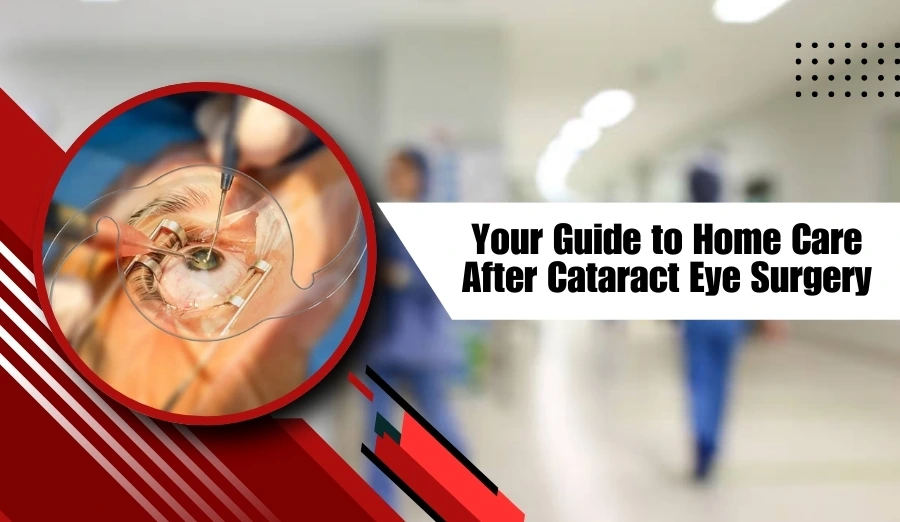
Your Guide to Home Care After Cataract Eye Surgery

Hello Reader!

Welcome to the blog page of Pushpanjali Eye Care,  one of the best eye hospital in Kolkata

Cataract eye surgery is one of the most common and successful medical procedures performed worldwide. This surgery effectively restores vision by replacing the clouded lens with a clear artificial one. However, achieving optimal recovery depends significantly on the steps you take during your at-home care after eye surgery. At Pushpanjali Eye Care, we understand the importance of guiding our patients through this crucial recovery phase. Here’s a comprehensive guide to ensure you care for your eyes properly post-surgery.

Best Eye Hospital In Kolkata , Best ophthalmologist in Kolkata , Best Eye specialists in Kolkata , Top eye hospital in Kolkata , best Glaucoma treatment in Kolkata , Best Lasik surgery in Kolkata , Best Cataract Treatment in Kolkata , best cataract surgery in Kolkata , Lasik Surgery Cost in Kolkata , Cataract surgery in Kolkata , Cataract surgery cost in Kolkata , Glaucoma specialist in Kolkata , Refractive surgery in Kolkata , Lasik surgery in Kolkata, cataract eye surgery

Immediate Post-Surgery Care

After cataract surgery, your doctor will provide a protective eye shield or glasses to prevent accidental injury. Follow these instructions meticulously to avoid complications. Key steps include:

  1. Rest and Relaxation: Avoid strenuous activities for at least the first few days. Resting your eyes allows the healing process to begin effectively.
  2. Use Prescribed Eye Drops: These drops prevent infection, reduce inflammation, and promote healing. Stick to the schedule provided by your ophthalmologist.
  3. Avoid Touching Your Eyes: Resist the urge to rub or touch your eyes, as this can introduce bacteria and disrupt the healing process.

Dos and Don’ts During Home Care After Eye Surgery

Dos:

  • Maintain Hygiene: Wash your hands thoroughly before applying eye drops or touching the area around your eyes.
  • Use Sunglasses: Protect your eyes from sunlight and dust by wearing sunglasses when stepping outside.
  • Sleep with a Protective Shield: This precaution prevents accidental rubbing during sleep.
  • Follow the Doctor’s Instructions: Attend all follow-up appointments to monitor your recovery progress.

Don’ts:

  • Avoid Swimming: Refrain from swimming for at least two weeks post-surgery to prevent waterborne infections.
  • Say No to Heavy Lifting: Avoid lifting heavy objects, as it can strain your eyes.
  • Stay Away from Makeup: Do not use eye makeup until your doctor gives you the green light.
  • Avoid Driving: Wait until your doctor confirms your vision is stable before resuming driving.

Nutrition and Lifestyle for Faster Recovery

A healthy diet can support healing after cataract eye surgery. Include foods rich in:

  • Vitamin A: Found in carrots, sweet potatoes, and spinach.
  • Omega-3 Fatty Acids: Present in fish like salmon and flaxseeds.
  • Antioxidants: Berries, citrus fruits, and green tea are excellent sources.

Stay hydrated and avoid smoking or alcohol, as they can impede recovery.

Common Concerns and When to Seek Help

It’s normal to experience mild discomfort, sensitivity to light, or blurred vision immediately after cataract surgery. However, contact your ophthalmologist immediately if you notice:

  • Severe pain or redness in the operated eye.
  • Sudden vision loss.
  • Persistent nausea or vomiting.
  • Unusual discharge from the eye.

Long-Term Care for Your Eyes

Cataract surgery has a high success rate, but maintaining long-term eye health is essential. Schedule regular eye exams and follow a lifestyle that minimizes strain on your eyes. Protect your eyes from UV rays, reduce screen time, and maintain a balanced diet.

Best Eye Hospital In Kolkata , Best ophthalmologist in Kolkata , Best Eye specialists in Kolkata , Top eye hospital in Kolkata , best Glaucoma treatment in Kolkata , Best Lasik surgery in Kolkata , Best Cataract Treatment in Kolkata , best cataract surgery in Kolkata , Lasik Surgery Cost in Kolkata , Cataract surgery in Kolkata , Cataract surgery cost in Kolkata , Glaucoma specialist in Kolkata , Refractive surgery in Kolkata , Lasik surgery in Kolkata, cataract eye surgery

What are the best practices for using eye drops after cataract surgery?

Using eye drops correctly after cataract surgery is essential for a smooth recovery and optimal healing. Here are some best practices to ensure that you are using your eye drops effectively.

Types of Eye Drops

After cataract surgery, your doctor will typically prescribe several types of eye drops:

  1. Antibiotic Eye Drops: These help prevent infections by eliminating harmful bacteria. They are usually prescribed for about a week post-surgery.
  2. Anti-inflammatory Eye Drops: These drops reduce inflammation and are critical for healing. Patients may need to use them for three to six weeks, depending on individual circumstances.
  3. Lubricating Eye Drops: Often recommended to relieve dryness and irritation, these should be preservative-free to avoid further irritation.

Best Practices for Using Eye Drops

  1. Wash Your Hands:
    • Before applying any eye drops, thoroughly wash your hands with soap and water to prevent contamination.
  2. Positioning:
    • Tilt your head back slightly or lie down. This helps create a stable platform for the drops.
    • Look upward and gently pull down your lower eyelid to form a pocket for the drops.
  3. Applying the Drops:
    • Hold the dropper above your eye without letting it touch your eyelashes or eyelids.
    • Squeeze the bottle gently to release one drop into the pocket created by your lower eyelid.
    • After instilling the drop, keep your eyes closed for a moment to allow the solution to spread evenly across the eye’s surface.
  4. Timing Between Different Drops:
    • If you have multiple types of eye drops, wait at least 15 minutes between applying different drops to ensure proper absorption and effectiveness.
  5. Follow Your Doctor’s Instructions:
    • Adhere strictly to the prescribed schedule for applying eye drops. This may include using them multiple times a day for several weeks.
    • Do not stop using any prescribed drops without consulting your doctor, even if you feel better.
  6. Avoid Rubbing Your Eyes:
    • It’s crucial not to rub or touch your eyes after applying drops, as this can introduce bacteria and lead to complications.
  7. Use Protective Eyewear:
    • Wearing sunglasses or protective eyewear can help shield your eyes from bright light and debris during the healing process.
  8. Monitor Symptoms:
    • Keep track of any changes in vision or discomfort levels. If you experience increased pain, redness, or vision changes, contact your healthcare provider immediately.

Also Read: Some Common Eye Problems and Treatments

Best Eye Hospital In Kolkata , Best ophthalmologist in Kolkata , Best Eye specialists in Kolkata , Top eye hospital in Kolkata , best Glaucoma treatment in Kolkata , Best Lasik surgery in Kolkata , Best Cataract Treatment in Kolkata , best cataract surgery in Kolkata , Lasik Surgery Cost in Kolkata , Cataract surgery in Kolkata , Cataract surgery cost in Kolkata , Glaucoma specialist in Kolkata , Refractive surgery in Kolkata , Lasik surgery in Kolkata, cataract eye surgery

What are the signs that my vision is not healing properly after cataract surgery?

After cataract surgery, while many patients experience a smooth recovery, some may encounter signs that their vision is not healing properly. It’s crucial to be aware of these signs to address potential complications early. Here are the key indicators that your vision may not be healing as expected:

1. Persistent Blurred Vision

While some blurriness is normal immediately after cataract surgery, it should begin to improve within a few days. If you continue to experience blurred vision several weeks post-surgery, it may indicate complications such as residual refractive error or other issues that require medical attention.

2. Increased Pain or Discomfort

Mild discomfort and itching are common after surgery, but if you experience increased pain or discomfort that worsens over time, this could signal a problem. Severe pain may indicate an infection or inflammation that needs immediate evaluation.

3. Redness or Swelling

A red or bloodshot eye can be a normal part of the healing process, but persistent or increasing redness accompanied by swelling could suggest inflammation or infection. If the redness does not improve after a few days, consult your eye care provider.

4. Light Sensitivity

Increased sensitivity to light is common after cataract surgery; however, if this sensitivity becomes extreme or is accompanied by other symptoms like pain or visual disturbances, it may require further investigation.

5. Cystoid Macular Edema (CME)

CME is a condition characterized by swelling in the central retina and can occur several weeks after surgery. Symptoms include blurred and distorted vision, which may indicate that you need treatment such as anti-inflammatory eye drops.

6. Floaters and Flashes

Seeing an increase in floaters or flashes of light can be alarming. While some floaters are normal, a sudden increase in their number could indicate retinal issues that require prompt attention.

7. Changes in Vision Quality

If you notice significant changes in your vision quality—such as difficulty seeing colors vividly or experiencing double vision—these could be signs of complications like posterior capsule opacity (PCO), which might require further treatment.

Best Eye Hospital In Kolkata , Best ophthalmologist in Kolkata , Best Eye specialists in Kolkata , Top eye hospital in Kolkata , best Glaucoma treatment in Kolkata , Best Lasik surgery in Kolkata , Best Cataract Treatment in Kolkata , best cataract surgery in Kolkata , Lasik Surgery Cost in Kolkata , Cataract surgery in Kolkata , Cataract surgery cost in Kolkata , Glaucoma specialist in Kolkata , Refractive surgery in Kolkata , Lasik surgery in Kolkata, cataract eye surgery

FAQ

  • How long does it take to recover from cataract surgery?
    Most people recover within a few weeks, but full healing may take up to a month.
  • Can I watch TV after cataract surgery?
    Yes, but limit screen time initially to avoid eye strain.
  • When can I resume normal activities?
    You can resume light activities in a few days, but avoid strenuous tasks for at least two weeks.
  • Is blurred vision normal after cataract surgery?
    Yes, mild blurring is normal and usually improves within a few days as the eye heals.
  • What should I do if I experience severe pain after surgery?
    Contact your doctor immediately, as severe pain may indicate a complication.

Conclusion

Home care after eye surgery plays a pivotal role in achieving a full recovery and restoring clear vision. At Pushpanjali Eye Care, our team is dedicated to supporting you at every step of your cataract surgery journey. By adhering to these guidelines, you can ensure a smooth and successful recovery. If you have any questions or concerns, don’t hesitate to reach out to our expert ophthalmologists.

Remember, your eyes deserve the best care! Stay vigilant, follow your doctor’s advice, and enjoy the renewed clarity of vision post-cataract surgery.

Some Common Eye Problems and Treatments

Hello Reader!

Welcome to the blog page of Pushpanjali Eye Care, one of the best eye hospital in Kolkata. 

Our eyes are among our body’s most delicate and vital organs, yet they are often subjected to various issues due to lifestyle, aging, or environmental factors. At Pushpanjali Eye Care, we pride ourselves on being one of the best eye hospital in Kolkata, dedicated to diagnosing and treating a wide array of common eye problems effectively. Let’s explore some of these issues and the treatments available to maintain healthy vision.

Best Eye Hospital In Kolkata , Best ophthalmologist in Kolkata , Best Eye specialists in Kolkata , Top eye hospital in Kolkata , best Glaucoma treatment in Kolkata , Best Lasik surgery in Kolkata , Best Cataract Treatment in Kolkata , best cataract surgery in Kolkata , Lasik Surgery Cost in Kolkata , Cataract surgery in Kolkata , Cataract surgery cost in Kolkata , Glaucoma specialist in Kolkata , Refractive surgery in Kolkata , Lasik surgery in Kolkata, Common Eye Problems

1. Refractive Errors

Refractive errors are among the most common vision problems, including myopia (nearsightedness), hyperopia (farsightedness), astigmatism, and presbyopia (age-related farsightedness). This happens when the shape of the eye prevents light from focusing properly on the retina.

Symptoms:

  • Blurred vision
  • Difficulty reading or seeing distant objects
  • Eye strain

Treatment: Refractive errors can be corrected using:

  • Prescription eyeglasses or contact lenses
  • Refractive surgeries like LASIK or PRK, are available at Pushpanjali Eye Care, known for its advanced surgical techniques.

2. Cataracts

Cataracts are defined by the clouding of the eye’s natural lens, typically linked to aging.

Symptoms:

  • Blurry or dim vision
  • Difficulty seeing at night
  • Sensitivity to light

Treatment: Cataract surgery is the most effective treatment, where the cloudy lens is replaced with an artificial intraocular lens (IOL). As one of the best eye hospitals in Kolkata, we offer state-of-the-art cataract surgeries ensuring quick recovery and restored vision.

What are the early signs of cataracts?

The early signs of cataracts can be subtle but become increasingly noticeable as the condition progresses. Here are some common symptoms to watch for:

1. Cloudy or Blurry Vision

One of the first signs of cataracts is a gradual clouding or blurring of vision. This can feel like looking through a foggy window or frosted glass, making it difficult to see clearly, especially in low-light conditions.

2. Changes in Color Perception

Individuals with cataracts may notice that colors appear faded or less vibrant. As the cataract develops, colors might take on a yellowish or brownish tint, making it challenging to distinguish between similar shades.

3. Increased Sensitivity to Light

People may experience heightened sensitivity to bright lights, including sunlight and headlights at night. This sensitivity can cause discomfort and make it difficult to drive at night due to glare from oncoming vehicles.

4. Halos Around Lights

Another common symptom is seeing halos or starbursts around lights, particularly at night. This effect occurs because the cloudiness in the lens scatters light entering the eye.

5. Difficulty with Night Vision

Cataracts can significantly impair night vision, making it harder to see in dimly lit environments. Individuals may find themselves struggling to navigate in low-light situations.

6. Frequent Changes in Eyeglass Prescription

As cataracts progress, individuals may find that they need to change their glasses prescription more frequently. Initially, stronger lenses might help, but as the cataract worsens, even updated prescriptions may not provide adequate correction.

7. Double Vision

Some people may experience double vision in one eye, which can be particularly disconcerting. This symptom can sometimes resolve as the cataract grows but often indicates a need for medical evaluation.

8. Difficulty Reading or Performing Close-Up Tasks

Cataracts can make it challenging to read or perform tasks that require near vision, often necessitating brighter lighting than before.

Best Eye Hospital In Kolkata , Best ophthalmologist in Kolkata , Best Eye specialists in Kolkata , Top eye hospital in Kolkata , best Glaucoma treatment in Kolkata , Best Lasik surgery in Kolkata , Best Cataract Treatment in Kolkata , best cataract surgery in Kolkata , Lasik Surgery Cost in Kolkata , Cataract surgery in Kolkata , Cataract surgery cost in Kolkata , Glaucoma specialist in Kolkata , Refractive surgery in Kolkata , Lasik surgery in Kolkata, Common Eye Problems

3. Glaucoma

Glaucoma is a group of diseases that damage the optic nerve and can lead to irreversible vision loss if untreated. Early detection is crucial.

Symptoms:

  • Gradual loss of peripheral vision
  • Severe eye pain (in acute cases)
  • Halos around lights

Treatment: Treatment options include:

  • Prescription eye drops to lower eye pressure
  • Laser treatments or surgical procedures to improve fluid drainage

How can glaucoma be prevented?

To effectively prevent glaucoma, a condition that can lead to irreversible vision loss, it is essential to adopt a proactive approach. While there is no guaranteed way to prevent glaucoma entirely, several strategies can significantly reduce the risk and help maintain eye health.

1. Regular Eye Exams

One of the most critical steps in preventing glaucoma is to schedule regular comprehensive eye exams. Early detection through these exams can help identify glaucoma in its initial stages when treatment is most effective. The frequency of these exams should depend on age and individual risk factors:

  • Before age 40: Every 2 to 4 years
  • Ages 40 to 54: Every 1 to 3 years
  • Ages 55 to 64: Every 1 to 2 years
  • After age 65: Every 6 to 12 months
    Individuals with high-risk factors, such as family history or existing health conditions, should be tested annually after age 35.

2. Maintain a Healthy Lifestyle

Adopting a healthy lifestyle can have a significant impact on reducing the risk of glaucoma:

  • Diet: Incorporate a diet rich in antioxidants, vitamins C and E, and omega-3 fatty acids. Foods like leafy green vegetables and colorful fruits are beneficial for eye health.
  • Exercise: Engage in moderate physical activity regularly. Studies suggest that exercise can lower intraocular pressure (IOP), which is crucial for preventing glaucoma progression. Aim for at least three sessions of moderate exercise each week.
  • Weight Management: Maintaining a healthy weight and controlling blood pressure are essential for overall health and may help reduce the risk of developing glaucoma.

3. Protect Your Eyes

Preventing eye injuries is crucial, as trauma can lead to secondary glaucoma. Always wear protective eyewear during sports or home improvement projects to shield your eyes from potential harm.

Best Eye Hospital In Kolkata , Best ophthalmologist in Kolkata , Best Eye specialists in Kolkata , Top eye hospital in Kolkata , best Glaucoma treatment in Kolkata , Best Lasik surgery in Kolkata , Best Cataract Treatment in Kolkata , best cataract surgery in Kolkata , Lasik Surgery Cost in Kolkata , Cataract surgery in Kolkata , Cataract surgery cost in Kolkata , Glaucoma specialist in Kolkata , Refractive surgery in Kolkata , Lasik surgery in Kolkata, Common Eye Problems

4. Avoid Smoking

Quitting smoking is vital, as research indicates that smoking increases the risk of developing various eye conditions, including glaucoma. If you smoke, seek support for cessation programs.

5. Monitor Health Conditions

Managing chronic conditions such as diabetes and hypertension is essential for eye health. Regular check-ups with healthcare providers can help keep these conditions in check, thereby reducing the risk of glaucoma-related complications.

6. Be Aware of Family History

Understanding your family history regarding eye health can inform your preventive measures. If you have relatives with glaucoma, it’s crucial to discuss this with your eye doctor and possibly increase the frequency of your eye exams.

At Pushpanjali Eye Care, our specialists utilize advanced diagnostic tools to manage and treat glaucoma effectively.

4. Dry Eye Syndrome

Dry eyes occur when the eyes don’t produce enough tears or evaporate too quickly, leading to discomfort and potential vision problems.

Symptoms:

  • Stinging or burning sensation
  • Redness and irritation
  • Blurred vision

Treatment:

  • Artificial tear drops or ointments
  • Prescription medications to reduce inflammation
  • Procedures like punctal plugs to retain natural tears

AMD affects the macula, the central part of the retina, and is a leading cause of vision problems in older adults.

Symptoms:

  • Blurred or reduced central vision
  • Difficulty recognizing faces

Treatment:

  • Anti-VEGF injections to slow disease progression
  • Laser therapy in certain cases
  • Nutritional supplements to support eye health
Best Eye Hospital In Kolkata , Best ophthalmologist in Kolkata , Best Eye specialists in Kolkata , Top eye hospital in Kolkata , best Glaucoma treatment in Kolkata , Best Lasik surgery in Kolkata , Best Cataract Treatment in Kolkata , best cataract surgery in Kolkata , Lasik Surgery Cost in Kolkata , Cataract surgery in Kolkata , Cataract surgery cost in Kolkata , Glaucoma specialist in Kolkata , Refractive surgery in Kolkata , Lasik surgery in Kolkata, Common Eye Problems

6. Diabetic Retinopathy

Diabetic retinopathy is a complication of diabetes that affects the blood vessels in the retina, leading to vision loss if untreated.

Symptoms:

  • Floaters or dark spots
  • Blurred vision
  • Vision loss in advanced stages

Treatment:

  • Strict blood sugar control
  • Laser treatments or vitrectomy to manage advanced cases

7. Conjunctivitis (Pink Eye)

Conjunctivitis is an inflammation of the conjunctiva caused by infections, allergies, or irritants.

Symptoms:

  • Redness and swelling of the eyes
  • Itchy or watery eyes
  • Discharge from the eyes

Treatment:

  • Antibiotic eye drops for bacterial infections
  • Antihistamines for allergic conjunctivitis
  • Proper hygiene to prevent the spread

Also Read: How to Remove Specs Permanently: Know About Laser Eye Surgery and Eye Exercises

How does keratoconus progress over time?

Keratoconus is a progressive eye condition characterized by the thinning and bulging of the cornea, leading to distorted vision. Understanding how keratoconus progresses over time is crucial for early detection and management. Here’s an overview of the progression stages and factors influencing the condition.

Onset and Early Progression

  • Age of Onset: Keratoconus typically manifests between the ages of 10 and 25, often during puberty. The condition may start slowly or aggressively, depending on individual factors.
  • Initial Symptoms: Early signs include blurry vision, sensitivity to light, and slight distortion of images. At this stage, glasses or soft contact lenses may effectively correct vision.

Stages of Progression

  1. Early Stage (Forme Fruste Keratoconus):
    • Minimal corneal distortion with little impact on vision quality.
    • Spectacles may correct myopia and astigmatism adequately.
  1. Moderate Stage:
    • Increased corneal distortion becomes more apparent.
    • Rigid gas-permeable contact lenses are often required to improve vision quality as spectacle correction becomes less effective.
  1. Advanced Stage:
    • Significant corneal distortion and possible scarring.
    • Fitting contact lenses become more challenging, requiring specialized designs like large mini scleral or scleral lenses to accommodate the irregular shape of the cornea.
  1. Severe Stage:
    • Dramatic corneal distortion with substantial thinning and scarring.
    • Vision may be severely compromised, often necessitating surgical intervention such as corneal transplantation if contact lenses fail to provide adequate correction.

Rate of Progression

  • Variability: The rate at which keratoconus progresses can vary significantly among individuals and may affect each eye differently. Generally, the most rapid progression occurs within the first 15 to 20 years after onset.
  • Stabilization: For many individuals, keratoconus tends to stabilize around the age of 40 to 45. However, some may experience continued progression into their 50s.
Best Eye Hospital In Kolkata , Best ophthalmologist in Kolkata , Best Eye specialists in Kolkata , Top eye hospital in Kolkata , best Glaucoma treatment in Kolkata , Best Lasik surgery in Kolkata , Best Cataract Treatment in Kolkata , best cataract surgery in Kolkata , Lasik Surgery Cost in Kolkata , Cataract surgery in Kolkata , Cataract surgery cost in Kolkata , Glaucoma specialist in Kolkata , Refractive surgery in Kolkata , Lasik surgery in Kolkata, Common Eye Problems

What are the symptoms of retinal detachment?

Retinal detachment is a serious eye condition that occurs when the retina separates from the back of the eye, leading to potential vision loss. Recognizing the symptoms early is crucial for timely intervention. Here are the key symptoms associated with retinal detachment:

1. Flashes of Light

Individuals may experience sudden flashes of light in their peripheral vision, often described as “lightning” or “sparks.” This phenomenon, known as photopsia, can occur when the retina is being pulled or irritated.

2. Increased Floaters

A sudden increase in floaters—small dark spots, specks, or cobweb-like shapes that drift across the field of vision—is common. These floaters can appear unexpectedly and may be more noticeable against bright backgrounds.

3. Curtain or Shadow Effect

One of the hallmark signs of retinal detachment is the appearance of a shadow or curtain that obscures part of the visual field. This shadow may start from the periphery and gradually move toward the center of vision, indicating that a portion of the retina is detaching.

4. Blurred Vision

As the condition progresses, individuals may notice blurred or distorted vision. This can affect clarity and detail, making it difficult to see objects.

5. Peripheral Vision Loss

Loss of peripheral vision can occur, which may feel like a gradual narrowing of the visual field. This symptom can be particularly alarming as it signifies that the detachment is affecting more significant areas of the retina.

6. Painless Condition

It’s important to note that retinal detachment typically occurs without pain. The absence of discomfort can lead individuals to underestimate the seriousness of their symptoms.

Predictive Factors for Progression

Several factors can influence the speed and extent of keratoconus progression:

  • Age at Onset: Earlier onset typically correlates with more rapid progression.
  • Corneal Thickness: Thinner corneas at baseline are associated with a higher likelihood of progression.
  • Topographic Changes: Specific changes in corneal shape and curvature can serve as indicators for disease progression.

Management Strategies

To manage keratoconus effectively:

  • Regular Monitoring: Frequent eye exams are essential for tracking changes in vision and corneal shape.
  • Treatment Options: Depending on the severity, treatment may include glasses, contact lenses, or surgical options like corneal crosslinking to strengthen the cornea and halt progression.
Best Eye Hospital In Kolkata , Best ophthalmologist in Kolkata , Best Eye specialists in Kolkata , Top eye hospital in Kolkata , best Glaucoma treatment in Kolkata , Best Lasik surgery in Kolkata , Best Cataract Treatment in Kolkata , best cataract surgery in Kolkata , Lasik Surgery Cost in Kolkata , Cataract surgery in Kolkata , Cataract surgery cost in Kolkata , Glaucoma specialist in Kolkata , Refractive surgery in Kolkata , Lasik surgery in Kolkata, Common Eye Problems

FAQ

  • What are the most common eye problems?
    Common issues include refractive errors (myopia, hyperopia, astigmatism), cataracts, glaucoma, dry eyes, and age-related macular degeneration (AMD).
  • How can refractive errors be treated?
    Refractive errors can be corrected using prescription glasses, contact lenses, or refractive surgeries like LASIK.
  • What is the best treatment for cataracts?
    Cataract surgery is the most effective solution, where the cloudy lens is replaced with a clear artificial lens.
  • How can I prevent vision problems caused by diabetes?
    Regular eye check-ups, strict blood sugar control, and timely treatment for diabetic retinopathy can help prevent vision loss.
  • When should I consult a doctor for eye problems?
    Consult an eye specialist if you experience symptoms like blurry vision, eye pain, redness, or sudden vision changes. Early diagnosis ensures better outcomes.

Preventive Measures for Eye Health Due To Some Common Eye Problems

While seeking treatment for common eye problems is essential, prevention is always better than cure. Here are some tips to maintain optimal eye health:

  • Regular eye check-ups at Pushpanjali Eye Care to detect issues early.
  • Protect your eyes from harmful UV rays with sunglasses.
  • Maintain a healthy diet rich in vitamins A, C, and E.
  • Stay hydrated and avoid excessive screen time.

Why Choose Pushpanjali Eye Care?

As one of the best eye hospitals in Kolkata, Pushpanjali Eye Care is equipped with advanced diagnostic and treatment facilities to address all kinds of vision problems. Our team of experienced ophthalmologists is dedicated to providing personalized care to ensure the best outcomes for our patients.

Your eyes deserve the best care possible. If you’re experiencing any common eye problems, don’t hesitate to book an appointment with us today. Let us help you see the world clearly and maintain a healthy vision for years to come.

How to Maintain Eye Health After Vitreo-Retina Surgery?

Hello Reader!

Welcome to the blog page of Pushpanjali Eye Hospital, one of the best eye clinics. 

Maintaining eye health after vitreo-retina surgery is critical for a successful recovery and optimal long-term vision. The period following this type of surgery is a delicate one, where proactive care plays a pivotal role in minimizing complications and accelerating healing. Whether you’ve undergone surgery for retinal conditions, diabetic retinopathy, or retinal detachment, the focus on preserving and improving eye health during recovery is crucial.

In this article, we’ll dive deeper into the best practices for maintaining eye health post-surgery, key recovery tips, and answers to some frequently asked questions (FAQs). Following these guidelines and staying informed can significantly enhance your recovery process and long-term eye health.

Vitreo-Retina Surgery

Why Post-Surgery Care Matters

The period following vitreo-retina surgery is often marked by a combination of healing and adjustment. This phase plays a vital role in ensuring that your eye remains healthy and that the surgical results are successful. Even though many patients experience improvements in vision after surgery, it’s equally important to manage the healing process by adopting the right habits. Post-surgery care involves not just monitoring for complications but also proactively maintaining your eye health to avoid further issues down the line.

Effective Practices to Maintain Eye Health After Vitreo-Retina Surgery

1. Follow Your Doctor’s Instructions

One of the most important steps to maintain eye health after surgery is to strictly adhere to your doctor’s guidance. While you may feel tempted to resume normal activities quickly, it’s crucial to be patient and follow medical advice. This often includes:

  • Medication: Your doctor will likely prescribe medication, including eye drops or oral medications, to prevent infection or reduce inflammation. Make sure to use these exactly as instructed.
  • Eye Care Schedule: Attend all follow-up appointments as recommended by your surgeon. These visits are essential for monitoring your recovery and ensuring there are no complications.
  • Avoid Eye Strain: Limit activities that could put unnecessary pressure on your eyes, such as reading, watching television, or using electronic devices for prolonged periods.

2. Protect Your Eyes from Physical Strain

During the initial recovery period, your eyes need time to heal, and avoiding any physical strain on them is essential:

  • Rest and Recovery: Take plenty of breaks throughout the day to give your eyes rest. Sleep is equally important in this phase to allow your body to repair itself.
  • Avoid Heavy Lifting: Physical activities that increase pressure inside your eyes, such as heavy lifting or strenuous exercise, should be avoided. Doing so can affect the healing process and may cause complications.
  • Use Sunglasses: Protect your eyes from bright light and ultraviolet (UV) rays by wearing UV-protective sunglasses when you are outdoors.

3. Maintain a Nutritious Diet

The food you eat plays a crucial role in your recovery process. To maintain eye health after surgery is closely tied to the nutrients you consume. A healthy, balanced diet can promote faster healing and better overall eye function. Some foods that support eye health include:

  • Leafy Greens: Foods like spinach, kale, and collard greens contain lutein and zeaxanthin, powerful antioxidants that help protect your eyes from harmful UV light and support the retina.
  • Omega-3 Fatty Acids: Fish such as salmon, mackerel, and sardines are high in omega-3 fatty acids, which help reduce inflammation and support retinal health.
  • Colorful Vegetables: Carrots, sweet potatoes, and bell peppers are rich in beta-carotene, which is important for maintaining strong vision.

4. Stay Hydrated

Drinking sufficient water is an important aspect to maintain eye health. Proper hydration helps the body flush out toxins and ensures that the healing process progresses smoothly. It also supports tear production, preventing dry eyes, which can be a common issue after surgery. Aim for at least 8 glasses of water per day, unless otherwise advised by your doctor.

5. Digital Eye Care

In today’s digital world, many people suffer from eye strain due to prolonged use of screens. After eye surgery, digital eye strain can further complicate your recovery. To help maintain eye health, be mindful of the following:

  • Follow the 20-20-20 Rule: Every 20 minutes, look at something 20 feet away for 20 seconds. This allows your eyes to relax and reduces strain from staring at screens.
  • Reduce Screen Time: Avoid long periods of screen use, especially during the early stages of recovery. Opt for alternative forms of entertainment, such as listening to music or podcasts.

Rest Is Key to Healing

When recovering from vitreo-retina surgery, rest should be a top priority. Not only does it allow your eyes to heal, but it also helps to reduce overall stress and inflammation in the body. Sleeping in a semi-reclined position can help prevent unnecessary pressure on your eyes while you rest. Additionally, if you find it difficult to fall asleep, avoid napping during the day, as it could interfere with your nighttime rest.

Tips for Managing Post-Surgery Symptoms

While most people experience some discomfort after vitreo-retina surgery, it’s important to understand what’s normal and when to seek help. Here are some common symptoms and tips for managing them:

  • Eye Discomfort: You may experience mild discomfort or a foreign body sensation after surgery. If discomfort persists, use lubricating eye drops as directed by your doctor.
  • Blurry Vision: It’s normal for your vision to be blurry initially. Over time, your vision should improve as your eye heals.
  • Redness or Irritation: Some redness is common after surgery. However, if irritation or redness worsens, it could be a sign of infection or complications, requiring immediate medical attention.
Vitreo-Retina Surgery

Common Questions About Maintaining Eye Health Post-Surgery

Q: How long does it take to fully recover after vitreo-retina surgery?

A: The recovery time after vitreo-retina surgery varies depending on the complexity of the procedure. It typically takes several weeks to a few months for full recovery. Follow-up visits are important to track progress and ensure no complications arise.

Q: Can I go back to work immediately after surgery?

A: It depends on your job and the type of surgery you’ve had. Many people return to work after a few days of rest, but jobs that require physical exertion should be avoided for a longer period. Always consult with your doctor before resuming your normal activities.

Q: What should I do if I experience vision problems after surgery?

A: If you notice sudden vision changes, such as a decrease in vision or flashes of light, contact your healthcare provider immediately. These could be signs of complications that require prompt intervention.

Vitreo-Retina Surgery
Best Eye Hospital In Kolkata

Effective Ways to Protect Your Vision After Vitreo-Retina Surgery

Maintaining eye health after vitreo-retina surgery is an ongoing process that requires patience, care, and dedication. By following your doctor’s advice and adopting a healthy lifestyle, you can significantly increase the chances of a successful recovery. The Best Eye Hospital in Kolkata can provide essential guidance, ensuring that you continue to maintain eye health throughout the recovery process. Incorporating these practices into your daily routine will not only ensure a smoother healing experience but also contribute to preserving your long-term vision and eye health.

Remember, recovery from eye surgery is unique to each individual, and your healthcare provider will guide you through the process. Whether it’s protecting your eyes from strain, following a nutritious diet, or ensuring regular check-ups, each step you take will play an essential role in maintaining optimal eye health.

If you have any concerns or questions about your recovery or how to maintain eye health post-surgery, don’t hesitate to contact your healthcare provider for professional guidance and support.