Prime Eyesight Hospital Near Me Golpark-Gariahat,Kolkata 700029

|

Prime Eyesight Hospital Near Me Baguihati, Vip Road, Kolkata 700059

Best Eye Care Kolkata West Bengal All cashless facilities and West Bengal health scheme available. Top Eye Hospital In Kolkata
Best Eye Care Kolkata

Is It Possible to Remove Specs Without Surgery?

Discover how to remove specs without surgery using natural methods, eye exercises, and non-surgical eye therapies. Learn from one of the Best Eye Hospitals.

Remove Specs Without Surgery

Discover Non-Surgical Ways to Remove Specs and Regain Clear Vision

Many individuals who rely on spectacles for daily activities often wonder whether there is a way to regain clear vision without surgery. Spectacles, while helpful, can sometimes be a source of inconvenience and discomfort. Whether you are dealing with myopia (nearsightedness), hyperopia (farsightedness), or astigmatism, finding non-surgical solutions to correct your vision can feel like a dream come true.

In this blog, we will explore various methods and strategies that may help you remove specs without surgery. From natural remedies to modern technologies and exercises, we’ll break down everything you need to know. If you’re searching for the best eye clinic, you’ll be glad to learn that eye care specialists offer multiple non-surgical options that can improve your vision effectively, helping you regain your visual freedom.

Remove Specs Without Surgery

Understanding Vision Problems

Before diving into non-surgical solutions, it’s essential to understand why vision problems occur in the first place. Here are the primary issues that lead to the need for spectacles:

Myopia (Nearsightedness): Difficulty seeing objects at a distance. People with myopia often struggle to see road signs or read faraway text.

Hyperopia (Farsightedness): Trouble focusing on close objects. This can make activities like reading or using a smartphone challenging.

Astigmatism: Blurred vision caused by irregular curvature of the cornea, making both near and far objects appear distorted.

Presbyopia: Age-related difficulty in focusing on nearby objects, which usually becomes noticeable after the age of 40.

While surgery, such as LASIK, is a popular choice for correcting these issues, not everyone is comfortable with surgical options. Thankfully, there are alternative methods that may help you remove specs without surgery, offering a less invasive and more accessible approach.

Natural Methods to Remove Specs Without Surgery

Here are some practical, non-surgical ways to help improve your vision and reduce your dependence on spectacles:

1. Eye Exercises

Eye exercises are an effective way to strengthen the eye muscles, improve focus, and reduce strain. While they cannot completely replace the need for spectacles in severe cases, they can gradually improve your eyesight over time and help you maintain better vision.

  • Palming: Rub your hands together to create warmth, close your eyes, and gently cup your palms over your eyes. This relaxes the eye muscles and relieves stress.
  • Blinking: Blinking frequently keeps the eyes moist and reduces strain caused by long periods of screen use or reading.
  • Focus Shifting: Shift your focus from a nearby object to a distant one repeatedly. This helps enhance your eye’s focusing ability and reduces fatigue.
  • Figure Eight Exercise: Imagine a giant figure 8 in front of you and trace it with your eyes to enhance flexibility and improve your ability to focus on moving objects.

2. A Healthy Diet for Eye Health

Your diet plays a critical role in maintaining good vision. Certain vitamins and nutrients can help improve eye health and reduce dependency on spectacles, especially if you incorporate them regularly into your meals.

  • Vitamin A: Found in carrots, sweet potatoes, and spinach, it boosts overall vision and helps prevent night blindness.
  • Omega-3 Fatty Acids: Present in fish, walnuts, and flaxseeds, omega-3 fatty acids reduce dry eyes and improve retinal function.
  • Lutein and Zeaxanthin: Found in kale, spinach, and eggs, these antioxidants help protect against harmful blue light and may reduce the risk of age-related macular degeneration (AMD).

A consistent intake of these nutrients can support your efforts to remove specs without surgery, allowing you to maintain better eye health over time.

3. Lifestyle Adjustments

Certain habits and lifestyle changes can significantly improve your vision over time:

  • Reduce Screen Time: Prolonged exposure to screens can strain your eyes. Follow the 20-20-20 rule: every 20 minutes, look at an object 20 feet away for 20 seconds to give your eyes a rest.
  • Wear Anti-Glare Glasses: Protect your eyes from harmful blue light emitted by screens by wearing glasses with anti-glare coatings.
  • Stay Hydrated: Proper hydration prevents dry eyes, which can contribute to eye strain and discomfort.
  • Sleep Well: A minimum of 7-8 hours of quality sleep rejuvenates your eyes, allowing them to rest and repair.

4. Orthokeratology (Ortho-K)

Ortho-K is a non-surgical method where you wear specially designed contact lenses overnight. These lenses temporarily reshape the cornea, allowing you to see clearly during the day without the need for glasses or lenses. While the effects are temporary, it is a practical solution for those seeking to remove specs without surgery. However, it’s important to note that this method may not be suitable for everyone, so consultation with an eye specialist is essential.

5. Corrective Lenses

Modern technology has introduced advanced contact lenses and glasses that not only correct vision but also reduce strain and improve visual clarity. Customized lenses designed to suit your specific vision issues can provide comfort while enhancing eyesight. Options like progressive lenses or bifocals can be adjusted for both near and far distances, ensuring that your eyes are properly supported.

How Can Yoga and Meditation Help?

Yoga and meditation can play a key role in maintaining overall eye health and reducing dependence on spectacles. By focusing on improving overall body health, you may be able to enhance the functioning of your eyes as well.

1. Yoga Asanas for Eye Health

Practicing specific yoga poses can improve blood circulation to the eyes and reduce strain:

  • Bhramari Pranayama (Humming Bee Breath): This breathing exercise reduces eye strain and calms the mind, benefiting your overall well-being.
  • Trataka (Concentration Meditation): This meditation involves focusing on a candle flame to improve concentration and strengthen the muscles around the eyes.
  • Surya Namaskar (Sun Salutation): This set of poses enhances blood flow and benefits overall health, including the health of your eyes.

2. Meditation for Relaxation

Stress can impact vision indirectly by causing eye strain. Regular meditation helps reduce stress and improve mental clarity, which may contribute to better eye health and reduce the likelihood of developing eye problems.

Non-Surgical Therapies for Better Vision

The best eyecare hospital, offers several non-invasive therapies designed to improve vision. These therapies are ideal for people who want to explore alternatives to surgery but still require professional support to improve their eyesight.

1. Vision Therapy

Vision therapy involves a series of customized exercises and treatments to train the eyes and brain to work together more efficiently. It is particularly beneficial for children and those with minor vision issues such as eye coordination problems. This therapy may include activities like tracking exercises, focus training, and more.

2. Pinhole Glasses

Pinhole glasses contain tiny perforations that reduce peripheral light, allowing the eyes to focus better. While not a permanent solution, they can help strengthen eye muscles over time and provide temporary relief for those experiencing mild vision issues.

3. Blue Light Protection

Modern eye care therapies focus on protecting eyes from harmful blue light, which can exacerbate vision issues, especially with prolonged screen use. Using filters, special lenses, or taking digital detox sessions can aid in maintaining healthy eyes and reducing strain.

Remove Specs Without Surgery

FAQs About Removing Specs Without Surgery

  1. Can I completely get rid of my specs without surgery?
    While natural methods and therapies can improve your eyesight, the extent of improvement depends on your eye condition and dedication to these practices. For mild to moderate cases, significant improvement may be possible.
  2. Are eye exercises effective for improving vision?
    Yes, eye exercises can strengthen eye muscles and reduce strain. However, they work best for mild vision issues, such as focusing problems or minor refractive errors.
  3. How long does it take to see results with non-surgical methods?
    Results vary from person to person. With consistency, noticeable improvements can occur in a few months, especially with practices like eye exercises, dietary adjustments, and regular use of Ortho-K lenses.
  4. What foods improve eye health naturally?
    Carrots, spinach, fish, eggs, and nuts are some foods rich in essential nutrients that boost eye health. A diet rich in vitamins A, C, and E, as well as omega-3 fatty acids, can promote long-term vision health.
  5. Is Orthokeratology safe?
    Yes, Ortho-K is a safe, FDA-approved method that provides temporary correction for vision issues. However, it requires proper consultation with an eye care professional to ensure its suitability for your specific needs.

Achieve Better Vision Naturally Without Surgery

In a world where dependency on spectacles can be inconvenient, exploring non-surgical methods to remove specs without surgery offers a practical and natural alternative. From eye exercises and dietary changes to advanced therapies like Orthokeratology and vision therapy, there are multiple options available to improve your vision safely.

If you’re serious about finding long-term solutions, consulting an eye care professional at the Best Eye Hospital in Kolkata, is an excellent first step. With expert advice and proper care, you can enhance your eyesight, reduce dependence on spectacles, and take proactive steps toward better eye health.

How to Remove Specs Permanently:Tips and Treating Solutions

Hello Reader!

Welcome to the blog page of Pushpanjali Eye Care, one of the best eye hospital in Kolkata. 

For those who have spent years dealing with glasses or contact lenses, waking up to crystal-clear vision is truly exciting. Many people seek ways to remove specs permanently, whether for convenience, aesthetics, or a more active lifestyle. At Pushpanjali Eye Care, one of the best eye hospitals in Kolkata, we’re here to guide you through the safest and most effective methods for achieving spectacle-free vision.

Best Eye Hospital In Kolkata , Best ophthalmologist in Kolkata , Best Eye specialists in Kolkata , Top eye hospital in Kolkata , best Glaucoma treatment in Kolkata , Best Lasik surgery in Kolkata , Best Cataract Treatment in Kolkata , best cataract surgery in Kolkata , Lasik Surgery Cost in Kolkata , Cataract surgery in Kolkata , Cataract surgery cost in Kolkata , Glaucoma specialist in Kolkata , Refractive surgery in Kolkata , Lasik surgery in Kolkata, Remove Specs

Understanding the Basics

The first step to permanently removing specs is understanding the root cause of your refractive error. Common vision problems like myopia (nearsightedness), hyperopia (farsightedness), and astigmatism can often be corrected through advanced medical procedures or natural methods like eye exercises. Let’s explore the options.

Laser Eye Surgery: A Revolutionary Solution

Laser eye surgery has become a popular choice for people looking to permanently remove specs. This procedure corrects vision by reshaping the cornea, allowing light to focus properly on the retina. At Pushpanjali Eye Care, one of the best eye hospitals in Kolkata, we offer cutting-edge laser treatments such as LASIK, PRK, and SMILE.

1. LASIK Surgery

LASIK (Laser-Assisted In Situ Keratomileusis) is one of the most common and effective procedures for correcting vision. It is painless, quick, and offers a short recovery time. Here’s how it works:

  • A laser creates a thin flap on the cornea.
  • The cornea is reshaped to correct the refractive error.
  • The flap is replaced, and the eye begins healing almost immediately.

2. PRK Surgery

PRK (Photorefractive Keratectomy) is an alternative for patients with thinner corneas. Unlike LASIK, this procedure doesn’t involve creating a flap. Instead, the outer layer of the cornea is removed, and the underlying tissue is reshaped with a laser. Recovery may take slightly longer, but the results are equally impressive.

3. SMILE Surgery

SMILE (Small Incision Lenticule Extraction) is a minimally invasive procedure that combines precision and comfort. It’s especially suitable for correcting myopia and offers quick recovery times with fewer risks.

Eye Exercises: A Natural Approach

While laser eye surgery is a permanent and reliable solution, some individuals may prefer non-invasive methods like eye exercises. Though these exercises cannot completely remove specs for everyone, they can improve eye strength and flexibility, especially for mild cases.

Effective Eye Exercises

  1. Palming: Rub your palms together and gently place them over your closed eyes. This technique relaxes the eye muscles and reduces strain.
  2. Eye Rolling: Roll your eyes clockwise and counterclockwise for a few minutes daily to improve flexibility.
  3. Focus Shifting: Hold your thumb a few inches away from your face. Focus on it, then shift your gaze to an object farther away. Repeat this exercise to enhance focus.
  4. Figure Eight: Visualize a large figure eight about 10 feet in front of you and trace it with your eyes. This strengthens the eye muscles and improves coordination.
Best Eye Hospital In Kolkata , Best ophthalmologist in Kolkata , Best Eye specialists in Kolkata , Top eye hospital in Kolkata , best Glaucoma treatment in Kolkata , Best Lasik surgery in Kolkata , Best Cataract Treatment in Kolkata , best cataract surgery in Kolkata , Lasik Surgery Cost in Kolkata , Cataract surgery in Kolkata , Cataract surgery cost in Kolkata , Glaucoma specialist in Kolkata , Refractive surgery in Kolkata , Lasik surgery in Kolkata, Remove Specs

How do eye exercises compare to laser eye surgery for vision correction?

When considering vision correction options, many individuals find themselves weighing the benefits of eye exercises against the effectiveness of laser eye surgery. While both approaches aim to improve vision, they differ significantly in methodology, effectiveness, and long-term results. Here’s a detailed comparison to help you understand how these two methods stack up against each other.

Laser Eye Surgery

Laser eye surgery is a surgical procedure designed to correct refractive errors such as myopia (nearsightedness), hyperopia (farsightedness), and astigmatism. The most common types include LASIK (Laser-Assisted In Situ Keratomileusis), PRK (Photorefractive Keratectomy), and SMILE (Small Incision Lenticule Extraction).

Key Features:

  • Immediate Results: Most patients experience significant improvement in vision within 24 to 48 hours after the procedure, with many achieving 20/25 vision or better.
  • Permanent Correction: Laser surgery reshapes the cornea, addressing the root cause of refractive errors, which can lead to a permanent reduction or elimination of the need for glasses or contact lenses.
  • Quick Procedure: The surgery typically lasts about 15 minutes per eye, making it a convenient option for many.
  • Minimal Discomfort: The procedure is performed under local anesthesia, and most patients report only mild discomfort during recovery.

Limitations:

  • Not Suitable for Everyone: Certain factors such as age, corneal thickness, and overall eye health can affect candidacy for laser surgery.
  • Cost: Laser eye surgery can be expensive and may not be covered by insurance.
  • Potential Side Effects: Some patients may experience dry eyes or glare post-surgery, although these effects often resolve over time.
Best Eye Hospital In Kolkata , Best ophthalmologist in Kolkata , Best Eye specialists in Kolkata , Top eye hospital in Kolkata , best Glaucoma treatment in Kolkata , Best Lasik surgery in Kolkata , Best Cataract Treatment in Kolkata , best cataract surgery in Kolkata , Lasik Surgery Cost in Kolkata , Cataract surgery in Kolkata , Cataract surgery cost in Kolkata , Glaucoma specialist in Kolkata , Refractive surgery in Kolkata , Lasik surgery in Kolkata, Remove Specs

Eye Exercises

Eye exercises, on the other hand, are non-invasive techniques aimed at improving eye muscle strength and coordination. Common exercises include focusing on near and far objects, palming, and figure-eight movements.

Key Features:

  • Improves Eye Comfort: Eye exercises can help alleviate digital eye strain and improve comfort during prolonged screen use.
  • Strengthens Eye Muscles: These exercises may enhance coordination between the eyes and improve focusing abilities.
  • Safe and Accessible: They can be performed at home without any special equipment.

Limitations:

  • Limited Effectiveness for Refractive Errors: There is no robust scientific evidence supporting the claim that eye exercises can correct refractive errors such as myopia or astigmatism. Studies have shown that while they may help with certain conditions like eye strain or muscle imbalances, they do not fundamentally change the shape of the cornea or improve refractive errors.
  • Time Commitment: To see any potential benefits from eye exercises, individuals must commit to regular practice over an extended period.

Eye exercises to remove specs

When discussing the effectiveness of eye exercises for vision correction, especially in the context of removing specs, it’s essential to consider the scientific evidence and expert opinions surrounding this topic. Here’s a comprehensive overview based on recent findings.

Eye Exercises: Overview and Claims

Eye exercises are often promoted as a natural method to improve vision by strengthening eye muscles, enhancing coordination, and reducing eye strain. Common exercises include:

  • Palming: Rubbing hands together and placing them over closed eyes to relax.
  • Focus Change: Shifting focus between near and far objects.
  • Figure Eight: Tracing an imaginary figure eight with your eyes.

While these exercises may help alleviate symptoms of eye strain, particularly from prolonged screen time, their efficacy in permanently correcting refractive errors such as myopia (nearsightedness), hyperopia (farsightedness), or astigmatism is highly debated.

Scientific Evidence on Eye Exercises

  1. Limited Effectiveness for Refractive Errors: Numerous studies indicate that while eye exercises can improve certain visual skills and reduce strain, they do not effectively correct refractive errors. For instance, a review highlighted that eye exercises might enhance visual attention and cognitive performance but do not lead to significant improvements in physical vision or eliminate the need for glasses.
  2. Benefits for Specific Conditions: Eye exercises can be beneficial for conditions like convergence insufficiency, where the eyes struggle to work together when focusing on close objects. In such cases, targeted exercises may help improve eye coordination and comfort.
  3. Myths vs. Facts: It is a common myth that eye exercises can lead to permanent eyesight improvement in a short time. In reality, any improvements from eye exercises are typically gradual and may not result in significant changes in vision quality.
  4. Cognitive Benefits: Some research suggests that eye exercises can enhance cognitive performance related to visual attention tasks, indicating potential benefits for specific visual skills rather than overall vision correction.

Limitations of Eye Exercises

  • Not a Substitute for Glasses or Surgery: Eye exercises alone are unlikely to reverse significant vision problems or eliminate the need for corrective lenses. The fundamental issues causing refractive errors are structural and cannot be resolved through muscle strengthening alone.
  • Time Commitment Required: To see any potential benefits from eye exercises, individuals must commit to regular practice over weeks or months, which may not be practical for everyone.

Also Read: SMILE vs LASIK Surgery: Detailed Comparisons of Laser Eye Surgery Options

Best Eye Hospital In Kolkata , Best ophthalmologist in Kolkata , Best Eye specialists in Kolkata , Top eye hospital in Kolkata , best Glaucoma treatment in Kolkata , Best Lasik surgery in Kolkata , Best Cataract Treatment in Kolkata , best cataract surgery in Kolkata , Lasik Surgery Cost in Kolkata , Cataract surgery in Kolkata , Cataract surgery cost in Kolkata , Glaucoma specialist in Kolkata , Refractive surgery in Kolkata , Lasik surgery in Kolkata, Remove Specs

Can laser eye surgery be combined with other vision correction methods?

Laser eye surgery can indeed be combined with other vision correction methods, but the approach and timing depend on the specific procedures involved and the individual patient’s needs. Here’s a detailed overview based on the information available:

Combining Laser Eye Surgery with Other Procedures

  1. LASIK and Cataract Surgery:
    • Sequential Approach: While LASIK and cataract surgery cannot be performed simultaneously due to their different focuses—LASIK corrects corneal refractive errors while cataract surgery replaces a cloudy lens—they can be done in sequence. Typically, cataract surgery is performed first to address lens cloudiness, followed by LASIK to fine-tune any residual refractive errors after the eye has stabilized post-cataract surgery.
  1. Monovision LASIK:
    • This technique allows for one eye to be corrected for distance vision and the other for near vision, which can be particularly beneficial for individuals over 40 who may experience presbyopia (difficulty focusing on close objects). This method effectively combines corrections for both near and far vision within a single surgical framework.
  1. Enhancements After Initial Surgery:
    • If a patient has undergone LASIK and later develops a need for further correction (due to changes in vision), enhancement procedures can be performed. This involves a second laser treatment to adjust the cornea further, ensuring optimal results.
  1. Refractive Lens Exchange (RLE):
    • RLE involves replacing the eye’s natural lens with an artificial intraocular lens (IOL) and can be performed after LASIK if necessary. This is particularly relevant for older patients who may develop cataracts or wish to address presbyopia after having had LASIK.
  1. Combining with Other Refractive Surgeries:
    • Laser enhancements may also be utilized following other refractive surgeries, such as Phakic IOL implantation or RLE, to refine vision further and reduce dependence on glasses or contacts.

Considerations When Combining Procedures

  • Recovery Time: Each procedure has its recovery timeline, and combining surgeries can complicate this process. Patients must allow adequate healing time between procedures to ensure optimal outcomes.
  • Individual Assessment: The decision to combine laser eye surgery with other methods should always be based on a thorough assessment by an eye care professional. Factors such as overall eye health, existing conditions, and personal vision goals will influence the recommended approach.
  • Patient Education: Understanding what each procedure entails, including potential risks and benefits, is essential for patients considering multiple vision correction options.
Best Eye Hospital In Kolkata , Best ophthalmologist in Kolkata , Best Eye specialists in Kolkata , Top eye hospital in Kolkata , best Glaucoma treatment in Kolkata , Best Lasik surgery in Kolkata , Best Cataract Treatment in Kolkata , best cataract surgery in Kolkata , Lasik Surgery Cost in Kolkata , Cataract surgery in Kolkata , Cataract surgery cost in Kolkata , Glaucoma specialist in Kolkata , Refractive surgery in Kolkata , Lasik surgery in Kolkata, Remove Specs

What are the benefits of choosing Pushpanjali Eye Care for laser eye surgery?

Choosing Pushpanjali Eye Care for laser eye surgery offers numerous benefits that make it a leading choice for patients seeking vision correction. Here are some key advantages:

1. NABH Accreditation

Pushpanjali Eye Care is accredited by the National Accreditation Board for Hospitals & Healthcare Providers (NABH), which signifies that the hospital meets high standards of quality and safety in patient care. This accreditation reflects a commitment to excellence and adherence to best practices in healthcare delivery.

2. Advanced Technology

The hospital utilizes state-of-the-art technology for laser eye surgeries, including LASIK and SMILE procedures. These advanced techniques ensure precision in treatment, leading to better outcomes and reduced recovery times. Patients can benefit from cutting-edge equipment that enhances the safety and effectiveness of their surgeries.

3. Experienced Surgeons

The team at Pushpanjali Eye Care comprises highly skilled and experienced ophthalmologists who specialize in refractive surgery. Their expertise ensures that each procedure is tailored to the patient’s unique needs, maximizing the chances of achieving optimal vision correction.

4. Comprehensive Care

Pushpanjali Eye Care provides a full spectrum of eye care services, from initial assessments and consultations to post-operative follow-ups. This comprehensive approach ensures that patients receive continuous support throughout their treatment journey, fostering a sense of confidence and security.

5. Patient-Centric Approach

The hospital prioritizes patient comfort and satisfaction, offering personalized care plans that address individual concerns and preferences. The supportive environment helps alleviate anxiety associated with surgical procedures, making the experience more positive for patients.

6. Proven Success Rates

With a strong track record of successful laser eye surgeries, Pushpanjali Eye Care boasts high patient satisfaction rates. Many patients report significant improvements in their vision, often achieving results that allow them to live without glasses or contact lenses.

7. Affordability and Financing Options

Pushpanjali Eye Care strives to make laser eye surgery accessible by offering competitive pricing and various financing options. This approach helps patients manage the costs associated with their procedures while ensuring they receive top-quality care.

8. Post-Operative Support

After surgery, patients benefit from thorough follow-up care to monitor their recovery and address any concerns. This ongoing support is crucial for ensuring the long-term success of the surgery and helps patients feel secure in their decision to undergo treatment at Pushpanjali Eye Care.

Why Choose Pushpanjali Eye Care?

When considering a permanent solution to remove specs, it’s crucial to trust experienced professionals. Pushpanjali Eye Care is one of the best eye hospitals in Kolkata, offering state-of-the-art facilities and a team of highly skilled ophthalmologists. Here’s why we stand out:

  • Advanced Technology: We use the latest laser equipment to ensure precision and safety.
  • Experienced Surgeons: Our team includes some of the most renowned eye specialists in Kolkata.
  • Personalized Care: Every patient receives a tailored treatment plan based on their unique needs.
  • Comprehensive Support: From pre-surgery consultation to post-surgery care, we are with you every step of the way.
Best Eye Hospital In Kolkata , Best ophthalmologist in Kolkata , Best Eye specialists in Kolkata , Top eye hospital in Kolkata , best Glaucoma treatment in Kolkata , Best Lasik surgery in Kolkata , Best Cataract Treatment in Kolkata , best cataract surgery in Kolkata , Lasik Surgery Cost in Kolkata , Cataract surgery in Kolkata , Cataract surgery cost in Kolkata , Glaucoma specialist in Kolkata , Refractive surgery in Kolkata , Lasik surgery in Kolkata, Remove Specs

FAQ

  • What is the best way to remove specs permanently?

Laser eye surgery, such as LASIK, PRK, or SMILE, is the most effective and permanent solution.

  • Are eye exercises effective for removing specs?

Eye exercises can improve eye strength and flexibility but may not eliminate the need for specs in severe cases.

  • Who is eligible for laser eye surgery?

Candidates must be at least 18 years old, have a stable prescription for over a year, and be free of certain eye conditions.

  • How long does it take to recover from laser eye surgery?

Most patients recover within a few days, though complete healing can take a few weeks.

  • Why choose Pushpanjali Eye Care for laser eye surgery?

We offer advanced technology, experienced surgeons, and personalized care, making us one of the best eye hospitals in Kolkata.

Final Thoughts

Removing specs permanently is no longer a dream. Whether you opt for laser eye surgery or choose to incorporate eye exercises into your routine, Pushpanjali Eye Care is here to support your journey toward better vision. As one of the best eye hospitals in Kolkata, we’re committed to helping you achieve a spectacle-free life with the utmost care and expertise.

If you’re ready to take the next step, contact Pushpanjali Eye Care today to schedule a consultation. Let us help you see the world more clearly and confidently!

Why Is SMILE Surgery Preferred Over LASIK for Better Vision?

Hello Reader!

Welcome to the blog page of Pushpanjali Eye Hospital

Explore how SMILE surgery provides better vision correction compared to traditional methods. Learn why it’s recommended by one of the best eye hospitals for optimal results.

Better Vision

SMILE Surgery: A Revolutionary Approach for Better Vision

For many people suffering from refractive eye problems such as myopia (nearsightedness), hyperopia (farsightedness), or astigmatism, corrective surgery can provide a life-changing solution. Traditionally, LASIK (Laser-Assisted in Situ Keratomileusis) has been the go-to treatment for vision correction. However, over the past few years, a new technology called SMILE (Small Incision Lenticule Extraction) has been gaining popularity as a preferred option.

But why is SMILE surgery increasingly chosen over LASIK for better vision? To answer this, we need to explore the differences between the two procedures, their benefits, and the reasons why SMILE might be the better choice for many patients. In this article, we will break down these factors in a way that will help you understand why SMILE surgery might be a suitable option for your vision correction needs.

What Is SMILE Surgery?

SMILE is a cutting-edge laser procedure that corrects refractive vision problems by reshaping the cornea. The process involves using a femtosecond laser to create a small, lens-shaped tissue inside the cornea, which is then removed through a tiny incision, improving the cornea’s shape and enhancing the patient’s vision.

In contrast to LASIK, which involves creating a large flap in the cornea, SMILE uses only a small incision (about 2-4 mm), making it a less invasive procedure.

Better Vision

Why Is SMILE Surgery Preferred for Better Vision?

1. Minimal Invasiveness and Quick Recovery

One of the main reasons why SMILE surgery is preferred over LASIK is its minimally invasive nature. LASIK involves cutting a large flap in the cornea, which can sometimes lead to complications such as flap dislocation, dry eyes, or an increased risk of infection.

In contrast, SMILE surgery requires only a small incision. This not only reduces the risk of complications but also leads to faster healing and recovery. Most patients experience less discomfort after SMILE surgery compared to LASIK, and they typically recover their improved vision in just a few days.

Advantages of SMILE for Recovery:

  • Smaller incision, reducing the risk of infection
  • Less post-operative pain
  • Faster recovery time, allowing for a quicker return to daily activities

2. Preservation of Corneal Strength

One of the major concerns with LASIK surgery is that the creation of a large corneal flap can weaken the structure of the cornea. Over time, this can potentially lead to complications, especially for those who are at risk of developing conditions like corneal ectasia.

SMILE surgery, on the other hand, involves only a small incision, leaving most of the cornea’s structural integrity intact. This helps to maintain the natural strength and shape of the cornea, making SMILE a safer option for long-term improved vision.

3. No Flap Creation

With LASIK, the creation of a corneal flap is an essential part of the procedure. However, this process can sometimes lead to complications such as flap displacement or irregular healing. Additionally, people who engage in high-contact sports or have a more active lifestyle may face the risk of flap-related problems in the future.

SMILE surgery eliminates the need for a corneal flap altogether. Instead, it creates a small incision to remove a lenticule of tissue, reducing the risk of complications and providing a more stable long-term result. This contributes to the improved vision of SMILE surgery patients.

4. Less Risk of Dry Eyes

Dry eye syndrome is one of the most common side effects after LASIK surgery. The procedure can temporarily disrupt the nerves responsible for tear production, leading to reduced tear sensitivity and increased dryness in the eyes.

With SMILE surgery, there is minimal disruption to the corneal nerves, resulting in a lower risk of developing dry eyes post-surgery. Many SMILE patients report fewer issues with dryness and irritation compared to LASIK, making it a more comfortable option for those concerned about dry eyes.

5. Better Vision in High Myopia Cases

SMILE surgery has shown promising results for patients with higher degrees of myopia (nearsightedness). In these cases, LASIK may not always be as effective or safe due to the larger amounts of corneal tissue that need to be removed. SMILE, however, can offer more accurate and effective vision correction in such cases, delivering superior results for improved vision in patients with high myopia.

Also read:- SMILE vs LASIK Surgery: Detailed Comparisons of Laser Eye Surgery Options

Key Benefits of SMILE Surgery for Better Vision

  • Precise Vision Correction: SMILE delivers a high degree of precision in reshaping the cornea, which leads to better vision outcomes for patients.
  • No Need for Post-Surgery Flap Care: Unlike LASIK, there is no flap to manage after SMILE surgery, making the post-operative period much easier to navigate.
  • Reduced Risk of Corneal Irregularities: Since SMILE preserves the corneal structure, there is less risk of developing corneal irregularities, which could affect improved vision.
  • Shorter Recovery Time: Most patients return to normal activities within a few days of SMILE surgery, making it a more convenient option for busy individuals.

Who Should Consider SMILE Surgery?

While SMILE surgery offers numerous benefits, it may not be the right choice for everyone. It is particularly beneficial for individuals with:

  • High Myopia: Patients with higher degrees of nearsightedness can benefit from the precision of SMILE.
  • Active Lifestyles: Those who engage in sports or physical activities where corneal flap displacement could be a concern may prefer SMILE.
  • Dry Eyes: Individuals prone to dry eye issues may find SMILE to be a more comfortable option.

It is essential to consult with a qualified ophthalmologist to determine if SMILE is the best treatment option for your specific condition. A thorough eye exam and assessment will help decide the most appropriate procedure for you.

Better Vision

Frequently Asked Questions About SMILE Surgery

Q1: How long does it take to recover after SMILE surgery?

Recovery after SMILE surgery is typically faster than LASIK. Most patients experience improved vision within a few days, and many return to normal activities in 1-2 days. However, it is essential to follow the doctor’s instructions for proper post-operative care.

Q2: Is SMILE surgery painful?

Most patients report minimal discomfort during and after the procedure. Unlike LASIK, which may cause more post-operative irritation due to the corneal flap, SMILE tends to result in less discomfort and a smoother recovery.

Q3: Are the results of SMILE surgery permanent?

Yes, the results of SMILE surgery are permanent. However, as with LASIK, age-related changes such as presbyopia (the need for reading glasses) may still occur later in life.

Q4: Is SMILE surgery safe for people with thin corneas?

Yes, SMILE is often preferred for patients with thinner corneas, as the procedure involves a smaller incision and causes less corneal tissue removal, preserving corneal strength.

Q5: What is the cost of SMILE surgery compared to LASIK?

The cost of SMILE surgery may be slightly higher than LASIK due to the advanced technology used, but the benefits and faster recovery time often make it a worthwhile investment for patients.

Why SMILE Surgery Is the Preferred Choice for Better Vision

In conclusion, SMILE surgery offers numerous advantages over LASIK, particularly when it comes to achieving better vision with minimal risk and a faster recovery. Its minimally invasive nature, preservation of corneal integrity, and lower risk of complications make it a compelling choice for many patients seeking a long-term solution for refractive vision problems.

If you are considering vision correction surgery, consult with an experienced ophthalmologist at a reputable best eye hospital in Kolkata to determine whether SMILE or LASIK is the right option for your needs. By understanding the benefits of both procedures, you can make an informed decision that leads to better vision and improved quality of life.

SMILE vs LASIK Surgery: Detailed Comparisons of Laser Eye Surgery Options

Hello Reader!

Welcome to the blog page of Pushpanjali Eye Care, one of the best eye hospital in Kolkata.

When it comes to achieving perfect vision without glasses or contact lenses, laser eye surgeries like SMILE and LASIK are two of the most popular options. At Pushpanjali Eye Care, the best eye hospital in Kolkata, we often receive questions from patients about which procedure is better. Both SMILE and LASIK Surgery have their own advantages and specific use cases, and understanding the difference can help you make an informed decision. In this detailed blog, we will compare SMILE vs LASIK surgery to help you understand which laser eye surgery option is right for you.

Best Eye Hospital In Kolkata , Best ophthalmologist in Kolkata , Best Eye specialists in Kolkata , Top eye hospital in Kolkata , best Glaucoma treatment in Kolkata , Best Lasik surgery in Kolkata , Best Cataract Treatment in Kolkata , best cataract surgery in Kolkata , Lasik Surgery Cost in Kolkata , Cataract surgery in Kolkata , Cataract surgery cost in Kolkata , Glaucoma specialist in Kolkata , Refractive surgery in Kolkata , Lasik surgery in Kolkata, SMILE vs LASIK Surgery

What is LASIK Surgery?

LASIK Surgery (Laser-Assisted In-Situ Keratomileusis) is one of the most well-established and widely performed laser eye surgery procedures. LASIK uses a two-step process: first, a thin flap is created on the cornea using a femtosecond laser, and then an excimer laser reshapes the underlying corneal tissue to correct vision.

Key Benefits of LASIK Surgery:

  1. Fast Recovery: Most patients experience significant improvement in vision within 24-48 hours.
  2. Proven Track Record: LASIK has been performed for over 25 years, with millions of successful cases worldwide.
  3. High Success Rate: LASIK surgery boasts a very high success rate in correcting refractive errors like myopia, hyperopia, and astigmatism.
  4. Quick Procedure: The surgery takes only 15-20 minutes for both eyes.

Who is a Candidate for LASIK Surgery?

  • People above 18 years of age with a stable prescription.
  • Individuals with adequate corneal thickness.
  • Patients with no existing eye diseases such as keratoconus or dry eye syndrome.

At Pushpanjali Eye Care, the best eye hospital in Kolkata, our advanced diagnostic tools ensure that only the most suitable candidates undergo LASIK surgery.

Best Eye Hospital In Kolkata , Best ophthalmologist in Kolkata , Best Eye specialists in Kolkata , Top eye hospital in Kolkata , best Glaucoma treatment in Kolkata , Best Lasik surgery in Kolkata , Best Cataract Treatment in Kolkata , best cataract surgery in Kolkata , Lasik Surgery Cost in Kolkata , Cataract surgery in Kolkata , Cataract surgery cost in Kolkata , Glaucoma specialist in Kolkata , Refractive surgery in Kolkata , Lasik surgery in Kolkata, SMILE vs LASIK Surgery

What is SMILE Surgery?

SMILE Surgery (Small Incision Lenticule Extraction) is a more recent and advanced form of laser eye surgery. Unlike LASIK, SMILE is a flapless and minimally invasive procedure that uses a femtosecond laser to create a small lenticule inside the cornea. This lenticule is then removed through a small incision, reshaping the cornea and correcting vision.

Key Benefits of SMILE Surgery:

  1. Minimally Invasive: SMILE Surgery involves a much smaller incision compared to LASIK, reducing corneal disruption.
  2. No Flap Creation: There is no corneal flap, making it ideal for patients with dry eyes or those involved in contact sports.
  3. Faster Healing: Reduced incision size means quicker recovery of the corneal structure.
  4. Enhanced Comfort: Many patients report less discomfort during and after the procedure.

Who is a Candidate for SMILE Surgery?

  • People over 18 years of age with stable prescriptions.
  • Ideal for patients with moderate to high myopia (short-sightedness).
  • Individuals who are not suited for LASIK due to dry eyes or specific corneal conditions.

At Pushpanjali Eye Care, we are proud to offer SMILE Surgery as a cutting-edge solution for vision correction.

SMILE vs LASIK Surgery: A Side-by-Side Comparison

CriteriaLasik SurgerySMILE Surgery
Procedure TypeFlap creation with laser reshapingLenticule removal through a small incision
InvasivenessModerately invasive (flap-based)Minimally invasive (no flap)
Recovery Time24-48 hours2-3 days
SuitabilityIdeal for myopia, hyperopia, and astigmatismBest for moderate to high myopia
Risk of Flap IssuesLow but possibleNone (no flap is created)
Patient ComfortMild discomfort post-surgeryEnhanced comfort post-surgery

Both procedures are highly effective and safe. However, the choice between SMILE vs LASIK Surgery depends on your eye health, lifestyle, and preferences.

Best Eye Hospital In Kolkata , Best ophthalmologist in Kolkata , Best Eye specialists in Kolkata , Top eye hospital in Kolkata , best Glaucoma treatment in Kolkata , Best Lasik surgery in Kolkata , Best Cataract Treatment in Kolkata , best cataract surgery in Kolkata , Lasik Surgery Cost in Kolkata , Cataract surgery in Kolkata , Cataract surgery cost in Kolkata , Glaucoma specialist in Kolkata , Refractive surgery in Kolkata , Lasik surgery in Kolkata, SMILE vs LASIK Surgery

What are the potential side effects of SMILE surgery compared to LASIK?

When comparing the potential side effects of SMILE surgery to LASIK, it’s important to understand the unique risks associated with each procedure. Both surgeries are generally safe and effective for correcting refractive errors, but they do have different profiles of potential complications.

Common Side Effects of SMILE Surgery

  1. Dry Eyes:
    • SMILE: While SMILE is associated with less disruption of corneal nerves compared to LASIK, patients can still experience dry eye symptoms postoperatively. However, these symptoms tend to be less severe and resolve more quickly than in LASIK patients.
    • LASIK: Dry eyes are a common side effect due to the greater disruption of corneal nerves, which can lead to prolonged symptoms in some patients.
  1. Temporary Hazy or Blurry Vision:
    • SMILE: Patients may experience hazy or blurry vision during the initial recovery phase, which usually improves within days or weeks.
    • LASIK: Similar visual disturbances can occur, but LASIK patients often achieve clearer vision more quickly.
  1. Night Vision Issues:
    • SMILE: There is a risk of experiencing glare, halos, and light sensitivity, particularly in low-light conditions. These issues can persist for several months post-surgery.
    • LASIK: Night vision problems are also common, and some studies suggest that LASIK may address higher-order aberrations better than SMILE, potentially leading to fewer night vision disturbances.
  1. Inflammation:
    • SMILE: There is a greater potential for postoperative inflammation due to more corneal tissue removal compared to LASIK. This can complicate recovery if not monitored closely.
    • LASIK: Inflammation can occur but is generally less pronounced than in SMILE.
  1. Over or Under Correction:
    • SMILE: If too much or too little tissue is removed during the procedure, it may result in overcorrection or under-correction of vision. This necessitates further treatment options like PRK or LASIK for correction.
    • LASIK: Similar risks exist, but the overall precision of the LASIK technique may reduce these occurrences.
  1. Corneal Complications:
    • SMILE: There is a risk of residual lenticular tissue being left behind after surgery, which can lead to complications such as corneal abrasions or prolonged healing times.
    • LASIK: Flap-related complications are specific to LASIK and include flap dislocation or wrinkles.
  1. Corneal Weakening:
    • SMILE: Some studies indicate that SMILE may lead to greater loss of corneal tensile strength compared to LASIK, potentially increasing the risk of ectasia (corneal warping) over time.
    • LASIK: While LASIK also affects corneal integrity, it has been extensively studied and understood over many years.

Also Read: Cataract Surgery for Diabetic Patients: Special Considerations and Risks

Best Eye Hospital In Kolkata , Best ophthalmologist in Kolkata , Best Eye specialists in Kolkata , Top eye hospital in Kolkata , best Glaucoma treatment in Kolkata , Best Lasik surgery in Kolkata , Best Cataract Treatment in Kolkata , best cataract surgery in Kolkata , Lasik Surgery Cost in Kolkata , Cataract surgery in Kolkata , Cataract surgery cost in Kolkata , Glaucoma specialist in Kolkata , Refractive surgery in Kolkata , Lasik surgery in Kolkata, SMILE vs LASIK Surgery

What are the main advantages of SMILE surgery over LASIK?

The advantages of SMILE surgery over LASIK are significant and make it an appealing option for many patients seeking laser eye surgery. Here are the main benefits:

1. Flapless Procedure

SMILE (Small Incision Lenticule Extraction) does not involve creating a corneal flap, which is a critical step in LASIK. This flapless approach reduces the risk of complications associated with flap displacement or dislocation, making SMILE a safer option for individuals engaged in contact sports or those with active lifestyles.

2. Reduced Risk of Dry Eye

SMILE tends to preserve more corneal nerves than LASIK, meaning patients often experience fewer issues with dry eyes post-surgery. This preservation of nerve fibers contributes to better corneal sensitivity and comfort during recovery.

3. Corneal Stability

Since SMILE preserves more of the corneal structure, particularly the anterior portion, it maintains the cornea’s biomechanical integrity. This stability reduces the risk of complications such as corneal ectasia, which can occur in LASIK patients due to removing corneal tissue and flap creation.

4. Faster Recovery and Rehabilitation

Patients undergoing SMILE typically enjoy a quicker rehabilitation process. Many can resume normal activities like swimming and sports within a few days, compared to LASIK, where similar activities might require a longer waiting period.

5. Ability to Treat Higher Powers

SMILE is capable of safely correcting higher levels of myopia (greater than -6.00D) compared to LASIK. This makes it a suitable option for patients who may not qualify for LASIK due to higher refractive errors.

6. Less Postoperative Discomfort

Patients often report less discomfort and fewer side effects such as glare and halos after SMILE compared to LASIK. The less invasive nature of SMILE contributes to this reduced incidence of postoperative issues.

7. Minimally Invasive Technique

The small incision (approximately 3.8 mm) used in SMILE is significantly smaller than the flap created in LASIK (about 20-24 mm). This minimally invasive approach not only enhances patient comfort but also allows for a quicker surgical procedure overall.

Which is Better: SMILE or LASIK Surgery?

The decision between SMILE Surgery and LASIK Surgery ultimately depends on various factors:

  1. Corneal Thickness: LASIK requires sufficient corneal thickness due to flap creation, while SMILE is more suitable for thinner corneas.
  2. Lifestyle: SMILE is preferred for athletes or individuals at higher risk of trauma because it avoids flap-related complications.
  3. Severity of Myopia: SMILE works best for moderate to high myopia, whereas LASIK can correct a broader range of refractive errors.
  4. Dry Eyes: Patients with dry eyes may benefit more from SMILE surgery as it preserves corneal nerves better.

At Pushpanjali Eye Care, recognized as the best eye hospital in Kolkata, our expert surgeons conduct detailed eye assessments to determine the most suitable procedure for your vision correction needs.

Best Eye Hospital In Kolkata , Best ophthalmologist in Kolkata , Best Eye specialists in Kolkata , Top eye hospital in Kolkata , best Glaucoma treatment in Kolkata , Best Lasik surgery in Kolkata , Best Cataract Treatment in Kolkata , best cataract surgery in Kolkata , Lasik Surgery Cost in Kolkata , Cataract surgery in Kolkata , Cataract surgery cost in Kolkata , Glaucoma specialist in Kolkata , Refractive surgery in Kolkata , Lasik surgery in Kolkata, SMILE vs LASIK Surgery

How does SMILE affect night vision compared to LASIK?

When comparing the effects of SMILE surgery and LASIK on night vision, several key factors come into play. Both procedures aim to correct refractive errors but differ in their techniques and potential impacts on visual quality, particularly in low-light conditions.

Night Vision Outcomes: SMILE vs. LASIK

  1. Visual Quality and Contrast Sensitivity:
    • SMILE: Research indicates that SMILE may maintain or even improve night vision compared to LASIK. Studies have shown that patients undergoing SMILE often report fewer issues with glare and halos at night. This is attributed to the procedure’s ability to preserve corneal biomechanics and minimize higher-order aberrations (HOAs) that can affect visual quality in low-light situations.
    • LASIK: While LASIK is effective for many patients, it can lead to increased complaints of night vision disturbances such as halos and glare. This is partly due to the creation of a flap, which can introduce irregularities in the cornea that affect light entering the eye.
  1. Higher-Order Aberrations (HOAs):
    • SMILE: One of the advantages of SMILE is its lower incidence of inducing HOAs post-surgery. Because it involves a smaller incision and does not create a flap, there is less disruption to the cornea’s structure, which helps maintain better optical quality and reduces night vision problems.
    • LASIK: LASIK can correct HOAs effectively, but some patients may still experience residual aberrations that can compromise night vision. The flap created during LASIK can lead to changes in how light is refracted, potentially resulting in more pronounced visual disturbances at night.
  1. Dry Eye Symptoms:
    • SMILE: Patients undergoing SMILE generally experience fewer dry eye symptoms compared to those who have LASIK. Reduced dry eye discomfort can indirectly enhance night vision quality since dry eyes can exacerbate visual problems in low-light conditions.
    • LASIK: Dry eyes are a common side effect of LASIK due to nerve disruption during flap creation. This condition can lead to blurry vision and discomfort, particularly noticeable at night when lighting conditions change.
  1. Recovery Time:
    • SMILE: Although visual recovery may be slightly slower initially with SMILE, many patients report improved overall comfort and visual outcomes over time, including at night.
    • LASIK: LASIK typically offers faster initial recovery with many patients achieving good vision within a day or two; however, they may still experience night vision issues during the healing process.

Why Choose Pushpanjali Eye Care for Laser Eye Surgery?

  • Experienced Surgeons: Our team of highly qualified ophthalmologists has vast experience in both LASIK Surgery and SMILE Surgery.
  • Advanced Technology: We use the latest laser platforms to ensure precision, safety, and exceptional outcomes.
  • Personalized Care: Every patient is unique, and we customize treatment plans to suit individual requirements.
  • Trusted Name in Kolkata: As the best eye hospital in Kolkata, we have successfully restored vision for thousands of satisfied patients.

Whether you choose SMILE vs LASIK surgery, you are in safe hands at Pushpanjali Eye Care. Our goal is to provide a clear, sharp, and lasting vision with the highest standards of care.

Best Eye Hospital In Kolkata , Best ophthalmologist in Kolkata , Best Eye specialists in Kolkata , Top eye hospital in Kolkata , best Glaucoma treatment in Kolkata , Best Lasik surgery in Kolkata , Best Cataract Treatment in Kolkata , best cataract surgery in Kolkata , Lasik Surgery Cost in Kolkata , Cataract surgery in Kolkata , Cataract surgery cost in Kolkata , Glaucoma specialist in Kolkata , Refractive surgery in Kolkata , Lasik surgery in Kolkata, SMILE vs LASIK Surgery

FAQ

  • What is the main difference between SMILE and LASIK surgery?

SMILE surgery is minimally invasive and flapless, while LASIK involves creating a corneal flap and reshaping the tissue underneath.

  •  Which surgery has a faster recovery time: SMILE or LASIK?

LASIK typically offers faster recovery within 24-48 hours, whereas SMILE may take 2-3 days for full recovery.

  • Is SMILE surgery better for patients with dry eyes?

Yes, SMILE surgery is more suitable for patients with dry eyes since it involves less disruption to the corneal nerves.

  • Can SMILE or LASIK treat all types of refractive errors?

LASIK can treat myopia, hyperopia, and astigmatism, while SMILE is best for moderate to high myopia.

  • Which is safer: SMILE or LASIK?

Both procedures are very safe when performed by experienced surgeons. SMILE eliminates flap-related risks, while LASIK has a long-proven track record of safety and effectiveness.

Conclusion

Both SMILE Surgery and LASIK Surgery are excellent options for vision correction, offering high success rates and long-term results. While LASIK is a tried-and-tested procedure, SMILE provides a minimally invasive alternative for those with specific needs. If you’re considering laser eye surgery and are unsure which option is best for you, consult our experts at Pushpanjali Eye Care, the best eye hospital in Kolkata. We will guide you through the process and help you achieve the perfect vision you deserve.

Schedule your consultation today and take the first step towards a life free from glasses and contact lenses!

What Are the Latest Advancements in Oculoplasty for Eye Health?

Discover the latest advancements in Oculoplasty for eye health at one of the Best Eye Hospitals, from robotic-assisted surgeries to 3D imaging, and how these innovations are improving surgical outcomes and patient care.

Latest Advancements in Oculoplasty for Eye Health

Exploring the Latest Advancements in Oculoplasty for Eye Health

Eyelid Surgery, a specialized field within ophthalmology, focuses on surgical procedures related to the eyelids, tear ducts, and surrounding ocular structures. Over the years, this field has seen remarkable advancements that not only enhance the aesthetic appeal of the eyelids but also improve their functionality. From repairing congenital deformities to correcting trauma-induced eyelid issues, Eyelid Surgery has evolved into a more refined and patient-friendly specialty.

In this blog post, we’ll explore the latest advancements in Eyelid Surgery for eye health, showcasing cutting-edge techniques, technologies, and trends that are changing the way eyelid surgeries are performed. These advancements not only offer improved surgical outcomes but also ensure quicker recovery, reduced complications, and better overall patient satisfaction.

Understanding Oculoplasty and Its Significance in Eye Health

Before diving into the latest advancements, let’s first understand what Ocular Plastic Surgery is and why it’s crucial for your eye health. Ocular Plastic Surgery encompasses various procedures designed to correct or reconstruct the eyelids, tear ducts, and other tissues surrounding the eyes. It is primarily performed to treat issues such as drooping eyelids (ptosis), eyelid malformations, tear duct blockages, or injuries caused by trauma.

While most people associate ocular health with vision-related issues, the function and structure of the eyelids play an equally important role. They protect the eyes from debris, regulate tear flow, and contribute to overall comfort. Therefore, any dysfunction or deformity in this area can affect not only the aesthetics but also the overall eye health.

Key Advancements in Oculoplasty for Eye Health

The field of Eyelid Reconstruction has evolved dramatically in recent years, with advancements that are improving surgical precision, reducing recovery time, and enhancing the functional and cosmetic outcomes for patients. Let’s explore some of the most exciting and innovative advancements in Eyelid Reconstruction:

1. Minimally Invasive Surgical Techniques

One of the most significant advancements in Eyelid Reconstruction has been the development of minimally invasive surgical techniques. Traditional ocular surgeries often required large incisions that resulted in longer recovery times, more significant scarring, and increased risk of complications. However, with the introduction of smaller incisions and more refined tools, surgeries have become much less invasive.

Key Benefits of Minimally Invasive Oculoplasty:

  • Faster Recovery Time: Smaller incisions result in less trauma to surrounding tissues, allowing patients to heal more quickly. Most patients experience significantly reduced recovery time compared to traditional surgeries.
  • Reduced Scarring: Because the incisions are smaller, the risk of visible scarring is greatly minimized, leading to better aesthetic outcomes.
  • Less Post-Surgical Pain: Less invasive procedures tend to cause less discomfort, meaning patients can recover more comfortably.

Minimally invasive techniques are especially effective for procedures like eyelid lifts, ptosis correction, and other common oculoplastic surgeries.

2. Robotic-Assisted Oculoplasty Surgery

Another groundbreaking development in Eyelid Surgery is the use of robotic-assisted surgery. Robotic systems, such as the da Vinci Surgical System, are being increasingly used for delicate surgeries, including those in the field of Eyelid Surgery. These systems allow surgeons to perform highly precise movements, improving the accuracy and success of the surgery.

Latest Advancements in Oculoplasty for Eye Health

Advantages of Robotic-Assisted Oculoplasty Surgery:

  • Increased Precision: Robotic-assisted systems provide surgeons with enhanced precision, allowing for more delicate handling of the eyelid and surrounding tissues. This is especially important for reconstructive surgeries where precision is crucial.
  • Better Visualization: The robotic system often comes with high-definition cameras, providing surgeons with a clearer and more detailed view of the surgical area. This improved visualization helps minimize errors.
  • Fewer Complications: The enhanced accuracy of robotic surgery reduces the likelihood of complications like excessive bleeding, nerve damage, or scarring.

Robotic-assisted surgery is particularly useful for complex cases of eyelid trauma or congenital deformities, where high levels of precision are necessary.

3. Advanced Tissue Engineering and Regenerative Medicine

Tissue engineering and regenerative medicine have taken Eyelid Surgery to new heights by offering solutions for reconstructing damaged or missing eyelid tissue. Advances in stem cell research and regenerative therapies allow surgeons to regenerate or repair damaged tissues more effectively.

Key Benefits of Regenerative Medicine in Oculoplasty:

  • Faster Healing: Stem cell therapies and regenerative techniques can help accelerate tissue repair, leading to a quicker recovery process.
  • Improved Aesthetic and Functional Outcomes: These techniques allow for more natural-looking results while also improving the functionality of the eyelids and surrounding structures.
  • Less Need for Donor Tissues: Advances in tissue engineering mean that patients are less likely to require tissue from other parts of the body, reducing the risk of complications related to donor tissue rejection.

Regenerative treatments are particularly useful in cases where the eyelid tissue is severely damaged or absent, making traditional reconstruction techniques difficult.

4. 3D Imaging and Augmented Reality for Pre-Surgical Planning

Advancements in imaging technology have also revolutionized the way surgeons approach Eyelid Surgery. With the use of 3D imaging and augmented reality (AR), surgeons can now plan surgeries with far greater accuracy. These technologies allow for precise mapping of the eye and eyelid structures, which is crucial for complex surgeries.

Advantages of 3D Imaging and Augmented Reality:

  • Enhanced Pre-Surgical Planning: Surgeons can view the anatomy of the eyelids and surrounding areas in three dimensions, allowing for more accurate surgical planning and better decision-making.
  • Improved Surgical Precision: AR provides a real-time, 3D view of the surgical site, allowing surgeons to make adjustments and corrections during the procedure, further enhancing precision.
  • Better Outcomes: By allowing surgeons to anticipate potential issues before the surgery begins, 3D imaging and AR lead to fewer complications and better overall results.

These technologies also provide patients with a clear understanding of what the procedure will entail, offering digital simulations of their expected outcomes, which helps manage expectations.

5. Personalized Oculoplasty with Genetic Testing

The integration of genetic testing in Cosmetic Eye Surgery is a game-changer in personalized medicine. By analyzing a patient’s genetic makeup, surgeons can better understand how their body might respond to surgery, anesthesia, and post-operative healing processes.

Benefits of Genetic Testing in Oculoplasty:

  • Customized Treatment Plans: Surgeons can tailor the surgical procedure and recovery plan to suit the individual’s genetic profile, improving outcomes.
  • Predicting Healing Rates: Genetic testing helps predict how a patient will heal after surgery, which allows for more accurate planning and expectations.
  • Reduced Risk of Complications: By understanding genetic predispositions, surgeons can minimize the risk of complications like infection or abnormal scarring.

Personalized Cosmetic Eye Surgery is particularly beneficial for patients with complex medical histories or those who have previously experienced complications in healing.

Latest Advancements in Oculoplasty for Eye Health

Frequently Asked Questions (FAQs)

1. What is the recovery time for Cosmetic Eye Surgery?

The recovery time for Cosmetic Eye Surgery depends on the complexity of the surgery. In general, most patients can expect to resume normal activities after 1-2 weeks, although full recovery may take 4-6 weeks.

2. What are the risks associated with Cosmetic Eye Surgery?

Like any surgery, there are risks, including infection, scarring, or complications from anesthesia. However, advancements in surgical techniques have minimized these risks.

3. Can Cosmetic Eye Surgery help with functional issues like dry eyes or ptosis?

Yes, Cosmetic Eye Surgery can address functional issues such as drooping eyelids (ptosis), which may interfere with vision and cause dry eye symptoms. Corrective surgery can help restore both aesthetic appearance and proper eyelid function.

4. How do I prepare for Cosmetic Eye Surgery?

Before undergoing Cosmetic Eye Surgery, patients typically undergo a thorough eye examination. They may be advised to avoid certain medications, such as blood thinners, to reduce the risk of complications.

5. Are there follow-up appointments required after surgery?

Yes, follow-up visits are essential to monitor healing progress, ensure proper eyelid function, and address any concerns that may arise during recovery.

Achieve Optimal Results with the Latest Advancements in Oculoplasty

The advancements in oculoplasty for eye health have brought about a new era of precision, recovery, and personalized care. With innovations like robotic-assisted surgery, tissue engineering, and 3D imaging, Cosmetic Eye Surgery procedures at the Best Eye Hospital in Kolkata are more efficient and effective than ever before. These cutting-edge techniques not only improve the aesthetic outcomes of surgeries but also help patients regain proper eyelid functionality, significantly enhancing their quality of life.

If you’re considering an Cosmetic Eye Surgery procedure, it’s essential to consult with a qualified and experienced surgeon at the Best Eye Clinic to discuss the most suitable options for your needs. By leveraging the latest advancements, you can achieve the best possible results and enjoy a quicker, smoother recovery.

Cataract Surgery for Diabetic Patients: Special Considerations and Risks

Hello Reader!

Welcome to the blog page of Pushpanjali Eye Care one of the best eye hospital in Kolkata.

Cataracts, a common condition that clouds the eye’s natural lens, can significantly impact vision, particularly in individuals with diabetes. At Pushpanjali Eye Care, one of the best eye hospitals in Kolkata, we specialize in providing advanced care and tailored solutions for diabetic patients undergoing cataract surgery. This blog delves into the unique considerations, risks, and guidelines to ensure optimal outcomes for diabetic patients.

Cataract Surgery, Best Eye Hospital In Kolkata , Best ophthalmologist in Kolkata , Best Eye specialists in Kolkata , Top eye hospital in Kolkata , best Glaucoma treatment in Kolkata , Best Lasik surgery in Kolkata , Best Cataract Treatment in Kolkata , best cataract surgery in Kolkata , Lasik Surgery Cost in Kolkata , Cataract surgery in Kolkata , Cataract surgery cost in Kolkata , Glaucoma specialist in Kolkata , Refractive surgery in Kolkata , Lasik surgery in Kolkata

Diabetic patients are at a higher risk of developing cataracts due to prolonged high blood sugar levels, which can alter the proteins in the lens and accelerate clouding. Early detection and timely cataract surgery are essential to prevent vision loss and improve quality of life. At Pushpanjali Eye Care, we emphasize regular eye check-ups, especially for diabetic individuals, to monitor and manage any emerging eye conditions effectively.

Preparing Diabetic Patients for Cataract Surgery

Cataract surgery is a routine procedure; however, diabetic patients require additional care to minimize complications and ensure a smooth recovery. Here are the key preparatory steps:

  1. Blood Sugar Control: Maintaining optimal blood sugar levels is crucial before cataract surgery. Poorly controlled diabetes can delay healing and increase the risk of infections. At Pushpanjali Eye Care, our experts collaborate with your diabetologist to ensure your glucose levels are well-managed.
  2. Comprehensive Eye Examination: A thorough eye evaluation, including a retina examination, is conducted to assess the extent of cataract and check for diabetic retinopathy or macular edema. As one of the best eye hospitals in Kolkata, we use state-of-the-art diagnostic tools for precise assessments.
  3. Medications Review: Certain medications, such as blood thinners, may need to be adjusted before surgery. Our team will provide clear guidance on medication management to minimize risks during the procedure.
Cataract Surgery, Best Eye Hospital In Kolkata , Best ophthalmologist in Kolkata , Best Eye specialists in Kolkata , Top eye hospital in Kolkata , best Glaucoma treatment in Kolkata , Best Lasik surgery in Kolkata , Best Cataract Treatment in Kolkata , best cataract surgery in Kolkata , Lasik Surgery Cost in Kolkata , Cataract surgery in Kolkata , Cataract surgery cost in Kolkata , Glaucoma specialist in Kolkata , Refractive surgery in Kolkata , Lasik surgery in Kolkata

What special precautions should be taken before cataract surgery for diabetics?

Before cataract surgery, diabetic patients must take specific precautions to ensure the procedure’s safety and effectiveness. Here are the essential steps that should be followed:

1. Maintain Optimal Blood Sugar Levels

Maintaining stable blood sugar levels is crucial before cataract surgery. Diabetic patients should aim for:

  • Fasting blood sugar levels below 140 mg/dL.
  • Postprandial (after meal) levels below 200 mg/dL.

Fluctuating or elevated glucose levels can negatively impact eye health and surgical outcomes, so stringent monitoring and control of blood sugar are vital.

2. Consult Healthcare Providers

Coordination with healthcare providers is essential. Diabetic patients should involve their endocrinologist or primary care physician in the surgical planning process. This ensures that the eye surgeon is fully informed about the patient’s diabetes management and any adjustments needed in medications leading up to the surgery.

3. Pre-Operative Eye Examination

A comprehensive eye examination is necessary to evaluate the overall health of the eyes, particularly checking for signs of diabetic retinopathy. This assessment helps in planning the surgical approach and mitigating potential complications during and after surgery.

4. Medication Adjustments

Patients may need to adjust their diabetes medications before surgery. For instance, insulin-dependent patients might be advised not to take their morning insulin on the day of surgery but to bring it along for administration afterward. Such adjustments help stabilize blood sugar levels around the time of surgery.

5. Avoid Certain Substances

Diabetic patients should avoid:

  • Solid food for at least six hours before surgery.
  • Thick liquids after midnight before the procedure.
  • Alcoholic beverages for at least 24 hours before surgery to reduce risks associated with anesthesia and recovery.

6. Follow Pre-Surgical Instructions

Patients should adhere strictly to any pre-surgical instructions provided by their healthcare team, including using prescribed eye drops or medications as directed. Additionally, they should stop wearing contact lenses several days before the surgery to avoid irritation.

7. Understand Anesthesia Considerations

The choice of anesthesia must be carefully considered for diabetic patients, taking into account their blood sugar control and potential interactions with diabetes medications. Discussing these factors with the surgical team is essential for a safe anesthesia plan.

8. Postoperative Care Planning

Post-surgery, managing blood sugar levels remains a priority to promote healing and minimize complications such as infections or delayed recovery. Regular follow-up appointments are crucial for monitoring both eye health and diabetes management post-surgery.

Cataract Surgery, Best Eye Hospital In Kolkata , Best ophthalmologist in Kolkata , Best Eye specialists in Kolkata , Top eye hospital in Kolkata , best Glaucoma treatment in Kolkata , Best Lasik surgery in Kolkata , Best Cataract Treatment in Kolkata , best cataract surgery in Kolkata , Lasik Surgery Cost in Kolkata , Cataract surgery in Kolkata , Cataract surgery cost in Kolkata , Glaucoma specialist in Kolkata , Refractive surgery in Kolkata , Lasik surgery in Kolkata

Risks Associated with Cataract Surgery in Diabetic Patients

While cataract surgery is generally safe, diabetic patients face unique challenges that require expert attention:

  1. Delayed Healing: Diabetes can slow the healing process, making post-operative care vital to prevent complications such as corneal edema or infection.
  2. Diabetic Retinopathy Progression: The stress of surgery may exacerbate underlying diabetic retinopathy. At Pushpanjali Eye Care, we carefully monitor and manage such conditions to protect your vision.
  3. Macular Edema: Swelling in the central retina (macula) is a common concern post-surgery in diabetic patients. Preventive measures and early intervention are part of our comprehensive care approach.
  4. Higher Risk of Infections: Diabetic patients are more susceptible to infections. Our stringent sterilization protocols and personalized care minimize this risk, making us one of the best eye hospitals in Kolkata for diabetic eye care.

Also Read: How to Prevent Glaucoma from Worsening? 

Cataract Surgery, Best Eye Hospital In Kolkata , Best ophthalmologist in Kolkata , Best Eye specialists in Kolkata , Top eye hospital in Kolkata , best Glaucoma treatment in Kolkata , Best Lasik surgery in Kolkata , Best Cataract Treatment in Kolkata , best cataract surgery in Kolkata , Lasik Surgery Cost in Kolkata , Cataract surgery in Kolkata , Cataract surgery cost in Kolkata , Glaucoma specialist in Kolkata , Refractive surgery in Kolkata , Lasik surgery in Kolkata

How does glycemic control influence the success of cataract surgery in diabetics?

Glycemic control plays a crucial role in the success of cataract surgery for diabetic patients. Poor blood sugar management can lead to several complications that may affect surgical outcomes and recovery. Here’s how glycemic control influences the success of cataract surgery in diabetics:

1. Impact on Healing and Recovery

Maintaining optimal blood glucose levels is essential for wound healing. Elevated blood sugar can impair the body’s ability to heal, leading to:

  • Delayed Wound Healing: High glucose levels can slow down the healing process of the surgical site, increasing the risk of complications such as infections and inflammation.
  • Increased Risk of Infections: Diabetic patients with uncontrolled blood sugar levels are more susceptible to postoperative infections, which can compromise the surgical outcome.

2. Risk of Postoperative Complications

Diabetic patients who have poor glycemic control face a higher likelihood of experiencing complications after cataract surgery:

  • Progression of Diabetic Retinopathy: Poor glycemic control can exacerbate existing diabetic retinopathy or lead to its progression post-surgery. Studies indicate that rapid correction of high blood sugar levels before surgery may increase the risk of worsening retinopathy and maculopathy.
  • Postoperative Hyperglycemia: Stress from surgery can cause temporary spikes in blood glucose levels, which may further complicate recovery if preoperative levels are not well managed.
Cataract Surgery, Best Eye Hospital In Kolkata , Best ophthalmologist in Kolkata , Best Eye specialists in Kolkata , Top eye hospital in Kolkata , best Glaucoma treatment in Kolkata , Best Lasik surgery in Kolkata , Best Cataract Treatment in Kolkata , best cataract surgery in Kolkata , Lasik Surgery Cost in Kolkata , Cataract surgery in Kolkata , Cataract surgery cost in Kolkata , Glaucoma specialist in Kolkata , Refractive surgery in Kolkata , Lasik surgery in Kolkata

3. Preoperative Blood Sugar Targets

To minimize risks, it is recommended that diabetic patients achieve specific blood sugar targets before undergoing cataract surgery:

  • Fasting Blood Sugar: Less than 140 mg/dL.
  • Postprandial Blood Sugar: Less than 200 mg/dL.

Achieving these targets reduces the likelihood of complications and enhances recovery prospects.

4. Influence on Surgical Techniques and Outcomes

Glycemic control can also affect the choice of surgical techniques and overall outcomes:

  • Surgical Technique Adaptations: Surgeons may opt for less invasive techniques, such as small-incision phacoemulsification, which is associated with less inflammation and a lower risk of postoperative complications in diabetic patients.
  • Visual Outcomes: Patients with well-controlled diabetes generally experience better visual outcomes post-surgery compared to those with poor glycemic control. The presence of other diabetic eye diseases, such as diabetic macular edema, also influences visual prognosis.

5. Long-Term Considerations

Long-term glycemic control is critical not only for immediate surgical success but also for maintaining eye health postoperatively:

  • Ongoing Management: Continuous monitoring and management of blood glucose levels after surgery are essential to prevent complications such as recurrent infections or further progression of diabetic eye disease
Best Eye Hospital In Kolkata , Best ophthalmologist in Kolkata , Best Eye specialists in Kolkata , Top eye hospital in Kolkata , best Glaucoma treatment in Kolkata , Best Lasik surgery in Kolkata , Best Cataract Treatment in Kolkata , best cataract surgery in Kolkata , Lasik Surgery Cost in Kolkata , Cataract surgery in Kolkata , Cataract surgery cost in Kolkata , Glaucoma specialist in Kolkata , Refractive surgery in Kolkata , Lasik surgery in Kolkata, cataract surgery

Post-Surgery Care and Recovery

The postoperative period is critical for diabetic patients to ensure successful outcomes. Follow these guidelines for a smooth recovery:

  1. Regular Monitoring: Scheduled follow-ups are essential to track healing and address any complications promptly. At Pushpanjali Eye Care, we provide personalized post-surgery care plans.
  2. Blood Sugar Management: Continue monitoring and maintaining stable blood sugar levels to support the healing process.
  3. Protect Your Eyes: Use prescribed eye drops to prevent infection and inflammation, and avoid strenuous activities that may strain your eyes.
  4. Report Any Issues: If you experience unusual symptoms like pain, redness, or vision changes, contact us immediately for assistance.

FAQ

Q: Is cataract surgery safe for diabetic patients?

A: Yes, cataract surgery is safe for diabetic patients when performed with proper pre-operative assessments and post-operative care.

Q: How does diabetes affect cataract surgery outcomes?

A: Diabetes can slow healing and increase the risk of complications like infections or macular edema, but these risks can be managed with expert care.

Q: What precautions should diabetic patients take before cataract surgery?

A: Patients should maintain stable blood sugar levels, undergo a comprehensive eye exam, and follow their doctor’s instructions on medications.

Q: Can cataract surgery worsen diabetic retinopathy?

A: In some cases, surgery may stress the retina, but with close monitoring and management, progression can be minimized.

Q: Why is Pushpanjali Eye Care a good choice for diabetic cataract surgery?

A: Pushpanjali Eye Care offers advanced technology, experienced ophthalmologists, and personalized care tailored for diabetic patients.

Why Choose Pushpanjali Eye Care?

Pushpanjali Eye Care is recognized as one of the best eye hospitals in Kolkata for its commitment to excellence and patient-centric approach. Our experienced ophthalmologists and advanced technology ensure precise and effective cataract surgery for diabetic patients. From pre-operative evaluations to post-surgery care, we prioritize your eye health and overall well-being.

Conclusion

Cataract surgery for diabetic patients requires meticulous planning and expert care to address the unique risks and challenges involved. At Pushpanjali Eye Care, we combine medical expertise with compassionate care to deliver exceptional outcomes. If you or a loved one is dealing with cataracts and diabetes, don’t hesitate to consult our specialists at one of the best eye hospitals in Kolkata. Take the first step toward a clearer vision and improved quality of life today!

Is Glaucoma Surgery Right for You? Risks and Benefits Explained

Hello Reader!

Welcome to the blog page of Pushpanjali Eye Hospital, one of the best eye care. 

Considering glaucoma surgery? Learn about the risks and benefits of Glaucoma Operation and how it plays a crucial role in protecting your vision. Discover how one of the Best vision care clinic can help you evaluate if this procedure is the right choice for your eye health.

Cataract Surgery, Best Eye Hospital In Kolkata , Best ophthalmologist in Kolkata , Best Eye specialists in Kolkata , Top eye hospital in Kolkata , best Glaucoma treatment in Kolkata , Best Lasik surgery in Kolkata , Best Cataract Treatment in Kolkata , best cataract surgery in Kolkata , Lasik Surgery Cost in Kolkata , Cataract surgery in Kolkata , Cataract surgery cost in Kolkata , Glaucoma specialist in Kolkata , Refractive surgery in Kolkata , Lasik surgery in Kolkata

Understanding Glaucoma Surgery: Types, Benefits, and Risks

Glaucoma is a serious eye condition that can lead to permanent vision loss if not diagnosed and treated early. One of the most effective ways to manage advanced glaucoma is through Glaucoma Operation. While surgery can be a beneficial treatment option, it’s important to understand both the risks and benefits before making a decision. In this article, we’ll guide you through the different types of Glaucoma Operation, its potential advantages, and the associated risks, helping you make an informed decision about your eye health.

Glaucoma and Its Impact on Your Vision

Glaucoma is a group of eye conditions that damage the optic nerve, often due to increased pressure within the eye. The damage to the optic nerve can lead to irreversible vision loss if left untreated. It’s often referred to as the “silent thief of sight” because it typically doesn’t present noticeable symptoms until significant damage has occurred.

The main goal of glaucoma treatment is to lower the intraocular pressure (IOP) in the eye, which can slow or stop the progression of the disease. Medications, eye drops, and laser treatments are often used initially, but in some cases, Glaucoma Procedure may be necessary to control the pressure and preserve vision.

Types of Glaucoma Surgery

There are several types of Glaucoma Procedure, each tailored to the severity of the condition and the patient’s specific needs. These surgeries aim to improve the drainage of fluid in the eye or reduce the production of fluid to lower the IOP.

1. Trabeculectomy

Trabeculectomy is one of the most common glaucoma surgeries. During this procedure, a small flap is created in the sclera (the white part of the eye) to allow fluid to drain more easily. This helps reduce IOP. It’s often recommended when medications and other treatments are no longer effective.

2. Glaucoma Drainage Implants (Tube Shunts)

A tube shunt is a small device implanted in the eye to help drain excess fluid. This is usually recommended for people with more advanced glaucoma or for those who have had unsuccessful trabeculectomy surgeries.

3. Laser Surgery

Laser surgery is a minimally invasive option that can be used to treat both open-angle and angle-closure glaucoma. One common type of laser surgery is selective laser trabeculoplasty (SLT), which uses a laser to improve fluid drainage.

4. Minimally Invasive Glaucoma Surgery (MIGS)

MIGS is a newer, less invasive option that involves smaller incisions and quicker recovery times. This type of surgery is typically used for patients with mild to moderate glaucoma. MIGS procedures include various approaches, such as the implantation of small devices to improve fluid drainage.

Glaucoma Surger

The Benefits of Glaucoma Surgery

For many people suffering from glaucoma, surgery can offer a way to manage their condition more effectively, especially when other treatments aren’t working. Here are some of the key benefits of Surgical Treatment for Glaucoma:

1. Improved Intraocular Pressure Control

The primary benefit of Eye Pressure Surgery is that it can help lower the IOP, reducing the risk of further optic nerve damage. This can prevent further vision loss and, in some cases, may even help preserve some remaining vision.

2. Reduced Dependence on Medication

For many patients, Eye Pressure Surgery can reduce or eliminate the need for daily eye drops and other medications. This can improve the quality of life by reducing the burden of constant medication management.

3. Long-Term Solution

Surgery can provide a more long-term solution compared to medications and laser treatments, which may need to be repeated. If successful, Eye Pressure Surgery can significantly reduce the need for follow-up treatments and interventions.

4. Minimized Risk of Vision Loss

By reducing intraocular pressure, Eye Pressure Surgery helps minimize the risk of permanent vision loss, allowing you to maintain your quality of life and daily independence.

The Risks of Glaucoma Surgery

Like any surgical procedure, Eye Pressure Surgery carries certain risks. While complications are rare, it’s important to be aware of potential concerns before undergoing the procedure.

1. Infection

As with any eye surgery, there is a risk of infection following Eye Pressure Surgery. Proper post-surgery care and following your doctor’s instructions are crucial to minimizing this risk.

2. Bleeding

There is a small risk of bleeding during or after the surgery, especially for those with certain medical conditions that affect clotting.

3. Vision Changes

While the goal of glaucoma surgery is to preserve vision, there is a small chance that the surgery could result in visual disturbances or even a slight reduction in vision quality.

4. Failure of Surgery

In some cases, the surgery may not work as expected. The drainage hole may close up or the implant may not function properly, which may require further treatments or additional surgery.

5. Cataracts

In some cases, Ocular Surgery for Glaucoma can lead to the development of cataracts, particularly when laser surgery or long-term medication is used as part of the treatment plan.

Is Glaucoma Surgery Right for You?

The decision to undergo glaucoma surgery is a personal one and should be made in consultation with a trusted eye care professional. If you have been diagnosed with glaucoma and your condition is not adequately controlled through medication or laser therapy, surgery may be a suitable option. However, it’s important to consider factors such as your overall health, the severity of your glaucoma, and your risk tolerance for potential complications.

Glaucoma Surgery

Frequently Asked Questions About Glaucoma Surgery

Q1: Will I need to stay in the hospital after Ocular Surgery for Glaucoma?

Most glaucoma surgeries are outpatient procedures, meaning you can go home the same day. However, your doctor may require a follow-up visit to monitor your recovery.

Q2: How long does it take to recover from Glaucoma Procedure?

Recovery time varies depending on the type of surgery performed. For example, minimally invasive glaucoma surgery (MIGS) typically has a shorter recovery time compared to traditional surgeries like trabeculectomy. Full recovery may take several weeks, during which you’ll need to follow your doctor’s post-surgery care instructions closely.

Q3: Will I experience pain after glaucoma surgery?

While you may experience some discomfort or mild pain after the procedure, it is generally manageable with prescribed pain relief. Your doctor will guide you on what to expect and how to manage any discomfort.

Q4: How successful is Optic Nerve Pressure Surgery in controlling intraocular pressure?

Optic Nerve Pressure Surgery is generally very effective in lowering intraocular pressure. However, its success depends on the type of surgery, your individual condition, and how well you follow post-surgery care instructions.

Q5: Can Optic Nerve Pressure Surgery restore vision that has already been lost?

No, Optic Nerve Pressure Surgery is intended to prevent further vision loss rather than restore vision that has already been lost. Early intervention is crucial for preserving vision.

Glaucoma Surgery: Weighing the Risks and Benefits for Better Vision

Glaucoma surgery can be a life-changing decision for many patients, offering relief from the constant management of eye drops and medications while protecting against further vision loss. Understanding the risks and benefits of the procedure is essential to making an informed decision. If you or a loved one is considering glaucoma surgery, consult with an experienced eye care professional who can guide you through the process and help you understand your options.

At the Best Eye Hospital In Kolkata, we provide comprehensive eye care, from diagnosis to treatment, ensuring that each patient receives the best possible care tailored to their unique needs. Whether it’s through medication, laser treatment, or surgery, we are here to help you navigate the best solutions for your eye health.

How to Prevent Glaucoma from Worsening? 

Hello Reader!

Welcome to the blog page of Pushpanjali Eye Care one of the best vision care clinic. Today in this blog we will share with you the tips to prevent Glaucoma from Worsening.

Glaucoma is a group of eye conditions that can damage the optic nerve, often linked to increased intraocular pressure. If left untreated, it may lead to permanent vision loss. At Pushpanjali Eye Care, one of the best eye hospitals in Kolkata, we prioritize early detection and effective treatment to prevent this from worsening. With our team of experienced Doctors, advanced diagnostics, and personalized care plans, you can safeguard your vision effectively.

Best Eye Hospital In Kolkata , Best ophthalmologist in Kolkata , Best Eye specialists in Kolkata , Top eye hospital in Kolkata , best Glaucoma treatment in Kolkata , Best Lasik surgery in Kolkata , Best Cataract Treatment in Kolkata , best cataract surgery in Kolkata , Lasik Surgery Cost in Kolkata , Cataract surgery in Kolkata , Cataract surgery cost in Kolkata , Glaucoma specialist in Kolkata , Refractive surgery in Kolkata , Lasik surgery in Kolkata, Prevent Glaucoma from Worsening

Understanding Glaucoma and Its Impact

Glaucoma often develops without noticeable symptoms until significant damage has occurred. While it cannot be cured, its progression can be slowed or halted with timely intervention. The goal of treatment is to reduce intraocular pressure and prevent further optic nerve damage.

Are there any specific symptoms that require immediate attention from my glaucoma doctor?

Certain symptoms associated with this require immediate attention from your glaucoma doctor, particularly because they can indicate a serious condition known as acute angle-closure glaucoma. Recognizing these symptoms early can be crucial in preventing permanent vision loss. Here are the key symptoms to watch for:

Symptoms Requiring Immediate Attention

  1. Severe Eye Pain: If you experience intense pain in one or both eyes, it may signal an acute attack of eye disease. This pain is often described as the worst eye pain a person has ever felt.
  2. Sudden Blurred Vision: A rapid change in vision, particularly if it becomes blurry suddenly, is a critical sign that should not be ignored.
  3. Seeing Halos Around Lights: The appearance of rainbow-colored rings or halos around lights can indicate increased intraocular pressure, which is common in acute angle-closure glaucoma.
  4. Headaches: Severe headaches, especially those localized around the eye or forehead, can accompany other symptoms and warrant immediate medical evaluation.
  5. Nausea and Vomiting: These symptoms often occur alongside severe eye pain and can indicate a serious condition requiring urgent care.
  6. Eye Redness: A noticeable redness in the eye, particularly if accompanied by other symptoms like pain or blurred vision, should prompt a visit to your an eye doctor.
  7. Decreased Vision: Any sudden loss of vision or significant changes in your ability to see clearly should be treated as an emergency.

Importance of Prompt Action

If you experience any of these symptoms, it is essential to seek medical attention immediately. Delaying treatment can lead to irreversible damage to the optic nerve and permanent vision loss. Acute angle-closure glaucoma is considered a medical emergency; therefore, contacting your eye care provider or visiting an emergency room is crucial.

Regular Monitoring

Even if you do not experience these severe symptoms, regular check-ups with your glaucoma doctor are vital for managing the condition effectively. Early-stage glaucoma often presents no symptoms, making routine examinations essential for early detection and intervention.

Best Eye Hospital In Kolkata , Best ophthalmologist in Kolkata , Best Eye specialists in Kolkata , Top eye hospital in Kolkata , best Glaucoma treatment in Kolkata , Best Lasik surgery in Kolkata , Best Cataract Treatment in Kolkata , best cataract surgery in Kolkata , Lasik Surgery Cost in Kolkata , Cataract surgery in Kolkata , Cataract surgery cost in Kolkata , Glaucoma specialist in Kolkata , Refractive surgery in Kolkata , Lasik surgery in Kolkata, Prevent Glaucoma from Worsening

Tips to Prevent Glaucoma from Worsening

  1. Regular Eye Check-Ups

Early detection is critical. Regular eye exams allow for the timely identification of glaucoma. At Pushpanjali Eye Care, our Glaucoma Doctors use advanced diagnostic tools to monitor intraocular pressure and assess the optic nerve.

  1. Follow Your Doctor’s Advice

Strictly adhere to the treatment plan prescribed by your ophthalmologist. Whether it’s eye drops, medications, or lifestyle changes, consistency is essential to manage intraocular pressure effectively.

  1. Consider Surgical Options if Advised

In some cases, medications alone may not suffice. Advanced Glaucoma Surgery techniques, such as laser treatments or minimally invasive procedures, can offer long-term relief. At Pushpanjali Eye Care, we specialize in cutting-edge Glaucoma operations options tailored to each patient’s needs.

  1. Maintain a Healthy Lifestyle
    • Exercise Regularly: Moderate physical activity can help reduce eye pressure. Consult with your doctor about suitable exercises.
    • Healthy Diet: Include foods rich in antioxidants, such as leafy greens and fish high in omega-3 fatty acids, to support eye health.
    • Hydration: Drink water in small amounts throughout the day rather than consuming large quantities at once to avoid sudden pressure spikes.
  1. Protect Your Eyes
    • Avoid Eye Strain: Limit prolonged exposure to screens and take frequent breaks during visually intensive tasks.
    • Wear Eye Protection: Use protective eyewear during activities that may increase the risk of eye injury.
  1. Monitor Chronic Conditions

Conditions such as diabetes and hypertension can exacerbate glaucoma. Proper management of these conditions is vital to prevent glaucoma from worsening.

Also Read: What are the Advancements in Corneal Surgery?

Best Eye Hospital In Kolkata , Best ophthalmologist in Kolkata , Best Eye specialists in Kolkata , Top eye hospital in Kolkata , best Glaucoma treatment in Kolkata , Best Lasik surgery in Kolkata , Best Cataract Treatment in Kolkata , best cataract surgery in Kolkata , Lasik Surgery Cost in Kolkata , Cataract surgery in Kolkata , Cataract surgery cost in Kolkata , Glaucoma specialist in Kolkata , Refractive surgery in Kolkata , Lasik surgery in Kolkata, Prevent Glaucoma from Worsening

How often should I visit a glaucoma doctor for regular check-ups?

For individuals diagnosed with glaucoma, regular check-ups with a glaucoma doctor are essential for effective management of the condition. The frequency of these visits can vary based on the severity of the disease and individual circumstances. Here’s a detailed overview of how often you should expect to see your glaucoma specialist:

General Recommendations

  1. Early-Stage Glaucoma: If you have been diagnosed with early-stage glaucoma, it is typically recommended to visit your glaucoma doctor every 6 to 12 months. During these visits, the doctor will monitor intraocular pressure (IOP), assess the optic nerve, and conduct visual field tests to track any changes in your condition.
  2. Moderate to Severe Glaucoma: For patients with more advanced or difficult-to-control glaucoma, follow-up appointments may be required every 3 to 6 months. This increased frequency allows for closer monitoring and timely adjustments to treatment plans as necessary.
  3. Stable Patients: If your glaucoma is well-managed and stable, some doctors may recommend extending the interval between visits to once a year. However, it’s crucial to maintain regular communication with your glaucoma specialist about any changes in your vision or symptoms.

Factors Influencing Visit Frequency

  • Severity of Glaucoma: The more severe the condition, the more frequent the visits. Patients with significant risk factors or those experiencing rapid changes in their condition will require more frequent monitoring.
  • Treatment Adjustments: If you are undergoing changes in medication or considering options like glaucoma surgery, more frequent visits will be necessary to evaluate the effectiveness of these treatments.
  • Age and Risk Factors: Individuals over 60 or those with a family history of glaucoma may need more regular check-ups due to increased risk factors associated with age.

Importance of Regular Check-Ups

Regular visits to a glaucoma doctor are crucial for several reasons:

  • Early Detection of Changes: Since glaucoma can progress without noticeable symptoms, regular examinations help detect any changes early, allowing for timely intervention to prevent further vision loss.
  • Monitoring Treatment Effectiveness: Frequent check-ups enable your doctor to assess whether your current treatment plan is effective and make necessary adjustments based on your IOP readings and overall eye health.
  • Patient Education: These appointments also provide an opportunity for patients to ask questions, discuss concerns, and receive guidance on lifestyle changes that can help manage their condition.
Best Eye Hospital In Kolkata , Best ophthalmologist in Kolkata , Best Eye specialists in Kolkata , Top eye hospital in Kolkata , best Glaucoma treatment in Kolkata , Best Lasik surgery in Kolkata , Best Cataract Treatment in Kolkata , best cataract surgery in Kolkata , Lasik Surgery Cost in Kolkata , Cataract surgery in Kolkata , Cataract surgery cost in Kolkata , Glaucoma specialist in Kolkata , Refractive surgery in Kolkata , Lasik surgery in Kolkata, Prevent Glaucoma from Worsening

What are the risks of not adhering to glaucoma medication?

Not adhering to glaucoma medication can have serious consequences for patients, leading to a range of risks that can significantly impact eye health and overall quality of life. Here are the primary risks associated with noncompliance:

1. Progressive Visual Impairment

Failure to follow prescribed glaucoma treatments often results in progressive visual impairment. Glaucoma is a chronic condition characterized by damage to the optic nerve, typically due to elevated intraocular pressure (IOP). Without effective treatment, this damage can worsen, leading to significant vision loss over time. Studies indicate that poor medication adherence is directly linked to increased rates of visual field loss and worsening of the disease.

2. Increased Risk of Blindness

Approximately 10% of glaucoma-related blindness can be attributed to patients not adhering to their medication regimens. As the disease progresses without treatment, the likelihood of complete vision loss increases dramatically. Regular use of prescribed medications is essential for controlling IOP and preventing irreversible damage.

3. Higher Healthcare Costs

Nonadherence can lead to more severe disease progression, which may necessitate more intensive and costly interventions, including glaucoma surgery or other advanced treatments. Patients who do not stick to their treatment plans may find themselves facing higher healthcare expenses due to complications arising from untreated glaucoma.

4. Increased Frequency of Doctor Visits

Patients who do not adhere to their medication may experience more frequent episodes of elevated IOP and associated complications, resulting in more regular visits to healthcare providers. This not only places a burden on the healthcare system but also on the patient’s time and finances.

5. Potential for Emotional and Psychological Impact

Living with a chronic condition like glaucoma can be stressful, especially when patients are aware that their nonadherence could lead to worsening vision loss. This situation can result in feelings of anxiety, depression, or frustration as patients grapple with the consequences of their choices.

6. Misunderstanding the Severity of the Condition

Many patients fail to recognize the seriousness of glaucoma because it often presents with few or no symptoms in its early stages. This lack of awareness can lead to a false sense of security, causing them to skip doses or discontinue treatment when they perceive their condition as stable. Educational efforts are crucial in helping patients understand the importance of consistent medication use.

Best Eye Hospital In Kolkata , Best ophthalmologist in Kolkata , Best Eye specialists in Kolkata , Top eye hospital in Kolkata , best Glaucoma treatment in Kolkata , Best Lasik surgery in Kolkata , Best Cataract Treatment in Kolkata , best cataract surgery in Kolkata , Lasik Surgery Cost in Kolkata , Cataract surgery in Kolkata , Cataract surgery cost in Kolkata , Glaucoma specialist in Kolkata , Refractive surgery in Kolkata , Lasik surgery in Kolkata, Prevent Glaucoma from Worsening

What lifestyle changes can help manage glaucoma more effectively?

Managing glaucoma effectively often involves making specific lifestyle changes that can help lower intraocular pressure (IOP) and reduce the risk of further vision loss. Here are some key modifications that can support your eye health:

1. Healthy Diet

A balanced diet rich in antioxidants and essential nutrients can significantly impact eye health. Consider incorporating the following:

  • Fruits and Vegetables: Focus on dark leafy greens (like spinach and kale), carrots, and colorful fruits such as berries and citrus fruits. These foods are high in vitamins A and C, which are beneficial for eye health.
  • Omega-3 Fatty Acids: Include sources of omega-3s, such as fish (salmon, mackerel), nuts, and flaxseeds, which may help lower IOP.
  • Limit Caffeine: Be mindful of caffeine consumption as excessive intake can temporarily increase IOP. Moderation is key.

2. Regular Exercise

Engaging in regular physical activity is crucial for managing glaucoma:

  • Aerobic Exercise: Activities like brisk walking, swimming, or jogging can help reduce IOP. Aim for at least 30 to 45 minutes of moderate exercise most days of the week.
  • Strength Training: Incorporating strength training exercises can also be beneficial, but avoid positions that keep your head down for prolonged periods, as this may elevate IOP.

3. Stress Management

Chronic stress can negatively affect your eye health. Implementing stress-reduction techniques can be beneficial:

  • Meditation and Mindfulness: Studies suggest that mindfulness practices may help lower IOP. Consider incorporating daily meditation into your routine.
  • Yoga: While yoga can be helpful, avoid poses that require prolonged head-down positions to prevent increased pressure in the eyes.

4. Avoid Smoking and Limit Alcohol

  • Quit Smoking: Smoking is detrimental to overall health and has been linked to faster progression of glaucoma. Quitting smoking is vital for protecting your vision.
  • Moderate Alcohol Intake: Excessive alcohol consumption can raise IOP; therefore, it’s advisable to limit your intake to moderate levels.

5. Stay Hydrated

Proper hydration is essential for maintaining eye health:

  • Drink plenty of water throughout the day to help regulate IOP. Dehydration can lead to increased pressure within the eye.

6. Sleep Position

Your sleeping position may also impact IOP:

  • Research indicates that sleeping on your back (supine position) can increase eye pressure. Consider elevating your head while sleeping by 20 to 30 degrees to mitigate this effect.
Best Eye Hospital In Kolkata , Best ophthalmologist in Kolkata , Best Eye specialists in Kolkata , Top eye hospital in Kolkata , best Glaucoma treatment in Kolkata , Best Lasik surgery in Kolkata , Best Cataract Treatment in Kolkata , best cataract surgery in Kolkata , Lasik Surgery Cost in Kolkata , Cataract surgery in Kolkata , Cataract surgery cost in Kolkata , Glaucoma specialist in Kolkata , Refractive surgery in Kolkata , Lasik surgery in Kolkata, Prevent Glaucoma from Worsening

FAQ

1. Can glaucoma be completely cured?

No, glaucoma cannot be cured, but its progression can be managed effectively with regular treatment, medication, or surgery.

2. How often should I see a doctor for glaucoma monitoring?

Patients with glaucoma should visit their doctor every 3-6 months or as recommended by their specialist for regular eye exams and pressure checks.

3. What lifestyle changes can help prevent glaucoma from worsening?

Maintain a healthy lifestyle with regular exercise, a balanced diet rich in eye-healthy nutrients, and proper management of chronic conditions like diabetes or hypertension.

4. When is glaucoma surgery necessary?

Glaucoma surgery is recommended when medications and other treatments fail to control intraocular pressure effectively.

5. Why is regular monitoring important for glaucoma?

Glaucoma is often asymptomatic in the early stages. Regular monitoring helps detect and address changes in eye pressure, preventing further optic nerve damage.

Why Choose Pushpanjali Eye Care?

As one of the best eye hospitals in Kolkata, Pushpanjali Eye Care offers:

  • A dedicated team of experienced Glaucoma Doctors.
  • Advanced diagnostic and treatment technologies.
  • Comprehensive care, including medical management and Glaucoma Surgery.
  • A patient-centered approach focusing on long-term vision health.

Take Action Today

Glaucoma is a lifelong condition that requires vigilant management. By partnering with experienced Glaucoma Doctors at Pushpanjali Eye Care, you can take proactive steps to protect your vision. Whether it’s routine check-ups, advanced Glaucoma Surgery, or lifestyle advice, our team is here to support you every step of the way.

If you or a loved one is at risk of glaucoma or currently managing the condition, don’t wait. Visit Pushpanjali Eye Care, one of the best eye hospitals in Kolkata, and let us help you prevent glaucoma from worsening. Your eyes deserve the best care, and we’re committed to delivering just that.

What Are the Top 5 Lifestyle Changes to Prevent Glaucoma?

Hello Reader!

Welcome to the blog page of Pushpanjali Eye Hospital, one of the best ophthalmology care. 

Discover 5 essential lifestyle changes to prevent glaucoma and protect your vision. Learn how regular checkups at one of the Best Eye Hospitals, along with diet, exercise, and stress management, can help.

Prevent Glaucoma

Prevent Glaucoma: 5 Lifestyle Changes for Healthy Vision

Glaucoma is a silent yet dangerous eye condition that gradually damages the optic nerve, often due to increased pressure inside the eye. It is one of the leading causes of irreversible blindness worldwide, affecting millions of people. What makes it’s particularly concerning is its lack of early symptoms—by the time you notice a problem, significant damage may already have occurred.

While factors like genetics, age, and family history play a role in eye care development, lifestyle habits can also have a major impact. The good news? Small but significant changes to your daily routine can help you prevent glaucoma and preserve your vision for the long term.

In this blog, we will explore five essential lifestyle changes that can help reduce your risk of developing optic nerve disease and support overall eye health. Whether you’re concerned about your vision or simply want to take preventive measures, these practical tips will guide you toward a healthier and brighter future.

To learn more visit our blog: https://pushpanjalieyecare.com/blogs/understanding-glaucoma-prevention-and-treatment-at-pushpanjali-eye-care-the-best-eye-hospital-in-kolkata/

1. Schedule Regular Eye Checkups

The most important step in preventing an eye disease is to have routine comprehensive eye examinations. Since glaucoma often develops without any noticeable symptoms in its early stages, early detection is key to preventing irreversible damage.

Why Are Regular Eye Exams Crucial?

  • Glaucoma typically progresses gradually and can go unnoticed for years without an eye exam.
  • Routine checkups allow eye specialists to measure eye pressure, examine the optic nerve, and check your visual field.
  • Individuals over 40, those with a family history of eye disease, or people with medical conditions like diabetes are at higher risk and should have annual eye exams.

By choosing a trusted facility like the Best Eye Hospital, you ensure your eyes receive the expert attention they deserve. Early detection and timely treatment can slow the disease’s progression and prevent vision loss.

2. Maintain a Nutrient-Rich Diet

What you eat can directly impact your eye health. A diet rich in essential nutrients not only boosts your overall well-being but also helps protect your optic nerve and lower the risk of developing glaucoma.

Nutrients That Promote Eye Health:

  • Vitamin C: Found in citrus fruits, broccoli, and tomatoes, it helps reduce oxidative stress on the eyes.
  • Omega-3 Fatty Acids: Fatty fish like salmon and sardines contain omega-3s, which support proper blood flow to the eyes.
  • Lutein and Zeaxanthin: Leafy greens like spinach, kale, and collard greens protect the eyes from oxidative damage.
  • Zinc and Vitamin E: Nuts, seeds, and legumes are excellent sources that maintain eye function.

What to Avoid:

  • Limit caffeine, as excessive intake may increase eye pressure.
  • Cut back on salty and highly processed foods, which can contribute to hypertension and poor eye health.

Tip: Add plenty of fresh fruits, vegetables, and omega-rich foods to your meals. Proper nutrition is a natural yet powerful way to prevent compressive optic neuropathies  and maintain healthy eyes.

3. Stay Active with Regular Exercise

Physical activity is not only essential for overall health but also beneficial in maintaining proper eye pressure and reducing your risk of narrow-angle of an eye. Regular exercise improves blood flow to the eyes and keeps intraocular pressure in check.

Best Exercises for Eye Health:

  • Cardio Exercises: Walking, jogging, swimming, and cycling help improve circulation and reduce eye pressure.
  • Yoga: Gentle yoga poses improve relaxation and reduce stress, but avoid positions where the head is inverted, as they can raise eye pressure.
  • Breathing Techniques: Activities like deep breathing and meditation lower stress, which is indirectly linked to better eye health.

Exercise Tips:

  • Aim for 30 minutes of moderate exercise at least 4-5 times a week.
  • If you’ve already been diagnosed with glaucoma, consult an eye specialist before starting a new fitness routine.

Did You Know? Studies have shown that aerobic exercise can lower intraocular pressure for up to 24 hours after a workout. Staying active is a simple yet effective way to manage your eye health.

4. Protect Your Eyes from UV Rays

Excessive exposure to harmful UV rays can damage the optic nerve over time, increasing your risk of developing glaucoma. Taking proper steps to protect your eyes from sunlight is a smart preventive measure.

How to Protect Your Eyes from UV Rays:

  • Wear Sunglasses: Choose sunglasses that block 100% of UVA and UVB rays.
  • Use Hats: A wide-brimmed hat provides extra protection when outdoors.
  • Avoid Prolonged Sun Exposure: Minimize your time outdoors during peak sunlight hours (10 AM–4 PM).

Tip: UV damage is cumulative, which means consistent eye protection throughout your life is essential for long-term eye health.
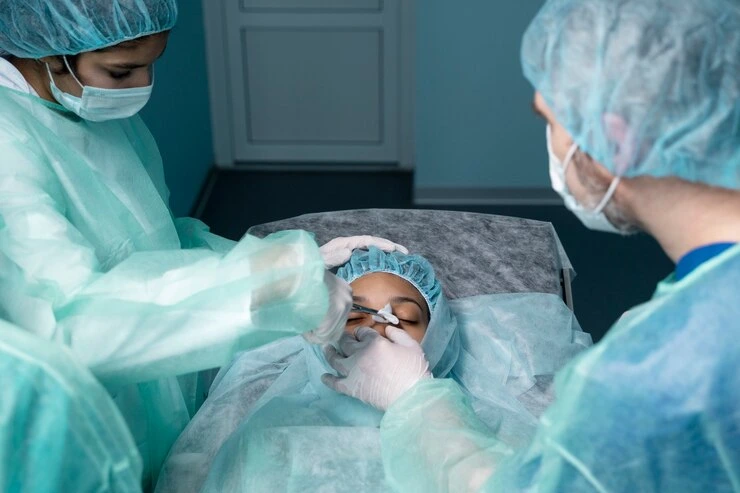
5. Manage Stress and Reduce Eye Strain

Stress and digital eye strain can negatively affect your overall health and indirectly impact your risk of developing glaucoma. Chronic stress may elevate blood pressure and intraocular pressure, making stress management essential for eye care.

How to Reduce Stress and Eye Strain:

  • Practice the 20-20-20 Rule: For every 20 minutes spent staring at screens, look at an object 20 feet away for 20 seconds.
  • Sleep Well: Aim for 7-8 hours of restful sleep every night to promote eye recovery and reduce stress.
  • Meditation and Relaxation: Techniques like mindfulness, deep breathing, and yoga help lower stress levels.

Did You Know? Digital eye strain can cause headaches, dry eyes, and blurred vision. By managing screen time and stress, you can support your eye health and overall well-being.

If you want to know more about Glaucoma Treatment you can visit our pages.

How Regular Checkups Help Prevent Glaucoma

When it comes to preventing an eye disease, regular eye checkups are the cornerstone of care. Early detection and proper management can significantly reduce your risk of vision loss. Best Eye Hospital, provide specialized glaucoma screening and treatment to protect your vision.

Prevent Glaucoma

FAQs Regarding Prevent Glaucoma

1. What causes glaucoma?

Glaucoma is primarily caused by increased eye pressure, which damages the optic nerve. Genetics, age, and underlying medical conditions like diabetes can increase the risk.

2. How often should I have an eye checkup to prevent glaucoma?

If you’re over 40 or at higher risk, schedule an eye exam annually. Otherwise, every 1-2 years is sufficient.

3. Can lifestyle changes completely prevent glaucoma?

While lifestyle changes significantly lower your risk, glaucoma prevention also requires regular eye checkups and monitoring.

4. Is glaucoma treatable?

While it cannot be cured, glaucoma can be managed effectively with medication, laser treatment, or surgery if caught early.

5. Does screen time worsen glaucoma?

Screen time doesn’t directly cause glaucoma, but prolonged exposure can lead to eye strain. Proper screen habits protect your overall eye health.

Simple Lifestyle Changes to Prevent Glaucoma and Protect Your Vision

Glaucoma may be a silent and progressive condition, but with awareness and preventive measures, you can protect your vision for the future. By implementing these five lifestyle changes—getting regular eye checkups, maintaining a healthy diet, staying active, protecting your eyes from UV rays, and managing stress—you can significantly reduce your risk of developing an eye disease.

Eye care starts with you. Prioritizing routine checkups at trusted facilities like the Best Eye Hospital in Kolkata, ensures you receive expert guidance and early intervention. Your vision is priceless, and proactive care is the key to preventing acute eye disease and maintaining healthy eyesight for years to come.

Take charge of your eye health today—small steps make a big difference!

What are the Advancements in Corneal Surgery?

The Latest Advancements in Corneal Transplant Surgery

Hello Reader!

Welcome to the blog page of Pushpanjali Eye Care, one of the best eye vision clinic. 

The cornea, the clear outermost layer of the eye, plays a critical role in focusing light onto the retina. Any cornea damage or disease can lead to significant vision impairment or blindness. However, with advancements in medical technology and surgical techniques, corneal surgery has radically transformed, offering new hope for patients. At Pushpanjali Eye Care, recognized as one of the best eye hospital in Kolkata, we are committed to staying at the forefront of these advancements to provide world-class eye care.

Best Eye Hospital In Kolkata , Best ophthalmologist in Kolkata , Best Eye specialists in Kolkata , Top eye hospital in Kolkata , best Glaucoma treatment in Kolkata , Best Lasik surgery in Kolkata , Best Cataract Treatment in Kolkata , best cataract surgery in Kolkata , Lasik Surgery Cost in Kolkata , Cataract surgery in Kolkata , Cataract surgery cost in Kolkata , Glaucoma specialist in Kolkata , Refractive surgery in Kolkata , Lasik surgery in Kolkata, Corneal Surgery

Understanding Corneal Surgery

Corneal surgery involves procedures aimed at treating corneal diseases, injuries, or conditions like keratoconus, corneal scars, infections, and dystrophies. With the advent of innovative technologies, corneal surgeries are now less invasive, more precise, and have significantly improved patient outcomes.

Key Advancements in Corneal Surgery

1. Femtosecond Laser-Assisted Surgery

The integration of femtosecond laser technology has revolutionized corneal transplantation and refractive surgeries. This technology allows surgeons to create precise incisions, leading to faster recovery and improved vision outcomes. At Pushpanjali Eye Care, we leverage this cutting-edge technology to ensure optimal results for our patients, reaffirming our reputation as one of the best ophthalmology clinic.

2. DMEK (Descemet Membrane Endothelial Keratoplasty)

DMEK is a minimally invasive procedure that involves replacing only the damaged endothelial layer of the cornea. This technique offers faster visual recovery, reduced rejection rates, and a more natural optical result compared to traditional full-thickness transplants.

3. DSAEK (Descemet Stripping Automated Endothelial Keratoplasty)

DSAEK is another advanced corneal transplant technique where a thin layer of donor corneal tissue, including the endothelial layer, is transplanted. It has become a standard for treating endothelial disorders, such as Fuchs’ dystrophy.

4. Artificial Corneas (Keratoprosthesis)

For patients who cannot benefit from traditional corneal transplants, artificial corneas (keratoprosthesis) offer a viable solution. This technology provides vision restoration to patients with severe corneal damage.

5. Corneal Cross-Linking (CXL)

Corneal cross-linking is a non-invasive treatment primarily used for keratoconus. This technique strengthens the cornea by increasing collagen cross-links, preventing further thinning and distortion.

6. 3D-Printed Corneas

3D printing has opened new frontiers in corneal surgery. Scientists are now able to create biocompatible corneal implants using patient-specific data, potentially eliminating the dependency on donor tissue in the future.

7. Advanced Imaging and Diagnostic Tools

Technologies like anterior segment OCT (optical coherence tomography) and Scheimpflug imaging have enhanced the precision of corneal surgeries. These diagnostic tools provide detailed images of the cornea, allowing surgeons to plan and execute procedures with greater accuracy.

Also Read: What Causes a Corneal Abrasion and Why Is It So Painful?

Best Eye Hospital In Kolkata , Best ophthalmologist in Kolkata , Best Eye specialists in Kolkata , Top eye hospital in Kolkata , best Glaucoma treatment in Kolkata , Best Lasik surgery in Kolkata , Best Cataract Treatment in Kolkata , best cataract surgery in Kolkata , Lasik Surgery Cost in Kolkata , Cataract surgery in Kolkata , Cataract surgery cost in Kolkata , Glaucoma specialist in Kolkata , Refractive surgery in Kolkata , Lasik surgery in Kolkata, Corneal Surgery

What are the latest advancements in artificial cornea implantation?

Latest Advancements in Artificial Cornea Implantation

Artificial cornea implantation has seen significant advancements aimed at addressing the global shortage of donor corneas and improving patient outcomes. With millions of individuals affected by corneal blindness, innovative solutions are being developed to provide effective alternatives to traditional corneal transplants. Here are some of the latest advancements in this field.

1. Synthetic Corneal Implants

Researchers at Cardiff University have pioneered fully synthetic corneal implants designed to alleviate the shortage of donor tissues. These implants are made from collagen analogs, which not only simplify the manufacturing process but also reduce costs. Importantly, they are engineered to suppress inflammation and promote tissue regeneration, which is crucial for long-term success in patients awaiting transplantation. This development presents a promising alternative for those suffering from corneal diseases, as it mitigates the risks associated with immune rejection that often accompany traditional transplants.

2. Minimally Invasive Techniques

Recent studies have introduced bioengineered corneal tissues that can be implanted using minimally invasive methods. One such innovation involves a cell-free engineered corneal tissue known as BPCDX, which can be inserted into an intrastromal pocket within the recipient’s cornea without removing existing tissue or using sutures. This technique has shown significant improvements in corneal thickness and visual acuity in clinical trials conducted in India and Iran, demonstrating outcomes comparable to standard corneal transplantation but with a simpler surgical approach.

3. Advances in Keratoprostheses

The field of keratoprostheses (KPros) has also evolved, with new synthetic designs that enhance biointegration with native tissues. The AlphaCor™, a synthetic polymer keratoprosthesis, has been improved to minimize complications such as stromal melting and optic deposition. These advancements aim to create more durable and effective artificial corneas that can better replicate the natural structure and function of human corneas.

4. Cell Therapy Approaches

Innovative cell therapy techniques are being explored to reduce the need for donor corneas altogether. For instance, companies like Eversight are conducting clinical trials that involve injecting healthy donor corneal endothelial cells directly into the eye. This approach aims to repopulate diseased corneas with functional cells, potentially eliminating the need for transplantation. Such therapies could significantly increase the number of patients treated with just one donor cornea, addressing both supply issues and improving patient outcomes.

5. Hygelix™ Technology

A new patented technology called Hygelix™ is being developed by researchers at the University of Melbourne in collaboration with Eversight USA. This innovative method enhances the adherence of donor corneal endothelium during transplantation, allowing it to “pop-up” like a tent when implanted. This technique is expected to improve surgical outcomes for patients undergoing corneal transplants and is currently undergoing pre-clinical trials.

Best Eye Hospital In Kolkata , Best ophthalmologist in Kolkata , Best Eye specialists in Kolkata , Top eye hospital in Kolkata , best Glaucoma treatment in Kolkata , Best Lasik surgery in Kolkata , Best Cataract Treatment in Kolkata , best cataract surgery in Kolkata , Lasik Surgery Cost in Kolkata , Cataract surgery in Kolkata , Cataract surgery cost in Kolkata , Glaucoma specialist in Kolkata , Refractive surgery in Kolkata , Lasik surgery in Kolkata, Corneal Surgery

What are the potential risks associated with corneal transplantation?

Corneal transplantation, while generally considered a safe and effective procedure, carries several potential risks and complications that patients should be aware of. Understanding these risks is crucial for anyone considering the surgery, as they can impact both the short-term recovery and long-term success of the transplant.

1. Graft Rejection

One of the most significant risks associated with corneal transplantation is graft rejection. This occurs when the body’s immune system identifies the transplanted cornea as foreign and attempts to attack it. The incidence of rejection varies, with approximately 10-20% of patients experiencing some form of rejection after full-thickness corneal transplants. Symptoms may include redness, sensitivity to light, and cloudy vision. Fortunately, early detection and treatment with steroid eye drops can often reverse this condition if addressed promptly.

2. Infection

Infection is another potential complication that can arise post-surgery. This can occur due to bacteria, viruses, or fungi entering through surgical wounds. Post-operative infections can lead to serious complications, including endophthalmitis, which is an inflammation of the interior of the eye that can threaten vision. Patients are advised to monitor for signs of infection, such as increased pain, redness, or discharge from the eye.

3. Elevated Intraocular Pressure (Glaucoma)

Corneal transplantation can lead to elevated intraocular pressure, commonly referred to as glaucoma. This condition may develop due to inflammation or as a side effect of medications used during recovery. Secondary glaucoma was reported in about 13% of cases in some studies, making it a significant concern for postoperative management. Regular monitoring and treatment are essential to prevent damage to the optic nerve.

4. Cataracts

Patients who undergo corneal transplantation may also be at risk for developing cataracts, which is a clouding of the eye’s lens that can impair vision. This complication can occur due to the surgical procedure itself or as a side effect of corticosteroid medications used to prevent rejection.

5. Other Complications

Other potential complications include:

  • Astigmatism: Irregularities in the shape of the cornea after surgery can lead to distorted vision.
  • Wound Dehiscence: This refers to the reopening of surgical wounds, which may require additional treatment.
  • Retinal Detachment: Although rare, this serious condition occurs when the retina pulls away from its normal position and can lead to vision loss if not treated urgently.
  • Keratitis: Inflammation of the cornea itself can occur post-surgery, leading to discomfort and vision issues.
Best Eye Hospital In Kolkata , Best ophthalmologist in Kolkata , Best Eye specialists in Kolkata , Top eye hospital in Kolkata , best Glaucoma treatment in Kolkata , Best Lasik surgery in Kolkata , Best Cataract Treatment in Kolkata , best cataract surgery in Kolkata , Lasik Surgery Cost in Kolkata , Cataract surgery in Kolkata , Cataract surgery cost in Kolkata , Glaucoma specialist in Kolkata , Refractive surgery in Kolkata , Lasik surgery in Kolkata, Corneal Surgery

Why Choose Pushpanjali Eye Care for Corneal Surgery?

As one of the best eye hospitals in Kolkata, Pushpanjali Eye Care is dedicated to offering the latest advancements in corneal surgery. Here’s why patients trust us:

  1. Expert Team: Our surgeons are highly trained in advanced corneal procedures, ensuring exceptional care for every patient.
  2. State-of-the-art technology: We invest in the latest equipment and techniques to provide cutting-edge solutions.
  3. Personalized Care: Every patient receives tailored treatment plans designed for their unique needs.
  4. Comprehensive Eye Care: From diagnostics to post-operative care, we offer a holistic approach to eye health.

The Future of Corneal Surgery

With ongoing research and technological advancements, the future of corneal surgery holds immense promise. Innovations such as gene therapy, regenerative medicine, and bioengineered corneas are expected to further revolutionize this field, offering improved outcomes and accessibility to more patients.

At Pushpanjali Eye Care, we are excited to be part of this transformative journey. Our commitment to excellence ensures that we remain one of the bestopthalmology clinic, providing our patients with the best possible care and the latest advancements in corneal surgery.

Best Eye Hospital In Kolkata , Best ophthalmologist in Kolkata , Best Eye specialists in Kolkata , Top eye hospital in Kolkata , best Glaucoma treatment in Kolkata , Best Lasik surgery in Kolkata , Best Cataract Treatment in Kolkata , best cataract surgery in Kolkata , Lasik Surgery Cost in Kolkata , Cataract surgery in Kolkata , Cataract surgery cost in Kolkata , Glaucoma specialist in Kolkata , Refractive surgery in Kolkata , Lasik surgery in Kolkata, Corneal Surgery

FAQ

1. What are the latest technologies in corneal surgery?

Advanced technologies like femtosecond laser-assisted surgery, corneal cross-linking, and 3D-printed corneas are revolutionizing precision and outcomes in corneal surgery.

2. How has corneal transplantation improved in recent years?

Minimally invasive techniques like DMEK (Descemet Membrane Endothelial Keratoplasty) and DSAEK (Descemet Stripping Automated Endothelial Keratoplasty) provide faster recovery, reduced rejection rates, and better visual results.

3. What is the role of artificial corneas in surgery?

Artificial corneas (keratoprosthesis) are a breakthrough option for patients ineligible for traditional transplants, offering vision restoration even in severe cases.

4. How does corneal cross-linking help patients with keratoconus?

Corneal cross-linking strengthens the cornea by increasing collagen bonds, halting the progression of keratoconus and improving corneal stability.

5. Why are advanced imaging tools essential in corneal surgery?

Tools like anterior segment OCT and Scheimpflug imaging enable detailed diagnostics, allowing for precise surgical planning and improved outcomes.

Conclusion

The advancements in corneal surgery have redefined vision restoration, bringing light into the lives of millions. If you or a loved one is experiencing corneal issues, don’t hesitate to consult the experts at Pushpanjali Eye Care, one of the best eye hospitals in Kolkata. Together, let’s embark on a journey toward a better vision and a brighter future.

For consultations and appointments, contact Pushpanjali Eye Care today!