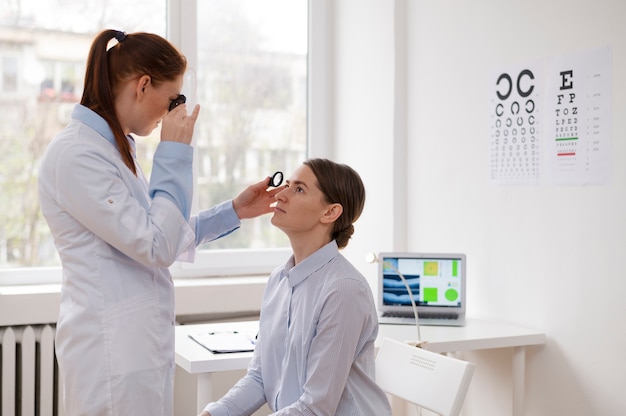
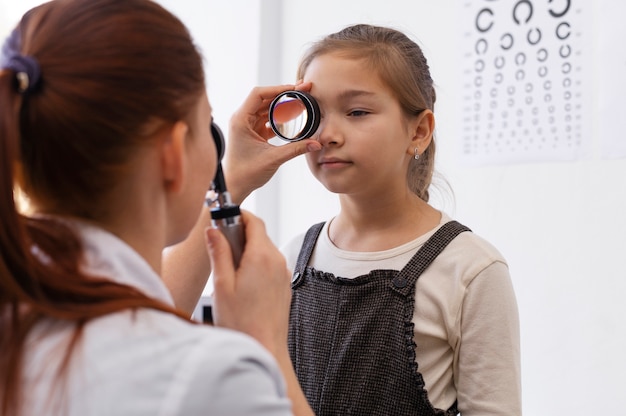
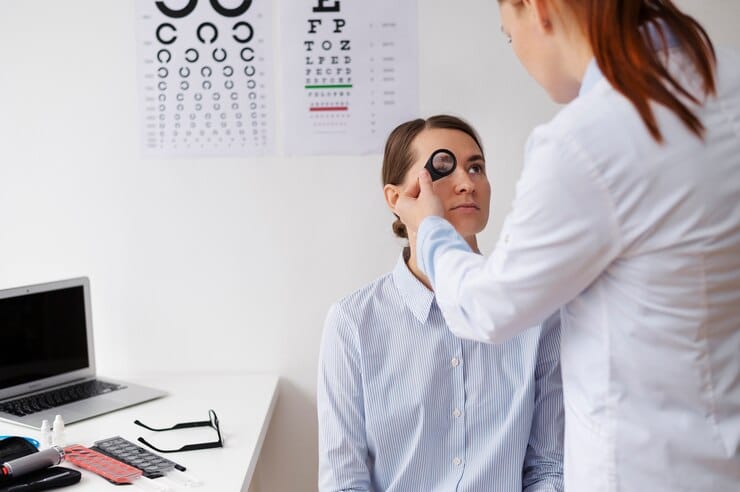
Welcome to the blog page of Pushpanjali Eye Care, one of the best eye hospitals in Kolkata. In this blog, we will share some of the best eye exercises to relieve eye strain.
In today’s digital age, computers, smartphones, and other electronic devices have become ubiquitous. While these technologies offer numerous benefits, they also come with certain drawbacks, one of which is digital eye strain. Also known as computer vision syndrome, digital eye strain refers to a group of eye and vision-related problems that result from prolonged use of digital screens. At Pushpanjali Eye Hospital, one of the best eye hospitals in Kolkata, we are dedicated to helping our patients understand and manage this common issue.
Table of Contents
Understanding Digital Eye Strain
Digital eye strain occurs when your eyes get tired from intense use, such as staring at a computer monitor, tablet, or smartphone for long periods. Symptoms of digital eye strain include:
Eye discomfort and fatigue
Dry eyes
Headaches
Blurred vision
Neck and shoulder pain
These symptoms are typically temporary but can be frequent with continuous screen use.
Causes of Digital Eye Strain
Several factors contribute to digital eye strain, including:
Prolonged Screen Time:
Spending extended periods staring at digital screens without taking sufficient breaks is a significant cause of digital eye strain. Continuous focus on screens can lead to eye fatigue, as the eye muscles are constantly working to maintain focus. This is especially problematic for individuals who spend many hours working on computers or using smartphones and tablets for both professional and recreational activities.
Poor Lighting Conditions:
Working in environments with suboptimal lighting can place undue stress on your eyes. Both overly bright and dim lighting conditions can cause your eyes to work harder to see clearly. Harsh lighting, such as bright overhead lights or sunlight directly hitting the screen, can create a stark contrast, making it difficult for the eyes to adjust comfortably. Conversely, low light can cause the eyes to strain as they struggle to focus on the screen.
Glare and Reflections:
Glare from screens or surrounding surfaces can contribute significantly to eye discomfort. Reflections from windows, overhead lights, or even the screen itself can cause glare, leading to increased squinting and eye strain. This can be particularly problematic in environments with a lot of natural light or where lighting cannot be easily controlled.
Improper Viewing Distances:
The distance at which you view your screen can also affect eye strain. Sitting too close to the screen can force your eyes to work harder to focus, leading to fatigue. On the other hand, sitting too far away can cause you to squint or strain to see the details on the screen. The optimal viewing distance is typically considered to be about 20-30 inches from the screen, with the screen positioned at or just below eye level.
Uncorrected Vision Problems:
Undiagnosed or uncorrected vision issues, such as farsightedness, astigmatism, or even presbyopia (age-related difficulty in seeing close objects), can exacerbate the symptoms of digital eye strain. Individuals with these vision problems may experience increased discomfort when using digital devices because their eyes must work harder to focus. Regular eye examinations and appropriate corrective lenses can help alleviate this aspect of digital eye strain.
Best Eye Exercises and Remedies to Treat Digital Eye Strain
At Pushpanjali Eye Hospital, an eye hospital in Kolkata renowned for its comprehensive eye care services, we recommend several exercises and remedies to alleviate and prevent digital eye strain:
The 20-20-20 Rule:
Every 20 minutes, take a 20-second break to look at something 20 feet away. This helps relax the eye muscles and reduce fatigue.
Blinking Exercises:
Blink frequently to keep your eyes moist. Blinking produces tears that can help prevent dryness and irritation.
Palming:
Rub your palms together to generate heat, then gently place them over your closed eyes. The warmth and darkness can help soothe tired eyes.
Eye Rolling:
Roll your eyes in a circular motion to stretch and relax the eye muscles. Do this slowly and gently.
Focus Change:
Hold a pencil or any small object at arm’s length, focus on it, and slowly bring it closer to your nose. Then move it back to arm’s length. Repeat this several times to strengthen your focusing ability.
Adjusting Screen Settings:
Ensure your screen is positioned at eye level and about 20-30 inches from your eyes. Adjust brightness and contrast to comfortable levels, and consider using screen filters to reduce glare.
Proper Lighting:
Use ambient lighting that matches the brightness of your screen. Avoid harsh overhead lighting or bright sunlight directly behind or in front of your screen.
Regular Breaks:
Take regular breaks from screen time to rest your eyes. Stand up, move around, and focus on distant objects.
Hydration and Diet:
Stay hydrated by drinking plenty of water, and eat a balanced diet rich in omega-3 fatty acids, vitamins A, C, and E, which are essential for eye health.
Use of Artificial Tears:
Over-the-counter artificial tears can help lubricate your eyes and reduce dryness and irritation.
FAQ
What are some quick eye exercises I can do to relieve digital eye strain?
Answer: Quick eye exercises include blinking frequently to moisten your eyes, rolling your eyes gently in circles to relax them, and focusing on distant objects for a few moments every 20 minutes.
How can I reduce eye strain without taking breaks from my screen?
Answer: Adjust your screen settings by reducing brightness, using a matte screen filter to minimize glare, and ensuring your screen is at eye level to reduce strain on your neck and eyes.
Are there specific stretches or movements that can help alleviate eye fatigue?
Answer: Yes, try the “palming” technique—rub your palms together to generate heat, then place them gently over your closed eyes to relax them. Another effective stretch is gently massaging your temples in a circular motion.
Can eye drops help with digital eye strain?
Answer: Yes, lubricating eye drops (artificial tears) can help alleviate dryness and irritation caused by digital eye strain. Use drops specifically formulated for dry eyes, and apply as needed throughout the day.
What role does proper lighting play in reducing digital eye strain?
Answer: Proper lighting is crucial. Ensure your workspace is well-lit with indirect, ambient lighting that matches the brightness of your screen. Avoid harsh overhead lighting or direct sunlight on your screen to minimize glare and strain on your eyes.
When to Seek Professional Help
If you continue to experience symptoms of digital eye strain despite following these exercises and remedies, it may be time to consult an eye care professional. At Pushpanjali Eye Hospital, one of the best eye hospitals in Kolkata, our experienced ophthalmologists can provide a thorough eye examination and recommend appropriate treatments tailored to your needs.
Digital eye strain is a common issue in our technology-driven world, but it doesn’t have to be a permanent problem. By incorporating these eye exercises and remedies into your daily routine, you can significantly reduce the strain on your eyes and improve your overall eye health. If you need further assistance, don’t hesitate to visit Pushpanjali Eye Hospital, a trusted eye hospital in Kolkata, where we are committed to providing the highest quality eye care for all our patients.
Welcome to the blog page of Pushpanjali Eye Care, one of the best eye hospitals in Kolkata. In this blog, we are going to share some of the ways to prevent eye strain. Nowadays, screen time has become an integral part of everybody’s life. Caring for your eyes is vital now.
In today’s digital age, many of us find ourselves spending long hours in front of screens, whether it’s for work, study, or leisure. This prolonged screen time can lead to digital eye strain, also known as computer vision syndrome. As one of the best eye hospitals in Kolkata, Pushpanjali Eye Care understands the importance of preventing and managing digital eye strain for overall eye health and comfort.
Table of Contents
Understanding Digital Eye Strain
Digital eye strain, also known as computer vision syndrome, refers to a variety of eye discomfort and vision issues that arise from extended use of digital devices like computers, smartphones, and tablets. These devices emit blue light and require continuous focusing and refocusing of the eyes, contributing to several common symptoms:
Eye Fatigue: Users often experience tired, sore, or dry eyes after prolonged periods of staring at screens. This fatigue can lead to discomfort and a sensation of heaviness in the eyes.
Headaches: A frequent complaint among those who spend long hours on digital devices, headaches can result from strained eye muscles and exposure to the glare of screens.
Blurry Vision: Difficulty in maintaining clear focus is a hallmark of digital eye strain. Users may find it challenging to shift their focus between different distances, leading to temporary blurring of vision.
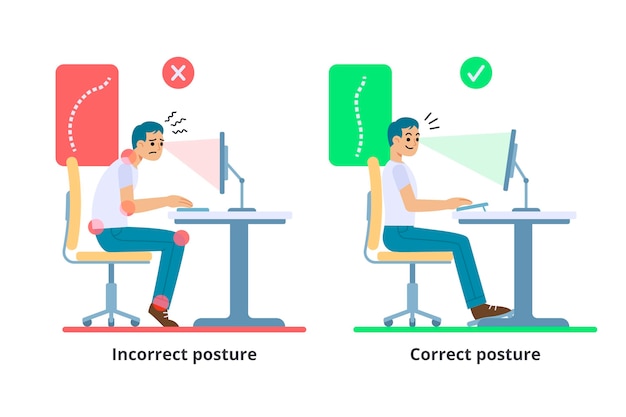
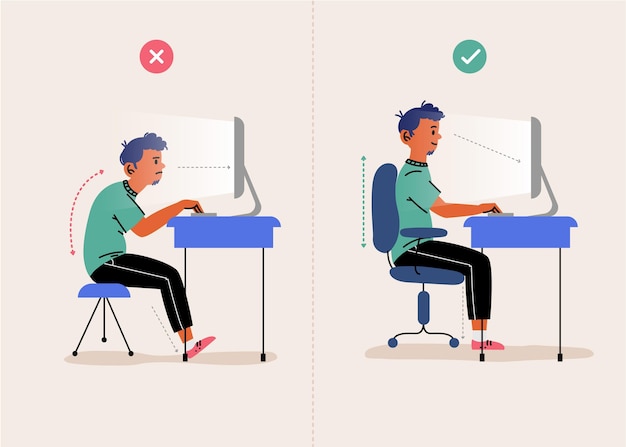
Neck and Shoulder Pain: Poor posture while using devices can cause stiffness and pain in the neck and shoulders. Leaning forward to view screens or holding devices at awkward angles can strain neck muscles over time.
Tips to Prevent Digital Eye Strain
1. Follow the 20-20-20 Rule
What It Means: The 20-20-20 rule suggests that every 20 minutes of screen time, you should take a break by looking away from your digital device. During this break, focus your gaze on an object located at least 20 feet away from you, and maintain this focus for at least 20 seconds.
Why It Helps: This practice serves several purposes that contribute to reducing eye muscle fatigue and preventing eye strain. Firstly, continuously focusing on a screen at a fixed distance can lead to a condition known as accommodative spasm, where the eyes lock into a strained position. By looking at a distant object, you allow your eye muscles to relax and readjust their focus. Secondly, shifting your gaze to a distant point helps reduce the concentration of blue light exposure from digital screens, which is known to contribute to eye strain and disrupt sleep patterns. Lastly, incorporating regular breaks into your screen time routine promotes overall eye health by preventing the accumulation of stress on the eyes and supporting better visual comfort throughout the day.
2. Adjust Screen Settings
Brightness and Contrast: Adjust your screen brightness to match the ambient light. Reduce glare by adjusting contrast settings.
Text Size and Color: Opt for larger text sizes and high-contrast color schemes to make reading easier.
3. Ensure Proper Lighting
Natural Light
Positioning: Arrange your workstation so that your screen is not directly in front of or behind windows to avoid glare and reflections. Side lighting from windows is preferable to minimize the contrast between the screen and ambient light.
Adjust Curtains or Blinds: Use curtains or blinds to control natural light intensity. Diffusing direct sunlight with sheer curtains can reduce glare effectively.
Task Lighting
Desk Lamp Selection: Choose a desk lamp with adjustable brightness and a flexible neck. This allows you to direct light where it’s needed most, such as on documents or keyboards, without causing glare on your screen.
Lighting Angle: Position the lamp slightly to the side of your dominant hand to minimize shadows and reflections on the screen. Avoid placing the lamp directly behind your screen or in a way that creates direct glare.
4. Maintain Ergonomic Setup
Monitor Position: Position your monitor about an arm’s length away and slightly below eye level.
Chair and Desk: Use a chair with good lumbar support and ensure your desk height allows for comfortable typing.
5. Take Regular Breaks
Scheduled Breaks
Routine Integration: Plan and schedule breaks at regular intervals throughout your workday. Aim for a short break every 20 to 30 minutes to give your eyes a rest from continuous screen focus.
Eye Rest: During breaks, consciously look away from your screen and focus on distant objects to relax your eye muscles. This practice helps prevent eye fatigue and allows your eyes to recover from prolonged work.
Physical Activity
Stretching and Movement: Incorporate light physical activities during breaks to reduce muscle tension and improve circulation. Simple stretches for your neck, shoulders, and back can alleviate stiffness caused by prolonged sitting.
Eye Exercises: Include gentle eye exercises in your breaks, such as rolling your eyes clockwise and counterclockwise, or focusing on near and far objects alternately. These exercises help maintain flexibility and reduce strain on your eye muscles.
6. Use Blue Light Filters
Screen Filters: Apply blue light filters or use software to reduce blue light emission from screens, especially in the evening.
Blue Light Glasses: Consider wearing glasses with blue light-blocking lenses, which can help reduce eye strain.
FAQ
Why is digital eye strain a concern while working from home?
Digital eye strain, or computer vision syndrome, can occur due to prolonged use of digital devices like computers, laptops, and smartphones. Working from home often involves extended screen time, which can lead to symptoms such as eye fatigue, headaches, and blurred vision.
What are the common symptoms of digital eye strain?
Symptoms of digital eye strain include tired, dry, or sore eyes, headaches, blurry vision, and neck or shoulder pain. These symptoms can worsen with prolonged screen use and may affect productivity and comfort.
How can I set up my workstation to prevent digital eye strain?
Ensure your monitor is positioned about an arm’s length away and slightly below eye level. Adjust screen brightness and contrast to match the ambient light. Use curtains or blinds to control natural light and avoid glare from windows. Additionally, use a desk lamp with adjustable brightness for focused tasks.
What is the 20-20-20 rule, and how does it help?
The 20-20-20 rule suggests taking a break every 20 minutes to look at an object at least 20 feet away for at least 20 seconds. This practice helps reduce eye muscle fatigue and prevents eye strain by giving your eyes a chance to relax and refocus.
Should I use blue light filters or special glasses to prevent digital eye strain?
Blue light filters for screens and special glasses with blue light-blocking lenses can help reduce exposure to harmful blue light emitted by digital devices. These tools can be beneficial, especially when working in the evening or under artificial lighting.
Visit Pushpanjali Eye Care, the Best Eye Hospital in Kolkata
As one of the best eye hospitals in Kolkata, Pushpanjali Eye Care offers comprehensive eye care services to help you maintain optimal eye health. Whether you’re experiencing symptoms of digital eye strain or need routine eye check-ups, our experienced ophthalmologists and advanced diagnostic equipment ensure personalized care.
Conclusion
Preventing digital eye strain while working from home is crucial for maintaining long-term eye health and productivity. By following these tips and regularly visiting a trusted eye hospital in Kolkata like Pushpanjali Eye Care, you can mitigate the effects of digital eye strain and enjoy comfortable, productive screen time.
Welcome to the blog page of Pushpanjali Eye Care, one of the best eye hospitals in Kolkata. Here, in this blog, we will share with you the basic knowledge about digital eye strain and how to treat them. Let’s dive into it.
In the digital age, the omnipresence of screens in our daily lives is undeniable. Our eyes are constantly exposed to digital devices, from smartphones to tablets to computers and televisions. This continuous exposure can lead to a condition known as digital eye strain, or computer vision syndrome. At Pushpanjali Eye Hospital, one of the best eye hospitals in Kolkata, we aim to educate our patients about this common issue and provide effective solutions to alleviate it.
Digital eye strain, also known as computer vision syndrome, encompasses a range of eye and vision-related issues that arise from extended use of digital screens. This condition is a direct result of several contributing factors, such as poor lighting, excessive screen glare, improper viewing distances, and uncorrected vision problems. The human eye is not naturally adapted to staring at digital screens for long periods, leading to discomfort and visual disturbances. As screens have become an integral part of our daily lives for work, education, and leisure, the prevalence of digital eye strain has significantly increased.
The reliance on digital devices has surged, making digital eye strain a widespread and growing concern. Whether it’s for professional tasks, online learning, or recreational activities like gaming and streaming, our eyes are subjected to prolonged screen exposure. This continuous exposure demands constant focus and accommodation, straining the eye muscles and causing fatigue. Moreover, the blue light emitted by screens can further exacerbate eye strain and disrupt sleep patterns. Recognizing and addressing digital eye strain is essential to maintain eye health and overall well-being in today’s technology-driven world.
Symptoms of Digital Eye Strain
Recognizing the symptoms of digital eye strain is crucial for timely intervention and effective management. Here are the most common symptoms:
Eye Discomfort: Persistent eye discomfort or irritation is a hallmark of digital eye strain. This can manifest as a feeling of burning, itching, or general eye soreness after prolonged screen use.
Dry Eyes: Reduced blinking rates while using screens can lead to dry, irritated eyes. Blinking helps to moisten the eyes, and staring at screens tends to decrease this natural reflex, causing dryness and discomfort.
Headaches: Prolonged screen use can cause frequent headaches or migraines. The strain on the eyes from focusing on screens for long periods can lead to tension headaches, making it difficult to concentrate on tasks.
Blurred Vision: Difficulty in focusing and intermittent blurred vision are common complaints. This symptom can occur due to the eyes’ continuous effort to focus on the small text and images on screens, leading to visual fatigue.
Neck and Shoulder Pain: Poor posture while using digital devices can result in neck and shoulder pain. This occurs because many people tend to hunch over their devices, leading to muscle strain and discomfort in the neck and shoulders.
Light Sensitivity: Increased sensitivity to light, also known as photophobia, may occur. This symptom is characterized by discomfort or pain in the eyes when exposed to bright lights, both from screens and ambient sources.
If you experience any of these symptoms, it’s essential to consult with an eye care professional at Pushpanjali Eye Hospital, one of the best eye hospitals in Kolkata, for a comprehensive eye examination. Early diagnosis and appropriate treatment can significantly alleviate discomfort and prevent long-term damage, ensuring that your vision remains healthy despite the demands of the digital age.
Causes of Digital Eye Strain
Several factors contribute to the development of digital eye strain. Understanding these causes can help in mitigating the symptoms and preventing further discomfort. Here are the primary causes:
Screen Glare: Reflections and glare from digital screens can cause significant eye discomfort. Glare occurs when light reflects off the screen surface, creating visual “noise” that makes it harder for the eyes to focus, leading to strain and fatigue.
Poor Lighting: Insufficient or excessive lighting can strain the eyes. Poorly lit environments force the eyes to work harder to see the screen, while overly bright surroundings can create glare and reflections, both contributing to eye strain.
Improper Viewing Distance: Sitting too close or too far from the screen can lead to eye strain. The optimal viewing distance is crucial; too close puts extra demand on the eye muscles to focus, while too far makes the eyes strain to read small text and details.
Extended Screen Time: Prolonged use of digital devices without taking breaks exacerbates symptoms of digital eye strain. Continuous focus on screens tires the eye muscles, leading to fatigue, discomfort, and other related symptoms.
Uncorrected Vision Problems: Undiagnosed refractive errors, such as nearsightedness (myopia) or astigmatism, can intensify eye strain. These vision problems force the eyes to work harder to achieve clear vision, especially when looking at screens for long periods.
Understanding these causes can help in taking preventive measures to reduce digital eye strain. If you are experiencing symptoms, it is advisable to consult an eye care professional at Pushpanjali Eye Hospital, a leading eye hospital in Kolkata, to address any underlying issues and receive appropriate guidance for managing eye strain effectively.
How to Treat Digital Eye Strain
At Pushpanjali Eye Hospital, we recommend several strategies to alleviate and prevent digital eye strain:
Follow the 20-20-20 Rule: Every 20 minutes, take a 20-second break and look at something 20 feet away. This simple practice can help reduce eye fatigue.
Adjust Screen Settings: Optimize the brightness, contrast, and font size on your devices to ensure comfortable viewing.
Proper Lighting: Use adequate lighting to minimize screen glare. Position your screen to avoid reflections from windows or overhead lights.
Maintain Good Posture: Ensure that your computer screen is at eye level and a comfortable distance. Use an ergonomic chair to support proper posture.
Blink Frequently: Consciously blinking more often can help keep your eyes moist and prevent dryness.
Use Artificial Tears: Over-the-counter lubricating eye drops can alleviate dryness and irritation.
Regular Eye Exams: Schedule regular eye check-ups at Pushpanjali Eye Hospital, one of the best eye hospitals in Kolkata, to detect and correct any vision problems.
When to Seek Professional Help
If your symptoms persist despite following these preventive measures, it is crucial to seek professional help. At Pushpanjali Eye Hospital, a renowned eye hospital in Kolkata, our experienced ophthalmologists are equipped to diagnose and treat digital eye strain effectively. We offer comprehensive eye examinations and personalized treatment plans to address your specific needs.
FAQ
1. What is digital eye strain, and what causes it?
Answer: Digital eye strain, also known as computer vision syndrome, refers to a collection of eye and vision-related problems that result from prolonged use of digital screens. Several factors contribute to this condition, including screen glare, poor lighting, improper viewing distances, extended screen time without breaks, and uncorrected vision problems like nearsightedness or astigmatism.
2. What are the common symptoms of digital eye strain?
Answer: The most common symptoms of digital eye strain include persistent eye discomfort or irritation, dry eyes due to reduced blinking, frequent headaches or migraines, blurred vision, neck and shoulder pain from poor posture, and increased sensitivity to light (photophobia). Recognizing these symptoms early is essential for timely intervention.
3. How can I prevent or reduce digital eye strain?
Answer: Preventing or reducing digital eye strain can be achieved through several measures. Follow the 20-20-20 rule: every 20 minutes, take a 20-second break and look at something 20 feet away. Adjust screen settings to optimize brightness and contrast, ensure proper lighting to minimize glare, maintain a comfortable viewing distance, and adopt good posture. Additionally, using artificial tears can help keep the eyes moist.
4. When should I seek professional help for digital eye strain?
Answer: If you experience persistent symptoms of digital eye strain despite implementing preventive measures, it is crucial to seek professional help. Consult an eye care professional at Pushpanjali Eye Hospital, one of the best eye hospitals in Kolkata, for a comprehensive eye examination. Early diagnosis and appropriate treatment can significantly alleviate discomfort and prevent long-term damage.
5. What treatments are available for digital eye strain?
Answer: Treatments for digital eye strain vary depending on the underlying causes and severity of the symptoms. Common treatments include using prescription glasses designed for screen use, applying lubricating eye drops to alleviate dryness, adjusting screen settings and workspace ergonomics, and following a structured schedule of screen breaks. An eye care professional can provide personalized recommendations based on a thorough examination.
Conclusion
Digital eye strain is a common but manageable condition. By understanding the symptoms and causes, and by implementing preventive measures, you can protect your eyes from the adverse effects of prolonged screen use. At Pushpanjali Eye Hospital, our commitment to providing top-notch eye care makes us one of the best eye hospitals in Kolkata. Trust us to help you maintain optimal eye health in the digital age.
For more information or to schedule an appointment, visit Pushpanjali Eye Hospital, the leading eye hospital in Kolkata, dedicated to preserving and enhancing your vision.
Welcome to the blog page of Pushpanjali Eye Care, one of the best eye care hospitals in Kolkata. We will discuss about Digital Eye Strain Care in this Blog. Here, you will find a wealth of educational eye care blogs designed to provide you with valuable insights and practical tips. Whether you are searching for solutions to digital eye strain or are interested in eye care tips for remote workers, you’ve come to the right place.
Explore our page for eye health guides. For personalized care, book an online appointment with our ophthalmologists by clicking the appointment button. Your eye health is our priority.
Table of Contents
Introduction
In today’s digital world, remote work has become increasingly common. While it offers numerous benefits, such as flexibility and convenience, it also poses challenges to our eye health. Did you know that more than 70% of remote workers report experiencing digital eye strain? Extended screen time can cause discomfort and affect productivity, making it crucial to adopt effective eye care practices.
Discover how you can protect your eyes and enhance your work-from-home experience. Our guide provides practical tips to help manage and reduce digital eye strain. From proper screen settings and regular eye exercises to blue light management and effective break schedules, we’ve got you covered. Dive in to learn more about maintaining optimal eye health in a digital world.
What Is Digital Eye Strain?
Digital eye strain, also known as computer vision syndrome, refers to a group of eye and vision-related problems resulting from prolonged use of digital devices such as computers, tablets, and smartphones. As our dependence on these devices increases, so does the prevalence of digital eye strain, especially among remote workers who spend extended hours in front of screens.
Symptoms of Digital Eye Strain
Common symptoms of digital eye strain include:
Dry Eyes: Prolonged screen time can reduce blinking rates, leading to dryness and irritation.
Blurred Vision: Difficulty focusing on digital screens can cause temporary blurriness.
Headaches: Eye strain and prolonged screen use can lead to frequent headaches.
Eye Fatigue: Continuous use of digital devices can make your eyes feel tired and heavy.
Neck and Shoulder Pain: Poor posture while using digital devices can contribute to discomfort in the neck and shoulders.
Causes of Digital Eye Strain
The primary causes of digital eye strain include:
Poor Lighting and Glare: Improper lighting and excessive screen glare can increase strain on your eyes.
Inadequate Blinking: Focusing on screens often reduces the blink rate, leading to dry and irritated eyes.
Improper Viewing Distances: Sitting too close or too far from the screen can make it harder for your eyes to focus.
Extended Screen Time: Long hours spent staring at screens can overwork your eyes.
Prevent Digital Eye Strain While Working from Home?
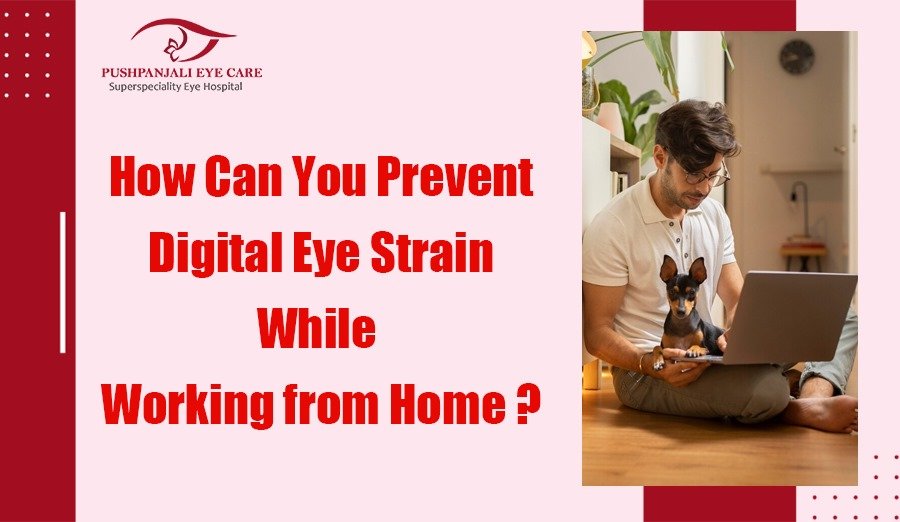
Working from home has its perks, but it also comes with the challenge of increased screen time, which can lead to digital eye strain. Preventing digital eye strain is crucial for maintaining both comfort and productivity. By making a few simple adjustments to your workspace and incorporating healthy habits into your daily routine, you can significantly reduce the risk of digital eye strain. This section will provide practical tips and strategies to help you protect your eyes while enjoying the benefits of remote work.
Preventing digital eye strain is crucial for maintaining your eye health and overall wellbeing.
Here are some strategies to consider:
Follow the 20-20-20 Rule
To give your eyes regular breaks, follow the 20-20-20 rule. Every 20 minutes, look at something 20 feet away for at least 20 seconds. This helps to reduce eye fatigue by allowing your eyes to relax. This rule is widely recommended by eye care professionals and supported by the American Optometric Association as an effective method to combat digital eye strain (All About Vision) (All About Vision).
Maintaining Proper Lighting to Prevent Digital Eye Strain
Proper lighting is crucial in preventing digital eye strain while working from home. Ensuring your workspace is well-lit can significantly reduce eye discomfort and improve productivity. Here are some tips to help you achieve optimal lighting conditions in your home office:
Use Natural Light Wisely
Natural light is one of the best sources of illumination, but it needs to be managed carefully to avoid glare. Position your workstation perpendicular to windows to prevent direct sunlight from hitting your screen. Use blinds or curtains to diffuse the light and reduce harsh shadows and reflections.
Avoid Low-Light Conditions
Working in dim lighting forces your eyes to work harder, leading to eye strain and fatigue. Make sure your workspace is adequately lit, especially during the evening. Use a combination of ambient lighting and task lighting to create a balanced environment. Overhead lights can provide general illumination, while a desk lamp can offer focused light for your work area.
Manage Glare and Reflections
Glare from windows or overhead lights can cause significant discomfort and strain your eyes. To minimize glare, consider using an anti-glare screen protector on your monitor. Adjust your screen’s angle to reduce reflections and ensure that bright light sources are not directly in your line of sight.
Use Adjustable Desk Lamps
A desk lamp with adjustable brightness allows you to control the amount of light on your workspace. Choose a lamp with a flexible neck so you can direct the light exactly where you need it. This can help reduce shadows and provide a consistent level of illumination.
Maintain Consistent Lighting
Ensure that the lighting in your workspace is even and consistent. Avoid sharp contrasts between the brightness of your screen and the surrounding environment, as this can cause your eyes to constantly adjust. Aim for a balanced lighting setup that reduces strain and creates a comfortable working atmosphere.
By maintaining proper lighting in your home office, you can create a more comfortable and productive work environment. For more personalized advice and eye care tips, consider booking an online appointment with the experienced ophthalmologists at Pushpanjali Eye Care. Your eye health is our priority.
Position Your Screen Correctly
Proper screen positioning is essential for minimizing physical strain during extended computer use. Position your monitor 20 to 30 inches away from your eyes to prevent eye strain from screens that are too close or too far. Keep the top of the screen at or slightly below eye level to reduce neck strain and tension headaches. Tilting the screen backward 10 to 20 degrees matches your eyes’ natural downward angle, promoting better posture and reducing the risk of back and shoulder pain. Correct screen placement creates an ergonomic workstation that enhances productivity and comfort while reducing the likelihood of repetitive strain injuries.
Use Anti-Glare Screens
Anti-glare screens reduce monitor glare, improving visibility and reducing eye strain in bright environments. They enhance contrast for sharper text and images, enhancing eye comfort and preventing headaches from prolonged screen use. Anti-glare screens support productivity by promoting a natural posture, reducing the need for constant adjustments. Available in various sizes and types, they are easy to install and versatile for users seeking a practical screen solution.
What Are the Best Eye Exercises to Reduce Digital Eye Strain?
Eye exercises can help alleviate digital eye strain by improving eye flexibility and strength.
Here are some effective exercises:
Blinking
Blinking keeps your eyes moist and prevents dryness and irritation. Make a conscious effort to blink more often when working on a screen.
Focus Change
Hold your finger a few inches from your eye and focus on it. Then, shift your focus to an object farther away. Repeat this exercise several times to improve your focus flexibility.
Eye Rolling
Roll your eyes in a circular motion, first clockwise and then counterclockwise. This helps relax the eye muscles and relieve tension.
Why Is Blue Light Harmful and How Can You Protect Your Eyes?
Understanding Blue Light
Blue light, a high-energy visible (HEV) light, is emitted by digital screens such as those on computers, smartphones, and tablets. Unlike other types of light, blue light penetrates deep into the eye, reaching the retina. Prolonged exposure to blue light can cause digital eye strain, characterized by symptoms such as dry eyes, blurred vision, and headaches. Additionally, blue light exposure, especially in the evening, can disrupt sleep patterns by interfering with the production of melatonin, the hormone that regulates sleep.
Scientific Facts
Research indicates that blue light exposure from digital screens can have adverse effects on eye health and sleep. A study published in the journal *Ophthalmic and Physiological Optics* found that blue light contributes significantly to digital eye strain and retinal damage . Moreover, the journal *Sleep Medicine Reviews* highlights how blue light exposure in the evening can suppress melatonin production, leading to difficulties in falling asleep and poorer sleep quality . Reducing screen time before bed and using blue light filters can help mitigate these effects.
Blue Light Management Tips
Use Blue Light Filters: Many devices have builtin blue light filters or “night mode” settings that reduce blue light emission.
Wear Blue Light Blocking Glasses: These glasses can block or filter out blue light, reducing its impact on your eyes.
Limit Screen Time Before Bed: Avoid using screens at least an hour before bedtime to reduce blue light exposure and improve sleep quality.
Which Screen Settings Can Help Reduce Digital Eye Strain?
Optimizing your screen settings can make a significant difference in reducing eye strain.
Consider the following adjustments:
Adjust Brightness and Contrast
Set your screen brightness to match the lighting in your workspace. Too much brightness can cause glare, while too little can strain your eyes. Adjust the contrast to ensure text and images are clear and sharp.
Use Larger Text
Increase the text size on your screen to reduce the need for squinting and make reading more comfortable.
Enable Dark Mode
Dark mode reduces the amount of blue light emitted and can be easier on the eyes, especially in lowlight conditions.
How Often Should You Take Breaks to Prevent Digital Eye Strain?
Regular breaks are essential for preventing digital eye strain. Here are some guidelines:
Short Breaks
Take a short break every 20 minutes to rest your eyes. Stand up, stretch, and look away from your screen.
Longer Breaks
Incorporate longer breaks into your workday. For every hour of screen time, take a 510 minute break to relax your eyes and body.
Eye Exercises During Breaks
Use break time to perform eye exercises, such as focusing on distant objects or practicing eye rolling, to keep your eyes healthy and reduce strain.
Seasonal Eye Care Advice
Different seasons can affect your eye health in various ways, presenting unique challenges and requiring specific care strategies. For instance, spring and fall allergies can lead to increased eye irritation, while winter’s dry air can cause dryness and discomfort. Here are some seasonal tips to help you maintain optimal eye health throughout the year:
Winter
During winter, dry indoor air and cold outdoor conditions can cause eye dryness and irritation. Indoor heating systems lower humidity, leading to discomfort, redness, and a gritty feeling in the eyes. Using a humidifier helps maintain air moisture, easing winter dryness. Applying artificial tears or lubricating eye drops moisturizes the eyes and protects against harsh conditions. These steps improve eye comfort and health in winter, keeping your eyes hydrated and irritation-free.
Summer
In summer, protect your eyes with UV-blocking sunglasses to prevent conditions like cataracts and macular degeneration. Sunglasses shield against UV rays that can cause eye sunburn (photokeratitis). Stay hydrated to avoid dry eyes; dehydration increases tear evaporation, leading to discomfort. Drinking enough water helps maintain moisture for comfortable eyes. Combining sunglasses and hydration reduces summer eye damage and discomfort.
Spring and Fall
Seasonal allergies, prevalent in spring and fall, can worsen eye irritation with symptoms like itching, redness, and watery eyes due to increased pollen. Managing these symptoms involves using antihistamine eye drops and avoiding eye rubbing to prevent further irritation and maintain comfort.
Conclusion
Thank you for taking the time to read our blog on maintaining eye health. We hope you found these tips helpful in managing and reducing digital eye strain. By implementing these practices, such as taking regular breaks, adjusting your screen settings, and incorporating eye exercises into your daily routine, you can ensure that your eyes remain healthy and comfortable despite prolonged screen time.
Frequently Asked Questions about Digital Eye Strain
What is digital eye strain?
Digital eye strain, also known as computer vision syndrome, refers to a group of eye and vision-related problems that result from prolonged use of computers, tablets, e-readers, and smartphones. Symptoms include eye discomfort, headaches, blurred vision, and neck and shoulder pain.
How can I prevent digital eye strain?
To prevent digital eye strain, follow the 20-20-20 rule: every 20 minutes, take a 20-second break and look at something 20 feet away. Additionally, ensure your screen is at eye level, reduce glare with anti-glare screens, and adjust your screen’s brightness and contrast settings to match the lighting in your environment.
What are the best eye exercises for digital eye strain?
Eye exercises can help alleviate digital eye strain. The most effective exercises include focusing on distant objects to relax the eye muscles, blinking regularly to keep your eyes moist, and performing palming, where you cover your closed eyes with your palms for a few minutes to relax them.
Can blue light glasses help with digital eye strain?
Yes, blue light glasses can help reduce digital eye strain by filtering out the blue light emitted by digital screens. This light can cause eye fatigue and disrupt sleep patterns. Wearing blue light glasses, especially in the evening, can reduce eye strain and improve sleep quality.
Are there any dietary changes that can help with digital eye strain?
Certain nutrients can help improve eye health and reduce digital eye strain. Incorporating foods rich in omega-3 fatty acids, vitamins A, C, and E, and zinc into your diet can support eye health. Foods like fish, leafy greens, carrots, and nuts are excellent choices.
How long does it take for digital eye strain to go away?
The duration of digital eye strain varies depending on the severity and the steps taken to address it. If you follow recommended practices, such as taking regular breaks, adjusting your screen settings, and performing eye exercises, you may start to see improvement within a few days to a few weeks. If symptoms persist, consult an eye care professional.
We encourage you to keep visiting our blog page for more valuable information on eye care and overall wellness. If you are experiencing persistent digital eye strain and are in Kolkata, consider booking an appointment with us for personalized and effective solutions. Our expert team is dedicated to helping you achieve optimal eye health in this digital age.
Welcome to the blog page of Pushpanjali Eye Care one of the best eye hospitals in Kolkata. In this blog we will share with you some of the best tips to keep your eye healthy.
Your eyes are one of the most critical organs in your body, allowing you to experience the world around you in vibrant color and detail. Taking good care of your eyes is essential for maintaining your overall health and well-being. At Pushpanjali Eye Care, the best eye hospital in Kolkata, we are dedicated to providing top-notch eye care and sharing valuable tips to help you protect your vision. Here are some of the best tips to take care of your eyes:
Regular Eye Examinations
One of the most important steps you can take to ensure the health of your eyes is to schedule regular eye examinations. These exams help detect any potential issues early on, allowing for prompt treatment. Adults should have their eyes checked every two years, but more frequent exams may be necessary if you have underlying health conditions, wear glasses or contact lenses, or have a family history of eye diseases. At Pushpanjali Eye Care, an esteemed eye hospital in Kolkata, our skilled ophthalmologists use state-of-the-art technology to provide comprehensive eye exams tailored to your needs.
Maintain a Healthy Diet
Role in Eye Health: A nutrient-rich diet is essential for maintaining and protecting your vision.
Omega-3 Fatty Acids:
Sources: Salmon, flaxseeds.
Benefits: Support overall eye health and can help prevent dry eyes.
Leafy Greens:
Sources: Spinach, kale.
Nutrients: High in lutein and zeaxanthin.
Benefits: Protect against macular degeneration and cataracts.
Benefits: Both vitamins are crucial for preventing cataracts and maintaining overall eye health.
Balanced Diet:
Impact: Supports general well-being and helps prevent eye conditions.
Recommendation: Include a variety of nutrient-dense foods in your daily meals to ensure comprehensive eye care.
Protect Your Eyes from UV Rays
Exposure to ultraviolet (UV) rays can harm your eyes and increase the risk of cataracts and macular degeneration. Whenever you are outdoors, wear sunglasses that block 100% of UVA and UVB rays. Additionally, consider wearing a wide-brimmed hat for added protection. At Pushpanjali Eye Care, the best eye hospital in Kolkata, we emphasize the importance of UV protection as part of your daily eye care routine to prevent long-term damage.
Take Regular Breaks from Screens
In today’s digital age, many of us spend significant time staring at computer screens, smartphones, and other digital devices. Prolonged screen time can cause digital eye strain, leading to symptoms such as dry eyes, headaches, and blurred vision. To combat this, follow the 20-20-20 rule: every 20 minutes, take a 20-second break and look at something 20 feet away. This simple practice can help reduce eye strain and keep your eyes comfortable throughout the day.
Practice Good Hygiene with Contact Lenses
If you wear contact lenses, practicing good hygiene is crucial to avoid eye infections. Always wash your hands thoroughly before handling your lenses. Follow the recommended schedule for cleaning and replacing your lenses, and never sleep in them unless advised by your eye care professional. Regularly disinfect your lens case and replace it every three months to prevent bacterial contamination. Our team at Pushpanjali Eye Care, a leading eye hospital in Kolkata, provides personalized advice and care for contact lens wearers to ensure optimal eye health.
Stay Hydrated
Keeping your body well-hydrated is essential for maintaining healthy eyes. Dehydration can lead to dry eyes and discomfort. Aim to drink at least eight glasses of water a day to keep your eyes and body hydrated. If you spend long hours in air-conditioned or heated environments, using a humidifier can help maintain adequate moisture levels in the air and prevent your eyes from drying out.
Avoid Smoking
Smoking is harmful to your eyes and significantly increases the risk of developing eye diseases such as cataracts, macular degeneration, and optic nerve damage. If you smoke, quitting is one of the best decisions you can make for your eye health and overall well-being. At Pushpanjali Eye Care, we offer support and resources to help you quit smoking and protect your vision.
Get Adequate Sleep
Adequate sleep is vital for your eyes to rest and recover from the day’s activities. Lack of sleep can lead to eye strain, dryness, and even long-term damage. Aim for 7-8 hours of quality sleep each night to ensure your eyes stay healthy and refreshed.
Use Proper Lighting
When reading or working on tasks that require focus, ensure you have adequate lighting to avoid straining your eyes. Position your light source correctly to reduce glare and shadows. For screen use, adjust the brightness and contrast settings to a comfortable level and use anti-glare screens if necessary.
Exercise Regularly
Regular physical activity benefits your overall health and can also improve your eye health. Exercise helps improve blood circulation, which in turn ensures that your eyes receive ample oxygen and nutrients. Activities like walking, jogging, and yoga can contribute to maintaining healthy vision.
FAQ
How often should I have my eyes examined?
Answer: Adults should have their eyes examined every two years. If you have underlying health conditions, wear glasses or contact lenses, or have a family history of eye diseases, you may need more frequent exams. Regular eye exams help detect potential issues early and ensure your vision remains healthy.
What foods should I include in my diet for better eye health?
Answer: Incorporate foods rich in omega-3 fatty acids (like salmon and flaxseeds), leafy greens (such as spinach and kale), and vitamins C and E (found in citrus fruits and nuts). These nutrients support eye health and can help prevent conditions like macular degeneration and cataracts.
How can I protect my eyes from digital strain?
Answer: Follow the 20-20-20 rule: every 20 minutes, take a 20-second break and look at something 20 feet away. Additionally, adjust your screen’s brightness and contrast, use anti-glare screens, and ensure proper lighting to reduce digital eye strain.
What are the best practices for contact lens hygiene?
Answer: Always wash your hands before handling your lenses, follow the recommended cleaning and replacement schedule, and never sleep in them unless advised by your eye care professional. Regularly disinfect your lens case and replace it every three months to prevent bacterial contamination.
Why is UV protection important for my eyes, and how can I achieve it?
Answer: UV rays can damage your eyes and increase the risk of cataracts and macular degeneration. Protect your eyes by wearing sunglasses that block 100% of UVA and UVB rays and consider wearing a wide-brimmed hat for added protection when outdoors.
Conclusion
Taking care of your eyes is a lifelong commitment that pays off with clear vision and overall well-being. By following these tips and scheduling regular eye check-ups at Pushpanjali Eye Care, the best eye hospital in Kolkata, you can ensure that your eyes remain healthy and vibrant. Our dedicated team of eye care professionals is here to provide you with the highest quality care and advice to protect your precious eyesight. For more information or to schedule an appointment, visit Pushpanjali Eye Care, your trusted eye hospital in Kolkata.
As parents, ensuring our children’s health is a top priority, including their eye health. At Pushpanjali Eye Care, recognized as the best eye hospital in Kolkata, we understand the importance of maintaining good vision and preventing eye problems from an early age. Children’s eyes are constantly developing, and proper care can help safeguard their vision for years to come. In this blog, we’ll share essential tips on how to keep your children’s eyes healthy and ensure they enjoy clear vision and eye comfort.
Table of Contents
Regular Eye Exams
1. Importance of Early Eye Check-ups
Regular eye exams are crucial in detecting vision problems early. Children should have their first comprehensive eye exam at six months, followed by exams at three years and before starting school. Early detection of issues like amblyopia (lazy eye) or strabismus (crossed eyes) can significantly improve treatment outcomes.
2. Ongoing Monitoring
As children grow, their vision can change. Scheduling annual eye exams helps monitor their eye health and address any emerging issues promptly. At Pushpanjali Eye Care, the leading eye hospital in Kolkata, we provide thorough and gentle eye exams tailored to children’s needs.
Encouraging Healthy Eye Habits
1. Limiting Screen Time
Excessive screen time can lead to digital eye strain, causing discomfort and vision problems. Encourage children to take regular breaks from screens, following the 20-20-20 rule: every 20 minutes, take a 20-second break and look at something 20 feet away. This helps reduce eye strain and maintain eye comfort.
2. Promoting Outdoor Activities
Spending time outdoors has been shown to reduce the risk of developing myopia (nearsightedness) in children. Encourage outdoor play and activities to give their eyes a healthy break from close-up tasks like reading and screen use.
3. Balanced Diet for Eye Health
Nutrition plays a vital role in maintaining eye health. Ensure your child’s diet includes foods rich in vitamins A, C, and E, as well as omega-3 fatty acids. Leafy greens, carrots, fish, and citrus fruits are excellent choices that promote good vision.
Protecting Eyes from Injuries
1. Safety Eyewear
When engaging in sports or recreational activities, children should wear appropriate protective eyewear. This helps prevent eye injuries, which can have long-lasting effects on vision. Pushpanjali Eye Care, the best eye hospital in Kolkata, offers advice on the right protective gear for various activities.
2. Sun Protection
Ultraviolet (UV) rays from the sun can harm children’s eyes. Ensure they wear sunglasses with UV protection when outdoors. Hats with brims can also provide additional shade and protection from direct sunlight.
Addressing Common Eye Problems
1. Recognizing Symptoms
Parents should be aware of common signs of eye problems in children, such as frequent eye rubbing, squinting, sitting too close to the TV, or complaints of headaches. If any of these symptoms are noticed, it’s important to seek a professional eye exam promptly.
2. Professional Treatment
For any eye health concerns, consult a specialist. Pushpanjali Eye Care, a top eye hospital in Kolkata, is equipped with experienced pediatric ophthalmologists who can diagnose and treat a wide range of eye conditions. Early intervention can prevent more serious issues later in life.
Vision Care Education
1. Teaching Good Eye Care Practices
Educate your children about the importance of good eye care practices. Teach them not to rub their eyes, wash their hands before touching their face, and be gentle with their eyes and eyelids.
2. Creating an Eye-Friendly Environment
Ensure your home has adequate lighting for reading and other close-up tasks. Position screens to reduce glare and ensure that children have a comfortable reading distance to avoid eye strain.
FAQ
Q: Why are regular eye exams important for children?
A: Regular eye exams are crucial for detecting vision problems early, ensuring proper visual development. Early detection of issues like amblyopia (lazy eye) or strabismus (crossed eyes) can significantly improve treatment outcomes. At Pushpanjali Eye Care, the best eye hospital in Kolkata, we recommend comprehensive eye exams at six months, three years, and before starting school, followed by annual check-ups.
Q: Why are regular eye exams important for children?
A: Regular eye exams are crucial for detecting vision problems early, ensuring proper visual development. Early detection of issues like amblyopia (lazy eye) or strabismus (crossed eyes) can significantly improve treatment outcomes. At Pushpanjali Eye Care, the best eye hospital in Kolkata, we recommend comprehensive eye exams at six months, three years, and before starting school, followed by annual check-ups.
Q: What foods are beneficial for children’s eye health?
A: A balanced diet rich in vitamins A, C, and E, as well as omega-3 fatty acids, supports good vision. Foods like leafy greens, carrots, fish, and citrus fruits are excellent for eye health. Ensuring your child consumes these nutrients helps in maintaining healthy eyes and good vision.
Q: How can I protect my child’s eyes during outdoor activities?
A: To protect your child’s eyes from harmful UV rays, make sure they wear sunglasses with UV protection. Hats with brims can also provide additional shade. For sports and recreational activities, using appropriate protective eyewear can prevent injuries. Pushpanjali Eye Care, a leading eye hospital in Kolkata, offers advice on the best protective gear for different activities.
Conclusion
Maintaining your children’s eye health is crucial for their overall well-being and development. By following these tips and scheduling regular eye exams at Pushpanjali Eye Care, the best eye hospital in Kolkata, you can help ensure your children enjoy healthy vision throughout their lives. Our dedicated team of specialists is here to provide comprehensive eye care services tailored to the unique needs of children. Visit our eye hospital in Kolkata for expert advice, advanced treatments, and compassionate care for your little ones.
For more information and to book an appointment, contact Pushpanjali Eye Care today. Let’s work together to protect and preserve your children’s vision, ensuring they see a bright and clear future.
Welcome to the blog page of Pushpanjalii Eye Care, one of the best eye hospitals in Kolkata.
At Pushpanjali Eye Care, the best eye hospital in Kolkata, we understand the importance of healthy vision. Our eyes are our windows to the world, allowing us to experience the beauty and wonder around us. However, with our fast-paced lifestyles and constant exposure to digital screens, our eyes face many challenges.
This blog post will delve into some of Kolkata residents’ most common eye problems and explore essential tips for maintaining healthy vision.
Table of Contents
Common Eye Problems in Kolkata
Our eyes are intricate organs that play a vital role in how we experience the world. However, various factors can affect our vision, leading to a range of eye problems. At Pushpanjali Eye Care, a leading eye hospital in Kolkata, we’re dedicated to helping you maintain healthy vision. Let’s explore some of the most common eye problems encountered by Kolkata residents:
Refractive Errors: A Blur on Your Vision
These are the most widespread vision problems, impacting a significant portion of the population. Refractive errors occur when the light rays entering the eye don’t focus properly on the retina, resulting in blurred vision. Here are the three main types:
Myopia (Nearsightedness): Difficulty seeing distant objects. People with myopia often have to squint to see faraway objects like street signs or faces.
Hyperopia (Farsightedness): Difficulty seeing near objects. Reading or working on close-up tasks can be challenging for those with hyperopia.
Astigmatism: Blurred vision at all distances. This is caused by an irregularly shaped cornea, the clear dome at the front of the eye. Astigmatism can make both near and far objects appear blurry or distorted.
Dry Eyes: A Discomforting Grit
Kolkata’s dry climate can contribute to a prevalent issue – dry eyes. This condition occurs when the eyes don’t produce enough tears or when the tears evaporate too quickly. Symptoms can include a burning, scratchy sensation, redness, and sensitivity to light.
Digital Eye Strain: The Price of Screen Time
Our constant connection to digital devices comes at a cost. Extended screen time can lead to digital eye strain, characterized by eye fatigue, headaches, and blurred vision. This is a growing concern for Kolkata residents, especially with increased reliance on computers and smartphones.
Age-Related Macular Degeneration (AMD): Protecting Your Central Vision
As we age, our eyes become more susceptible to certain conditions. Age-related macular degeneration (AMD) is a gradual deterioration of the macula, the central part of the retina responsible for sharp central vision. This can affect activities like reading, driving, and recognizing faces.
Glaucoma: The Silent Thief of Sight
Glaucoma is a group of eye diseases that damage the optic nerve, the pathway that transmits visual information from the eye to the brain. This damage can lead to permanent vision loss if left untreated. Glaucoma can be insidious, often progressing without noticeable symptoms in its early stages. Regular eye exams are crucial for early detection and management.
Early detection and management are crucial for preventing vision loss associated with these conditions.
Eye Care Tips for Healthy Vision
Schedule Regular Eye Exams: Comprehensive eye exams, even for those without noticeable vision problems, are vital for early detection and treatment of eye diseases. At Pushpanjali Eye Care, our experienced ophthalmologists in Kolkata provide thorough eye exams using advanced technology.
Maintain a Healthy Diet: A balanced diet rich in fruits, vegetables, and omega-3 fatty acids can contribute to overall eye health.
Manage Screen Time: Take regular breaks from digital screens to give your eyes a rest. Practice the 20-20-20 rule: every 20 minutes, look at something 20 feet away for 20 seconds.
Protect Your Eyes from the Sun: Wear sunglasses that block UVA and UVB rays to shield your eyes from sun damage, which can contribute to cataracts and macular degeneration.
Maintain Good Posture: Proper posture, with your head held high and not hunched over screens, can help reduce eye strain.
Don’t Smoke: Smoking significantly increases the risk of developing eye diseases like macular degeneration and cataracts.
Practice Good Eye Hygiene: Wash your hands before touching your eyes and avoid rubbing them to prevent irritation.
How often should I get my eyes checked?
Regular eye exams are crucial for early detection and treatment of eye problems. The recommended frequency can vary depending on your age, overall health, and existing eye conditions. Generally, children should have eye exams before starting school and then regularly throughout their lives. Adults with no vision problems might need exams every 2-4 years, while those with existing conditions may require more frequent checkups.
What are some tips for maintaining healthy eyes?
Eat a balanced diet: Include plenty of fruits, vegetables, and omega-3 fatty acids for overall eye health.
Manage screen time: Take breaks from digital devices and practice the 20-20-20 rule (look at something 20 feet away for 20 seconds every 20 minutes).
Protect your eyes from the sun: Wear sunglasses that block UVA and UVB rays.
Maintain good posture: Avoid hunching over screens, which can strain your eyes.
Don’t smoke: Smoking increases the risk of eye diseases like AMD and cataracts.
Practice good eye hygiene: Wash your hands before touching your eyes and avoid rubbing them.
When should I see an eye doctor right away?
If you experience sudden vision loss, eye pain, flashes of light, or unusual floaters in your vision, consult an eye doctor immediately. These could be signs of a serious eye condition requiring prompt attention.
Where can I find a good eye doctor in Kolkata?
Pushpanjali Eye Care is a leading eye hospital in Kolkata, offering comprehensive eye care services and experienced ophthalmologists. We provide advanced diagnostics and treatment options to ensure the best possible outcomes for our patients. Schedule an appointment today to safeguard your vision!
Taking Care of Your Eyes at Pushpanjali Eye Care
At Pushpanjali Eye Care, your trusted eye hospital in Kolkata, we offer comprehensive eye care services to address all your vision needs. Our team of qualified ophthalmologists utilizes the latest diagnostic tools and treatment options to ensure the best possible outcomes for our patients.
Welcome to the blog page of Pushpanjali Eye Care, one of the best eye hospitals in Kolkata.
Glaucoma is a group of eye conditions that damage the optic nerve, crucial for good vision, and is often caused by abnormally high pressure in the eye. It’s a leading cause of blindness for people over the age of 60, but it can occur at any age. Recognizing the early symptoms of glaucoma and seeking timely medical advice is essential to prevent severe vision loss. At Pushpanjali Eye Care, the best eye hospital in Kolkata, we emphasize the importance of early detection and treatment to preserve your vision.
Table of Contents
Early Symptoms of Glaucoma
Glaucoma is often referred to as the “silent thief of sight” because it typically presents no symptoms in its early stages. However, there are subtle signs that can indicate the onset of this condition. Understanding these symptoms can help you seek prompt medical attention.
1. Gradual Loss of Peripheral Vision
One of the earliest symptoms of glaucoma is the gradual loss of peripheral (side) vision. This symptom is often unnoticeable until the disease has progressed significantly. Regular eye examinations can help detect changes in your peripheral vision early on.
2. Seeing Halos Around Lights
People with glaucoma might start seeing halos around lights, especially in dimly lit environments. This can be an early indication of increased eye pressure.
3. Eye Pain and Redness
While not always present, eye pain and redness can be symptoms of acute angle-closure glaucoma, a severe form of the disease. This type of glaucoma progresses rapidly and requires immediate medical attention.
4. Blurred Vision
Experiencing episodes of blurred vision can be a sign of glaucoma. This blurriness might come and go, often accompanied by other symptoms like headaches or eye discomfort.
5. Nausea and Vomiting
In the case of acute angle-closure glaucoma, severe eye pain can be accompanied by nausea and vomiting. This is a medical emergency and requires prompt treatment.
When to See a Doctor
If you notice any of the early symptoms of glaucoma, it’s crucial to seek medical advice immediately. Early detection and treatment can prevent further damage to the optic nerve and preserve your vision. Here are some specific guidelines on when to visit an eye specialist:
1. Regular Eye Exams
Even if you don’t experience any symptoms, regular eye exams are vital, especially if you are over 40 or have a family history of glaucoma. At Pushpanjali Eye Care, the leading eye hospital in Kolkata, we recommend annual comprehensive eye exams to detect any changes early.
2. Sudden Vision Changes
If you experience sudden changes in vision, such as blurred vision, seeing halos around lights, or loss of peripheral vision, you should visit an eye doctor immediately. These could be signs of glaucoma or other serious eye conditions.
3. Eye Pain and Redness
Persistent eye pain and redness warrant a visit to the eye doctor. These symptoms can indicate acute angle-closure glaucoma, which requires urgent treatment to prevent permanent vision loss.
4. Family History of Glaucoma
If you have a family history of glaucoma, you are at a higher risk of developing the condition. Regular screenings and early monitoring can help in managing the risk effectively.
5. Other Risk Factors
Other risk factors include age (over 60), medical conditions such as diabetes and high blood pressure, and the use of certain medications like corticosteroids. If you fall into any of these categories, regular eye check-ups are crucial.
Why Choose Pushpanjali Eye Care?
At Pushpanjali Eye Care, we pride ourselves on being the best eye hospital in Kolkata, offering state-of-the-art diagnostic and treatment facilities for glaucoma and other eye conditions. Our team of experienced ophthalmologists is dedicated to providing comprehensive eye care with a patient-centered approach. We utilize advanced technology to ensure early detection and effective management of glaucoma, helping our patients maintain their vision and quality of life.
FAQ
Q: What is glaucoma?
A: Glaucoma is a group of eye conditions that damage the optic nerve, typically due to increased pressure within the eye. It is a leading cause of irreversible blindness if left untreated.
Q: What are the early symptoms of glaucoma?
A: Glaucoma is often asymptomatic in its early stages. However, some subtle signs may include gradual loss of peripheral vision, seeing halos around lights, eye pain and redness (especially in acute cases), blurred vision, and in severe cases, nausea and vomiting.
Q: When should I see a doctor for glaucoma?
A: It is crucial to see an eye doctor if you experience any of the early symptoms mentioned above, especially if you are at risk due to factors like age, family history, or certain medical conditions. Additionally, regular eye exams, especially for individuals over 40 or with a family history of glaucoma, are essential for early detection.
Q: What happens if glaucoma is left untreated?
A: If left untreated, glaucoma can cause irreversible damage to the optic nerve, leading to permanent vision loss and blindness. Early detection and treatment are key to managing the condition and preserving vision.
Q: How is glaucoma diagnosed?
A: Glaucoma is diagnosed through a comprehensive eye examination that may include measuring eye pressure, assessing the optic nerve, visual field testing, and examining the drainage angle of the eye. Additional tests may be conducted based on the initial findings.
Q: What are the treatment options for glaucoma?
A: Treatment for glaucoma aims to lower intraocular pressure to prevent further damage to the optic nerve. This may include prescription eye drops, oral medications, laser therapy, or surgery, depending on the severity and type of glaucoma.
Q: Can glaucoma be prevented?
A: While glaucoma cannot be prevented entirely, early detection and treatment can help prevent vision loss and slow the progression of the disease. Regular eye exams and maintaining a healthy lifestyle are essential for managing risk factors associated with glaucoma.
Conclusion
Recognizing the early symptoms of glaucoma and seeking timely medical intervention can make a significant difference in preserving your vision. Regular eye exams, especially if you are at risk, are essential. If you experience any of the symptoms mentioned above, do not hesitate to visit Pushpanjali Eye Care, the best eye hospital in Kolkata. Our expert team is here to provide you with the highest quality care and support to manage your eye health effectively.
Welcome to the blog page of Pushpanjali Eye Care, one of the best eye hospitals in Kolkata.
Glaucoma is a group of eye conditions that can cause blindness if left untreated. It is a progressive disease that damages the optic nerve, which is vital for good vision. Understanding the age-related risks, treatment options, and preventive measures for glaucoma is crucial for maintaining eye health. At Pushpanjali Eye Care, the best eye hospital in Kolkata, we provide comprehensive care and treatment for glaucoma, helping our patients manage this condition effectively.
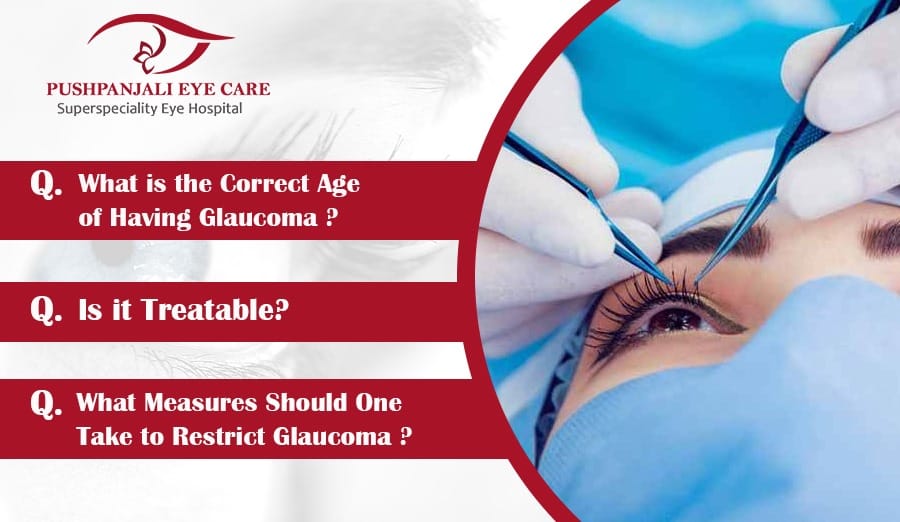
Correct Age for Glaucoma
Glaucoma is often associated with aging, and the risk of developing the condition increases significantly with age. While it can occur at any age, including in infants and young adults, it is most commonly diagnosed in people over the age of 40. The likelihood of developing glaucoma increases with each decade of life, particularly after the age of 60. Regular eye examinations become increasingly important as you age, especially if you have a family history of glaucoma or other risk factors such as diabetes, high blood pressure, or nearsightedness.
Is Glaucoma Treatable?
While glaucoma cannot be cured, it is treatable, and early detection is crucial in preventing severe vision loss. The primary objective of glaucoma treatment is to lower the intraocular pressure (IOP), thereby preventing further damage to the optic nerve. Various treatment options are available to manage and control glaucoma effectively, each tailored to the specific needs and conditions of the patient.
Medications
Prescription eye drops are often the first line of treatment for glaucoma. These medications work by either decreasing the production of aqueous humor (the fluid in the eye) or by improving its outflow, thereby reducing the intraocular pressure. There are different types of eye drops available, including prostaglandin analogs, beta-blockers, alpha agonists, and carbonic anhydrase inhibitors. Each type works differently, and your ophthalmologist will prescribe the one that is most suitable for your condition. Consistent use of these medications as prescribed is vital for their effectiveness.
Laser Treatment
Laser surgery is another effective method to treat glaucoma, particularly when medications alone do not suffice. Laser procedures help improve the drainage of fluid within the eye, thereby reducing intraocular pressure. Common laser treatments for glaucoma include:
Laser Trabeculoplasty: Often used for open-angle glaucoma, this procedure uses a laser to open the drainage angle of the eye and enhance fluid outflow.
Laser Iridotomy: This is typically used for narrow-angle glaucoma and involves creating a small hole in the iris to improve fluid flow within the eye.
Cyclophotocoagulation: This procedure involves using a laser to reduce the production of aqueous humor by treating the ciliary body of the eye.
Surgery
When medications and laser treatments are not sufficient to control glaucoma, surgical options may be necessary. Surgical procedures aim to create new drainage channels for the aqueous humor to reduce intraocular pressure effectively. Some common surgical treatments include:
Trabeculectomy: This is a surgical procedure that creates a new drainage path for the fluid to leave the eye, thereby lowering eye pressure.
Glaucoma Drainage Implants: These implants are tiny devices inserted into the eye to help drain excess fluid.
Minimally Invasive Glaucoma Surgery (MIGS): These are newer surgical options that involve less invasive techniques to lower eye pressure with fewer complications and quicker recovery times compared to traditional surgeries.
At Pushpanjali Eye Care, the best eye hospital in Kolkata, our experienced ophthalmologists utilize the latest technologies and treatment methods to manage glaucoma effectively. We are committed to providing personalized patient care, ensuring that each patient receives the most suitable and effective treatment for their specific condition. Our comprehensive approach to glaucoma care aims to preserve vision and improve the quality of life for our patients.
Measures to Restrict Glaucoma
Preventive measures play a vital role in managing and restricting the progression of glaucoma. Here are some essential steps to take:
Regular Eye Examinations: Early detection through regular eye exams is crucial. Comprehensive eye exams, including tests for eye pressure and optic nerve assessment, should be performed regularly, especially for individuals over 40 or those with risk factors.
Maintain a Healthy Lifestyle: A healthy diet rich in fruits, vegetables, and antioxidants can help maintain good eye health. Regular exercise can also lower eye pressure and improve blood flow to the optic nerve.
Protect Your Eyes: Wearing protective eyewear during sports or any activities that pose a risk of eye injury can prevent trauma that could lead to glaucoma.
Manage Health Conditions: Controlling conditions like diabetes, and high blood pressure, and maintaining a healthy weight can reduce the risk of glaucoma. Regular check-ups with your healthcare provider are essential.
Know Your Family History: Glaucoma can run in families, so being aware of your family history and discussing it with your eye doctor can help in early detection and preventive measures.
Use Medications as Prescribed: If you are diagnosed with glaucoma, adhere to your treatment plan and use medications as prescribed by your doctor. Consistent use of prescribed eye drops can significantly slow the progression of the disease.
FAQ
1. At what age is glaucoma most commonly diagnosed?
Glaucoma is most commonly diagnosed in individuals over the age of 40, with the risk increasing significantly as one gets older. While it can affect people of any age, including infants and young adults, the likelihood of developing glaucoma rises notably after the age of 60. Regular eye examinations are crucial for early detection, especially for those with risk factors or a family history of glaucoma.
2. Is glaucoma treatable, and how is it managed?
While glaucoma cannot be cured, it is treatable, and early detection is vital for preventing severe vision loss. The primary goal of treatment is to lower intraocular pressure (IOP) to prevent further damage to the optic nerve. Treatment options include prescription eye drops, laser surgery, and conventional surgical procedures. These treatments aim to either reduce the production of fluid in the eye or improve its drainage, thereby lowering eye pressure and protecting vision.
3. What lifestyle changes can help restrict the progression of glaucoma?
*Several lifestyle changes can help manage and restrict the progression of glaucoma:
Regular Exercise: Engaging in moderate exercise can help lower eye pressure and improve overall eye health.
Healthy Diet: Consuming a diet rich in fruits, vegetables, and antioxidants supports eye health.
Avoid Smoking: Smoking can increase the risk of glaucoma and other eye diseases.
Protect Your Eyes: Wearing protective eyewear during activities that could cause eye injury is crucial.*
4. How often should one get eye exams to detect glaucoma early?
For individuals over the age of 40 or those with risk factors such as a family history of glaucoma, it is recommended to have a comprehensive eye examination every one to two years. People over the age of 60 should have annual eye exams. Regular check-ups allow for early detection and timely intervention, which are essential for managing glaucoma effectively.
5. What are the risk factors for developing glaucoma?
Several risk factors can increase the likelihood of developing glaucoma, including:
Age: The risk increases significantly after age 40 and more so after 60.
Family History: A family history of glaucoma increases your risk.
Medical Conditions: Conditions like diabetes, high blood pressure, and heart disease can elevate the risk.
High Intraocular Pressure: Elevated eye pressure is a significant risk factor.
Ethnicity: People of African, Asian, and Hispanic descent are at higher risk for certain types of glaucoma.
Conclusion
Glaucoma is a serious eye condition that requires ongoing management and care. While it can affect individuals at any age, the risk increases with age, particularly after 40. Early detection through regular eye examinations and prompt treatment can help manage the condition effectively and prevent significant vision loss. At Pushpanjali Eye Care, the best eye hospital in Kolkata, we offer comprehensive glaucoma care and treatment tailored to each patient’s needs. By taking preventive measures and adhering to treatment plans, individuals can restrict the progression of glaucoma and maintain their vision health.
For more information or to schedule an eye examination, visit Pushpanjali Eye Care, your trusted eye hospital in Kolkata. Our team of experienced ophthalmologists is dedicated to providing the highest quality of care to ensure your eyes stay healthy and your vision remains clear.
Welcome to the blog page of Pushpanjali Eye Hospital one of the best eye hospitals in Kolkata. Here in this blog, we will share with you the general steps you should take after having Glaucoma symptoms. Hope this blog will help you.
Glaucoma is a serious eye condition that can lead to irreversible vision loss if not detected and treated early. It often develops slowly and without noticeable symptoms in its early stages, earning it the nickname “the silent thief of sight.” If you suspect you have glaucoma, it is crucial to take immediate action to preserve your vision. Pushpanjali Eye Care, one of the best eye hospitals in Kolkata, is here to guide you through the necessary steps.
Recognize the Symptoms
Understanding the symptoms of glaucoma is the first step toward early detection and treatment. While symptoms can vary depending on the type of glaucoma, common signs include:
Blurred Vision: Difficulty in seeing objects.
Halos Around Lights: Seeing rainbow-colored rings or halos around lights, especially at night.
Eye Pain: Severe eye pain, which can sometimes be accompanied by nausea and vomiting.
Redness in the Eye: Persistent redness in one or both eyes.
Sudden Vision Loss: A sudden decrease in vision, often in one eye.
Tunnel Vision: Gradual loss of peripheral vision, usually in both eyes.
If you experience any of these symptoms, it’s imperative to seek medical attention promptly.
Step 1: Schedule an Appointment with an Eye Specialist
The moment you notice any symptoms associated with glaucoma, contact Pushpanjali Eye Care, a leading eye hospital in Kolkata, to schedule a comprehensive eye examination. Early diagnosis is key to managing glaucoma effectively and preventing vision loss.
Step 2: Comprehensive Eye Examination
During your visit, the ophthalmologist will perform a thorough eye examination to assess your eye health and diagnose glaucoma. The exam typically includes:
Tonometry: This test measures the pressure inside your eyes (intraocular pressure). Elevated eye pressure is a significant risk factor for glaucoma.
Ophthalmoscopy: This involves examining the optic nerve for signs of damage.
Perimetry: Also known as a visual field test, it checks for any vision loss in your peripheral (side) vision.
Gonioscopy: This test examines the angle where the iris meets the cornea to determine if the angle is open or closed, which helps in identifying the type of glaucoma.
Pachymetry: Measures the thickness of your cornea, which can influence eye pressure readings.
Step 3: Follow the Prescribed Treatment Plan
If diagnosed with glaucoma, your eye specialist will develop a personalized treatment plan based on the severity and type of glaucoma. Treatment options may include:
Medications: Eye drops or oral medications to lower eye pressure.
Laser Therapy: Procedures such as laser trabeculoplasty can help improve fluid drainage from the eye.
Surgery: In more severe cases, surgical options like trabeculectomy or glaucoma drainage implants may be recommended to reduce eye pressure.
Step 4: Regular Monitoring and Follow-ups
Glaucoma is a chronic condition that requires ongoing monitoring. Regular follow-up appointments are crucial to ensure that your treatment is effective and to make any necessary adjustments. At Pushpanjali Eye Care, one of the best eye hospitals in Kolkata, we provide continuous care and monitoring to manage your condition effectively.
Step 5: Lifestyle and Home Care
In addition to medical treatment, certain lifestyle changes can help manage glaucoma:
Exercise Regularly: Engaging in moderate physical activity can help lower eye pressure.
Healthy Diet: A diet rich in fruits, vegetables, and omega-3 fatty acids supports overall eye health.
Avoid Smoking: Smoking can increase your risk of developing glaucoma and other eye conditions.
Protect Your Eyes: Wear protective eyewear when engaging in activities that could harm your eyes.
Step 6: Stay Informed and Educated
Educate yourself about glaucoma and its management. Understanding your condition helps you adhere to your treatment plan and recognize any changes in your symptoms that may require immediate attention.
FAQs
What should I do if I experience symptoms of glaucoma?
Answer:
If you experience symptoms of glaucoma such as blurred vision, halos around lights, eye pain, redness, sudden vision loss, or tunnel vision, schedule an appointment with an eye specialist immediately. Early diagnosis and treatment are crucial to preventing permanent vision loss. Pushpanjali Eye Care, one of the best eye hospitals in Kolkata, is equipped to provide comprehensive eye examinations and care.
How is glaucoma diagnosed?
Answer:
Glaucoma is diagnosed through a comprehensive eye examination that includes several tests:
Tonometry: Measures intraocular pressure.
Ophthalmoscopy: Examines the optic nerve for damage.
Perimetry (Visual Field Test): Checks for vision loss in the peripheral vision.
Gonioscopy: Examines the angle where the iris meets the cornea.
Pachymetry: Measures the thickness of the cornea.
What treatments are available for glaucoma?
Answer:
Treatment options for glaucoma aim to lower intraocular pressure and include:
Medications: Eye drops or oral medications.
Laser Therapy: Procedures such as laser trabeculoplasty to improve fluid drainage.
Surgery: Options like trabeculectomy or glaucoma drainage implants in severe cases. Pushpanjali Eye Care offers all these treatment options tailored to individual needs.
How often should I have follow-up appointments if diagnosed with glaucoma?
Answer:
The frequency of follow-up appointments depends on the severity and progression of your glaucoma. Typically, patients may need to see their ophthalmologist every 3 to 6 months. Regular monitoring is essential to ensure the treatment is effective and to make any necessary adjustments.
Can lifestyle changes help manage glaucoma?
Answer:
Yes, certain lifestyle changes can support glaucoma management:
Regular Exercise: Helps lower eye pressure.
Healthy Diet: A diet rich in fruits, vegetables, and omega-3 fatty acids promotes eye health.
Avoid Smoking: Smoking increases the risk of glaucoma and other eye conditions.
Protective Eyewear: Use protective eyewear during activities that could harm your eyes. These changes complement medical treatments and help maintain overall eye health.
Why is early detection important in managing glaucoma?
Answer:
Early detection is crucial because glaucoma often progresses without noticeable symptoms until significant vision loss occurs. Early diagnosis allows for timely intervention, which can prevent or slow the progression of the disease, preserving vision and quality of life. Regular eye exams at an eye hospital in Kolkata, like Pushpanjali Eye Care, are essential for early detection.
Why Choose Pushpanjali Eye Care?
As one of the best eye hospitals in Kolkata, Pushpanjali Eye Care is committed to providing comprehensive and compassionate care for patients with glaucoma. Our team of experienced ophthalmologists and state-of-the-art facilities ensure that you receive the highest standard of care. We are dedicated to helping you maintain your vision and quality of life.
If you or a loved one are experiencing symptoms of glaucoma, don’t wait. Schedule an appointment with Pushpanjali Eye Care, the trusted eye hospital in Kolkata, and take the first step towards safeguarding your vision.
For more information or to book an appointment, visit our website or contact us directly. Your vision is our priority.
 Golpark-Gariahat,Kolkata 700029
  pushpanjalieyecare@gmail.com


 9051155660
  All cashless facilities and West Bengal health scheme available.