Prime Eyesight Hospital Near Me Golpark-Gariahat,Kolkata 700029

|

Prime Eyesight Hospital Near Me Baguihati, Vip Road, Kolkata 700059

Best Eye Care Kolkata West Bengal All cashless facilities and West Bengal health scheme available. Top Eye Hospital In Kolkata
Best Eye Care Kolkata

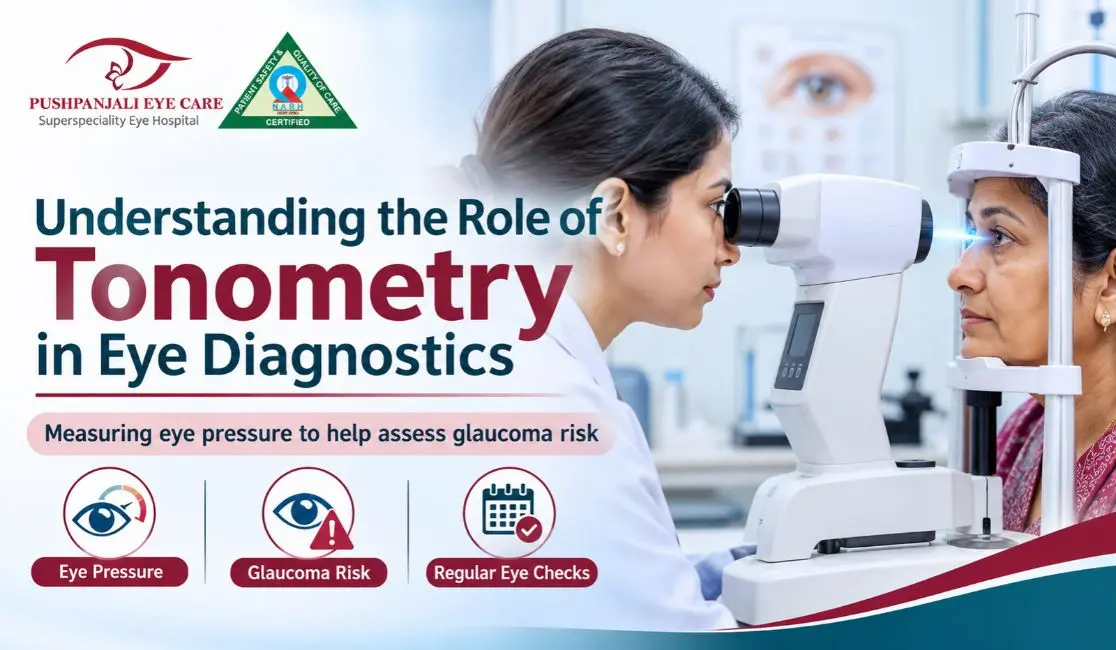
Understanding the Role of Tonometry in Eye Diagnostics

You have a hidden number in your eyes. Tonometry helps to find it out. It tests the pressure in your eyes. The test result can help detect the onset of glaucoma. This disease may affect your vision without giving any prior signals. The retina specialist in Kolkata uses this test to examine your eyes. It also checks the back of your eye.

What is the importance of eye pressure? If the pressure is too high, it may cause damage to the optic nerve. This nerve carries information about everything that we see to our brain. Once it is damaged, there is no way to heal it. Therefore, regular checkups are important. One of the most helpful tests is tonometry. It should be done along with other examinations.

Various Roles of Tonometry in Eye Diagnostics

Tonometry is an easy test for the eyes that can be used to measure the pressure within the eyes. Tonometry tests help detect any problems with the eyes, like glaucoma, at the earliest possible stage.

• Detecting glaucoma at an early stage

The optic nerve might get damaged by glaucoma and cause irreversible loss of sight. The problem is that the disease usually does not manifest itself through any symptoms at the early stages of development. Tonometry allows physicians to detect increased intraocular pressure – one of the most significant risk factors for glaucoma. In other words, you could have perfect sight and feel no pain but have elevated eye pressure.

• Understanding normal eye pressure readings

Eye pressure is measured in mmHg. This pressure is often in the range of about 10 to 21 mmHg. However, a pressure greater than the above-mentioned range does not necessarily indicate glaucoma. Likewise, having an eye pressure within the above-mentioned range does not mean that your eyes are healthy. If you have any eye problems, then do visit the best eye doctor in Kolkata.

• Understanding the effect of corneal thickness

The cornea is the clear surface of the front of your eye. The thickness of your cornea might have an impact on certain tonometry tests, and therefore the physician might take into account the thickness of your cornea when calculating your eye pressure. Your cornea might be thicker, which means that your eye pressure is overestimated, or vice versa.

• Monitoring eye pressure over time

While one measurement is sufficient, it may be insufficient to understand everything. Pressure in the eyes fluctuates throughout the day, and the reading could differ from one appointment to another. Repetition of the procedure enables the doctors to monitor the variations. If you are undergoing treatment for glaucoma, your eye specialist may be interested in knowing if your pressure level falls within the targeted zone. The best eye clinic in Kolkata will ensure good vision for you.

Conclusion

Tonometry is an important technique for diagnosing eye disorders because it measures intraocular pressure and helps doctors determine the likelihood of glaucoma. This procedure is fast, easy to perform, and relatively painless. Nonetheless, one measurement is not enough to confirm or deny glaucoma. Other data should be taken into account, such as the condition of your optic nerve and visual fields. Regular visits to your ophthalmologist will help you keep your eyes healthy and prevent any problems.
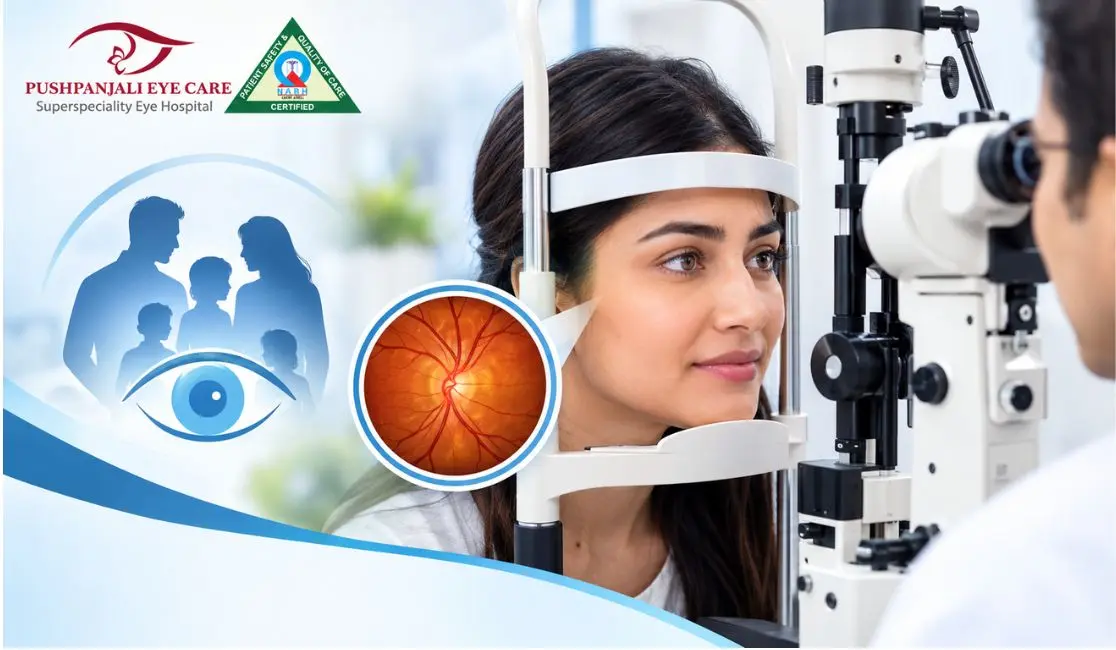
Glaucoma and Family History: Should You Get Your Eyes Checked?

When talking about eye health, family history matters a lot. If a parent, sibling, or close family member has been diagnosed with glaucoma, it may be a valid reason to pay serious attention to your own eye health. Glaucoma is often called a ‘silent’ eye disease because it can gradually develop without showing any visible symptoms at the early stage.

Over time, a person may notice major changes in peripheral vision, and significant damage may have already occurred.

However, early detection by the top Glaucoma Specialist in Kolkata and a proper eye test can safeguard your vision. Based on your eye health, past medical history, and the condition of the optic nerve, a doctor can recommend the best treatment for glaucoma and protect your eye health from further damage.

Now let’s explore this blog to ascertain the connection between glaucoma and family history and when you should opt for an eye check-up.

What Is Glaucoma?

Glaucoma mainly refers to a group of eye conditions that can damage the optic nerve, which carries visual information from the eye to the brain. In many cases, glaucoma is associated with intraocular pressure, which occurs when fluid inside the eye does not drain properly.

However, if eye pressure stays within a normal range, glaucoma can still develop. Because glaucoma progresses slowly, it may not show any specific symptoms at first. However, regular eye examinations are vital to detect glaucoma at an early stage.

Why Family History Matters So Much for Glaucoma

Several factors, such as eye pressure, genetics, aging, or certain health conditions, mainly influence glaucoma. Family history plays a vital role in an individual’s risk for glaucoma. If the ophthalmologist knows that you have a certain glaucoma history in your family, they may recommend closer and more frequent monitoring of your eye health.

Based on your age, risk factors, and overall eye health, ophthalmologists recommend a comprehensive eye exam for glaucoma detection. That’s why, rather than waiting for blurry vision or other noticeable changes, if you have a family history of glaucoma, consider an early eye checkup.

Is High Eye Pressure the Same as Glaucoma

Not necessarily; high eye pressure is not the same as glaucoma. High intraocular pressure can increase the risk of glaucoma, but some people with elevated eye pressure may not have glaucoma. However, some people experience glaucoma when their eye pressure is in the normal range. That’s why regular eye checkups are necessary to understand whether you are at risk for glaucoma.

A top ophthalmologist in Kolkata needs to consider optic nerve condition, visual field, eye structure, and family history before recommending glaucoma-related eye treatment.

When Should You Get Your Eyes Checked?

A single eye examination may not be suitable for glaucoma detection in all age groups. For adults without any glaucoma risk factors, a general eye examination is appropriate. People with risk factors such as a family history of glaucoma may need frequent eye examinations to ascertain the glaucoma condition.

According to the National Eye Institute, people with a family history of glaucoma are at high risk and should receive comprehensive eye evaluations. If glaucoma runs in your family history, do not wait until symptoms appear to visit an eye specialist.

Glaucoma Risk Factors to Know

Apart from family history, there are plenty of risk factors that can cause glaucoma. Depending on the type of glaucoma, risk can be associated with-

• Age

• Elevated intraocular pressure

• Diabetes

• High myopia

• Previous eye injury

• Other individual medical history.

Having more than one risk factor can automatically increase the glaucoma risk. Thus, frequent eye checkups with the support of the best eye hospital in Kolkata are essential for early detection and top-notch glaucoma treatment.

Conclusion

Hearing that glaucoma runs in your family can sometimes be a worry. However, with proper and regular eye checkups, you can protect your vision from eye damage. At Pushpanjali Eye Hospital, you can consult experienced eye specialists for glaucoma treatment and receive expert advice.