Prime Eyesight Hospital Near Me Golpark-Gariahat,Kolkata 700029

|

Prime Eyesight Hospital Near Me Baguihati, Vip Road, Kolkata 700059

Best Eye Care Kolkata West Bengal All cashless facilities and West Bengal health scheme available. Top Eye Hospital In Kolkata
Best Eye Care Kolkata

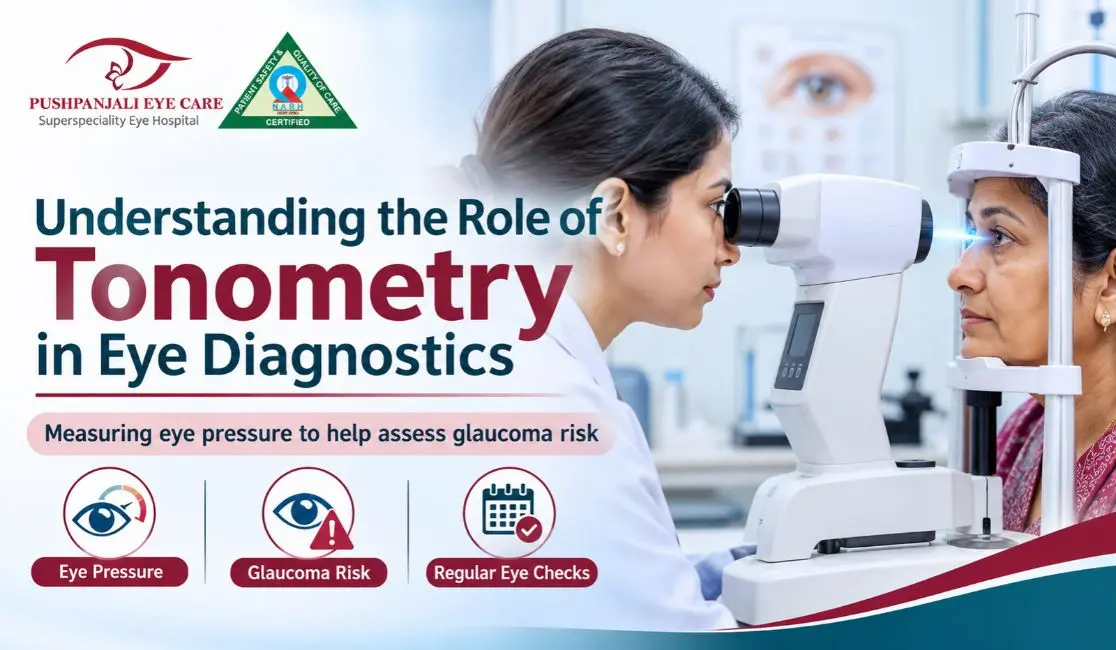
Understanding the Role of Tonometry in Eye Diagnostics

You have a hidden number in your eyes. Tonometry helps to find it out. It tests the pressure in your eyes. The test result can help detect the onset of glaucoma. This disease may affect your vision without giving any prior signals. The retina specialist in Kolkata uses this test to examine your eyes. It also checks the back of your eye.

What is the importance of eye pressure? If the pressure is too high, it may cause damage to the optic nerve. This nerve carries information about everything that we see to our brain. Once it is damaged, there is no way to heal it. Therefore, regular checkups are important. One of the most helpful tests is tonometry. It should be done along with other examinations.

Various Roles of Tonometry in Eye Diagnostics

Tonometry is an easy test for the eyes that can be used to measure the pressure within the eyes. Tonometry tests help detect any problems with the eyes, like glaucoma, at the earliest possible stage.

• Detecting glaucoma at an early stage

The optic nerve might get damaged by glaucoma and cause irreversible loss of sight. The problem is that the disease usually does not manifest itself through any symptoms at the early stages of development. Tonometry allows physicians to detect increased intraocular pressure – one of the most significant risk factors for glaucoma. In other words, you could have perfect sight and feel no pain but have elevated eye pressure.

• Understanding normal eye pressure readings

Eye pressure is measured in mmHg. This pressure is often in the range of about 10 to 21 mmHg. However, a pressure greater than the above-mentioned range does not necessarily indicate glaucoma. Likewise, having an eye pressure within the above-mentioned range does not mean that your eyes are healthy. If you have any eye problems, then do visit the best eye doctor in Kolkata.

• Understanding the effect of corneal thickness

The cornea is the clear surface of the front of your eye. The thickness of your cornea might have an impact on certain tonometry tests, and therefore the physician might take into account the thickness of your cornea when calculating your eye pressure. Your cornea might be thicker, which means that your eye pressure is overestimated, or vice versa.

• Monitoring eye pressure over time

While one measurement is sufficient, it may be insufficient to understand everything. Pressure in the eyes fluctuates throughout the day, and the reading could differ from one appointment to another. Repetition of the procedure enables the doctors to monitor the variations. If you are undergoing treatment for glaucoma, your eye specialist may be interested in knowing if your pressure level falls within the targeted zone. The best eye clinic in Kolkata will ensure good vision for you.

Conclusion

Tonometry is an important technique for diagnosing eye disorders because it measures intraocular pressure and helps doctors determine the likelihood of glaucoma. This procedure is fast, easy to perform, and relatively painless. Nonetheless, one measurement is not enough to confirm or deny glaucoma. Other data should be taken into account, such as the condition of your optic nerve and visual fields. Regular visits to your ophthalmologist will help you keep your eyes healthy and prevent any problems.
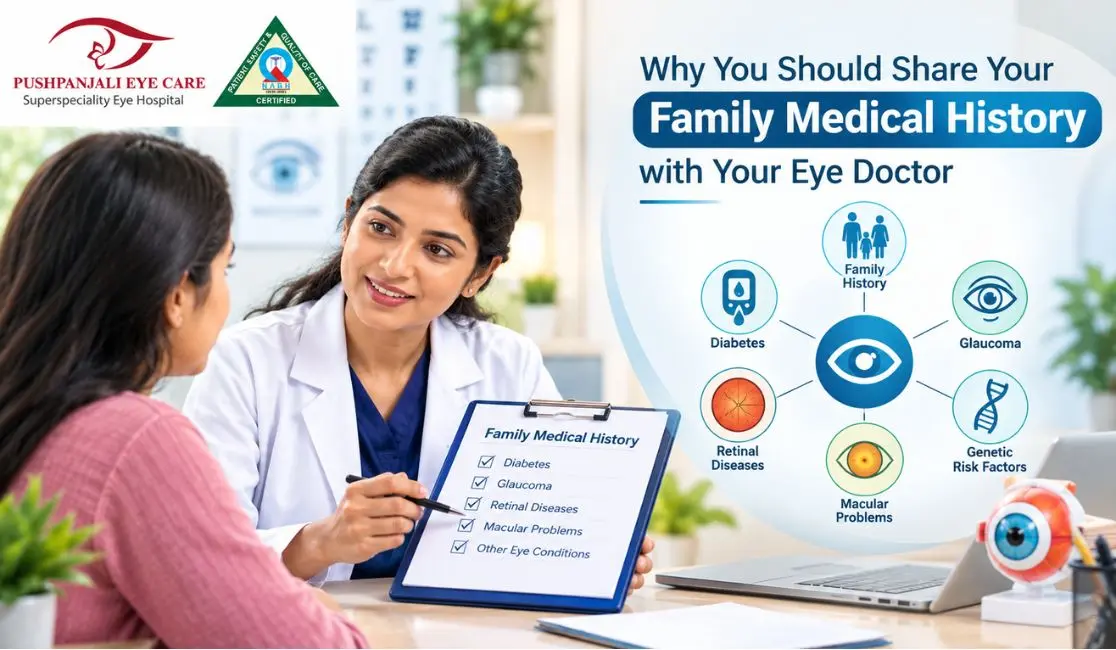
Why You Should Share Your Family Medical History with Your Eye Doctor

Your family’s medical history might be able to speak volumes about you even before your eyes do. Diabetes, glaucoma, and retinal diseases can sometimes have hereditary roots. By telling this history to a retina specialist in Kolkata, you will allow your eye doctor to learn about you better and treat your eye ailments accordingly.

While your eyes might feel completely healthy, some eye problems can come on very gradually without you even realizing there is a problem. Learning about the state of your own health as well as the eye conditions of any of your close family members can assist your physician in determining potential risk factors as well as what areas of an eye exam need to be focused on.

Various Reasons You Should Share Your Family Medical History with Your Eye Doctor

The medical background of your family can also provide helpful information about the status of your eyes. This is because some eye diseases and other health issues can be hereditary in nature; thus, it will be helpful to disclose this information to your eye specialist.

• Family history can reveal eye health risks.

Information related to your family’s medical history can be very helpful for your ophthalmologist. Various medical conditions like glaucoma, cataracts, retina-related problems, and certain forms of visual impairment might run in your family. Your physician needs to be aware of this information when performing eye examinations.

• Tell your doctor about retinal conditions.

Some retinal conditions could be hereditary at times. If you have any such retinal problems in your family, it is important to inform your ophthalmologist about it. At an eye hospital in Kolkata, such information will be helpful in understanding the retinal health status of your family.

• Share details about diabetes.

It is possible for diabetes to damage the tiny blood vessels of the retina, which could result in diabetic retinopathy. If you have a history of diabetes in the family, it is important that you mention this to the doctor during your visit to the eye clinic.

• Update your medical history regularly.

Your family’s medical history may vary due to the emergence of new diseases among your relatives. You should try to keep your data updated for visits to the eye doctor. In case you visit an ophthalmologist in Kolkata, it will be useful for you.

• Discuss any history of macular problems.

The macula is a tiny area of the retina involved in the visual acuity of our eyes. Macular disorders can sometimes be genetically predisposed. Mention your family history of macular issues related to aging or genetics when you undergo your eye check-up.

• Keep track of your parents’ eye health.

Your parents can give relevant information regarding any illnesses that may be genetic in nature. They can reveal if they have had any surgeries done to their eyes or any other problems like glaucoma, cataracts, or retinal diseases.

• Do not ignore early family health patterns.

You might be unsure of the name of the eye disease your relative had. This is all right. Give any information that you have, like how old your relative was at the onset and whether any medical attention was sought. The doctor will determine which information is important.

Conclusion

The sharing of the medical history of your family provides your eye doctor with a better perspective regarding the risks involved. Even the smallest bit of information concerning any eye ailments that run in your family is helpful.