Prime Eyesight Hospital Near Me Golpark-Gariahat,Kolkata 700029

|

Prime Eyesight Hospital Near Me Baguihati, Vip Road, Kolkata 700059

Best Eye Care Kolkata West Bengal All cashless facilities and West Bengal health scheme available. Top Eye Hospital In Kolkata
Best Eye Care Kolkata

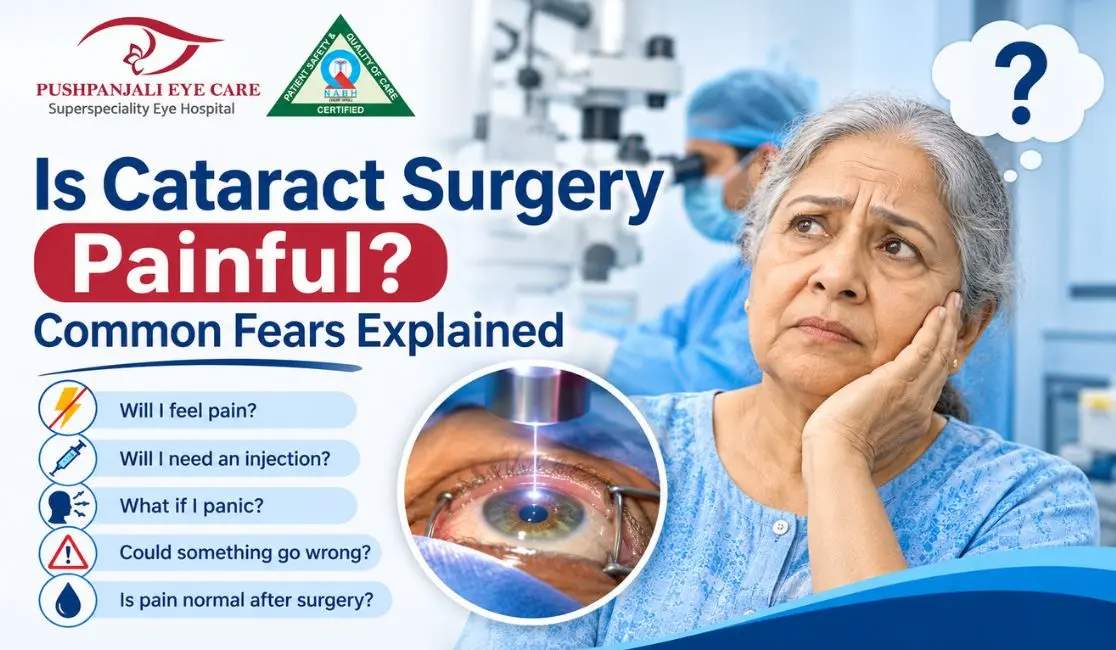
Is Cataract Surgery Painful? Common Fears Explained

Sometimes reading the morning newspaper becomes difficult. Headlines seem brighter than usual, or familiar faces look slightly blurred. Yet when cataracts start affecting your daily life, cataract surgery can be your reliable treatment. However, you may worry, ‘Will the surgery hurt?’ That is a valid question.

Your eyes are sensitive, and the thought of an operation may feel daunting. Basically, most cataract treatment in Kolkata is performed under local anesthesia. So you won’t feel pain during the procedure. You generally remain awake, but your eye is numbed using eye drops or an injection. Mild discomfort can sometimes affect your eye healing.

In this blog we will discuss about is cataract surgery painful and its common fears to be explained.

Common Fears about Cataract Surgery

A cataract usually develops when the eye’s natural lens becomes cloudy. A reliable cataract surgery can solve this problem. However, patients often have fears while experiencing cataract surgery. Let’s discuss the common fears about cataract surgery.

1. Will I feel pain while the surgeon operates

Your eye is numbed to prevent pain during surgery. Being awake does not mean you can feel the operation. If anything feels painful or uncomfortable, tell the surgical team. Before treatment starts, ask how they want you to signal any discomfort.

2. Will I need an injection?

Not every patient has the same anesthetic plan. Local anesthesia may involve eye drops, an injection, or both. If an injection is essential, there may be brief discomfort. Your doctor can explain why a particular approach suits your procedure. If needles worry you, mention it early. This is an important part of planning your care after cataract surgery.

3. What if I panic because I am awake

You need to tell your problem to the best Ophthalmologist in Kolkata if you experience anxiety, claustrophobia, or difficulty lying comfortably. If you have any medical history, discuss it with your ophthalmologist. You don’t have to feel completely fearless before taking the next step.

4. Could something go wrong

Cataract surgery is commonly performed, but it carries risks, including infection, inflammation, retinal problems, and changes in eye pressure. Your surgeon can explain the risks relevant to your eyes and overall health. Attending the follow-up appointment helps the team monitor healing. A good consultation provides reassurance and an honest conversation about possible complications.

5. Is pain normal after cataract surgery?

Some mild irritation, itching, and sensitivity can occur during early recovery. However, severe pain should never be dismissed as routine healing. Contact your eye surgeon if you develop significant pain, especially if it does not improve with the recommended medication.

Sudden loss or deterioration of vision is a major concern after cataract surgery. However, before leaving the best Eye Hospital Kolkata, you need to discuss all your concerns with the surgeon to get an appropriate solution.

Conclusion

You do not need to decide on cataract surgery before booking. An assessment with an experienced eye doctor can help you decide whether you need eye surgery. At Pushpanjali Eye Care, you can access a professional range of cataract treatment options and help safeguard your vision.
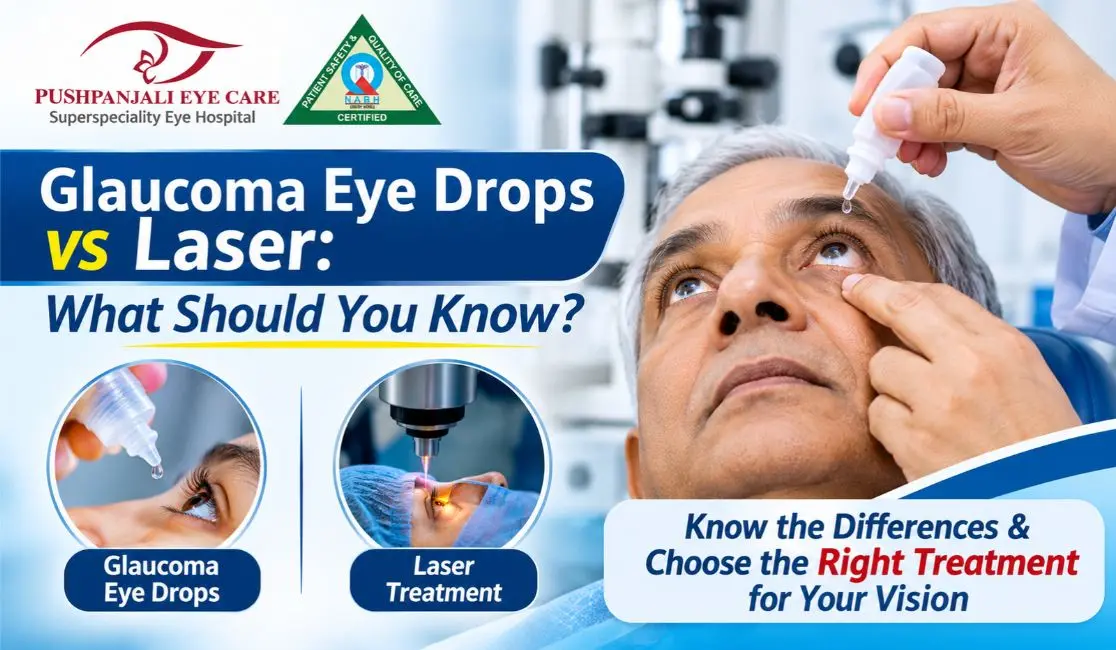
Glaucoma Eye Drops vs Laser: What Should You Know

When an eye specialist told you that you have been diagnosed with glaucoma, at that moment lots of questions start to roam around you. You may think, will eye drops be enough? Does laser treatment hurt? These questions can confuse you until you find a valid solution. This concern is serious, and you may choose a treatment that feels easier for you.

Both glaucoma eye drops and laser treatment can reduce eye pressure and help protect your remaining vision. The right glaucoma treatment choice depends mainly on your type of glaucoma, the condition of your optic nerve, and how well your eyes respond. Consult a top glaucoma specialist in Kolkata for the best recommendations to protect your vision from further loss.

Now let’s explore this blog to understand the differences between glaucoma eye drops and laser treatment, and which one is right for you.

How Do Glaucoma Eye Drops Work?

Prescription glaucoma drops can lower eye pressure by reducing the fluid your eye produces and helping it drain more effectively. Glaucoma eye drops can provide benefits without laser treatment.

An eye specialist can adjust the medicine or combine treatments based on your eye condition. However, you need to use the eye drops consistently. As directed by your doctor, you can use the eye drops once or several times a day.

Challenges of Glaucoma Eye Drop

Glaucoma eye drops can give you huge benefits, but they still have many challenges; let’s discuss them-

1. Patients often forget a dose when managing several eye drops.

2. They may find it difficult to squeeze the bottle or place a drop accurately.

3. Experience constant redness and irritation.

4. Have concerns about the continuing cost

Some glaucoma medicines also affect breathing and cause heat problems. So it is vital to share your medical history and list of medicines you take with your ophthalmologist. Try to take your doctor’s advice seriously to experience advanced glaucoma treatment.

How Does Laser Treatment Work for Glaucoma

Laser treatment may involve different procedures. The right laser depends mainly on the type of glaucoma. For suitable patients with open-angle glaucoma, selective laser trabeculoplasty, or SLT, treats the eye’s drainage tissue to help fluid leave more effectively and reduce eye pressure. The best eye care hospital in Kolkata suggests glaucoma treatment based on your eye condition.

SLT may be considered as an initial treatment for glaucoma when the medicine is difficult to tolerate for the patients. It is not always necessary to try several eye drops before discussing the laser treatment. Other forms of glaucoma may also require a different laser procedure. For example, laser iridotomy is used in certain angle-closure situations. This is why confirming the diagnosis matters before considering any glaucoma treatment.

How Will Your Eye Specialist Recommend a Glaucoma Treatment?

A supportive and professional consultation looks beyond a single pressure reading. Your doctor considers the type and stage of glaucoma, optic nerve damage, visual field results, response to previous treatment, and overall health. If you have arthritis and difficulty handling the bottles, discuss this with your specialist, who will suggest the best treatment option.

For advanced glaucoma that continues progressing despite treatment, surgery may be recommended. Try searching Google for a good eye specialist near you. This will help you get the most professional advice on your glaucoma treatment.

Conclusion

Glaucoma treatment always needs specialization and professionalism. If you are looking for top-notch glaucoma treatment in Kolkata, Pushpanjali Eye Care can be your trusted destination. Book a consultation with us for expert advice.

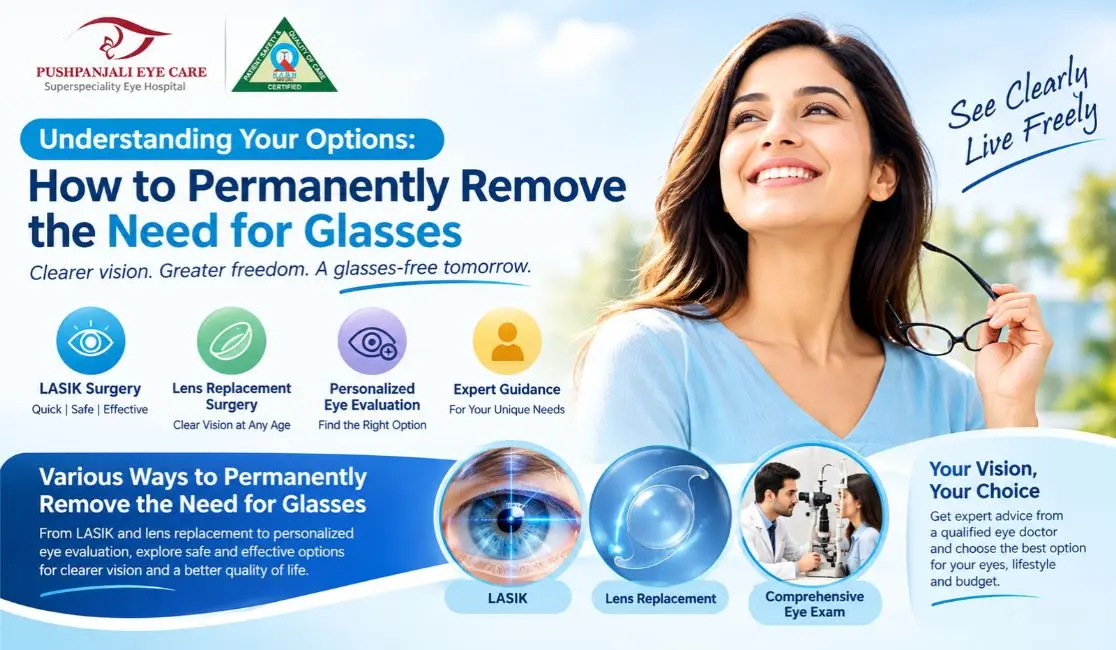
Understanding Your Options: How to Permanently Remove the Need for Glasses

With clear vision comes freedom from having to search for your glasses and from blurred vision. Waking up and finding yourself seeing clearly is the desire of many people, and today, there are safe ways you can have this happen to you. LASIK surgery in Kolkata is one of those ways, and you will never need your glasses or contacts again. It’s a quick procedure, but it requires some information on your part.

Going glasses-free is a major decision that requires you to understand your options. Others opt for laser surgery, while there are those who would rather go for particular types of lenses or methods, each having its own advantages and disadvantages. A qualified eye doctor can conduct a test on your eyes and advise you on the most suitable method depending on the structure of your eyes and general health. The bottom line is that what you choose should suit you personally and be affordable.

Various Ways to Permanently Remove the Need for Glasses

Would you like to have clear vision without glasses? Knowing more about contemporary methods of vision correction can assist you in making wise decisions. Learn safe ways of correcting your vision.

• Understand why you need glasses

It is necessary for you to understand the reasons for which you require glasses before deciding on treatment. Some of the common vision problems that exist include nearsightedness, farsightedness, and astigmatism. This is because these vision problems will alter the way light passes through your eyes.

• Consider LASIK surgery for clearer vision

Among the most commonly chosen treatments for reducing dependency on glasses is LASIK. This surgery involves reshaping the cornea using a laser, thus making it easier for light to focus on the retina. Most often, this treatment is relatively fast, and improved vision is observed very quickly. An Eye Doctor in Kolkata will be able to conduct a number of tests that will help determine your eye health and suitability for such treatment.

• Check whether you are suitable for laser surgery

Not all persons with glasses are eligible for the laser vision correction treatment. The condition of your cornea, your eye pressure levels, your prescription, and your eye health in general are important factors. For instance, individuals who have a thin cornea and unstable vision are not recommended to undergo the LASIK procedure.

• Consider lens replacement surgery

Refractive Lens Exchange surgery removes the eye’s natural lens and replaces it with an artificial one. This is quite similar to cataract surgery. It may help those people who experience vision changes because of age and high refractive errors. Various types of artificial lenses offer different vision options for distance and near vision. Nevertheless, lens exchange is not suitable for all patients. The best eye hospital in Kolkata will have to provide comprehensive eye examinations, proper vision correction treatments, and follow-up visits.

• Know how age affects your treatment options

The age of the person plays a critical part when it comes to deciding the type of treatment that will be effective. Young people can undergo laser surgery as long as their eye power remains constant. Presbyopia is a condition that begins to affect individuals once they reach the age of 40 years. This condition leads to difficulty in focusing on close objects like books and phones.

Conclusion

Living life without the use of glasses is now made easy by various advancements in technology, depending on the state of your eyes. It’s up to you to decide what option suits you best between LASIK and lens replacement. You need to seek a thorough eye exam from an expert before making a choice.

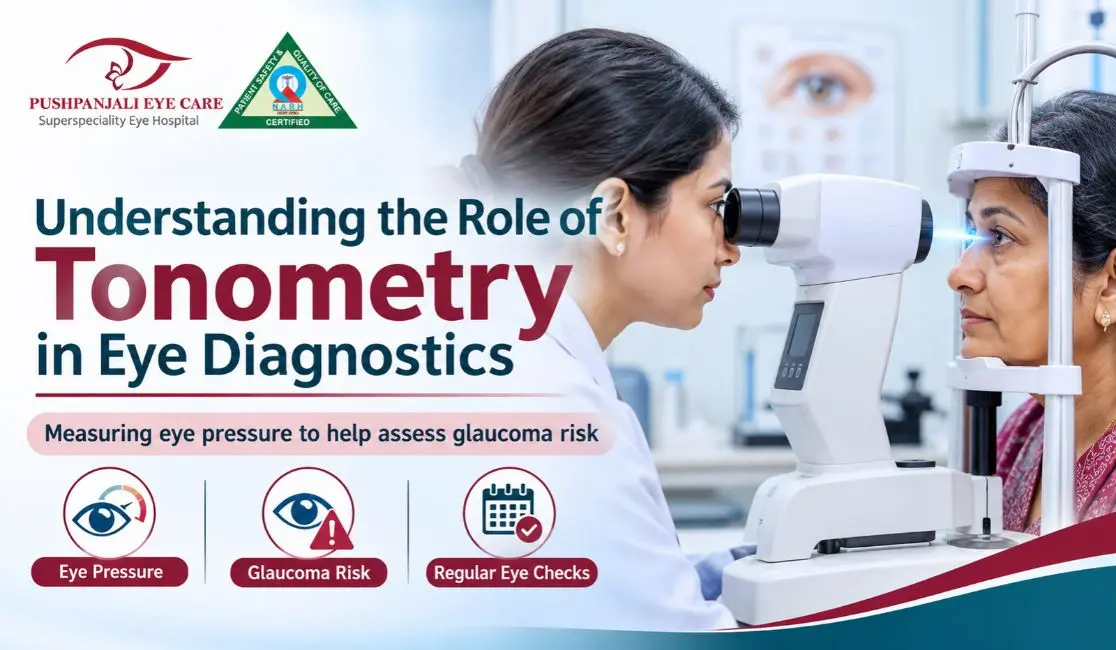
Understanding the Role of Tonometry in Eye Diagnostics

You have a hidden number in your eyes. Tonometry helps to find it out. It tests the pressure in your eyes. The test result can help detect the onset of glaucoma. This disease may affect your vision without giving any prior signals. The retina specialist in Kolkata uses this test to examine your eyes. It also checks the back of your eye.

What is the importance of eye pressure? If the pressure is too high, it may cause damage to the optic nerve. This nerve carries information about everything that we see to our brain. Once it is damaged, there is no way to heal it. Therefore, regular checkups are important. One of the most helpful tests is tonometry. It should be done along with other examinations.

Various Roles of Tonometry in Eye Diagnostics

Tonometry is an easy test for the eyes that can be used to measure the pressure within the eyes. Tonometry tests help detect any problems with the eyes, like glaucoma, at the earliest possible stage.

• Detecting glaucoma at an early stage

The optic nerve might get damaged by glaucoma and cause irreversible loss of sight. The problem is that the disease usually does not manifest itself through any symptoms at the early stages of development. Tonometry allows physicians to detect increased intraocular pressure – one of the most significant risk factors for glaucoma. In other words, you could have perfect sight and feel no pain but have elevated eye pressure.

• Understanding normal eye pressure readings

Eye pressure is measured in mmHg. This pressure is often in the range of about 10 to 21 mmHg. However, a pressure greater than the above-mentioned range does not necessarily indicate glaucoma. Likewise, having an eye pressure within the above-mentioned range does not mean that your eyes are healthy. If you have any eye problems, then do visit the best eye doctor in Kolkata.

• Understanding the effect of corneal thickness

The cornea is the clear surface of the front of your eye. The thickness of your cornea might have an impact on certain tonometry tests, and therefore the physician might take into account the thickness of your cornea when calculating your eye pressure. Your cornea might be thicker, which means that your eye pressure is overestimated, or vice versa.

• Monitoring eye pressure over time

While one measurement is sufficient, it may be insufficient to understand everything. Pressure in the eyes fluctuates throughout the day, and the reading could differ from one appointment to another. Repetition of the procedure enables the doctors to monitor the variations. If you are undergoing treatment for glaucoma, your eye specialist may be interested in knowing if your pressure level falls within the targeted zone. The best eye clinic in Kolkata will ensure good vision for you.

Conclusion

Tonometry is an important technique for diagnosing eye disorders because it measures intraocular pressure and helps doctors determine the likelihood of glaucoma. This procedure is fast, easy to perform, and relatively painless. Nonetheless, one measurement is not enough to confirm or deny glaucoma. Other data should be taken into account, such as the condition of your optic nerve and visual fields. Regular visits to your ophthalmologist will help you keep your eyes healthy and prevent any problems.

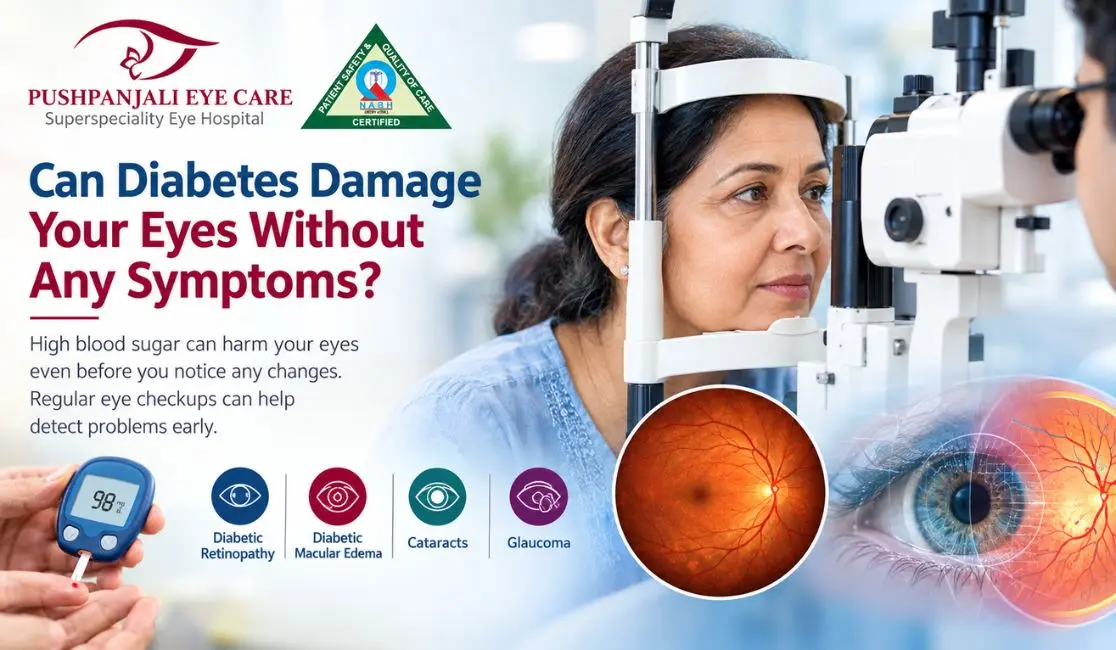
Can Diabetes Damage Your Eyes Without Any Symptoms

Are you living with high blood sugar and still do not visit for an eye checkup once a year? For people living with diabetes, regular eye checkups are essential. Diabetes can damage your vision without making any noticeable symptoms. Over time, high blood sugar can damage the tiny blood vessels that supply the retina, the light-sensitive tissue at the back of the eye.

Some diabetes-related eye conditions may progress before vision becomes blurry. That’s why regular eye checkups with an experienced eye doctor in Kolkata can detect eye problems before they threaten your vision. Specialized diabetic eye care and retinal evaluation can help identify and assess diabetes-related changes in your eyes.

In this blog, we will discuss whether diabetes can damage your eyes without any symptoms.

How Does Diabetes Affect Your Eyes?

Your eyes rely on a network of tiny blood vessels to supply the retina with oxygen and nutrients. When blood glucose stays high for a long time, these delicate vessels can be damaged. When blood vessels weaken, they may leak fluid or become blocked. In some cases, the retina may respond by developing abnormal new blood vessels that are fragile and prone to bleeding. These changes can gradually affect vision, and you may experience a sudden change in your eyesight.

Which Eye Problems Can Develop Secretly Due to Diabetes?

Diabetes can affect different parts of the eyes. Knowing the common conditions can help you understand why routine eye checkups are essential.

1. Diabetic retinopathy

Diabetic retinopathy is one of the major eye complications that is associated with diabetes. It occurs when high blood sugar damages the retina’s small blood vessels. In the early stage, diabetic retinopathy shows no major symptoms.

As the condition worsens, damaged vessels can leak, and abnormal blood vessels may develop. Major symptoms include blurred vision, dark spots, and sudden changes in eyesight.

2. Diabetic macular edema

The macula is the retina’s central part, and it is responsible for detailed vision. Diabetes can cause fluid to leak into the macula and lead to swelling known as diabetic macular edema. This condition may develop alongside diabetic retinopathy and affect central vision.

You might experience blurred vision, and straight lines appear distorted. If you experience this diabetes-related issue, you should consult an eye specialist for optical coherence tomography (OCT) to examine the retinal layers.

3. Cataracts problems

A cataract may develop when the eye’s natural lens becomes cloudy. It is common with ageing for people who are living with diabetes. You may notice cloudy vision, glare around lights, difficulty seeing at night and frequent changes in your eyeglass prescription. These symptoms are serious signs of a major cataract problem, and you need a professional eye examination and trusted cataract surgery in Kolkata to remove the cataract permanently.

4. Glaucoma

Glaucoma can damage the optic nerve, which carries visual information from the eye to the brain. Many forms of glaucoma develop gradually, and it does not show any noticeable symptoms until major damage has occurred.

Diabetes is associated with a risk of glaucoma. That’s why a comprehensive eye exam can help assess your risk and determine whether you need further evaluation.

Conclusion

If you have diabetes, early detection can protect your vision. Early treatment can help prevent serious vision loss. At Pushpanjali Eye Care Hospital, patients with diabetes can receive top-notch medical and surgical treatment for retinal diseases. Our experienced ophthalmology team and advanced diagnostic facilities provide specialized retinal care.

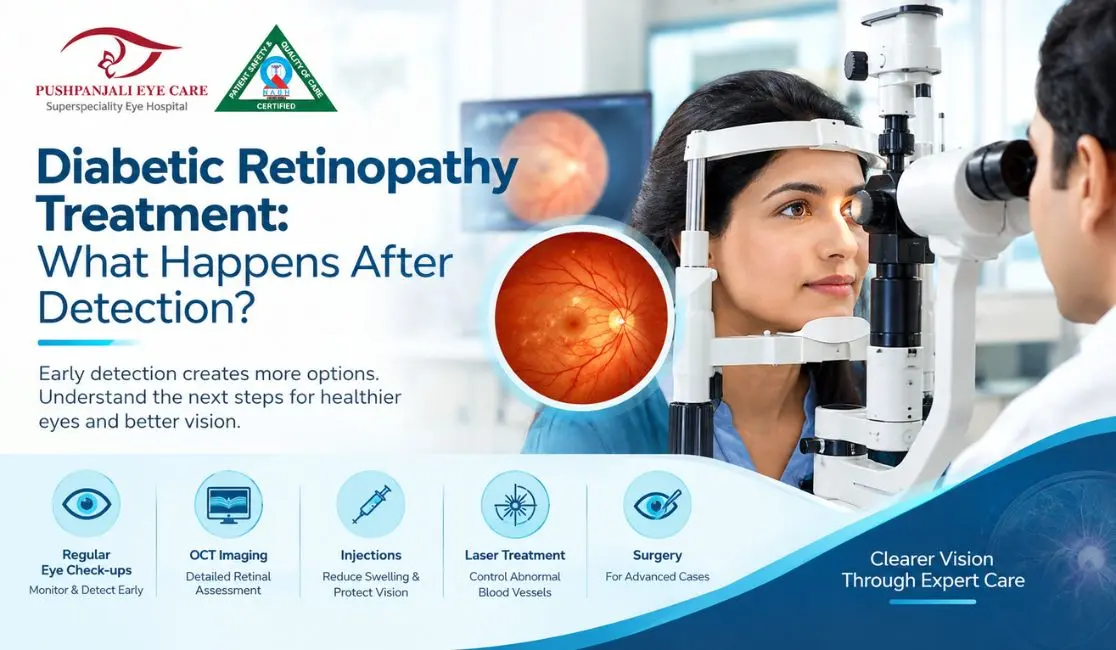
Diabetic Retinopathy Treatment: What Happens After Detection?

The words ‘diabetic retinopathy’ may sound like a tropical eye condition, and they can create worry for people. Many people wonder, Will I lose my vision?’ ‘Do I need surgery?’ or ‘What happens next?’ The reassuring part is that detection is an important opportunity to understand what is happening inside your eyes and decide the next step. Most of the time, diabetic retinopathy develops when diabetes affects the small blood vessels supplying the retina, the light-sensitive part at the back of the eye.

Depending on the eye condition and whether there is swelling or abnormal blood vessel growth, treatment may range from careful monitoring to retinal laser treatment, injections, and surgery. The best eye specialist in Kolkata focuses on an advanced range of diabetic eye care, including OCT imaging for retinal assessment. Retinal laser treatment, anti-VEGF intravitreal injection, and vitreoretinal surgery are popular treatments for diabetic retinopathy.

Now let’s explore this blog to understand diabetic retinopathy treatment and what happens after detection.

Consequences That Happen after Detection of Diabetic Retinopathy

In this section, we will discuss what happens after diabetic retinopathy is detected;

1. An eye specialist determines your eye condition

A diagnosis of diabetic retinopathy does not mean you need surgery or an injection. Diabetic retinopathy may occur at different stages, and its treatment may depend on various factors such as –

• The extent of retinal blood vessel damage
• Whether abnormal blood vessels have developed
• Whether there is any bleeding inside the eye
• How much the retina has been affected
• Whether the vision has changed

An Optical coherence tomography scan can provide detailed cross-sectional images of the retina and help ophthalmologists see changes that may not be visible from symptoms alone.

2. Monitoring is the right first step

Not every case of diabetic retinopathy needs immediate treatment. When retinal changes are mild, ophthalmologists at the Trusted Eye Hospital Kolkata may recommend follow-up examinations. Regular appointments allow the eye specialist to detect changes in your retina and decide whether treatment is needed.

3. When injections may be recommended

One of the most common treatments considered effective for certain retinal conditions is an anti-VEGF intravitreal injection. Excessive VEGF activity is associated with retinal swelling and vision problems. Anti-VEGF medicines can help you reduce this activity. The treatment involves placing medication into the eye by using a small needle after the eye has been numbed and cleaned.

4. Laser treatment for diabetic retinopathy

For some patients with advanced diabetic retinopathy, retinal laser treatment may be recommended. A commonly used approach is scatter laser treatment. It uses carefully directed laser applications to treat areas of the affected retina with abnormal blood vessel growth. Laser treatment is not appropriate for every person with diabetic retinopathy.

The best retina specialist in Kolkata considers the types and severity of retinal changes before recommending treatment. Laser treatment can sometimes cause temporary blurred vision and may require more than one session.

Conclusion

Diabetic retinopathy can be a silent condition in your eye. Sometimes the retina may change before you notice a major difference in your vision. That’s why timely diagnosis is essential to detect diabetic retinopathy at an early stage. At Pushpanjali Eye Care, you can receive a professional range of eye care treatments with support from top retinal specialists.

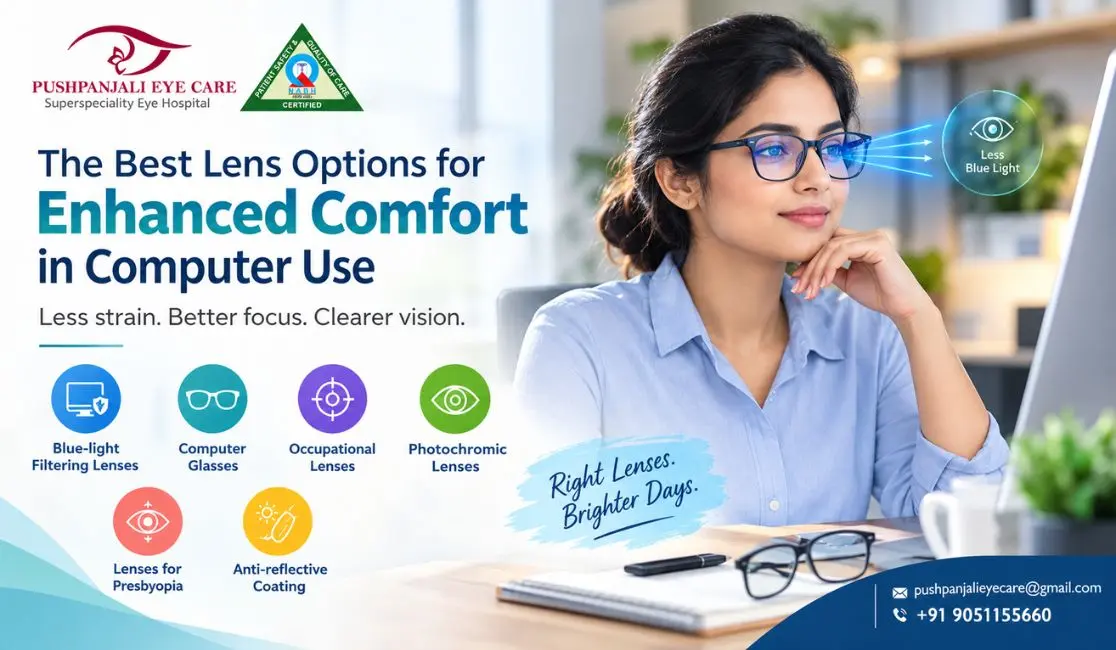
The Best Lens Options for Enhanced Comfort in Computer Use

Good vision can make your day-long work at the computer much less taxing. As you look for lenses that will suit you best, you can stumble upon issues like cataract surgery costs in Kolkata. The proper choice of lenses can help decrease glare and increase focus when working with screens.

When you sit in front of a computer, your eyes are strained at all times, especially when you spend much time doing so. There are several lenses designed for various uses, such as working at a computer or moving back and forth from the computer to reading papers and looking far away. Learning how these lenses work will guide you in making a selection.

Top Lens Options for Enhanced Comfort in Computer Use

Sitting in front of a computer screen for long periods can cause eye strain. Properly prescribed lenses will help reduce glare and make vision sharper.

• Blue-light filtering lenses

Blue light filtering glasses have been created to block out some number of blue-violet rays that reach the eye. These could be comfortable for those who spend a lot of time in front of computers; however, they will not eliminate the requirement for screen breaks. Should you have any doubts about the effectiveness of these glasses, visiting the best eye hospital in Kolkata would resolve your concerns.

• Computer glasses

Computer lenses are designed for the viewing distance used when you view your screen. Computer glasses can be useful when your usual glasses are specifically designed for reading or distant vision. Your prescription should correspond to your working distance and not just lens power.

• Occupational lenses

Work-related lenses are focused on the specific job requirements. For instance, if most of your time is spent at your desk, then it is possible to have the lenses made in such a way that the usable intermediate and near vision area would be larger. Such lenses are not necessarily for general-purpose wear.

• Choose lenses after an eye examination.

An effective lens can be different for each individual. If you are looking for a good eye specialist near you, you need to ensure that you have a thorough eye checkup and also discuss your screen time with him. You need to mention how far your monitor is from you and for how many hours you use it.

• Photochromic lenses

Photochromic lenses darken when they are subjected to the appropriate sunlight outdoors but revert to their clearer form indoors. It could be a useful invention for those who frequently shuttle between their offices and outdoor environments. But how well they perform inside cars will depend on the vehicle’s window glass.

• Lenses for presbyopia

Presbyopia leads to difficulties in focusing on near objects as one age. It may start showing up when one is reading e-mails, documents, or small print on the screen. Based on your requirements, the ophthalmologist may recommend readers, computer lenses, or progressives.

• Anti-reflective coating

Bright light emanating from the computer screen, windows, and overhead lights can make screen work uncomfortable. The anti-reflective coating helps to reduce glare caused by reflections from the lens surface. It is an important feature to have for anyone working under bright office lights.

Conclusion

The appropriate type of lenses can ensure that the long hours spent using a computer are more comfortable and allow you to see the computer screen clearly. Depending on your prescription, workplace settings, and the amount of time you spend on the computer screen, various types of lenses will be more ideal.

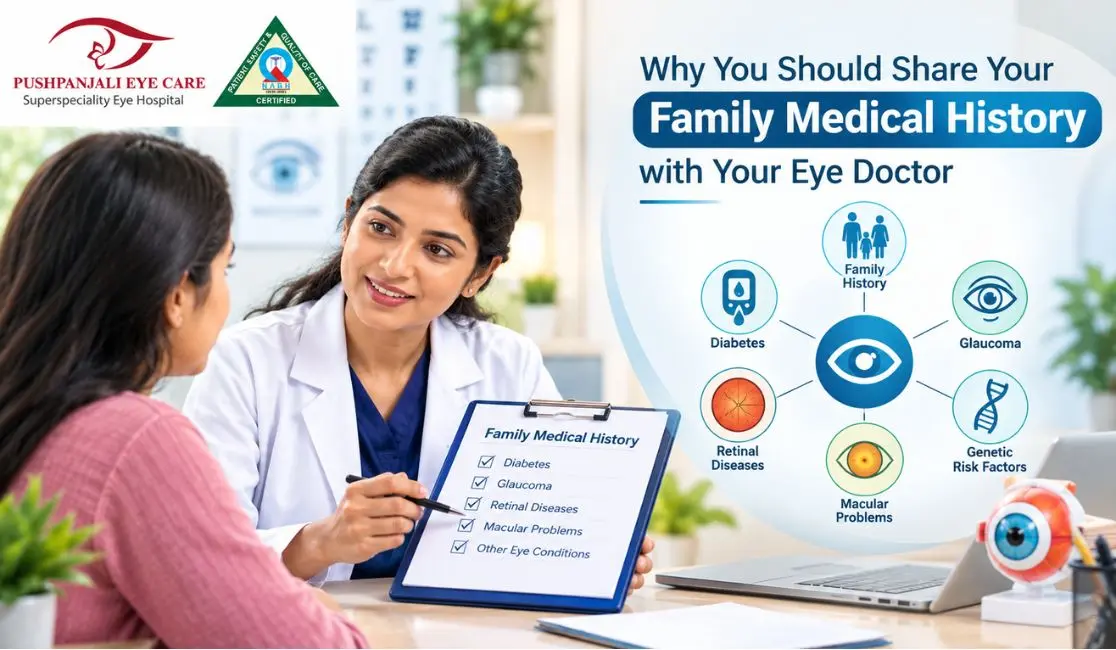
Why You Should Share Your Family Medical History with Your Eye Doctor

Your family’s medical history might be able to speak volumes about you even before your eyes do. Diabetes, glaucoma, and retinal diseases can sometimes have hereditary roots. By telling this history to a retina specialist in Kolkata, you will allow your eye doctor to learn about you better and treat your eye ailments accordingly.

While your eyes might feel completely healthy, some eye problems can come on very gradually without you even realizing there is a problem. Learning about the state of your own health as well as the eye conditions of any of your close family members can assist your physician in determining potential risk factors as well as what areas of an eye exam need to be focused on.

Various Reasons You Should Share Your Family Medical History with Your Eye Doctor

The medical background of your family can also provide helpful information about the status of your eyes. This is because some eye diseases and other health issues can be hereditary in nature; thus, it will be helpful to disclose this information to your eye specialist.

• Family history can reveal eye health risks.

Information related to your family’s medical history can be very helpful for your ophthalmologist. Various medical conditions like glaucoma, cataracts, retina-related problems, and certain forms of visual impairment might run in your family. Your physician needs to be aware of this information when performing eye examinations.

• Tell your doctor about retinal conditions.

Some retinal conditions could be hereditary at times. If you have any such retinal problems in your family, it is important to inform your ophthalmologist about it. At an eye hospital in Kolkata, such information will be helpful in understanding the retinal health status of your family.

• Share details about diabetes.

It is possible for diabetes to damage the tiny blood vessels of the retina, which could result in diabetic retinopathy. If you have a history of diabetes in the family, it is important that you mention this to the doctor during your visit to the eye clinic.

• Update your medical history regularly.

Your family’s medical history may vary due to the emergence of new diseases among your relatives. You should try to keep your data updated for visits to the eye doctor. In case you visit an ophthalmologist in Kolkata, it will be useful for you.

• Discuss any history of macular problems.

The macula is a tiny area of the retina involved in the visual acuity of our eyes. Macular disorders can sometimes be genetically predisposed. Mention your family history of macular issues related to aging or genetics when you undergo your eye check-up.

• Keep track of your parents’ eye health.

Your parents can give relevant information regarding any illnesses that may be genetic in nature. They can reveal if they have had any surgeries done to their eyes or any other problems like glaucoma, cataracts, or retinal diseases.

• Do not ignore early family health patterns.

You might be unsure of the name of the eye disease your relative had. This is all right. Give any information that you have, like how old your relative was at the onset and whether any medical attention was sought. The doctor will determine which information is important.

Conclusion

The sharing of the medical history of your family provides your eye doctor with a better perspective regarding the risks involved. Even the smallest bit of information concerning any eye ailments that run in your family is helpful.

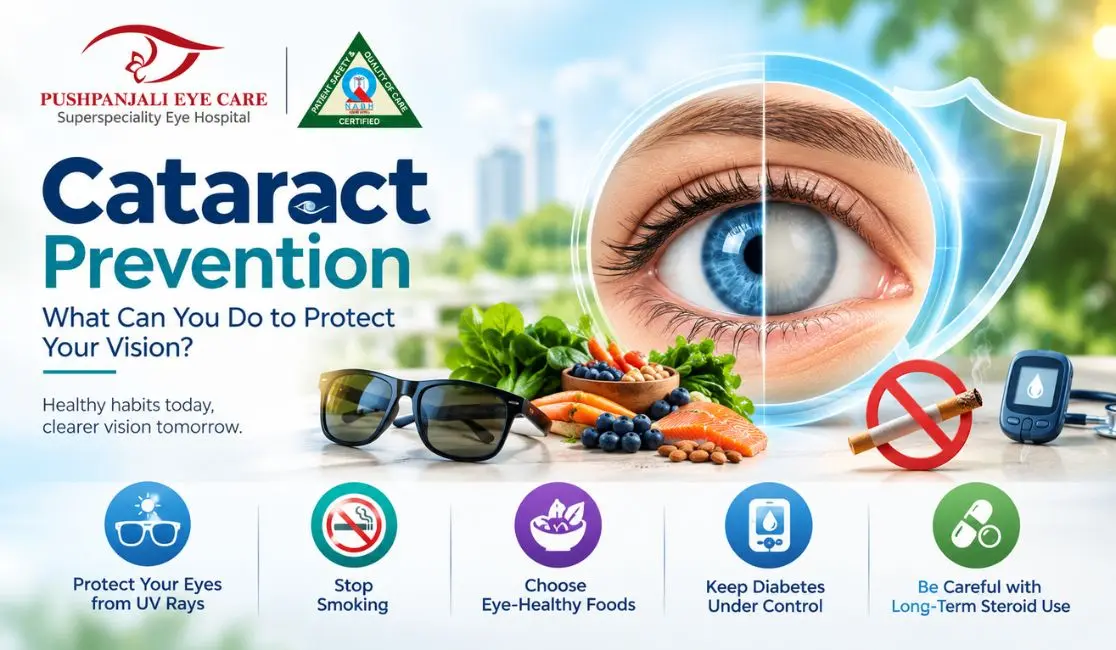
Cataract Prevention: What Can You Do to Protect Your Vision?

Clear vision is a dream for everyone and a sign of a healthy lifestyle. However, sudden eye problems can significantly affect your lifestyle. If you have trouble driving at night or notice faded colors, it may indicate a significant eye-related problem. Sometimes these are the early signs of cataract development. A cataract mainly occurs when the eye’s natural lens gradually becomes cloudy and affects the way light reaches the retina.

Among the variety of factors, aging is one of the most common causes of cataracts. Apart from aging, prolonged sun exposure, smoking, diabetes, previous eye injury, and certain medications also increase the risk of cataracts. Indeed, you cannot completely prevent cataracts; however, with the most efficient cataract surgery in Kolkata, you can safeguard your eye health and improve vision.

Now let’s explore this blog to ascertain how to prevent cataracts and what you can do to protect your vision.

Why Does the Eye’s Lens Become Cloudy?

Your natural eye lens acts as a clear window. Its job is to help focus light onto the retina so that you can see clearly. With age, proteins within the lens can gradually break down and clump together. This can make the lens cloudy and lead to cataracts. When cataracts progress, you may notice some visible changes in your eye health, such as-

• Blunt vision

• Difficulty seeing at night

• Eye sensitivity to bright light

• Glare or halos around headlights

• Color appearing faded

• Double vision in many cases

• Changes in glasses prescription

These symptoms do not mean your eye contains cataracts. Other eye conditions can also affect cataracts, so an eye examination is important.

Can Cataracts Really Be Prevented?

There is no guaranteed way to prevent age-related cataracts. Some risk factors, such as aging and genetics, are out of your control in cases of cataract treatment. Effective LASIK eye surgery in Kolkata can protect your eyes from cataracts, but healthy habits and proper eye protection can also help protect your eye health. Let’s discuss some healthy habits which can safeguard your eyes from cataracts.

1. Protect your eyes from UV rays

Your eyes need adequate protection from scorching heat. Long-term exposure to ultraviolet radiation can increase the risk of cataracts. However, sunglasses can block 99-100% of UV rays, protecting your eyes from harmful UV exposure. For daily protection, choose sunglasses with reliable UV protection, and try to wear them when you are outdoors.

2. Stop smoking

Smoking not only affects your lungs and heart but also affects your eyes. If you smoke, it can drastically increase the risk of cataracts. Quitting smoking is a reliable option to safeguard your eye health from cataracts. Try to change your smoking habit to enhance a healthy lifestyle.

3. Give your plate some eye-friendly variety

No single food can prevent cataracts. However, a balanced, nutrient-rich diet can support your eye health and safeguard your vision. Dark leafy green vegetables and omega-3 fatty acids can be eye-friendly additions to your diet. Adding more colorful vegetables to your diet can benefit your eyes.

4. Keep diabetes under control

Your overall eye health is closely connected with diabetes. Diabetes is a critical risk factor for cataracts. If you have diabetes, try to work closely with healthcare professionals to manage glucose levels, which can affect cataracts.

5. Be careful with long-term steroid use

Certain steroid medications are closely associated with cataract risk. This does not mean you should stop consuming prescribed medicine on your own. If you use steroid medication for a long period, speak with your eye specialist at the best eye hospital in Kolkata about your cataract-related eye risk.

Conclusion

Cataract surgery mainly involves removing the cloudy natural lens and replacing it with an artificial lens. However, it is not the only way to prevent cataracts. You can reduce your risk of cataracts by maintaining a healthy lifestyle. At Pushpanjali Eye Care, you can experience the most advanced diagnostics and trusted cataract surgery. Contact us through our website to book an appointment.

Glaucoma and Family History: Should You Get Your Eyes Checked?

When talking about eye health, family history matters a lot. If a parent, sibling, or close family member has been diagnosed with glaucoma, it may be a valid reason to pay serious attention to your own eye health. Glaucoma is often called a ‘silent’ eye disease because it can gradually develop without showing any visible symptoms at the early stage.

Over time, a person may notice major changes in peripheral vision, and significant damage may have already occurred.

However, early detection by the top Glaucoma Specialist in Kolkata and a proper eye test can safeguard your vision. Based on your eye health, past medical history, and the condition of the optic nerve, a doctor can recommend the best treatment for glaucoma and protect your eye health from further damage.

Now let’s explore this blog to ascertain the connection between glaucoma and family history and when you should opt for an eye check-up.

What Is Glaucoma?

Glaucoma mainly refers to a group of eye conditions that can damage the optic nerve, which carries visual information from the eye to the brain. In many cases, glaucoma is associated with intraocular pressure, which occurs when fluid inside the eye does not drain properly.

However, if eye pressure stays within a normal range, glaucoma can still develop. Because glaucoma progresses slowly, it may not show any specific symptoms at first. However, regular eye examinations are vital to detect glaucoma at an early stage.

Why Family History Matters So Much for Glaucoma

Several factors, such as eye pressure, genetics, aging, or certain health conditions, mainly influence glaucoma. Family history plays a vital role in an individual’s risk for glaucoma. If the ophthalmologist knows that you have a certain glaucoma history in your family, they may recommend closer and more frequent monitoring of your eye health.

Based on your age, risk factors, and overall eye health, ophthalmologists recommend a comprehensive eye exam for glaucoma detection. That’s why, rather than waiting for blurry vision or other noticeable changes, if you have a family history of glaucoma, consider an early eye checkup.

Is High Eye Pressure the Same as Glaucoma

Not necessarily; high eye pressure is not the same as glaucoma. High intraocular pressure can increase the risk of glaucoma, but some people with elevated eye pressure may not have glaucoma. However, some people experience glaucoma when their eye pressure is in the normal range. That’s why regular eye checkups are necessary to understand whether you are at risk for glaucoma.

A top ophthalmologist in Kolkata needs to consider optic nerve condition, visual field, eye structure, and family history before recommending glaucoma-related eye treatment.

When Should You Get Your Eyes Checked?

A single eye examination may not be suitable for glaucoma detection in all age groups. For adults without any glaucoma risk factors, a general eye examination is appropriate. People with risk factors such as a family history of glaucoma may need frequent eye examinations to ascertain the glaucoma condition.

According to the National Eye Institute, people with a family history of glaucoma are at high risk and should receive comprehensive eye evaluations. If glaucoma runs in your family history, do not wait until symptoms appear to visit an eye specialist.

Glaucoma Risk Factors to Know

Apart from family history, there are plenty of risk factors that can cause glaucoma. Depending on the type of glaucoma, risk can be associated with-

• Age

• Elevated intraocular pressure

• Diabetes

• High myopia

• Previous eye injury

• Other individual medical history.

Having more than one risk factor can automatically increase the glaucoma risk. Thus, frequent eye checkups with the support of the best eye hospital in Kolkata are essential for early detection and top-notch glaucoma treatment.

Conclusion

Hearing that glaucoma runs in your family can sometimes be a worry. However, with proper and regular eye checkups, you can protect your vision from eye damage. At Pushpanjali Eye Hospital, you can consult experienced eye specialists for glaucoma treatment and receive expert advice.