Prime Eyesight Hospital Near Me Golpark-Gariahat,Kolkata 700029

|

Prime Eyesight Hospital Near Me Baguihati, Vip Road, Kolkata 700059

Best Eye Care Kolkata West Bengal All cashless facilities and West Bengal health scheme available. Top Eye Hospital In Kolkata
Best Eye Care Kolkata

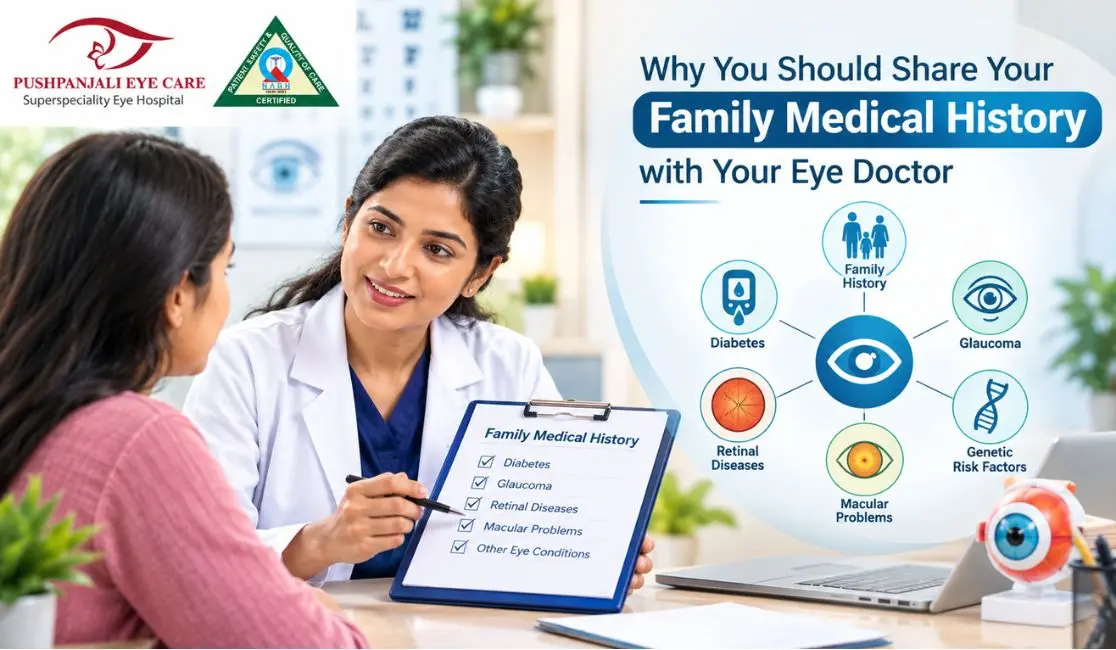
Why You Should Share Your Family Medical History with Your Eye Doctor

Your family’s medical history might be able to speak volumes about you even before your eyes do. Diabetes, glaucoma, and retinal diseases can sometimes have hereditary roots. By telling this history to a retina specialist in Kolkata, you will allow your eye doctor to learn about you better and treat your eye ailments accordingly.

While your eyes might feel completely healthy, some eye problems can come on very gradually without you even realizing there is a problem. Learning about the state of your own health as well as the eye conditions of any of your close family members can assist your physician in determining potential risk factors as well as what areas of an eye exam need to be focused on.

Various Reasons You Should Share Your Family Medical History with Your Eye Doctor

The medical background of your family can also provide helpful information about the status of your eyes. This is because some eye diseases and other health issues can be hereditary in nature; thus, it will be helpful to disclose this information to your eye specialist.

• Family history can reveal eye health risks.

Information related to your family’s medical history can be very helpful for your ophthalmologist. Various medical conditions like glaucoma, cataracts, retina-related problems, and certain forms of visual impairment might run in your family. Your physician needs to be aware of this information when performing eye examinations.

• Tell your doctor about retinal conditions.

Some retinal conditions could be hereditary at times. If you have any such retinal problems in your family, it is important to inform your ophthalmologist about it. At an eye hospital in Kolkata, such information will be helpful in understanding the retinal health status of your family.

• Share details about diabetes.

It is possible for diabetes to damage the tiny blood vessels of the retina, which could result in diabetic retinopathy. If you have a history of diabetes in the family, it is important that you mention this to the doctor during your visit to the eye clinic.

• Update your medical history regularly.

Your family’s medical history may vary due to the emergence of new diseases among your relatives. You should try to keep your data updated for visits to the eye doctor. In case you visit an ophthalmologist in Kolkata, it will be useful for you.

• Discuss any history of macular problems.

The macula is a tiny area of the retina involved in the visual acuity of our eyes. Macular disorders can sometimes be genetically predisposed. Mention your family history of macular issues related to aging or genetics when you undergo your eye check-up.

• Keep track of your parents’ eye health.

Your parents can give relevant information regarding any illnesses that may be genetic in nature. They can reveal if they have had any surgeries done to their eyes or any other problems like glaucoma, cataracts, or retinal diseases.

• Do not ignore early family health patterns.

You might be unsure of the name of the eye disease your relative had. This is all right. Give any information that you have, like how old your relative was at the onset and whether any medical attention was sought. The doctor will determine which information is important.

Conclusion

The sharing of the medical history of your family provides your eye doctor with a better perspective regarding the risks involved. Even the smallest bit of information concerning any eye ailments that run in your family is helpful.
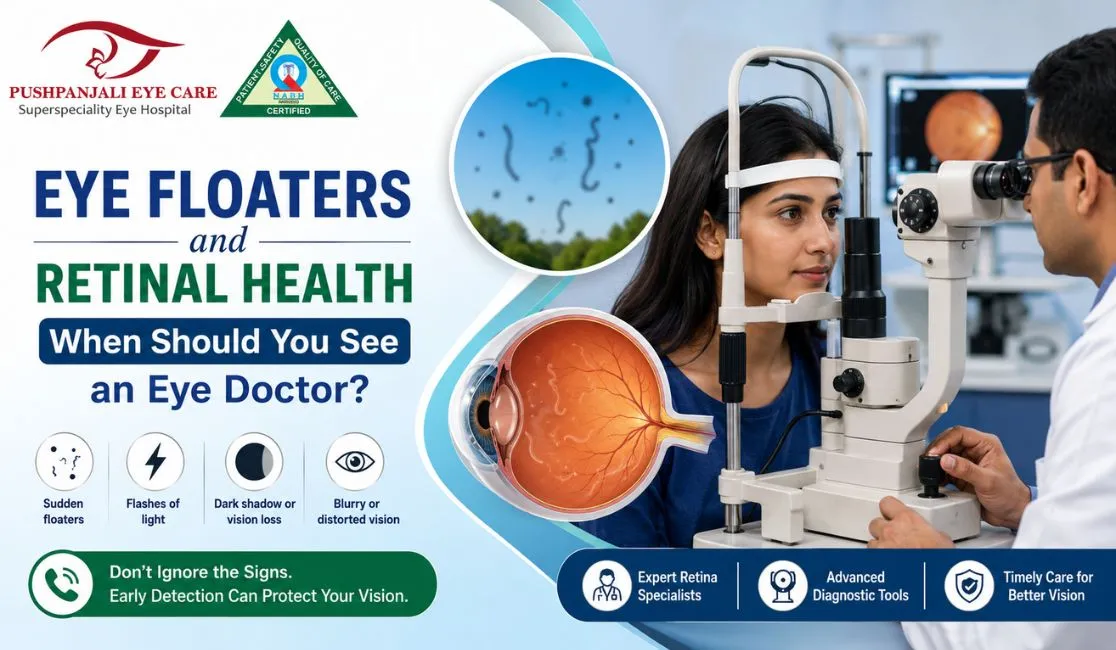
Eye Floaters and Retinal Health: When Should You See an Eye Doctor?

Have you ever noticed tiny black dots, rings, or fine thread-like shapes across your vision? You may also notice that these tiny black dots may disappear suddenly when you try to look directly at them. These visual shapes are commonly known as eye floaters, and they become more common as people get older. However, when the floaters suddenly appear and cause a shadow in your vision, it might become a serious issue.

Have you ever wondered what the reason behind this critical eye problem is? Some changes in floaters are associated with retinal conditions of your eye. If you want to protect your vision from eye floaters and safeguard your retinal health, you must consult an expert and trusted retina specialist in Kolkata. By understanding the difference between ordinary floaters and their symptoms, you can take better care of your vision.

Now let’s explore this blog to understand eye floaters and retinal health, and when you should visit an eye specialist.

What Are Eye Floaters?

Eye floaters are small shadows that appear to drift through your vision, and you notice them as tiny dark spots, threads, cobweb-like patterns, rings and circles, squiggly lines, and small clouds. Floaters often become easier to notice when looking at a clear sky, white wall, or a computer screen.

Floaters do not harm everyone. However, a drastic change in floaters can be related to a retinal problem. In such a critical scenario, you need medical support to protect your retinal health and your vision from further damage.

When Should You See an Eye Doctor for Floaters?

When you have a clear idea about when to see an eye doctor for floaters, you can genuinely safeguard your retinal health and protect your vision from damage. Let’s discuss the warning signs when you should consult with an eye specialist at the top eye hospital in Kolkata for eye floaters.

Suddenly notice new floaters

If you suddenly notice new black spots, threads, or cobweb-like shapes, you must consult an eye specialist. A sudden change can seem normal to you, but an experienced eye specialist can examine the retina and determine whether the problem needs any treatment.

Your floaters suddenly increase

One or two floaters are familiar with your regular vision, but if you suddenly notice a major increase in the number of floaters, don’t ignore this change. A noticeable increase can occur when vitreous changes have already occurred on the retina.

You see flashes along with floaters

Seeing flashes of light mainly happens with new floaters, and at this stage you need to seek professional advice regarding your vision health. Flashes can occur when the vitreous pulls on the retina. At this stage, an expert eye examination can help you identify the retinal problem and recommend surgery if necessary.

A dark shadow appears suddenly

A dark shadow or veil moving across part of your vision is a serious warning sign of eye floaters. Sometimes it can be associated with retinal detachment, which needs immediate guidance from an eye specialist.

Facing blurry vision or distorted

New floaters sometimes accompanied by sudden vision changes, which you should take seriously. Rather than waiting for sudden symptoms to disappear, visiting an experienced ophthalmologist in Kolkata can safeguard your internal eye health and protect the retina from further damage.

Conclusion

If you experience any sudden changes in your vision or identify dark spots, try to pay attention and seek expert support to ensure your eye health. At Pushpanjali Eye Care Hospital, you can get advanced treatment facilities and expert doctor advice regarding eye floaters, and protect your vision from further deterioration. Our professional and detailed eye examination can help you understand what is actually happening in your retina and protect your eye health.